Les Chavannes-En-Maurienne
Les Chavannes-En-Maurienne
Top 12 Mountain Passes around Les Chavannes-En-Maurienne
Best mountain passes around Les Chavannes-En-Maurienne are located within the Maurienne Valley, a region in the Savoie department of southeastern France. This area is known for its concentration of iconic mountain passes, making it a significant destination for cycling and historical exploration. The Maurienne Valley offers numerous routes that traverse the Alps, connecting different valleys and providing access to historical sites. It is recognized as a major mountain cycling area.
Best mountain passes around Les Chavannes-En-Maurienne
- The most popular mountain…
Last updated: July 10, 2026
Col du Chaussy
Highlight • Mountain Pass
Translated by Google •
Tip by

Col de Chaussy
Highlight • Mountain Pass
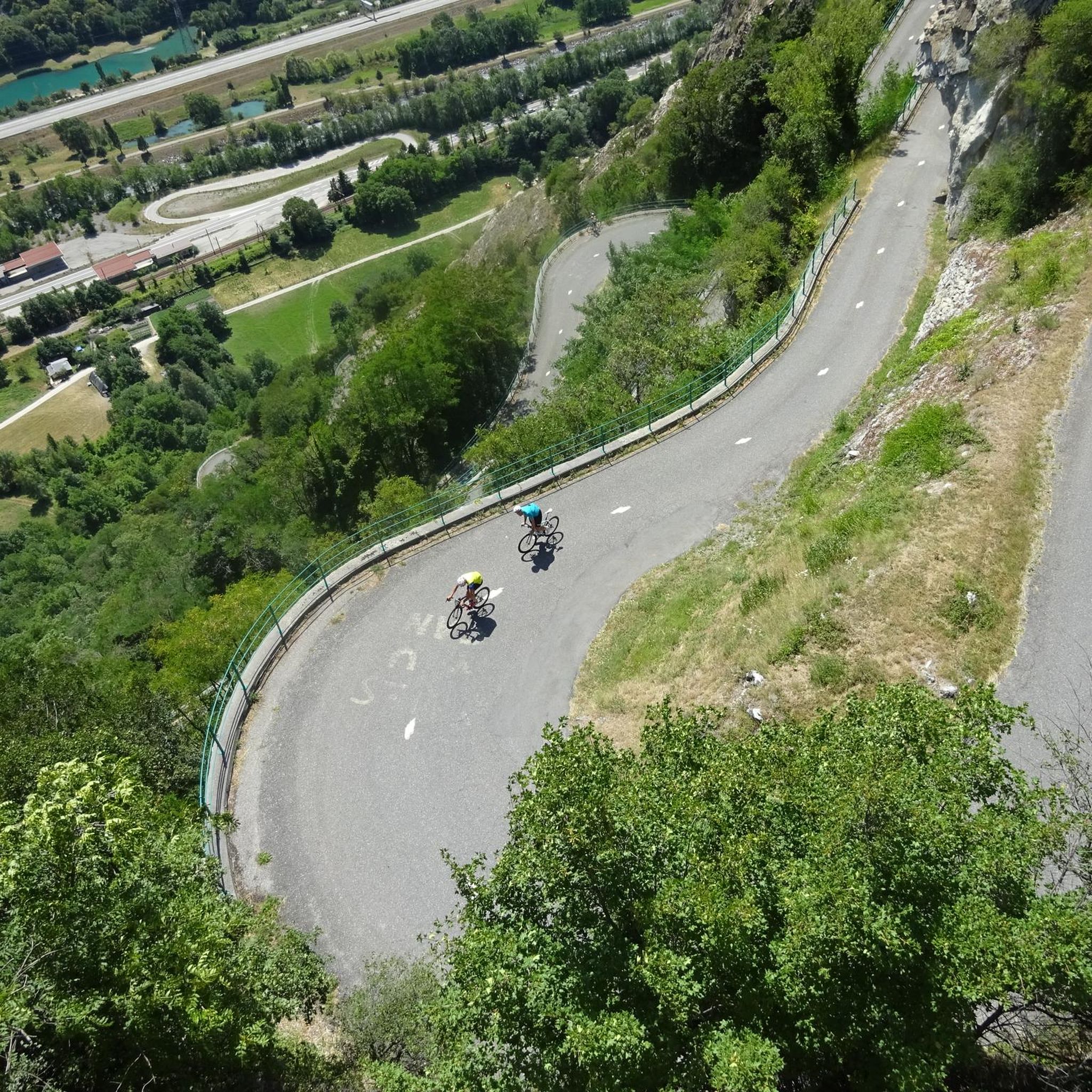
If you ride the shoelace, you'll also get over the pass; it's a nice ride.
Translated by Google •
Tip by

Sign up now to discover places like this
Get recommendations on the best single tracks, peaks, & plenty of other exciting outdoor places.
Sign up for free
Col du Grand Cucheron
Highlight (Segment) • Mountain Pass
Translated by Google •
Tip by

Col de la Madeleine
Highlight • Mountain Pass
Translated by Google •
Tip by
Ascent of Col de la Madeleine from La Chambre
Highlight (Segment) • Climb
Translated by Google •
Tip by

Sign up for free to discover even more mountain passes around Les Chavannes-En-Maurienne.
Sign up for free
Already have an account?
Start today with a free account
Your next adventure awaits.
Login or Signup
Popular around Les Chavannes-En-Maurienne


Tips from the Community

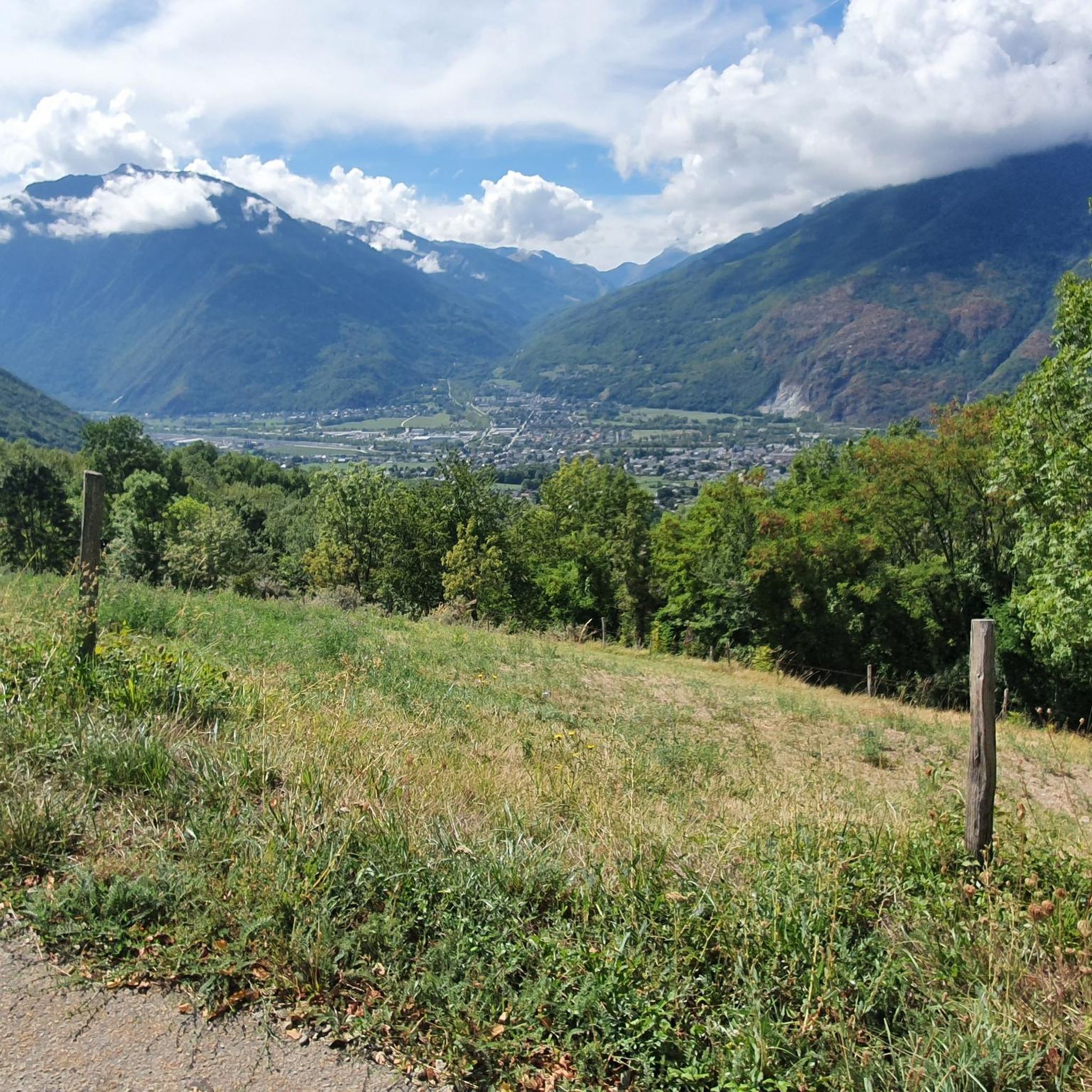
Narrow road, great views. Relatively little traffic.
2
0
Orderly ascent, nice pass with chapel and bar/restaurant. Some water points, but not many.
1
0


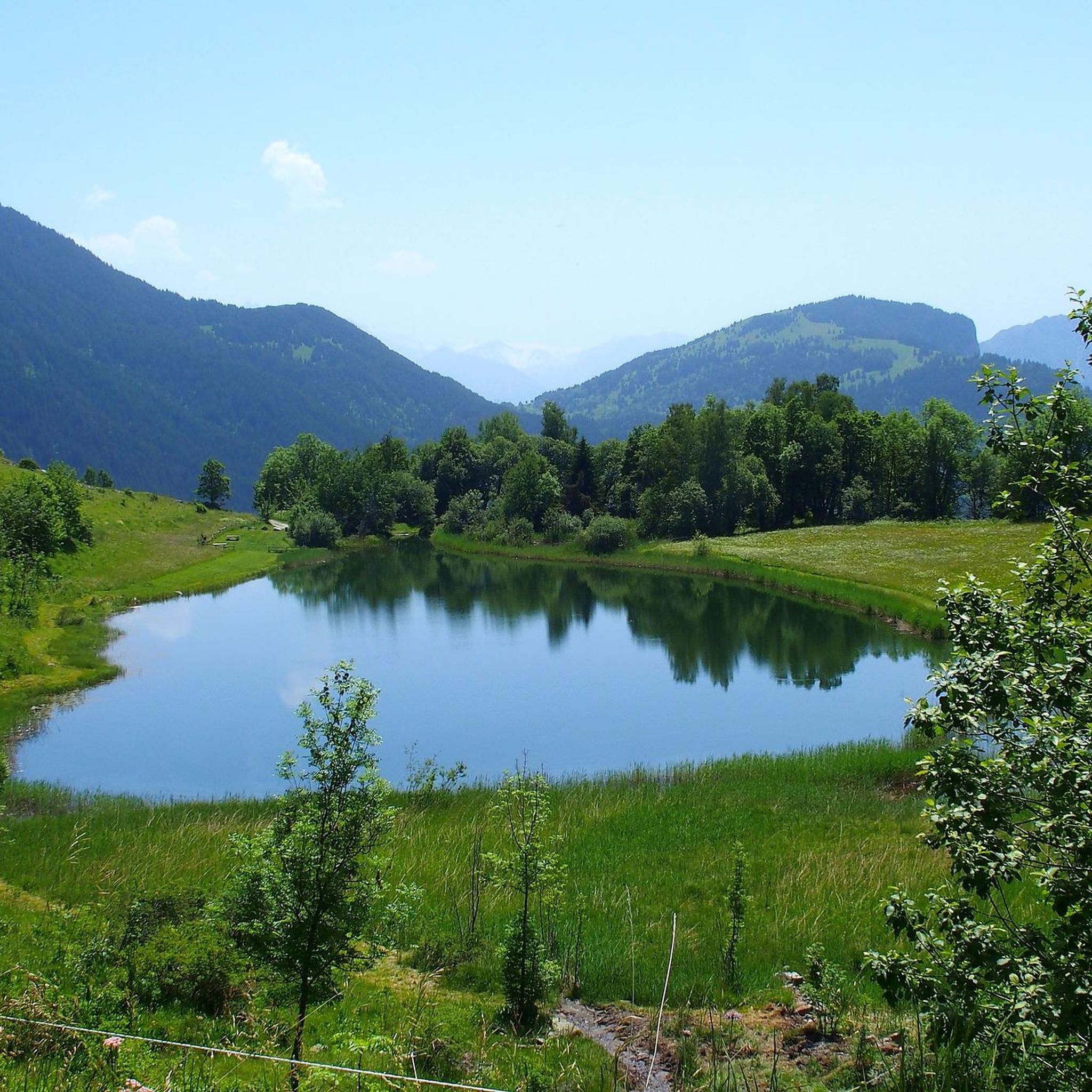
Away from car traffic, a bucolic pass in the middle of mountain pastures.
2
0

A beautiful port, ideal to combine with Col de la Madeleine and Col de la Croix-de-Fer
0
0
This is the classic southern slope of the pass, which begins at La Chambre. With a vertical drop of 1,591 m, a length of 19.3 km, and an average gradient of 7.9%, it's a colossus. The initial section has many hairpin bends and is covered with trees and vegetation. The intermediate section is probably the toughest. From the Saint François Longchamp ski resort, where there is a gentler section, there are a beautiful 5 km of completely open terrain where you can see the entire final section. Descending this pass is a delight because you build up speed and it also has all kinds of curves.
0
0
On its southeast side, from Epierre, it is a beautiful port. The vast majority is covered by trees, which do not allow great views of the valley; However, the road is very winding, with continuous curves that make it very bearable. It is an area to enjoy cycling since there is hardly any traffic.
0
0

The Col de la Madeleine connects the Tarantaise and Maurienne valleys. It is part of the family of exceptional passes with more than 1,500 meters of vertical drop on each of its sides.
1
0
Frequently Asked Questions
Where is the Maurienne Valley located?
The Maurienne Valley is situated in the Savoie department of the Auvergne-Rhône-Alpes region in southeastern France. It's renowned for its concentration of iconic mountain passes, making it a significant destination for cycling and historical exploration.
What is the best time of year to visit the mountain passes in the Maurienne Valley?
Most mountain passes in the Maurienne Valley, including high-altitude ones like Col de l'Iseran, are generally open during the summer months, typically from June to October. They close in winter due to snow, so summer and early autumn are ideal for exploring.
What cycling opportunities are available around Les Chavannes-En-Maurienne?
The Maurienne Valley is often called 'the largest mountain cycling area in the world.' You'll find numerous challenging routes, including legendary climbs frequently featured in the Tour de France. For specific cycling routes, you can explore options like those found in the Cycling around Les Chavannes-En-Maurienne guide.
Are there any historically significant mountain passes in the region?
Yes, the Col du Mont Cenis, located at 2,083 meters on the border between France and Italy, has been a crucial passageway through the Alps since antiquity. Napoleon even had a road built here to transport his troops. The area around Lanslebourg, a historic gateway to Mont Cenis, features noble facades and the Saint Sebastian Church with 17th-century frescoes.
What are some challenging mountain passes for experienced cyclists?
For experienced cyclists, the region offers several challenging passes. The Col de la Madeleine, with its 19km ascent from La Chambre and an average gradient of 8%, is a tough climb often featured in the Tour de France. Another is the Col du Chaussy, known for its quiet routes and challenging ascent after the Lacets of Montvernier.
What kind of views can I expect from the mountain passes?
The mountain passes offer spectacular panoramic views. For instance, the Col de l'Iseran, as Europe's highest road pass, provides breathtaking vistas. The Spectacular Cliffside Road Above Montvernier also offers impressive views of the valley and mountains, despite its challenging nature.
Are there opportunities for gravel biking near Les Chavannes-En-Maurienne?
Yes, the region provides excellent opportunities for gravel biking. You can find various routes, including loops around passes like Col du Grand Cucheron and Col du Chaussy. More details can be found in the Gravel biking around Les Chavannes-En-Maurienne guide.
What is the Col du Télégraphe known for?
The Col du Télégraphe, at 1,566 meters, links Saint-Michel-de-Maurienne to Valloire. It's considered an essential test for cyclists before tackling the Col du Galibier. Its name comes from the Fort du Télégraphe, built between 1885 and 1893, which offers a 360° view of the valley and surrounding peaks.
What makes the Col de la Croix de Fer a popular destination?
The Col de la Croix de Fer, located between the Maurienne and Oisans valleys, is renowned for its natural beauty. It attracts cyclists and mountain sports enthusiasts due to its scenic landscapes and offers fine alternative sections off the main cycle route.
Are there any cafes or restaurants near the mountain passes?
While specific amenities vary by pass, some popular passes like the Col de la Madeleine have cafes at the summit. It's advisable to check local listings for specific passes you plan to visit, especially in smaller villages along the routes.
What are the typical conditions for mountain passes during winter?
Most Alpine passes in the Maurienne Valley, especially the higher ones, are closed during the winter months due to heavy snow and adverse weather conditions. Access typically reopens in late spring or early summer.
What kind of elevation gain can I expect on these passes?
The passes in this region are known for significant elevation gains. For example, the Col du Grand Cucheron involves a climb of over 800 meters in elevation gain, with sections reaching steep gradients. The Col de la Madeleine from La Chambre has a total drop of 1522m.
Most popular routes around Les Chavannes-En-Maurienne
Most popular attractions around Les Chavannes-En-Maurienne

Get inspired with the komoot mobile app


Explore more
See even more epic mountain passes by checking out these guides around Les Chavannes-En-Maurienne:
