The best cycling routes around Fontcouverte-La-Toussuire
4.3
(207)
9,321
riders
118
rides
Touring cycling routes around Fontcouverte-La-Toussuire are situated in the French Alps, characterized by challenging mountain terrain and significant elevation changes. The region features a landscape composed of high-altitude mountain pastures, dense forests, and small valleys. Prominent geological features include jagged peaks such as the Aiguilles d'Arves, providing a mountainous backdrop for cycling.
Best touring cycling routes around Fontcouverte-La-Toussuire
- The most popular touring cycling route is Valloire Village Center – Télégraphe Pass loop from Fontcouverte-la-Toussuire, a 48.2 miles (77.6 km) trail that takes 5 hours 58 minutes to complete. This difficult route includes significant climbs over iconic mountain passes.
- Another top favourite among local touring cyclists is Opinel Museum – Col de la Confrérie loop from Poste de Secours, a difficult 42.1 miles (67.7 km) path. This route offers expansive views across the alpine landscape.
- Local touring cyclists also love the Mollard Pass – View of the Aiguilles d'Arves loop from La Simianaz, a 41.5 miles (66.8 km) trail leading through the Mollard Pass with views of the Aiguilles d'Arves, often completed in about 5 hours 52 minutes.
- Touring cycling around Fontcouverte-La-Toussuire is defined by challenging mountain passes, high-altitude alpine pastures, and jagged peaks. The network offers options for different ability levels, though most routes are considered difficult.
- The routes in Fontcouverte-La-Toussuire are highly rated by the komoot community with an average score of 4.4 stars from over 150 reviews. More than 7,000 touring cyclists have used komoot to explore Fontcouverte-La-Toussuire's varied terrain.
Last updated: July 1, 2026
4.3
(7)
277
riders
Hard bike ride. Very good fitness required. Mostly paved surfaces. Suitable for all skill levels.
3.8
(6)
233
riders
67.1km
05:32
2,150m
2,150m
Hard bike ride. Very good fitness required. Mostly paved surfaces. Suitable for all skill levels.

Sign up for free
4.0
(2)
90
riders
64.3km
05:25
2,150m
2,150m
Hard bike ride. Very good fitness required. Mostly paved surfaces. Suitable for all skill levels.
20
riders
39.5km
04:41
1,910m
1,900m
Hard bike ride. Very good fitness required. Mostly paved surfaces. Suitable for all skill levels.
3.0
(1)
17
riders
15.9km
01:15
450m
450m
Moderate bike ride. Good fitness required. Mostly paved surfaces. Suitable for all skill levels.
Get access to more routes and recommendations from other explorers.
Sign up for free
Already have an account?
Our route recommendations are based on thousands of hikes, rides, and runs completed by other people on komoot.
Start today with a free account
Your next adventure awaits.
Login or Signup
Popular around Fontcouverte-La-Toussuire
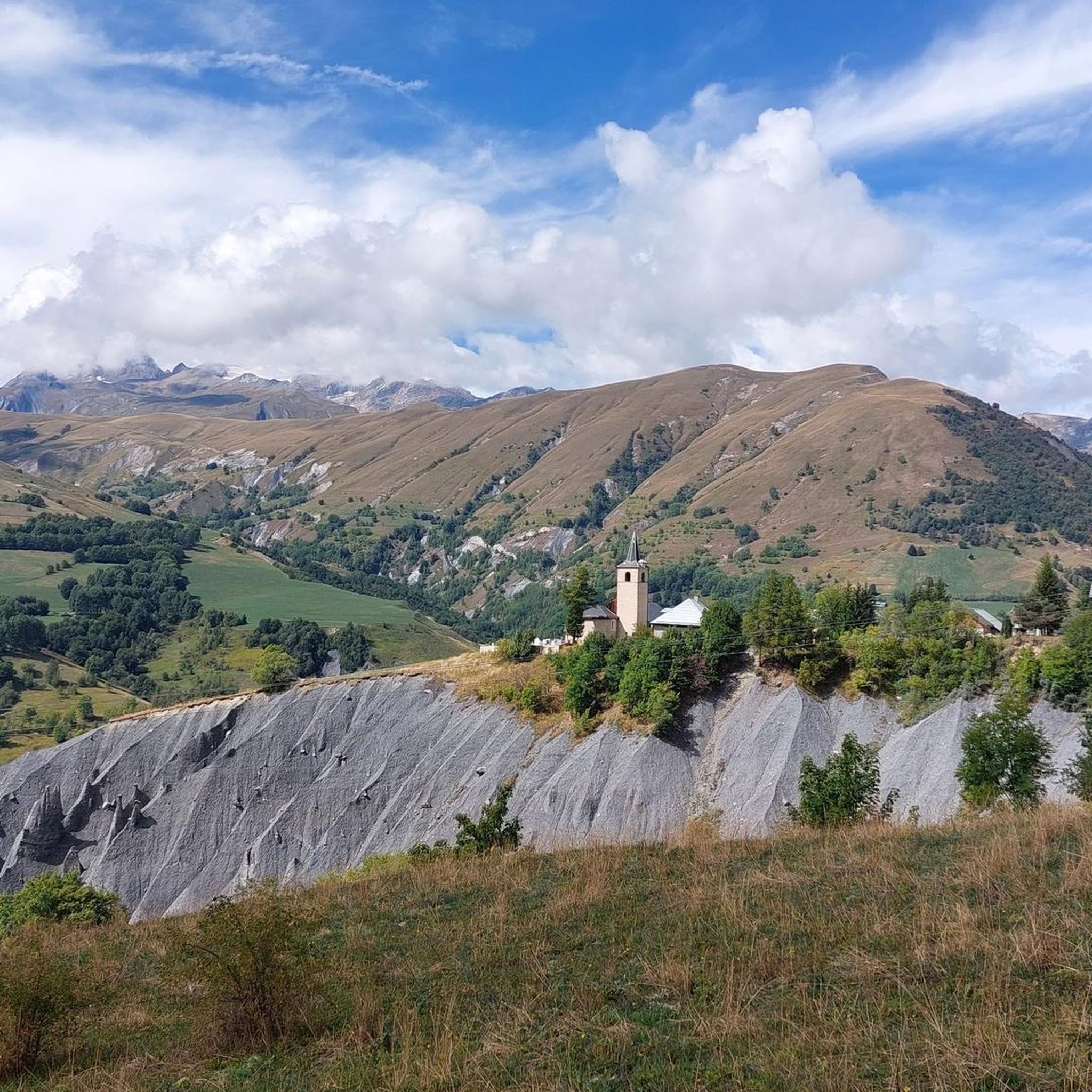
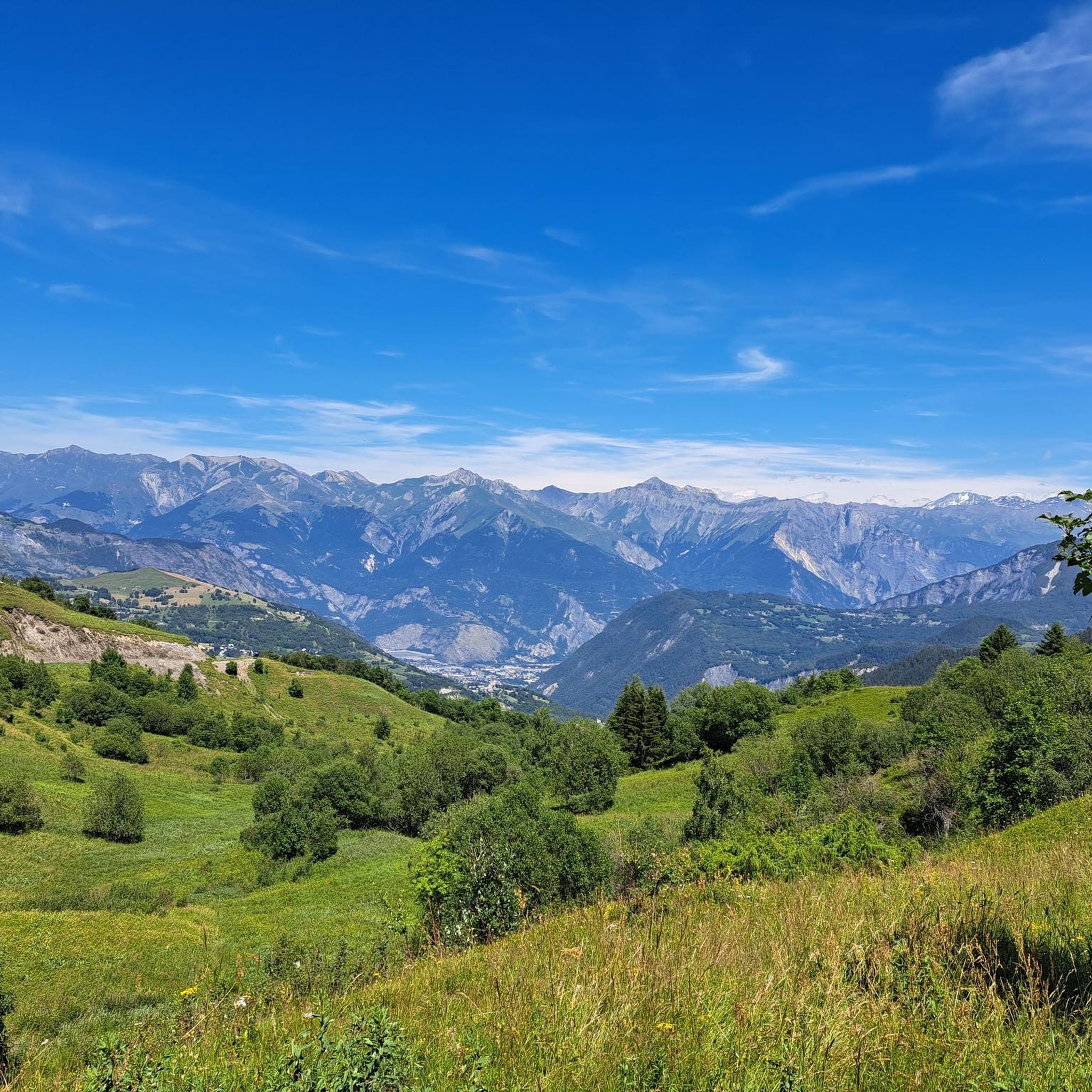
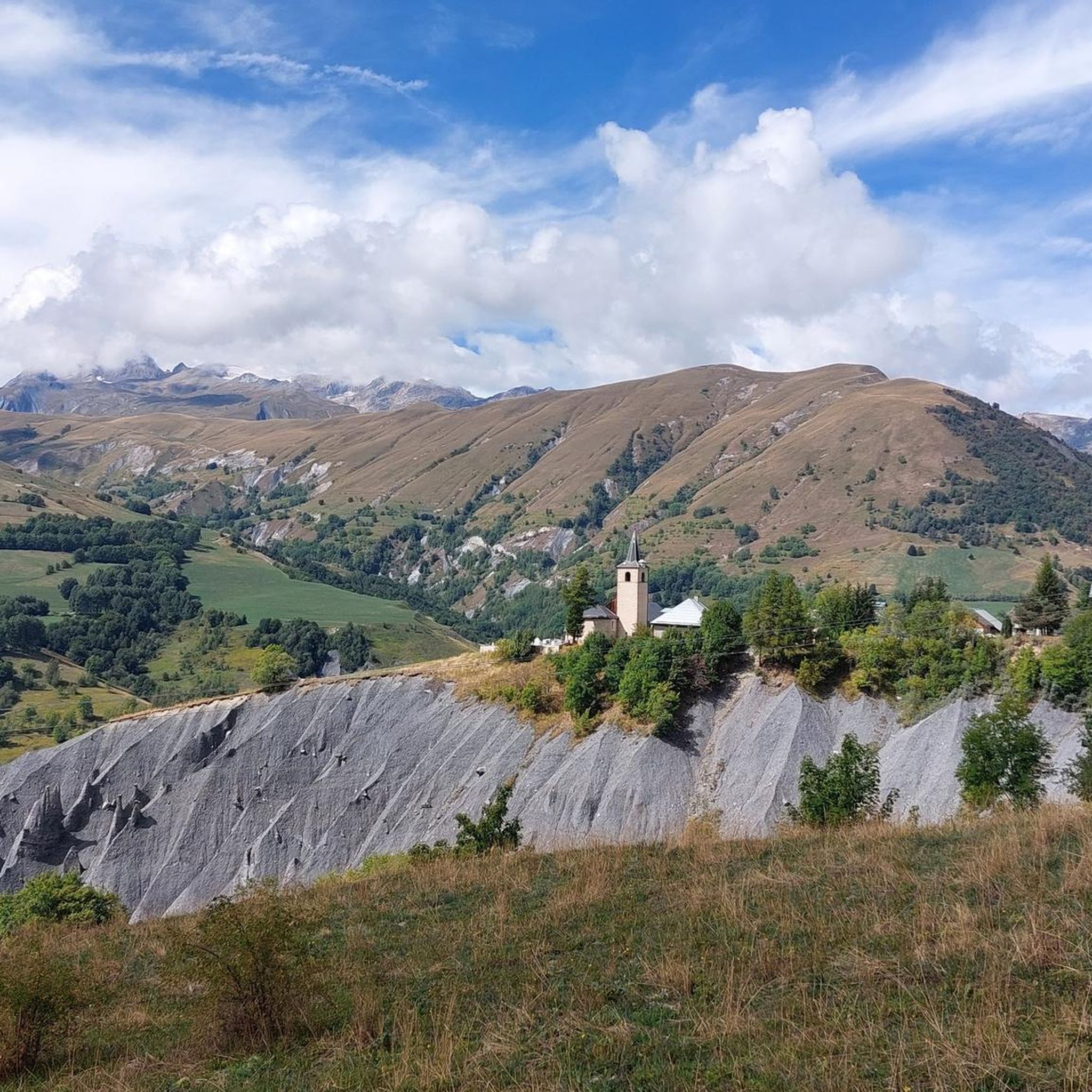
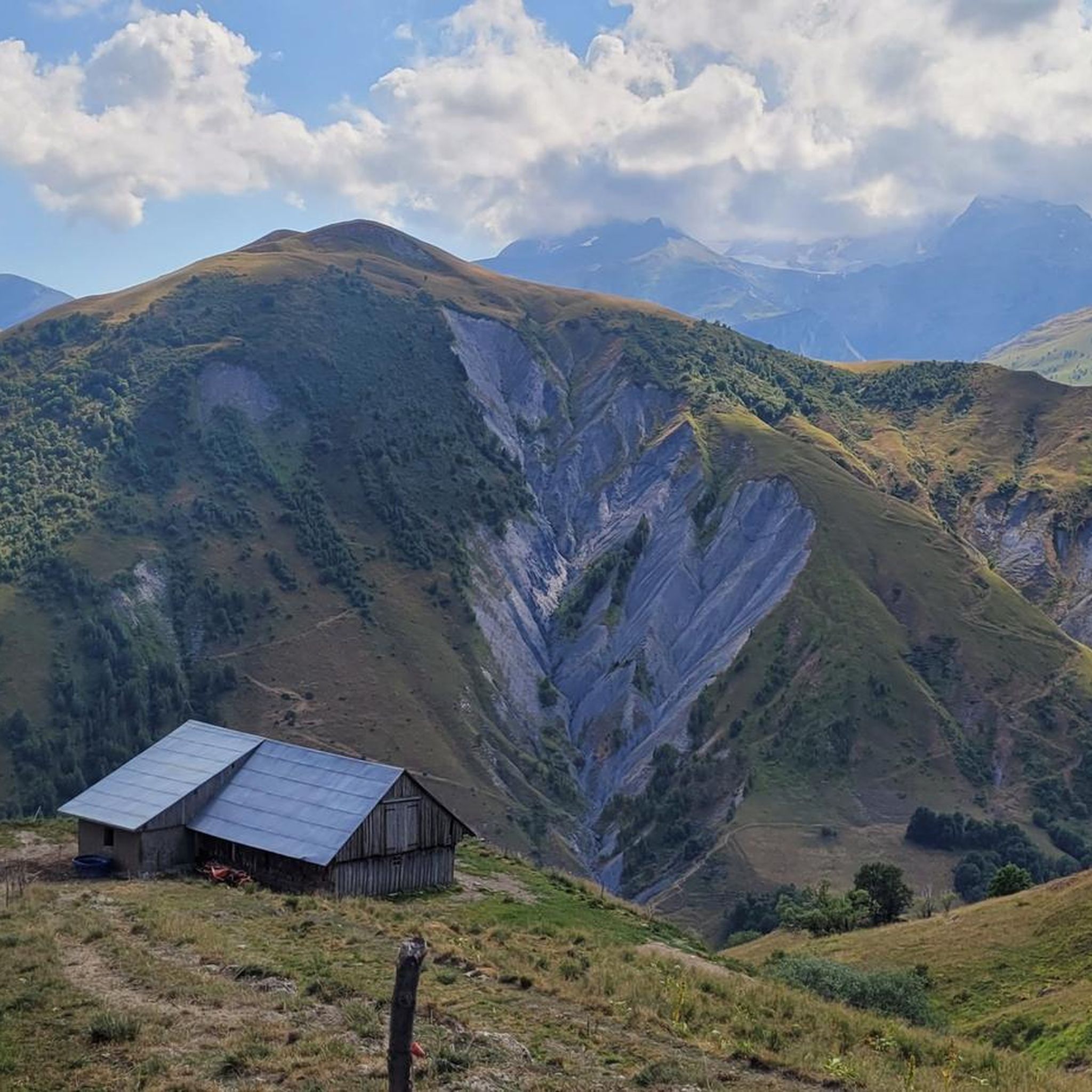


Tips from the Community

Nice little pass on the D80 in Albiez Jeune.
2
0
I passed by it. First a large parking lot, next to it a few leisure activities.
2
0
Luckily, I used this variant as a descent to Saint Jean de Maurienne, actually the classic ascent to the Col de Croix de Fer, accordingly also a lot of traffic uphill, many motorcycles. Dreamlike views.
1
0
small road, little traffic, great views, unfortunately the pass information is missing on the ascent.
1
0
Strenuous, but doable. Many switchbacks, little traffic, partially shaded. The switchbacks are indicated by a numbered pocket knife. A small dream as a descent, beautiful views.
2
0
Great mountain view, nice descent.
2
0
Great views, busy road.
2
0
Grandiose ascent on the D110, great view at the pass.
2
0
Frequently Asked Questions
How many touring cycling routes are available in Fontcouverte-La-Toussuire?
There are over 10 touring cycling routes around Fontcouverte-La-Toussuire, offering a variety of experiences for cyclists. The region is known for its challenging mountain terrain and significant elevation changes.
What is the typical difficulty level of touring cycling routes in Fontcouverte-La-Toussuire?
Most touring cycling routes in Fontcouverte-La-Toussuire are considered difficult due to the mountainous terrain and significant elevation gains. For example, the Valloire Village Center – Télégraphe Pass loop from Fontcouverte-la-Toussuire covers 77.6 km with over 1900m of ascent.
Are there any easier touring cycling routes for beginners or families?
While the majority of routes are challenging, there is one moderate route available. However, the region is primarily characterized by difficult climbs and mountain passes, making it more suitable for experienced cyclists. For families, consider shorter, less strenuous sections or explore other activities like hiking or mountain biking on dedicated trails.
What kind of terrain can I expect on touring cycling routes in this region?
You can expect diverse terrain, including high-altitude mountain pastures, dense forests, and small valleys. Routes often feature well-maintained roads, but some sections might be unpaved, adding to the adventurous appeal. The landscape is dominated by jagged peaks like the Aiguilles d'Arves, providing a dramatic mountainous backdrop.
What are some of the most scenic viewpoints or natural attractions along the cycling routes?
The region offers breathtaking panoramic views. The Col de la Croix de Fer and Mollard Pass are iconic for their spectacular landscapes. You can also find stunning vistas of the Maurienne valley and the Aiguilles d'Arves, particularly on routes like the Mollard Pass – View of the Aiguilles d'Arves loop from La Simianaz.
Are there any iconic mountain passes I can cycle in Fontcouverte-La-Toussuire?
Yes, the region is famous for its iconic mountain passes. You can cycle the challenging Col de la Croix de Fer, known for its spectacular landscapes and inclusion in major cycling events. The Mollard Pass offers a more tranquil experience with views of the Aiguilles d'Arves. Don't miss the famous Montvernier Hairpins, a short but steep climb with tight bends.
Can I find circular touring cycling routes in the area?
Yes, many touring cycling routes in Fontcouverte-La-Toussuire are designed as loops. Examples include the Opinel Museum – Col de la Confrérie loop from Poste de Secours, which offers expansive views, and the La Toussuire Summit – La Grande Verdette loop from Villarembert.
What is the best time of year to go touring cycling in Fontcouverte-La-Toussuire?
The spring and summer months provide ideal conditions for touring cycling in Fontcouverte-La-Toussuire. You can expect pleasant temperatures and clear skies, perfect for exploring the region's mountain passes and scenic routes.
Are there facilities like water points or repair shops available along the routes?
Yes, key locations such as Saint-Jean-de-Maurienne and La Toussuire offer water points, repair facilities, and places for restoration. It's always advisable to carry sufficient water and basic repair tools, especially on longer or more remote sections.
What do other cyclists say about touring cycling in Fontcouverte-La-Toussuire?
The touring cycling routes in Fontcouverte-La-Toussuire are highly rated by the komoot community, with an average score of 4.4 stars from over 170 reviews. Cyclists often praise the challenging climbs, breathtaking alpine landscapes, and the sense of accomplishment from conquering iconic mountain passes.
Where can I park my car when starting a touring cycling route?
While specific parking locations for each route are not detailed, major towns and starting points like Fontcouverte-La-Toussuire, Villarembert, or La Simianaz typically offer parking facilities. It's recommended to check local signage upon arrival.
Are there any cultural or historical sites to explore near the cycling routes?
Yes, beyond cycling, Fontcouverte-La-Toussuire offers cultural points of interest. The chief town is part of the 'Les Chemins du Baroque' circuit and features two classified religious buildings. Additionally, a Neolithic cromlech, believed to be a sundial or calendar, can be found under the chapel in the hamlet of Villards.
Most popular routes around Fontcouverte-La-Toussuire
Most popular attractions around Fontcouverte-La-Toussuire

Get inspired with the komoot mobile app


Explore more
Browse the best Cycling routes in other regions.
