Top 14 Mountain Passes around Montaimont
Best mountain passes around Montaimont are situated in the Savoie department of France, offering access to high-altitude areas and notable mountain routes. This region provides diverse terrain for outdoor activities, characterized by alpine forests, meadows, and challenging ascents. Montaimont serves as a base for exploring passes that connect the Tarentaise and Maurienne valleys. The area features routes known for their scenic views and demanding climbs.
Best mountain passes around Montaimont
- The most popular mountain pass is Col du Chaussy,…
Last updated: June 26, 2026
Col du Chaussy
Highlight • Mountain Pass
Translated by Google •
Tip by

Col de la Madeleine
Highlight • Mountain Pass
Translated by Google •
Tip by

Sign up now to discover places like this
Get recommendations on the best single tracks, peaks, & plenty of other exciting outdoor places.
Sign up for free
Ascent of Col de la Madeleine from La Chambre
Highlight (Segment) • Climb
Translated by Google •
Tip by

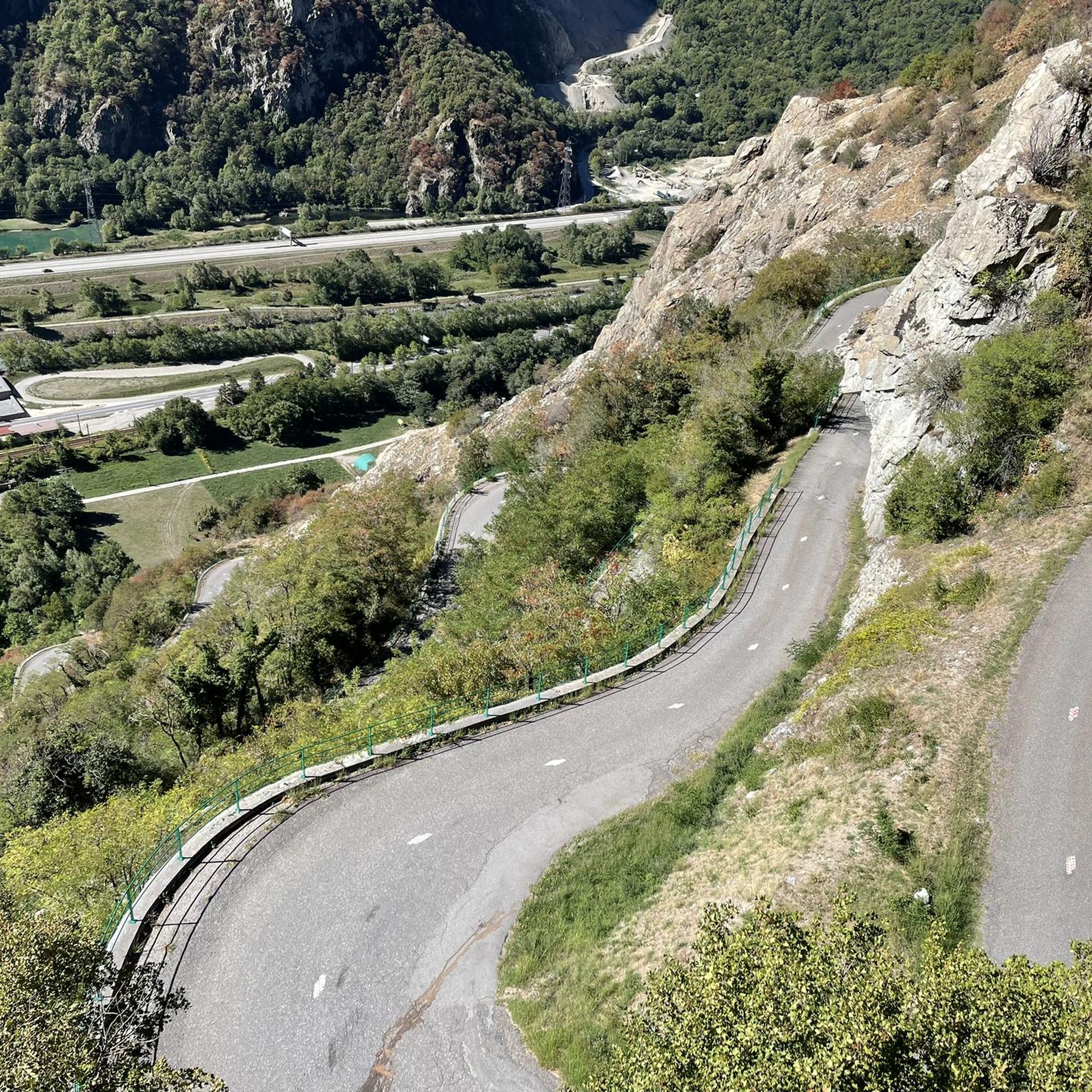
Spectacular Cliffside Road Above Montvernier
Highlight • Structure
Showing Translation
Tip by

Col du Glandon - from Saint-Étienne-de-Cuines
Highlight (Segment) • Mountain Pass
20km, D+ 1450m
Translated by Google •
Tip by

Sign up for free to discover even more mountain passes around Montaimont.
Sign up for free
Already have an account?
Start today with a free account
Your next adventure awaits.
Login or Signup
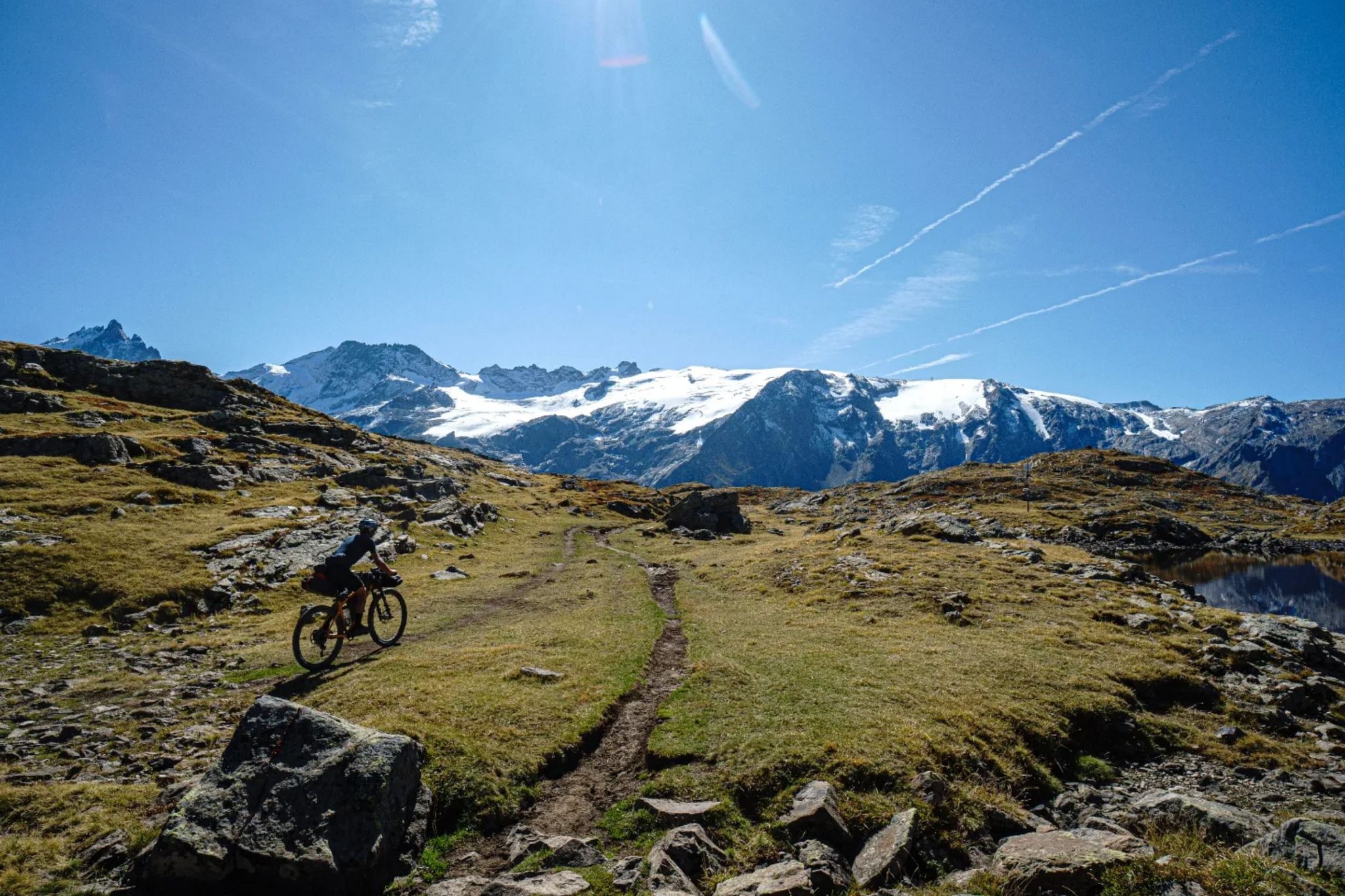
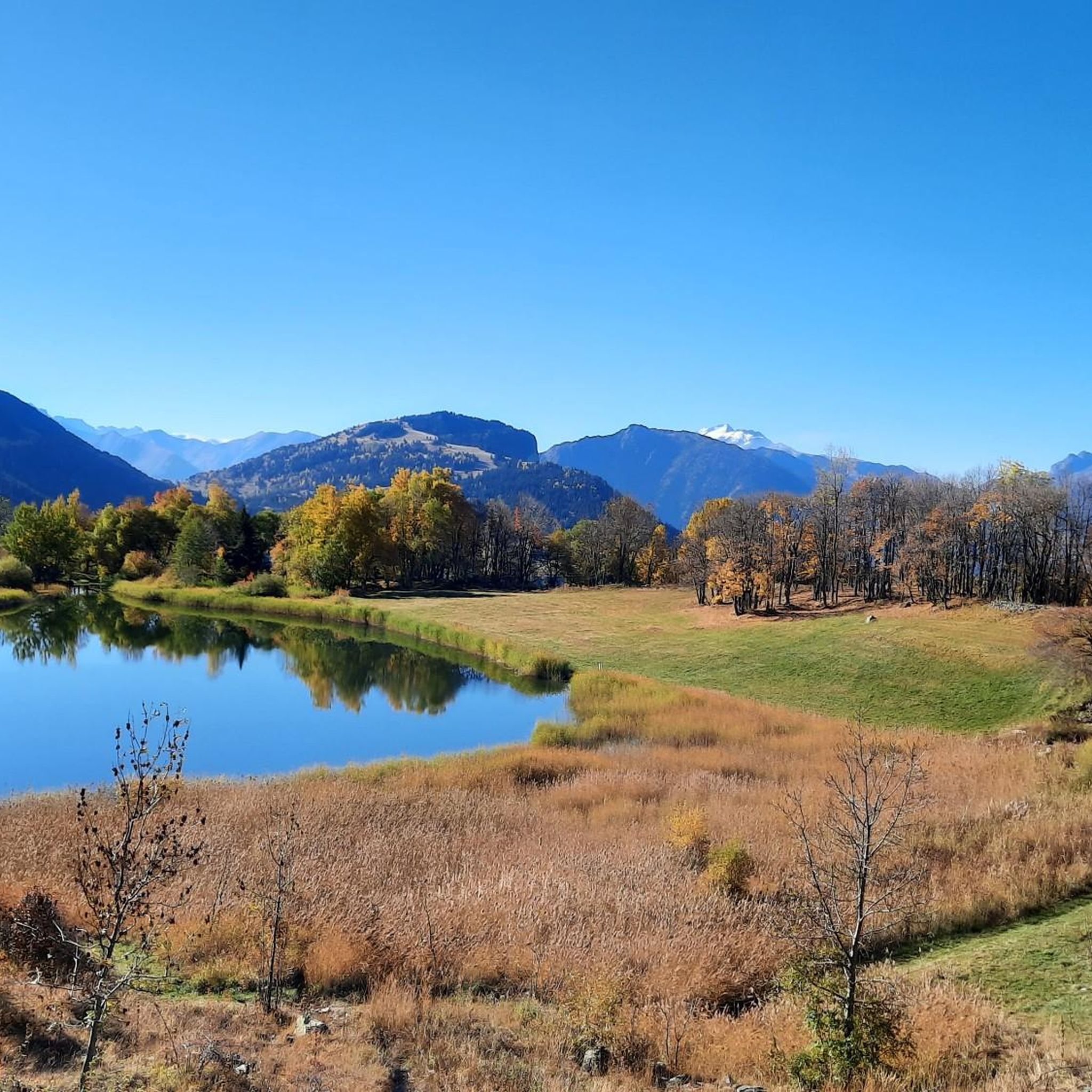
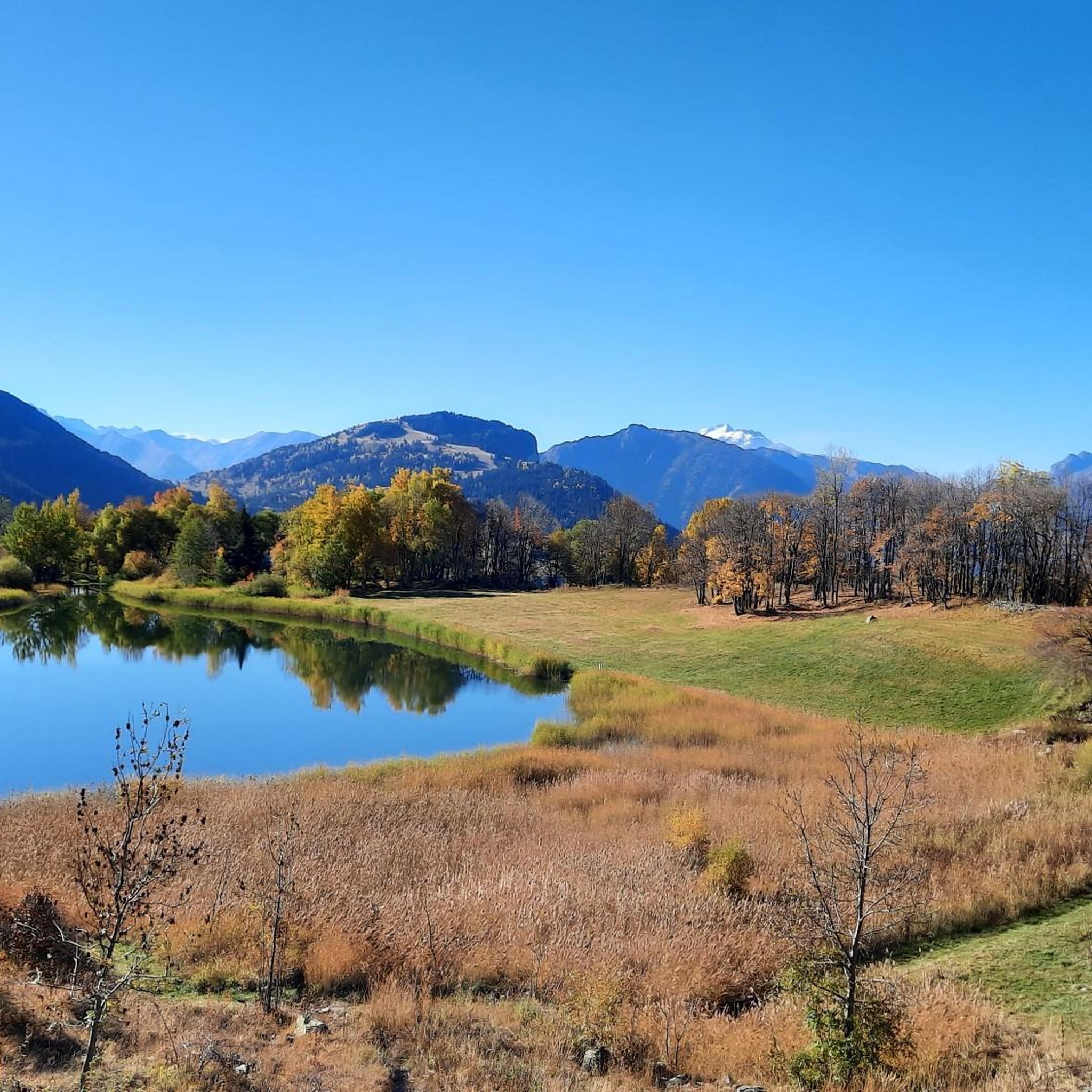
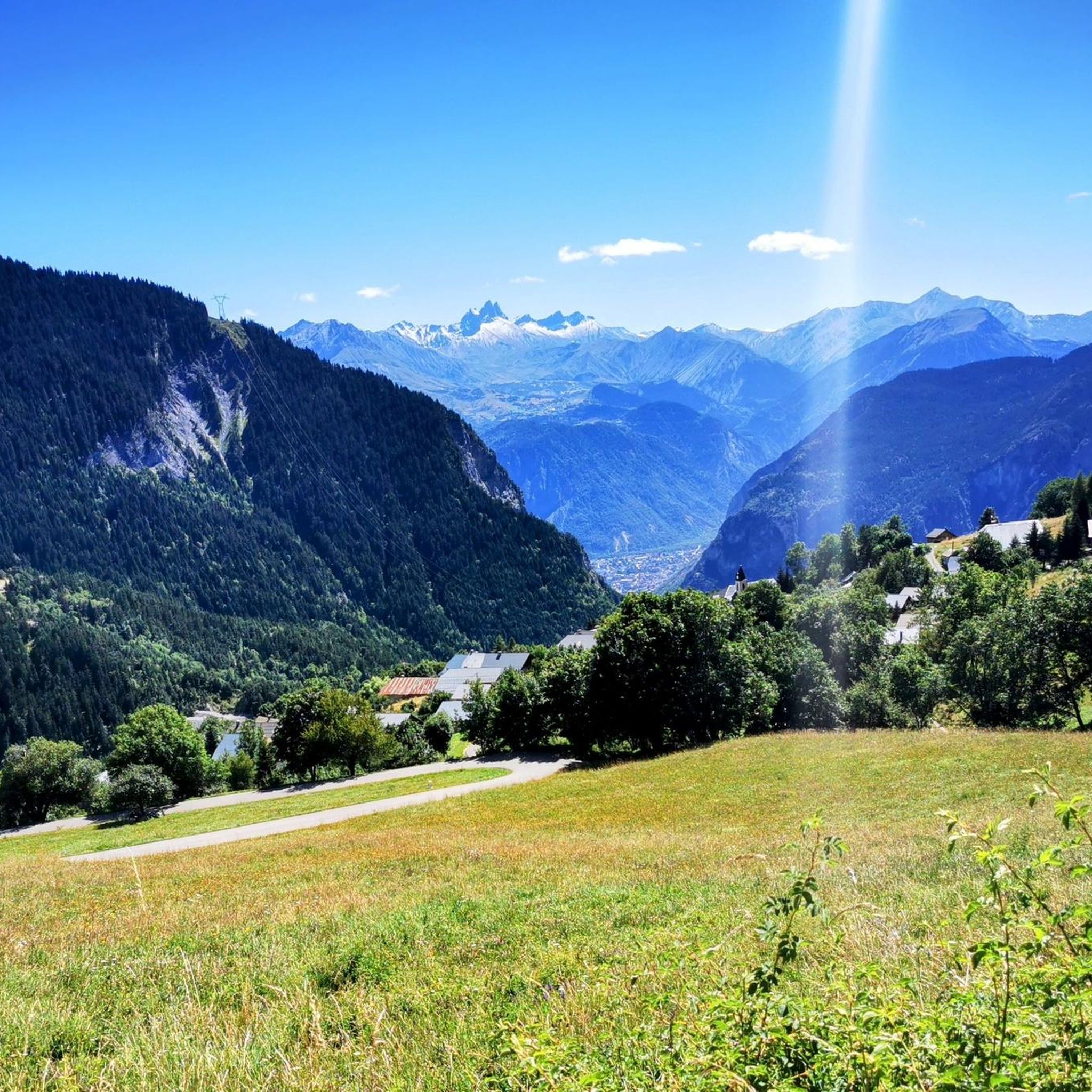
Other adventures around Montaimont

Tips from the Community

Narrow road, great views. Relatively little traffic.
2
0
Narrow road by the rock, great views.
2
0

Here is the route for the ascent of the Col du Glandon starting from Saint-Étienne-de-Cuines
1
0
Here is the route for the ascent of the Col de la Croix de Fer starting from Saint-Étienne-de-Cuines, passing through the Col du Glandon!
1
0

The north face of the Col du Glandon, starting from Saint-Étienne-des-Cuines, is one of the most demanding and iconic climbs in the French Alps. The summit sits at 1,924 meters above sea level, overcoming a gradient of 1,470 meters over just over 21 kilometers, resulting in an average gradient of around 7%. However, what truly defines the character of this climb is the unevenness of the profile, which alternates very tough sections with recovery phases before facing an extremely demanding finale. For almost eleven kilometers, the gradient remains within a range of 6 to 8% as the route enters a dense forest. After this initial phase, the landscape opens up and the road passes through Saint-Colomban-des-Villards, where the gradient decreases significantly and even offers practically flat areas. This is a strategic point to hydrate, eat, and prepare your mind for the rest of the climb. After the false flat and approaching the Glandon torrent, the vegetation begins to thin, the road narrows, curves follow, and the average gradient is around 10%, with several sections at 11% that really grind your legs after more than an hour and a half of accumulated effort. Once around the last curve, the arrival at the pass offers spectacular scenery, with views toward the Belledonne massif and the Arves peaks, a pure alpine environment with high-altitude pastures, torrents, and, occasionally, the occasional remnant of snowfields. Conclusion: a legendary climb in the French Alps, with extraordinary scenery and sustained difficulty. As always, the effort is worth it!
0
0

A col is meant to be climbed—and then descended. Because it's fun!
0
0
In my opinion, this is the best side of the Col du Glandon due to the beauty of its final 9 kilometers. The climb is clearly divided into two parts. The first stretches until reaching the village of St. Colomban-des-Villards; it's 8.5 km along a perfectly maintained road, very winding, with no views at all. The second part begins as we leave the village of St. Colomban, after a 1.5 km rest stop and a beautiful fountain where we can refill our water bottles. The second part is pure poetry. The road narrows and you enter a pure high-mountain landscape. It's a much tougher stretch.
1
0

Empty, a gas road 😱
0
0
Frequently Asked Questions
What are the most challenging mountain passes for cyclists near Montaimont?
For cyclists seeking a challenge, the Col de la Madeleine is a legendary alpine pass, featured numerous times in the Tour de France. Its ascent from La Chambre is 19km long with an average gradient of 8% and maximums of 13.5%. Another demanding option is the Col du Chaussy, particularly known for its approach via the Lacets de Montvernier, which features 17 tight hairpin bends over approximately 3 kilometers.
Which mountain passes offer the best panoramic views around Montaimont?
The Col de la Madeleine provides breathtaking panoramic views of the surrounding Alpine peaks, including Mont Blanc on the Tarentaise side and the Aiguilles d'Arves on the Maurienne side. At its summit, you'll find an orientation table and a belvedere. The Spectacular Cliffside Road Above Montvernier, part of the route to Col du Chaussy, also offers impressive views of the valley and mountains from a unique road section dug into solid rock.
Are there family-friendly activities or areas near the mountain passes?
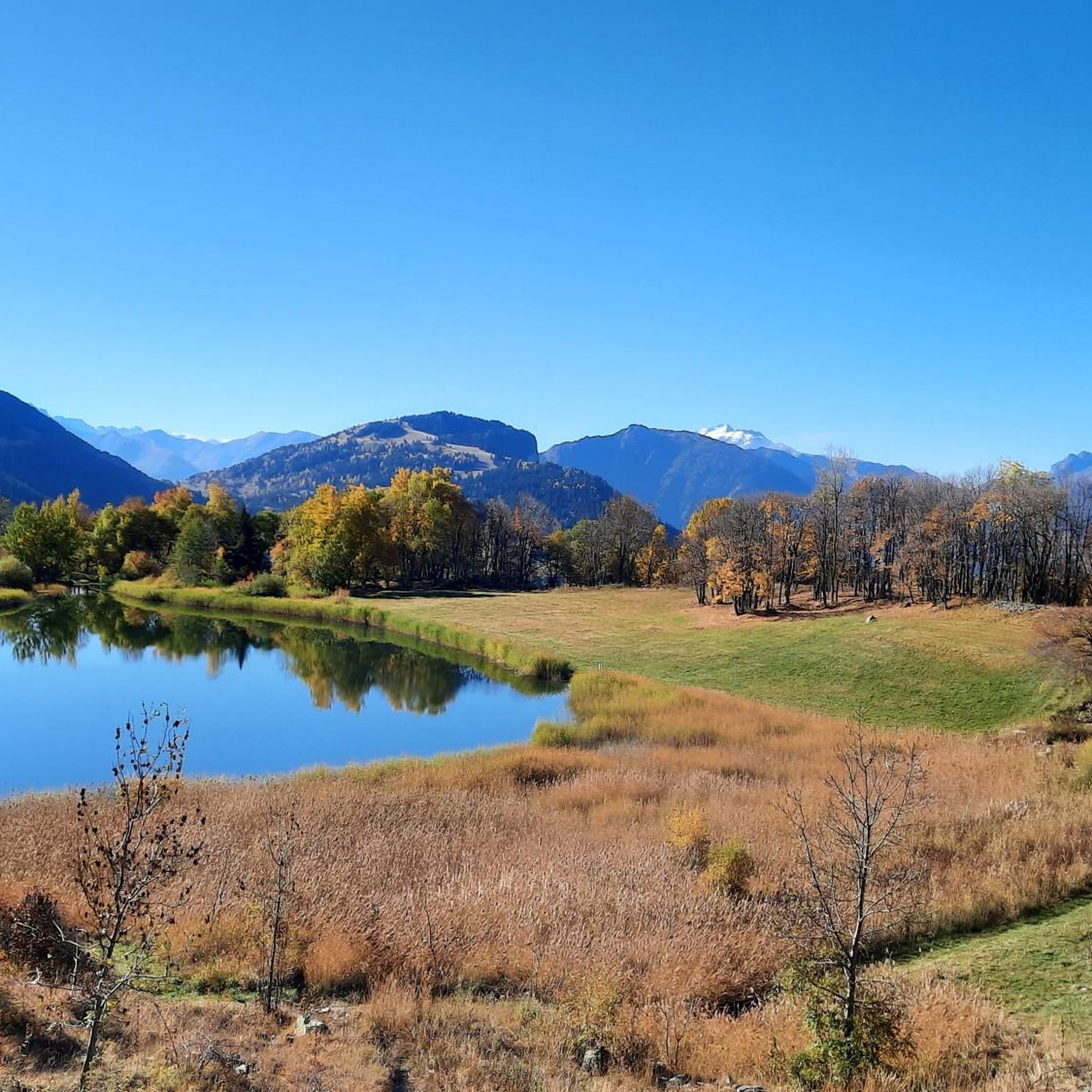
While the passes themselves can be challenging, the Espace Nordique du Grand Coin, accessible from Montaimont and the Col du Chaussy, is a family-friendly area. In winter, it offers extensive cross-country ski and snowshoe trails, biathlon, and sledding. In summer, it's ideal for hiking with stunning panoramas. Additionally, the Lac du Loup, located above Montaimont, is a peaceful spot perfect for leisurely walks, picnics, and trout fishing, with easy hiking loops from the village.
What unique natural features can I explore near Montaimont's mountain passes?
Beyond the passes, you can explore the serene Lac du Loup, a mountain lake rich in trout, perfect for relaxation and enjoying alpine flora and fauna. The Col de la Madeleine is part of the Natura 2000 site of the Lauzière chain, highlighting its ecological importance. The Espace Nordique du Grand Coin offers a preserved natural setting with trails winding through pine forests and connecting authentic hamlets.
What is the best time of year to visit the mountain passes around Montaimont?
The mountain passes are generally best visited from late spring to early autumn (typically May to October) when they are free of snow and open to traffic. This period offers ideal conditions for cycling, driving, and hiking. In winter, many passes, like the Col de la Madeleine, are closed but areas like the Espace Nordique du Grand Coin transform into winter sports hubs for cross-country skiing and snowshoeing.
Where can I find hiking trails near these mountain passes?
There are numerous hiking opportunities around Montaimont. For easy walks, consider the loops around Lac du Loup from Montaimont. For more challenging routes, you can explore the Espace Nordique du Grand Coin. You can find detailed hiking routes and guides, including options like 'Lac du Loup – Le Loup loop from Montaimont' or 'Mollard des Boeufs – Valbuche Peak loop from Montaimont', on the Hiking around Montaimont guide.
Are there specific routes for mountain biking near Montaimont's passes?
Yes, Montaimont is a great base for mountain biking. You can find routes such as 'Madeleine Pass loop from Saint-Avre - La Chambre' or 'The Starlight Trail – Flow Trail loop from Saint-François-Longchamp 1650'. For a comprehensive list of trails and their difficulties, refer to the MTB Trails around Montaimont guide.
What makes the Lacets de Montvernier so notable?
The Lacets de Montvernier, part of the approach to the Col du Chaussy, is renowned for its unique and thrilling experience. It features 17 tight hairpin bends over approximately 3 kilometers, making it a demanding yet visually striking section for both cyclists and drivers. It's considered one of the most challenging and spectacular road sections in the Alps.
Are there any cafes or restaurants at the summits of these passes?
Yes, at the summit of the Col de la Madeleine, there is a nice café where visitors can rest and enjoy refreshments. There is also a small restaurant at the top of the Ascent of Col de la Madeleine from La Chambre, offering a beautiful location to take in the views.
What is the Espace Nordique du Grand Coin and what activities does it offer?
The Espace Nordique du Grand Coin is a high-altitude area situated between Montaimont and Montpascal, with a reception center at the Col du Chaussy. It's a certified 'Nordique France' site, offering extensive cross-country ski and snowshoe trails in winter, along with biathlon and sledding. In summer, it transforms into a beautiful area for hiking with panoramic views. It's known for its peaceful, preserved natural setting and opportunities to discover authentic hamlets. You can find more information at tourisme-la-chambre.com.
Can I find mountain hiking (mountaineering) routes near Montaimont?
Yes, for those interested in more challenging mountain hikes, there are routes available. Examples include 'White Lake – Blue Lake loop from Saint-François-Longchamp 1650' or 'Col du Galot – View of the Valley loop from Parking Cheval Blanc'. You can explore these and other mountaineering routes in the Mountain Hikes around Montaimont guide.
What makes the Col du Glandon a significant pass in the region?
The Col du Glandon is another major Alpine pass that has been crossed multiple times during the Tour de France. Its ascent from Saint-Étienne-de-Cuines is particularly notable for its two distinct parts: an easier initial section up to Saint-Colomban-des-Villards, followed by a much more sustained and scenic climb into a pure high-mountain landscape, offering a beautiful and challenging experience.
Most popular routes around Montaimont
Most popular attractions around Montaimont

Get inspired with the komoot mobile app


Explore more
See even more epic mountain passes by checking out these guides around Montaimont:
