The best road cycling routes around Les Gonds
4.3
(59)
2,171
riders
431
rides
Road cycling routes around Les Gonds are characterized by the region's distinctive marshlands and verdant countryside, offering a serene cycling experience. The area is traversed by the Flow Vélo, a major cycling route that connects to historical towns like Saintes. Cyclists can explore routes along the Charente River and through the wider Saintonge area, which features diverse landscapes. The terrain is generally flat to gently rolling, with no significant hills, making it accessible for various fitness levels.
Best road cycling…
Last updated: July 1, 2026
10
riders
Moderate road ride. Good fitness required. Mostly well-paved surfaces and easy to ride.
14
riders
35.2km
01:28
220m
220m
Easy road ride. Great for any fitness level. Mostly well-paved surfaces and easy to ride.

Sign up for free
5.0
(1)
9
riders
48.4km
01:57
210m
210m
Easy road ride. Great for any fitness level. Mostly well-paved surfaces and easy to ride.
8
riders
42.9km
01:48
210m
210m
Easy road ride. Great for any fitness level. Mostly well-paved surfaces and easy to ride.
10
riders
Moderate road ride. Good fitness required. Mostly well-paved surfaces and easy to ride.
Get access to more routes and recommendations from other explorers.
Sign up for free
Already have an account?
Our route recommendations are based on thousands of hikes, rides, and runs completed by other people on komoot.
Start today with a free account
Your next adventure awaits.
Login or Signup


Tips from the Community

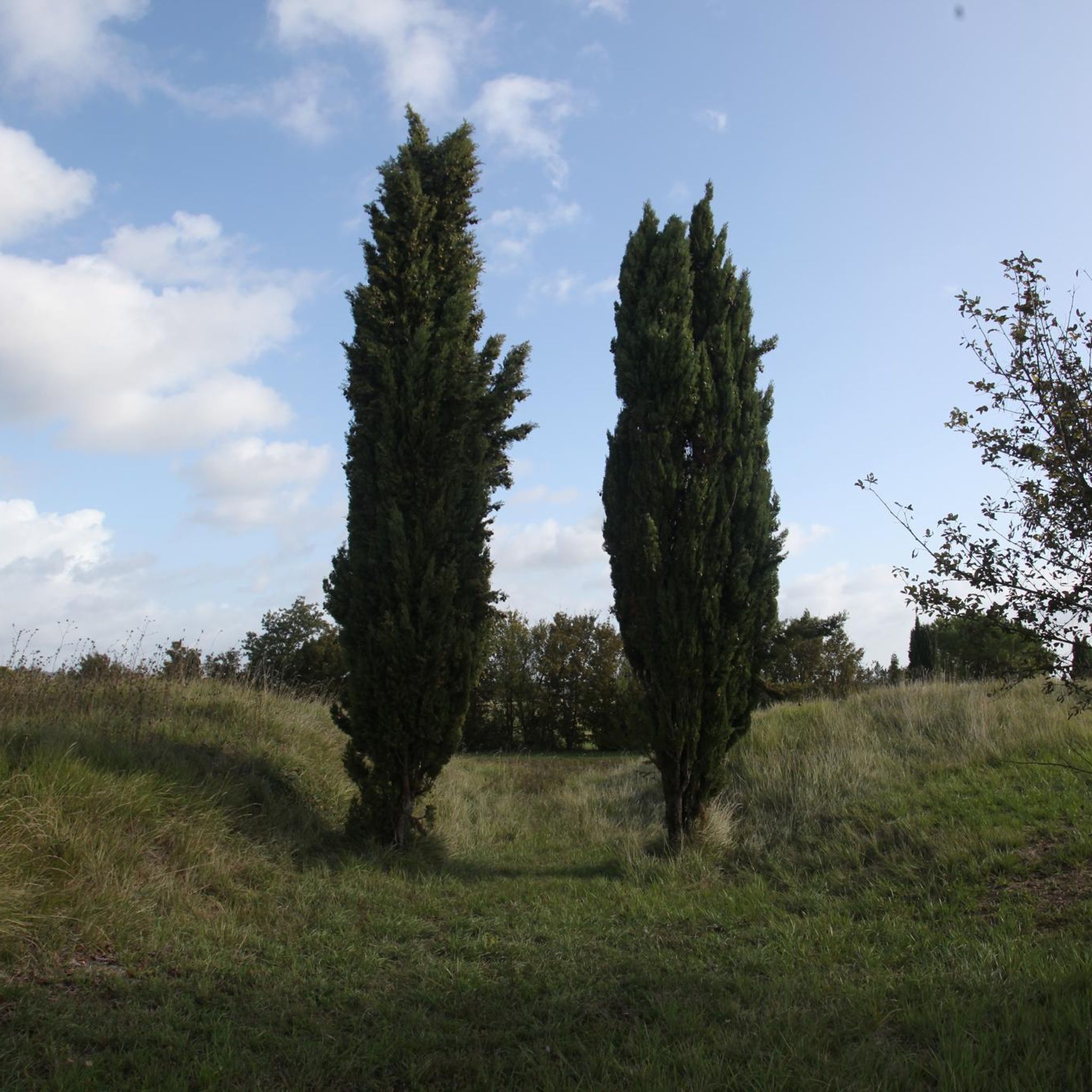
Courcoury is a natural island surrounded by the Charente and Seugne rivers, giving it a unique landscape setting between marshes and waterways, conducive to biodiversity and outdoor activities. It is also the only village in Charente-Maritime to have been awarded 4 stars by the "Villes et villages étoilés" label, recognizing its efforts to reduce light pollution through intelligent and environmentally friendly public lighting.
1
0

A beautiful church with beautiful houses hidden in an ancient but romantic village, it's worth a stop. The Saint-Étienne church in Brives-sur-Charente is recent. It was consecrated in 1868 and reflects the 14th-century Gothic style. It replaced an older church, of which only a baptismal font, listed as a historic object in 1922, and a capital remain. This font, square and made of a single block of siliceous limestone, is a rare specimen of 12th-century sculpture and symbolism. Certain characteristic features, such as the draperies, allow it to be dated to the 1150s. On three sides, we discover the Annunciation made to Mary, then on the main face of the font, Christ officiating in heaven, and finally Christ descending into hell, savior of souls.
0
0

The Abbaye-aux-Dames is built around the church of Sainte-Marie, built in the twelfth century. Famous for its facade and its characteristic "pinecone" bell tower, it is one of the emblematic monuments of Saintonge's Romanesque art. After several wars and fires, the place was restored in the 1970s and 1980s and is now a hotel. When you walk through the long corridors you feel like you have been transported back to the time when the abbey was still alive.
4
0
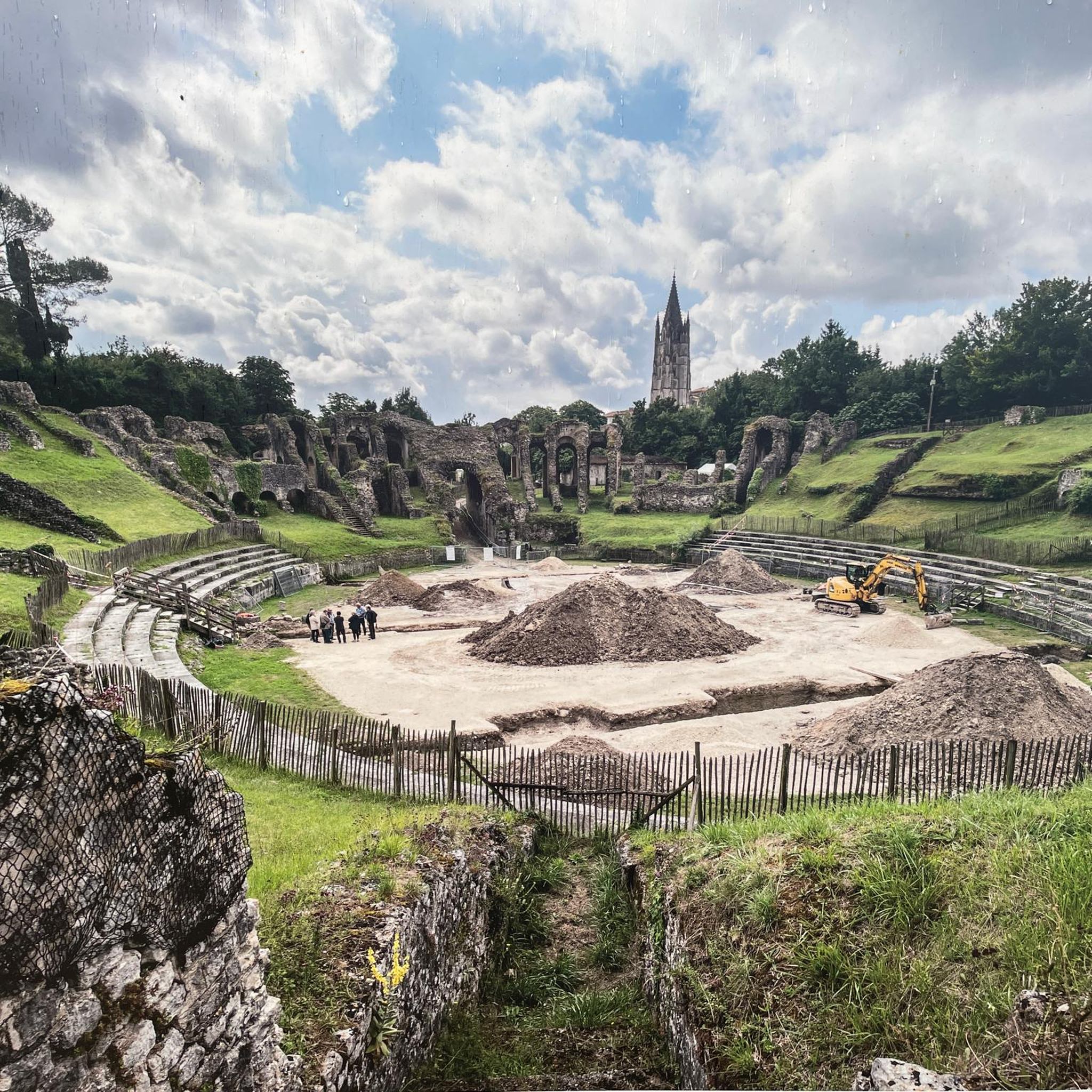
Like many amphitheaters in the Roman Empire, that of Saintes was built on the outskirts of the city in a place now called "Vallon des Arènes" (Little Valley of the Amphitheater). The LTS builders took advantage of the local topography to build part of the amphitheater. Today, despite the disappearance of its superstructure, the remains give a very good idea of what this amphitheater looked like in its heyday. The site is now open to visitors all year round.
6
0

This building has three distinctive phases which illustrate the medieval transformations. From a first Romanesque construction there remains a section of wall with a small blocked bay and vestiges of the cornice with cornices on the first bay to the north of the nave as well as an arch and two bases of leaning columns on the facade. The beginning of the Gothic is visible to the north and east. On the north side, a very beautiful twin bay, with narrow lancets, still has semicircular arches inherited from the Roman Its foliage decoration evokes the beginning of the 18th century. The apse bay, in third point, already has tracery and testifies to a later phase. In the attic, traces of arches on the walls prove that the 13th century vaults were higher than those of today. In the 15th century, the building was taken over, retaining only these few sections of walls. The new construction, more homogeneous, appears as a rectangle supported, on each corner and on the long sides, by powerful buttresses. It is covered with ribbed vaults with prismatic ribs and emblazoned keys. The facade opens with a flamboyant Gothic portal, with an archivolt with hooks and fleurons, and its gable is crowned by a small quadrangular bell tower. Pointed arch bays, with flamboyant tracery. The north wall is representative of the three stages of construction of the building: the west bay is partly Romanesque, the east bay dates from the 13th century and the middle from the 15th century, while to the south the wall is consolidated by powerful buttresses. At the very end of the 15th century or the beginning of the 16th century, they wanted to open a side chapel on the first bay which was never continued, as the waiting stones show. On the reverse side of the facade, the bell tower required the construction of powerful massifs between which is placed a gallery covered with a long vault pierced by a large oculus. In Saintonge where Romanesque churches are the majority, this church is one of the rare examples of accomplished Gothic construction.
0
0

A former Benedictine abbey created in 1047, Abbaye-aux-Dames was the first women's monastery in Saintonge. These powerful women were nuns, that is to say, nuns living cloistered and having taken a vow of piety, occupying their lives in contemplation. They carried the crosier, in other words the pastoral staff of a bishop, and minted coins. Richly endowed, the abbey carried its influence well beyond the borders of the county and over time it became one of the most powerful women's monasteries in all of South-West France. With up to a hundred nuns at its peak, it was entrusted with the mission of instructing young girls, often from the French nobility, and counted among its most illustrious residents the future Marquise de Montespan, favorite of Louis XIV. The Abbaye-aux-Dames is structured around the Sainte-Marie church, built in the 12th century, famous for its facade and its characteristic “pine cone” bell tower. The premises were restored during the 1970s and 1980s and now house a Cité de la musique in which the Saintes Festival dedicated to classical music takes place each year. You can also stay in a wing of the building, the cells having been converted into hotel rooms, and leave your bike in a secure room.
0
0
The Santons people occupied Saintonge during the Gallic era. The Romans conquered the region and settled on the banks of the Charente. The town of Saintes (then designated Mediolanum), located at the western end of the Via Agrippa which linked Lyon (capital of the Three Gauls) to the Atlantic coast, quickly became monumental. At the time of Augustus (27 BC – 14 AD), the city probably became the capital of the province of Greater Aquitaine (Aquitania). This then extended from the Loire to the Pyrenees. Mediolanum is endowed with important public monuments: the amphitheater, the arch of Germanicus, the thermal baths and the aqueduct are still partially visible today. At the time of its peak (end of the 1st century – beginning of the 2nd century), the city must have had several thousand inhabitants. The amphitheater of Mediolanum is one of the earliest in Gaul. It is estimated that its construction began during the reign of Tiberius (14 – 37 AD), and was completed during the reign of Claudius (41 – 54 AD). Like many amphitheaters of the Roman Empire, that of Saintes was located on the outskirts of the ancient city in a chosen and developed site: the “vallon des Arènes”. Thanks to a favorable topography, the builders were relieved of part of their work, the amphitheater resting on the slope of the valley. This elliptical monument, with imposing dimensions (126 meters long and 102 meters wide), made it possible to accommodate several thousand spectators around bloody and violent representations such as gladiator fights (munera) or animal hunts (venationes ). In the 3rd century, the city declined and was entrenched within an impressive rampart, built from the remains of public and funerary monuments from previous decades. The amphitheater is then no longer used. Since the Middle Ages, it has been used, among other things, as a stone quarry. It was classified as a Historic Monument in 1840. It was from this moment that it was gradually restored. Today, despite the disappearance of the superstructures, the remains provide a faithful image of what this monument could have been at the time of its splendor. The site welcomes visitors all year round. Certain objects found during various excavations in the amphitheater district are visible at the archaeological museum.
1
0

Built in the 11th and 12th centuries, this church, listed as a historic monument in 1912, is a spectacular work of art. Well worth the drive past when crossing town!
0
0
Frequently Asked Questions
What is the general terrain like for road cycling in Les Gonds?
The terrain around Les Gonds is generally flat to gently rolling, with no significant hills. This makes it accessible for various fitness levels and ideal for a serene cycling experience, especially through the distinctive marshlands and verdant countryside.
How many road cycling routes are available in Les Gonds, and what are their difficulty levels?
There are over 420 road cycling routes around Les Gonds. The majority, about 317, are considered moderate, while 101 are easy, and 9 are more difficult, catering to a wide range of abilities.
What natural features can I expect to see while road cycling in Les Gonds?
Road cycling routes in Les Gonds often traverse the unique Marais des Gonds (Marshlands of Les Gonds) and follow the scenic Charente River. You might also encounter the tranquil Château de La Dixmerie and the picturesque verdant countryside of the wider Saintonge area.
Are there any historical towns or landmarks accessible by road bike from Les Gonds?
Yes, many routes lead towards Saintes, a 'City of Art and History'. You can cycle to explore sites like the Abbaye aux Dames de Saintes and the Saint-Pierre Cathedral. The Abbaye aux Dames de Saintes – Historic Centre of Saintes loop from Le Grand Coudret is an easy route that connects to the historical center of Saintes.
What is the best season for road biking in Les Gonds?
The region generally offers pleasant cycling conditions throughout much of the year due to its mild climate. Spring and autumn are particularly ideal, with comfortable temperatures and lush scenery. Summers are also popular, though it can get warmer.
Are there easy road cycling routes suitable for beginners or families in Les Gonds?
Absolutely. Les Gonds offers over 100 easy road cycling routes, perfect for beginners or families. The generally flat terrain and well-maintained paths, including sections of the Flow Vélo, make for a relaxed and enjoyable experience. An example is the Saint-Pierre Church of Gémozac – La Salle Castle loop from Les Gonds, an easy 48 km path exploring the countryside.
What do other road cyclists enjoy most about road cycling in Les Gonds?
The area is highly rated by the komoot community, with an average score of 4.4 stars from over 60 reviews. Reviewers often praise the serene marshland landscapes, the picturesque countryside, and the accessibility of historical towns like Saintes via well-maintained routes.
Are there loop road cycling routes available around Les Gonds?
Yes, many road cycling routes around Les Gonds are designed as loops, allowing you to start and finish in the same location. For example, the Cathedral of Saintes – Ancient Washhouse loop from Les Gonds is a popular moderate loop that takes you through scenic roads towards Saintes.
Can I explore the Marais des Gonds marshlands by bike?
Yes, the Flow Vélo cycling route traverses the Marais des Gonds, offering a unique opportunity to cycle through these distinctive natural marshlands. There's also a 'Terra Aventura' geocaching trail in the marshes that reveals local heritage, flora, and fauna. For more information on the geocaching trail, you can visit saintes-tourisme.fr.
Are there any routes that offer views of the Charente River?
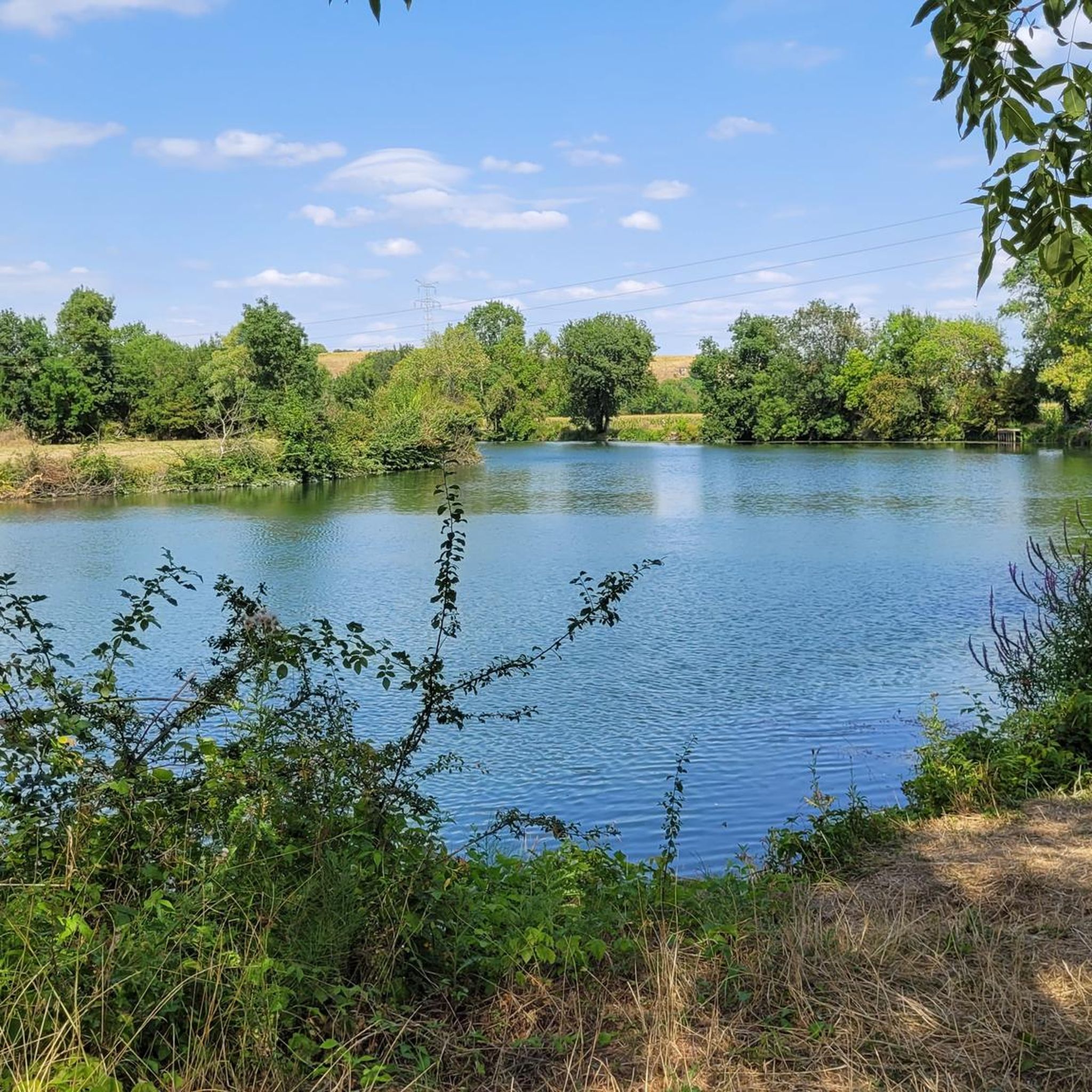
Many routes in the area run alongside or offer views of the Charente River. The View of the Charente River – Le Moulin de la Baine loop from Saintes is an easy route specifically designed to showcase the river's beauty.
Is it possible to cycle to Saintes from Les Gonds?
Yes, Les Gonds is well-connected to Saintes by road cycling routes. Many local routes, including the Abbaye aux Dames de Saintes – Cathedral of Saintes loop from Les Gonds, lead directly to Saintes, allowing you to explore its historical sites.
Most popular attractions around Les Gonds

Get inspired with the komoot mobile app


Explore more
Browse the best Road cycling routes in other regions.
