Attractions and Places To See around Saint-Sulpice - Top 12
Best attractions and places to see around Saint-Sulpice are primarily located in the Bresse region of the Ain department in France. This area features a landscape characterized by rivers like the Reyssouze and Sane-Vive, offering a mix of historical sites and natural monuments. Visitors can explore a variety of cultural and natural points of interest, reflecting the region's heritage. The attractions provide opportunities for discovering local history and enjoying the rural environment.
Best attractions and places to see around Saint-Sulpice
…Last updated: October 16, 2026
Bresse Vallons
Highlight • Other
Translated by Google •
Tip by

Lake Montrevel-en-Bresse
Highlight • Lake
Showing Translation
Tip by

Sign up now to discover places like this
Get recommendations on the best single tracks, peaks, & plenty of other exciting outdoor places.
Moulin de Veyriat
Highlight • Monument
Translated by Google •
Tip by

Château de Loriol
Highlight • Castle
Translated by Google •
Tip by

Manoir de la Charme
Highlight • Historical Site
Translated by Google •
Tip by
Sign up for free to discover even more attractions around Saint-Sulpice.
Already have an account?
Start today with a free account
Your next adventure awaits.




Tips from the Community

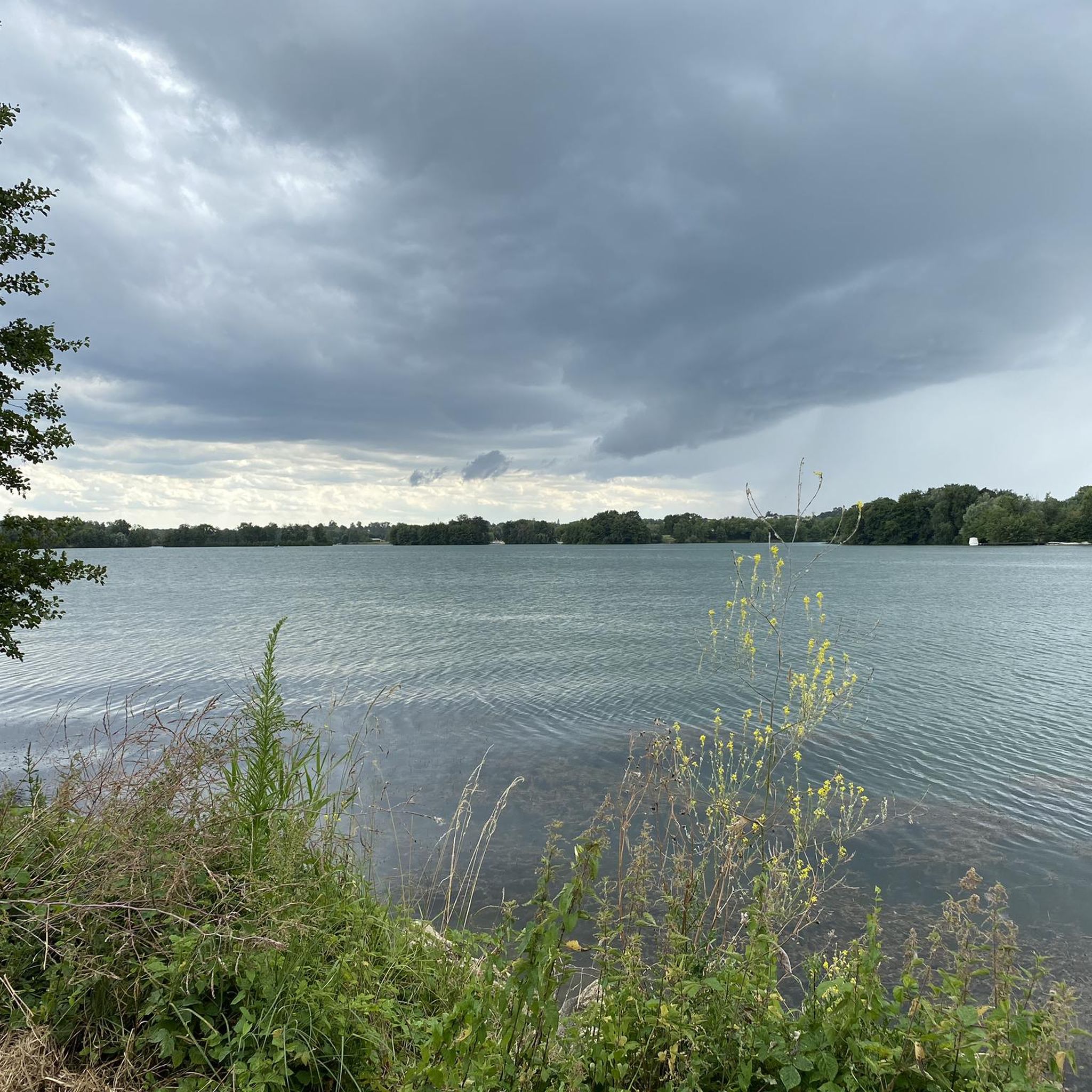
The lake of Montrevel-en-Bresse hosts numerous activities and infrastructures on its shore, such as the leisure center La Plaine Tonique, its campsite and its aquatic area, a must-see in the Ain region.
1
0

The La Charme manor house in Montrevel-en-Bresse is a beautiful two-story, half-timbered building, which dendrochronology tells us dates precisely to 1497. A representative example of an entire family of earth and wood buildings threatened with extinction simply due to their fragility and little known due to their dispersal, it undoubtedly constitutes, along with the Saracen chimney farms, the most original settlement in Bresse, and as such is an integral part of the irreplaceable national heritage.
0
0
The La Charme manor in Montrevel-en-Bresse is a beautiful two-story building, built in half-timbered wood, which dendrochronology tells us dates precisely from 1497. A representative example of a whole family of earth and wood buildings threatened with disappearance simply by their fragility and little known because of their dispersion, it undoubtedly constitutes, with the farms with Saracen chimneys, the most original habitat of Bresse, and as such is an integral part of the irreplaceable national heritage.
0
0
Mill linked to the old Chartreuse de Montmerle. It is located on a diversion canal for the waters of the Reyssouze, regulated by a dam or weir. It produced flour for bread as well as for livestock. Ceased its activity in 1970.
0
0

The municipality of Lescheroux is located in Bresse on the Reyssouze and at the source of the Sane-Vive, 28 kilometers northeast of Mâcon. It borders Saint-Nizier-le-Bouchoux to the north, Cormoz to the northeast, Foissiat to the southeast, Jayat to the southwest, Saint-Julien-sur-Reyssouze to the west and Mantenay-Montlin to the northwest. https://de.wikipedia.org/wiki/Lescheroux
0
0

There is a beautiful view of Lake Montrevel-en-Bresse
1
1

Castle built in brick, the oldest part of which is the keep (14th century). Logis renovated in the 19th century in a neo-Gothic style. Stayed in the same family for 21 generations (approx. 700 years)! First seigneury of Asnières then county of Loriol in 1743
0
0
Frequently Asked Questions
What historical sites can I explore around Saint-Sulpice?
The region offers several historical sites. You can visit Château de Loriol, a castle with a 14th-century keep that has remained in the same family for over 700 years. Another significant site is Saint-André church, one of the oldest Romanesque churches in Ain, built starting in 1075. The Moulin de Veyriat, an old mill linked to the Chartreuse de Montmerle, also offers a glimpse into the area's past.
Are there any notable natural attractions in the Saint-Sulpice area?
Yes, the landscape is characterized by rivers like the Reyssouze and Sane-Vive. You can find natural monuments such as the Catalpa tree at Château de Salvert, which is officially listed among the remarkable trees of Ain. The Moulin de Veyriat is situated on a diversion canal of the Reyssouze river, offering a bucolic view.
What kind of outdoor activities can I do near Saint-Sulpice?
The Saint-Sulpice area is great for various outdoor activities, especially cycling and running. You can find numerous routes for road cycling, general cycling, and jogging. For detailed routes and guides, explore the Road Cycling Routes around Saint-Sulpice, Cycling around Saint-Sulpice, and Running Trails around Saint-Sulpice guides.
Are there specific cycling routes recommended around Saint-Sulpice?
Yes, there are several cycling routes. For road cycling, you might enjoy the 'Rippe du Loup – Château de Mareste loop from Dommartin' or the 'Château de Loriol – Montépin Castle loop from Curtafond'. For touring bicycles, consider the 'CHARTREUSE DE MONTMERLE – Pontremble Pond loop from Montrevel-en-Bresse' or the 'Lac Buisson – Lac de Corcelles loop from Montrevel-en-Bresse'. More options are available in the dedicated cycling guides.
Can I find running trails in the Saint-Sulpice region?
Absolutely. The area offers several running loops suitable for various fitness levels. You can find moderate running loops starting from Marsonnas, Bâgé-Dommartin, Dommartin, Saint-Didier-d'Aussiat, and even Saint-Sulpice itself. For more details and route maps, check out the Running Trails around Saint-Sulpice guide.
Are there family-friendly attractions in Saint-Sulpice?
Yes, several attractions are considered family-friendly. The Moulin de Veyriat offers a pleasant, bucolic setting for a break. The Catalpa tree at Château de Salvert is also noted as family-friendly, providing an interesting natural monument to explore.
What is the significance of Moulin de Veyriat?
The Moulin de Veyriat is a historical mill linked to the old Chartreuse de Montmerle. It is located on a diversion canal of the Reyssouze river and once produced flour. It ceased its activity in 1970 but remains a site with a nice bucolic view, appreciated by visitors for a peaceful break.
What makes Château de Loriol unique?
The Château de Loriol is notable for its 14th-century keep, which is the oldest part of the brick-built castle. What truly makes it unique is that it has remained in the same family for over 700 years, spanning 21 generations, with its logis renovated in a neo-Gothic style during the 19th century.
Tell me more about Saint-André church.
The Saint-André church is one of the oldest churches in the Ain department, built in the Romanesque style starting in 1075. It has a rich history, including a local legend about how it was saved from destruction during the revolution.
Is there anything special about the Catalpa tree at Château de Salvert?
Yes, the Catalpa tree at Château de Salvert is officially recognized and included in the list of remarkable trees of Ain. It boasts a twisted architecture and impressive dimensions, with a circumference of 4.20 meters. Its presence reflects the 19th-century fashion for English-style gardens and colonial exoticism.
What do visitors enjoy the most about the attractions around Saint-Sulpice?
Visitors appreciate the mix of historical sites, man-made monuments, and religious buildings. The bucolic views at places like Moulin de Veyriat are often highlighted. The komoot community has shown its appreciation with 10 upvotes and 12 photos shared, indicating a positive experience exploring the region's heritage and rural environment.
What is the best time to visit Saint-Sulpice for sightseeing?
While specific seasonal tips are not provided, the region's attractions, which include historical sites and natural monuments, can generally be enjoyed throughout the warmer months, from spring to early autumn, when the weather is pleasant for exploring and outdoor activities.
Most popular routes around Saint-Sulpice

Get inspired with the komoot mobile app


Explore more
Still not found the Highlight you’re looking for? See guides of the top attractions in other regions:
