Attractions and Places To See around Villy-En-Auxois - Top 16
Best attractions and places to see around Villy-En-Auxois, a village in the Côte-d'Or department of France, offers a mix of historical landmarks and natural features. The area is situated in the Auxois region and is traversed by the Ozerain river. Visitors can explore ancient Roman road remnants, 12th-century churches, and 18th-century castles. The surrounding forests provide opportunities for walking and cycling.
Best attractions and places to see around Villy-En-Auxois
- The most popular attractions is Source of the Seine, a…
Last updated: May 4, 2026
Source of the Seine
Highlight • River
Translated by Google •
Tip by

Pont Paul Lamarche
Highlight • Bridge
The bridge initially had no name until in 2002 it was given the name "Pont …
Translated by Google •
Tip by

Sign up now to discover places like this
Get recommendations on the best single tracks, peaks, & plenty of other exciting outdoor places.
Sign up for free
Château de Blaisy-Haut
Highlight • Castle
Translated by Google •
Tip by

Historic dam
Highlight • Other
Translated by Google •
Tip by

Falaise de Saffres
Highlight • Climb
Translated by Google •
Tip by
Sign up for free to discover even more attractions around Villy-En-Auxois.
Sign up for free
Already have an account?
Start today with a free account
Your next adventure awaits.
Login or Signup


Tips from the Community

A bucolic, clean, well-maintained, and shaded spot, with tables and trash cans for picnicking. It's officially a Paris commune, but it looks nothing like Paris.
0
0

There's a signposted and very beautiful circular trail that includes the source of the Seine. Learn more on the official website here: https://www.cotedor-randonnee.com/
1
0

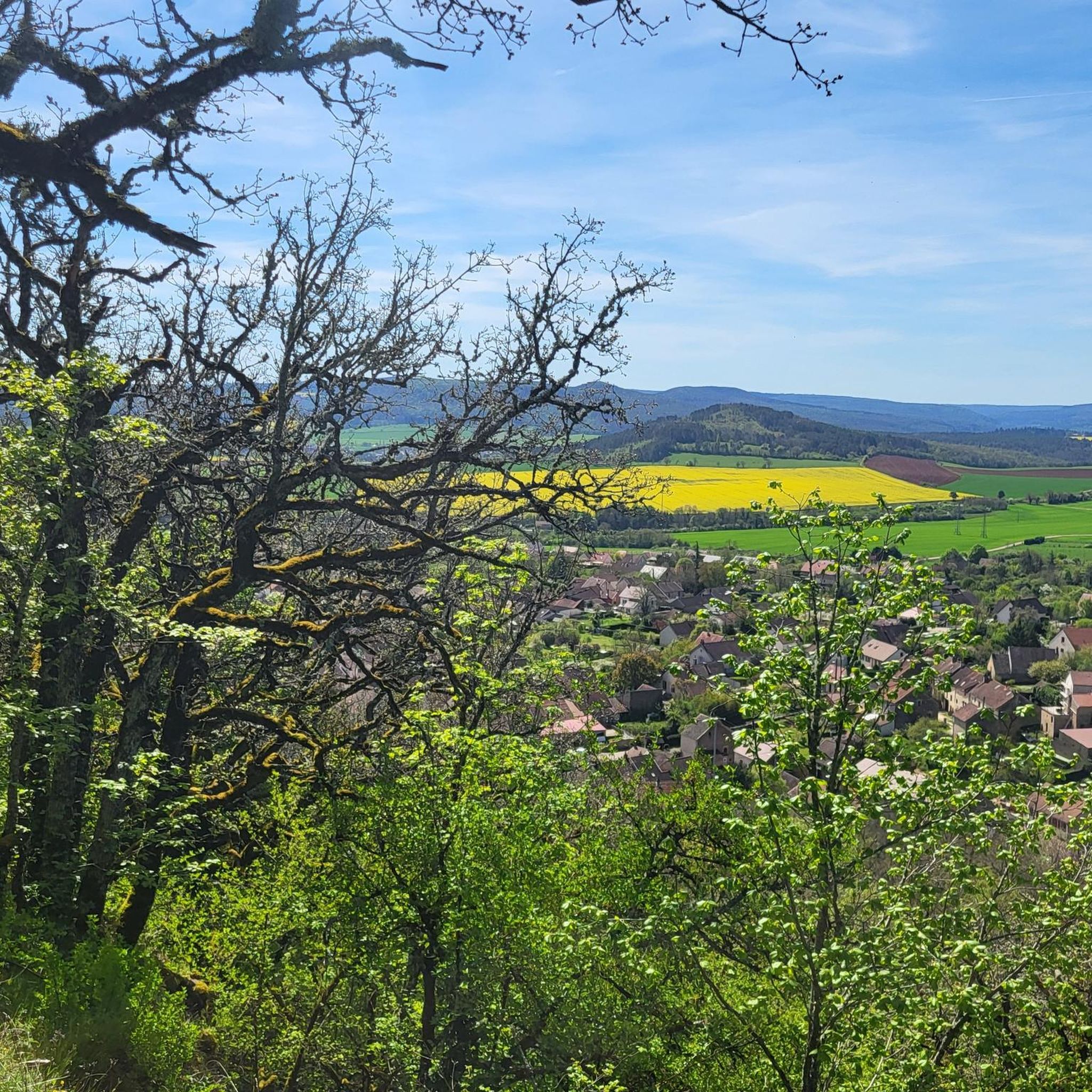
Great view over the surrounding landscape and many smaller and larger caves to explore at the base of the cliff.
3
0

Wikipedia reports: "The source of the Seine is located on the plateau of Langres, 25 km north-west of Dijon in the Côte-d'Or department in the Bourgogne-Franche-Comté region, 470 m above sea level. A special feature is that the sources of the Seine were the property of the city of Paris from 1864 onwards. An artificial grotto was built a year later to protect the main source and a statue of a nymph was erected to symbolize the river. Paris has since returned the property to the region. Near the source are the remains of a Gallo-Roman temple in which a Dea Sequana (Latin goddess of the Seine) was worshipped. The archaeological finds from this are now in the archaeological department of the Musée des Beaux-Arts in Dijon."
2
1

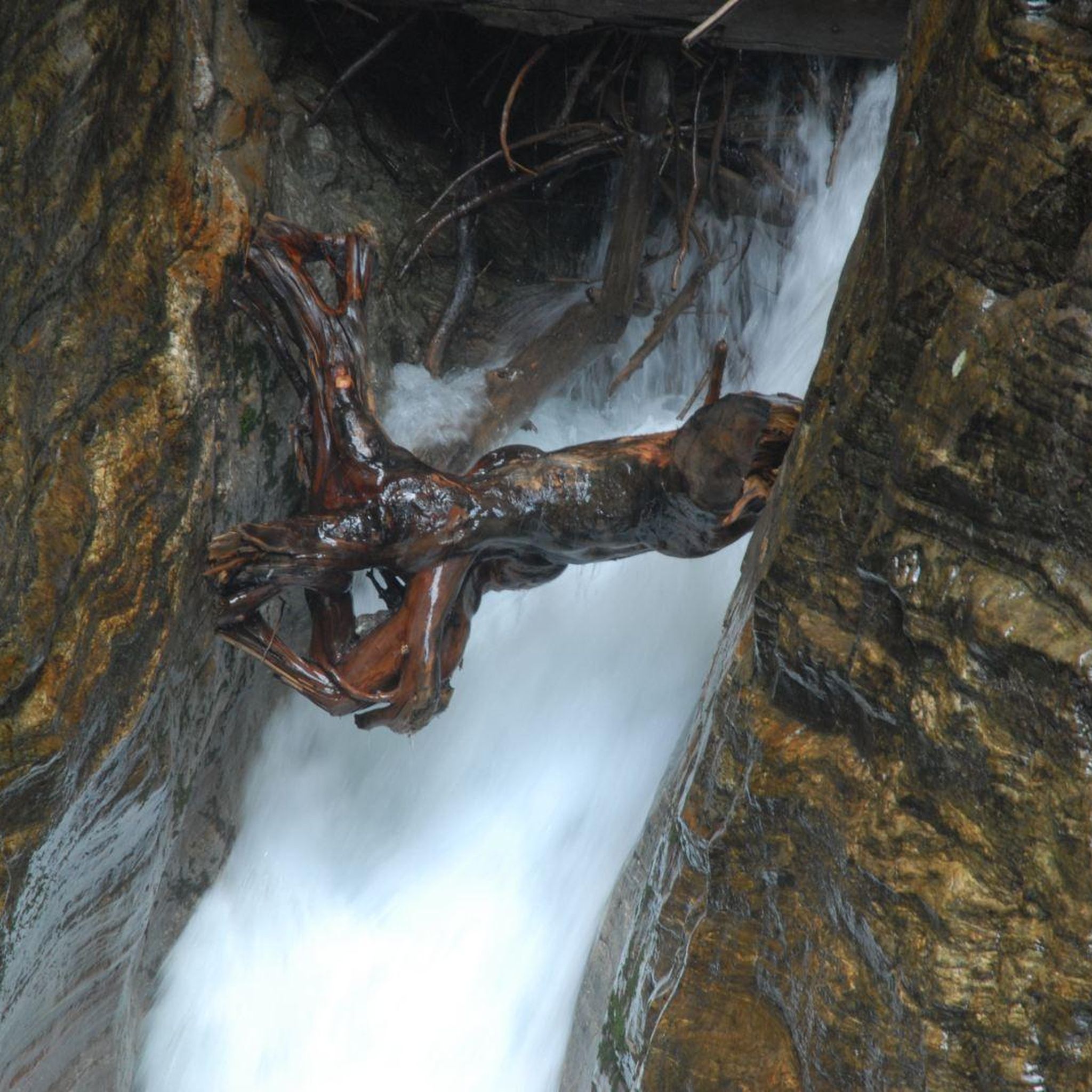
This reservoir supplies the Burgundy Canal. Its construction was completed in 1838. The site is classified in the National Inventory of Natural Heritage as a type 1 natural zone of ecological, fauna and flora interest.
0
0

The Seine is a river 777 km long and flows into the English Channel.
4
0

If you read the history of this castle, you will see that it was destroyed and rebuilt more often than not. This phoenix of flames is a real castle of interest. It looks great and you won't be disappointed if you stop there on your hike.
4
0

Here we find a clearing with a cave and a sculpture around the source of the Seine. The large lawn near the grotto is ideal for playing Frisbee or having a picnic. Wooden tables are also available.
0
0
Frequently Asked Questions
What historical sites can I explore in and around Villy-en-Auxois?
Villy-en-Auxois is rich in history. You can discover an 18th-century castle, a 12th-century Romanesque church with a beautiful stained glass window, and the recently restored Chapelle Sainte-Barbe. Traces of the ancient Roman road Alesia are also visible, along with 15th-century cross paths. Further afield, consider visiting the Château de Blaisy-Haut, which has a fascinating history of destruction and rebuilding.
Are there any natural attractions or viewpoints near Villy-en-Auxois?
Yes, the village is nestled in the valley of the meandering Ozerain River. You can visit the Source of the Seine, a serene spot with a grotto, sculpture, and meadows perfect for picnics. For impressive views, head to the Site of the Virgin overlooking the village and valley, or explore the Falaise de Saffres, which offers magnificent panoramic vistas and caves.
What kind of outdoor activities can I do around Villy-en-Auxois?
The region offers diverse outdoor activities. You can enjoy hiking on trails like the 'Tour of the Saffres Rocks' or the 'Falaise de Saffres loop from Saffres'. For road cycling, routes such as the 'Flavigny Village – Flavigny-sur-Ozerain loop' are popular. Mountain biking enthusiasts can explore trails like 'Le Haut des Lavières – Source of the Seine loop'. Find more details on these and other routes in the hiking, road cycling, and MTB guides for the area.
Are there family-friendly attractions in the Villy-en-Auxois area?
Absolutely. The Source of the Seine is ideal for families, offering spacious meadows for playing or picnicking. The Pont Paul Lamarche, near the Seine's source, is also family-friendly. Additionally, the forests around Villy-en-Auxois feature a 'Green Escapes' course suitable for walking and cycling with children. Parc de l'Auxois, about 10.5 km away, also provides recreational opportunities for families.
What unique historical remnants can be found in Villy-en-Auxois?
Beyond the main landmarks, Villy-en-Auxois holds several unique historical remnants. You can see an old wash house on Dovecote Street, discover the remains of a chapel from a former leper village east of the village, and explore the Prehistoric Camp of Chantoillon, less than 2 km south, featuring an imposing dry-stone wall. Sculpted milestones, known as Bornes Milliaires, also mark ancient Roman road intersections.
What is the significance of the Historic Dam near Villy-en-Auxois?
The Historic dam is a significant reservoir that supplies the Burgundy Canal. Completed in 1838, this site is classified in the National Inventory of Natural Heritage, recognizing its ecological, faunal, and floral interest. It's a great spot to appreciate historical engineering and natural beauty.
What are some notable medieval villages or towns to visit near Villy-en-Auxois?
The Auxois region boasts several charming medieval settlements. Flavigny-sur-Ozerain, considered one of France's most beautiful villages, is famous for its anise candies and historic abbey. Semur-en-Auxois is a striking medieval town with ancient homes and impressive ramparts. Châteauneuf-en-Auxois, another 'Most Beautiful Villages of France' member, features a picturesque castle overlooking the valley.
Can I find traces of Roman history in the Villy-en-Auxois area?
Yes, the region has strong ties to Roman history. You can find remnants of the ancient Roman road that once connected Talant and Alesia directly in Villy-en-Auxois. Further afield, the remains of the Gallo-Roman town of Alesia and the MuséoParc Alésia, about 16.6 km away, offer a deep dive into the famous battle between Caesar and Vercingetorix. A statue of Vercingetorix is also located in Alise-Sainte-Reine.
What is the best time of year to visit Villy-en-Auxois for outdoor activities?
The best time to visit Villy-en-Auxois for outdoor activities is generally from spring to early autumn (April to October). During these months, the weather is typically mild and pleasant, ideal for hiking, cycling, and exploring the natural and historical sites. The 'Green Escapes' course in the surrounding forests is particularly enjoyable in warmer weather.
Are there any castles or châteaux I can visit in the wider Auxois region?
Beyond the 18th-century castle in Villy-en-Auxois and the Château de Blaisy-Haut, the Auxois region offers other historic castles. The Château of Bussy-Rabutin, known for its connection to a courtier of Louis XIV, is about 17.8 km away. Castle Commarin, another historic edifice, is situated around 18.4 km from Villy-en-Auxois, providing more opportunities to explore the region's rich heritage.
What kind of hiking trails are available near Villy-en-Auxois?
You'll find a variety of hiking trails, from easy loops to more challenging routes. For an easy walk, consider the 'Falaise de Saffres loop from Saffres' (5.1 km) or the 'Rift loop from Hauteroche' (3.5 km). If you're looking for something more difficult, the 'Tour of the Saffres Rocks' spans over 20 km. Many trails offer scenic views and opportunities to explore the natural landscape. More details can be found in the hiking guide.
Most popular routes around Villy-En-Auxois

Get inspired with the komoot mobile app


Explore more
Still not found the Highlight you’re looking for? See guides of the top attractions in other regions:
