The best MTB trails around Moissac
4.1
(18)
139
riders
28
rides
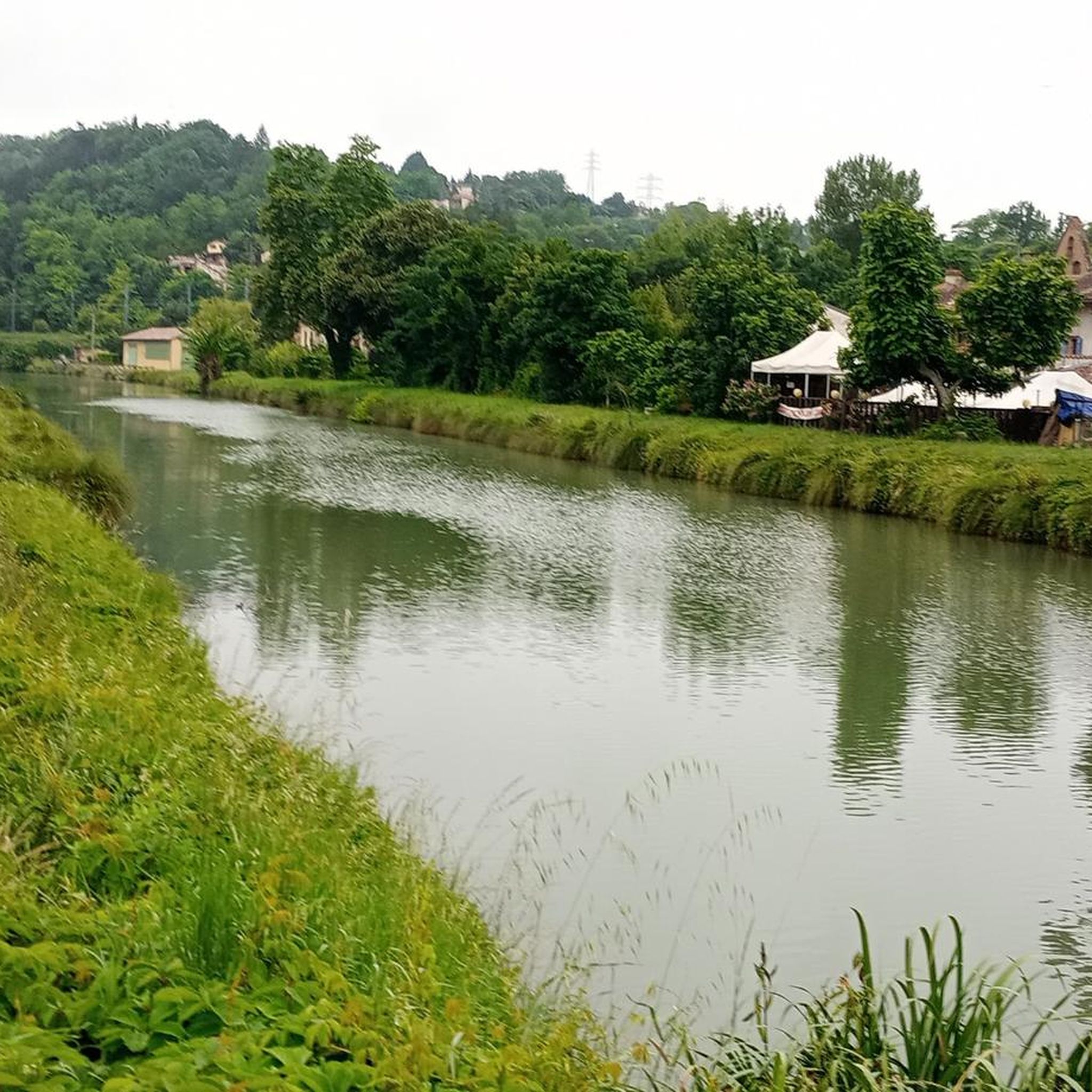
Mountain biking around Moissac offers varied terrain characterized by the confluence of the Tarn and Garonne rivers, alongside the historic Canal des Deux Mers. The region features extensive plains, rolling hillsides covered with vineyards and orchards, and panoramic viewpoints. This landscape provides a mix of flat, shaded towpaths and undulating routes through agricultural areas.
Best mountain bike trails around Moissac
- The most popular mountain bike trail is Le Tarn loop from La Mégère, a 24.6 miles (39.5 km) moderate…
Last updated: October 13, 2026
4.5
(2)
18
riders
39.6km
03:10
580m
580m
Moderate mountain bike ride. Good fitness required. Advanced riding skills necessary.
4.5
(2)
9
riders
Moderate mountain bike ride. Good fitness required. Advanced riding skills necessary.

4.0
(1)
13
riders
38.9km
03:01
480m
480m
Moderate mountain bike ride. Good fitness required. Advanced riding skills necessary.
3.0
(1)
14
riders
Easy mountain bike ride. Great for any fitness level. Suitable for all skill levels.
5.0
(1)
3
riders
25.6km
01:34
240m
240m
Moderate mountain bike ride. Great for any fitness level. Advanced riding skills necessary.
Get access to more routes and recommendations from other explorers.
Already have an account?
Our route recommendations are based on thousands of hikes, rides, and runs completed by other people on komoot.
Start today with a free account
Your next adventure awaits.
Other adventures around Moissac

Tips from the Community

The abbey and its cloister, the historic center, the Art Deco buildings, the Napoleon bridge, the towpath, and the Cacor canal bridge are must-sees. Everything can be easily discovered on foot. Moissac is a major stop on the Camino de Santiago thanks to its exceptional heritage, particularly its abbey, a UNESCO World Heritage site. Its Romanesque cloister and sculpted tympanum make it an emblematic place for pilgrims from all over the world.
0
0
Abbey founded in the mid-7th century. After its affiliation with Cluny in 1047, the abbey was consecrated in 1063. Cloister built at the end of the 11th century (high altar consecrated by Urban II), portal completed between 1115 and 1135, fortifications and cloister arcades in the 13th century. After the troubles of the Hundred Years' War and the looting due to the Wars of Religion, the abbey came under commendatory abbots in the 17th century. After the Revolution, the abbey was bought back as national property and saved by the town hall secretary. The church was returned to worship in 1801 and was restored at the initiative of Viollet-le-Duc in 1847. In 1856, the conventual buildings located on the site of the seminary were destroyed and divided for sale. The repurchase of the plots allowed for the construction of the minor seminary and a chapel between 1860 and 1865. The seminary is built on medieval remains of the abbey, particularly the cistern and the Hall of the Dead, which retains painted decoration from the 14th century.
1
0
On July 29, 1808, Napoleon I arrived in Moissac, crossing the Tarn on a pontoon bridge. Since the Wars of Religion and floods, previous structures had been destroyed, and the perilous crossing was done by ferry. Work began quickly but ceased with the fall of the First Empire (1814). It resumed in 1820, leading to the inauguration of the Marie-Thérèse bridge on December 19, 1824. It was named in honor of the Dauphine, daughter of Louis XVI and Marie Antoinette, who is said to have laid the keystone of the bridge. It finally became the "Pont Napoléon" in 1859, after Napoleon III's visit to Moissac.
0
0

Are you a fan of bridges? No? It doesn't matter, go see it anyway, it's very beautiful.
0
0

Great medieval frescoes and a unique cloister
0
0

Beautiful canal bridge overlooking the River Tarn
2
0
Beautiful abbey. There is also a hostel for pilgrims attached, where you can also find the stamp to put on your credentials.
5
0

Frequently Asked Questions
How many mountain bike trails are available around Moissac?
There are over 30 mountain bike trails available around Moissac, offering a diverse range of experiences for different skill levels.
What kind of terrain can I expect on mountain bike trails in Moissac?
Moissac's mountain bike trails offer a varied landscape. You can expect flat, shaded towpaths along the Canal des Deux Mers, undulating routes through vineyards and orchards, and paths across extensive plains and rolling hillsides. The region is characterized by the confluence of the Tarn and Garonne rivers.
Are there easy mountain bike trails suitable for beginners or families in Moissac?
Yes, Moissac offers 6 easy mountain bike trails. An example is the Cacor Canal Bridge loop from Castelsarrasin, which is 18.7 miles (30.1 km) long and leads through the Canal des Deux Mers area, making it suitable for less experienced riders or families.
Are there any challenging mountain bike routes in the Moissac area?
While most routes are moderate, there is 1 difficult mountain bike trail around Moissac. The region's varied terrain, including rolling hills and river valleys, provides opportunities for more demanding rides with elevation changes.
What are some scenic viewpoints or natural features to look out for on the trails?
The region offers several scenic spots. You can find extensive views over the plains of Tarn and Garonne, and panoramic viewpoints like Le Calvaire offer exceptional vistas of Moissac, the Tarn river, and the Canal des Deux Mers. The Boudou viewpoint provides a stunning panorama of the Tarn and Garonne confluence, with the possibility of seeing the Pyrenees on a clear day. The What to do after the rain – Viewpoint loop from Centre Éducatif Fermé de Borde Basse route specifically highlights these scenic views.
What interesting landmarks or attractions can I see near the mountain bike trails?
You can explore several interesting landmarks. The Cacor Canal Bridge is a notable architectural and natural highlight. The historic Saint Peter's Abbey Church and Cloister in Moissac is a UNESCO-listed site. There's also a typical local dovecote to discover. For those looking for dedicated biking facilities, the Bike Park Castel-Sarrasin is nearby.
Are there mountain bike trails that form a loop in Moissac?
Yes, many mountain bike trails in Moissac are designed as loops. For instance, the Le Tarn loop from La Mégère is a popular 24.6-mile (39.5 km) route that follows the Tarn river, and the Cacor Canal Bridge loop from Moissac offers another circular option.
What do other mountain bikers enjoy most about the trails in Moissac?
The mountain bike trails around Moissac are highly rated by the komoot community, with an average score of 4.2 stars. Reviewers often praise the varied terrain, from peaceful canal-side rides to routes through picturesque vineyards and orchards, and the extensive views over the plains.
Is it possible to rent a bike in Moissac?
Yes, cycle hire is available in Moissac, making it convenient for visitors who wish to explore the area's trails without bringing their own equipment.
Are there mountain bike routes that follow the Canal des Deux Mers?
Absolutely. The Canal des Deux Mers is a major feature of the region, and its shaded towpaths provide magnificent traffic-free routes ideal for cycling. The Moissac – Moissac Canal loop from Centre Éducatif Fermé de Borde Basse is an example of a route that incorporates the canal.
What is the best time of year for mountain biking in Moissac?
Moissac offers sumptuous scenery in every season due to its vineyards and orchards. However, spring and autumn generally provide the most pleasant temperatures for mountain biking, avoiding the peak heat of summer while still enjoying the vibrant landscapes.
Most popular attractions around Moissac

Get inspired with the komoot mobile app


Explore more
Browse the best MTB trails in other regions.
