Top 12 Castles around Saint-Lunaire
Castles around Saint-Lunaire offer a glimpse into the region's rich history and strategic importance. While Saint-Lunaire itself features historical castle sites, the area is surrounded by notable fortifications and castle ruins. These structures, often situated along the coast or rivers, highlight the defensive architecture of Brittany. Visitors can explore a variety of historical landmarks within a short distance.
Best castles around Saint-Lunaire
- The most popular castles is Saint-Malo Castle, a castle that was built by the Dukes of Brittany…
Last updated: July 7, 2026
Saint-Malo Castle
Highlight • Castle
Translated by Google •
Tip by

Queen's Fort
Highlight • Castle
Translated by Google •
Tip by

Sign up now to discover places like this
Get recommendations on the best single tracks, peaks, & plenty of other exciting outdoor places.
Sign up for free
View of Fort National from Éventail Beach
Highlight • Viewpoint
Translated by Google •
Tip by
Bidouane Tower
Highlight • Historical Site
Translated by Google •
Tip by

Guildo Castle
Highlight • Castle
The castle was once the property of Prince Gilles of Brittany, whom his own brother, Duke …
Translated by Google •
Tip by

Sign up for free to discover even more castles around Saint-Lunaire.
Sign up for free
Already have an account?
Start today with a free account
Your next adventure awaits.
Login or Signup

Tips from the Community

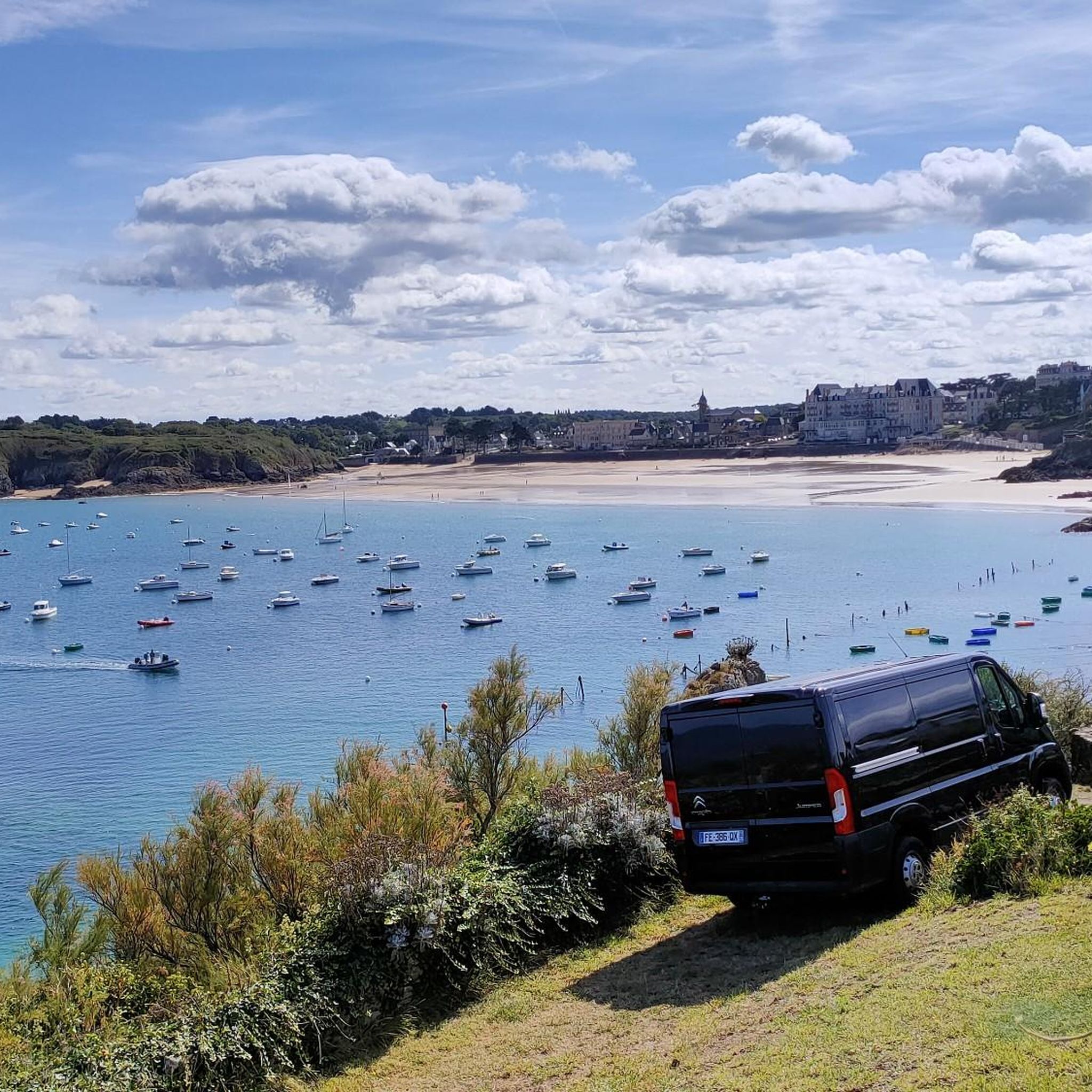
The Fort à la Reine is a historic bastion of the city walls of Saint-Malo, originally built in the 17th century by order of Vauban and later heightened in the 18th century. Located at the northwestern tip of the city, near the Tour Bidouane and the Plage de Bon-Secours, it provided strategic defense across the bay. Today, it is freely accessible, part of the city wall circuit, and offers panoramic views.
1
0
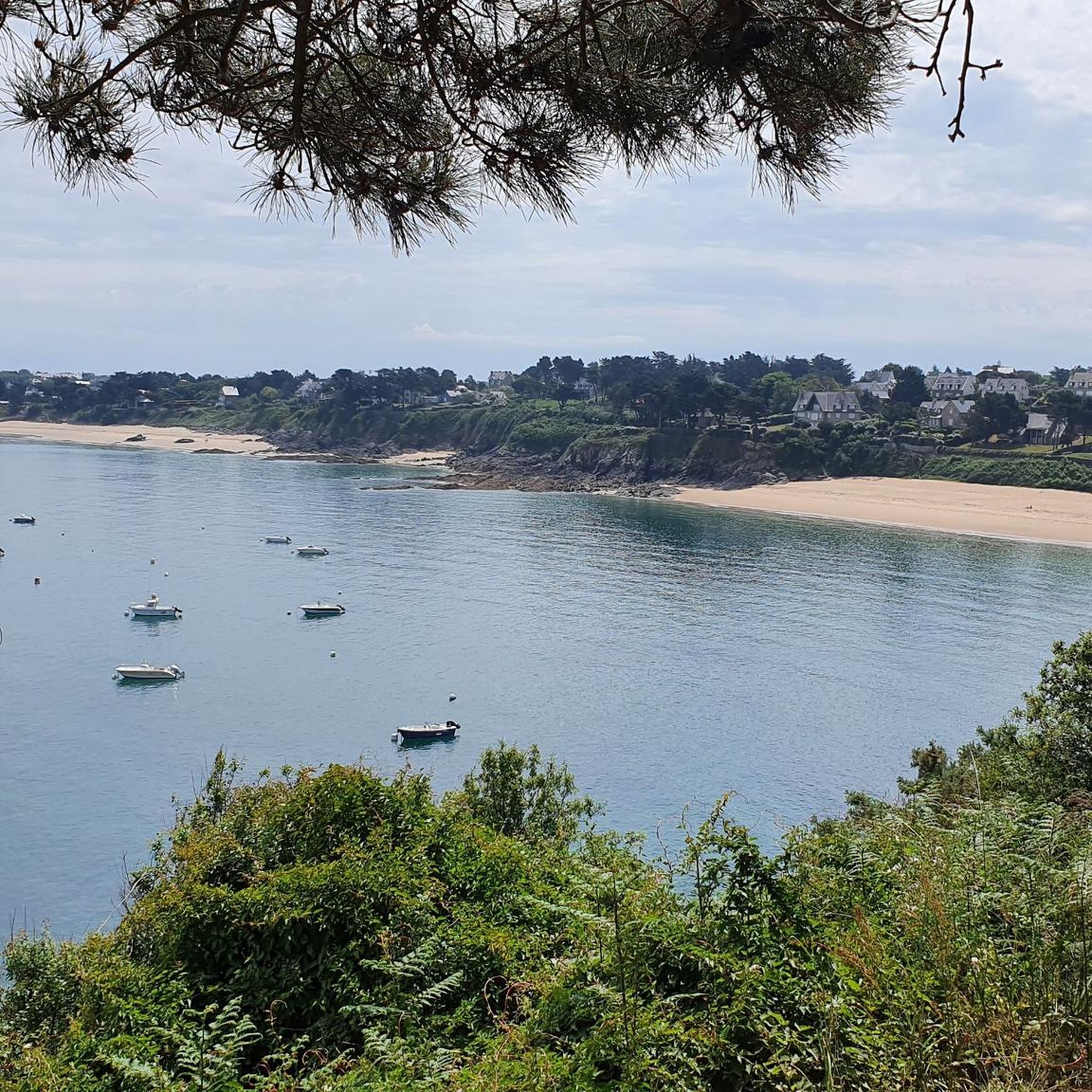
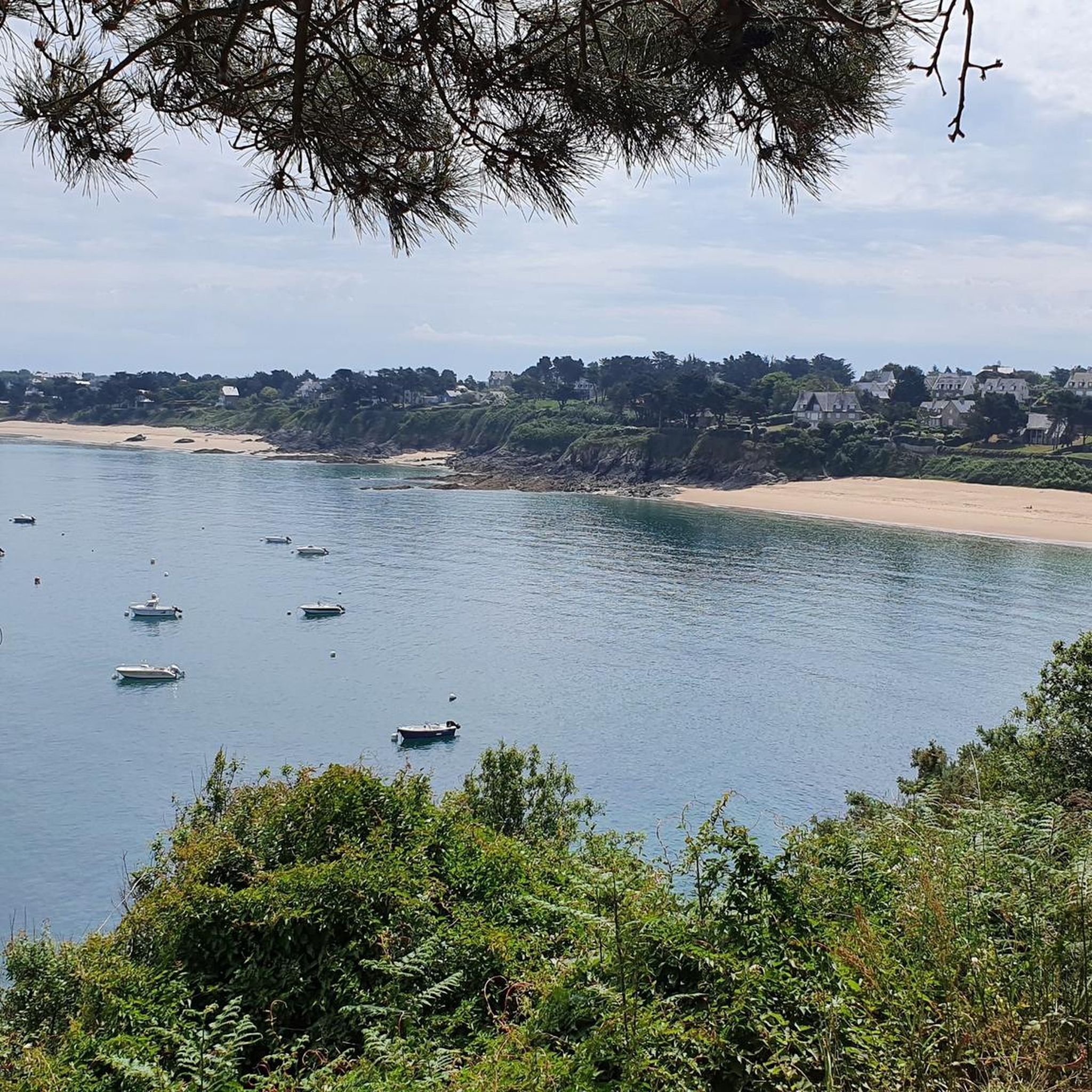
The Bidouane Tower is a historic gunpowder tower at the northwestern tip of the city walls, built in the 15th century for the defense of the city. In 1693, an attack by Anglo-Dutch forces on the tower failed when a ship loaded with explosives ran aground prematurely. In 1889, the tower lost its military function and today serves as a lookout point with panoramic views of the Bay of Saint-Malo, the islands of Grand Bé and Petit Bé, and the coast as far as Cap Fréhel.
1
0

The Fort à la Reine in Saint-Malo is a historic bastion that forms part of the city's fortifications. It was originally built in 1694 as the "Bastion du Cheval-Blanc" after an Anglo-Dutch attack on Saint-Malo. The famous military engineer Vauban ordered its construction to better protect the city against enemy attacks.
7
0
The Château de Saint-Malo is a historic castle in the city of Saint-Malo, Brittany. Located in the old town of Saint-Malo (Intra-Muros), close to the city beach and the city walls. Built in the 15th century by the Dukes of Brittany, particularly under Duke Jean V, it originally served to control the city of Saint-Malo, which was known for its strong sense of independence.
7
0

Today, a "national fort". This enclosure is private but regularly open to visitors.
1
1

It is hard to believe that people were able to build such buildings in such unusual places before
1
1

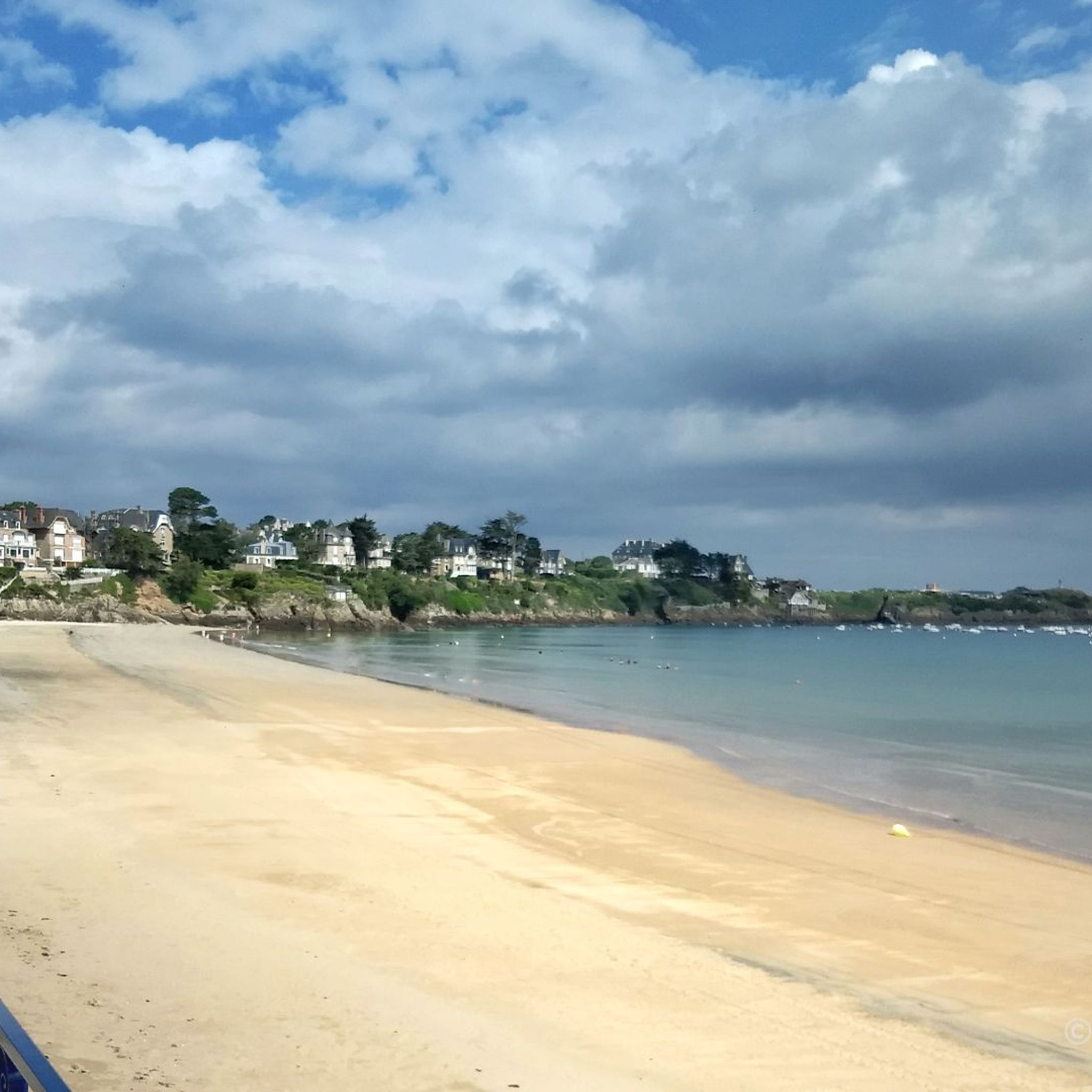
Beach close to intramuros and you can pass there on the furrow
0
0

The château was built between the 15th and 18th centuries by the Dukes of Brittany to secure their control over the city. It has been classified as a Monument Historique since July 1886.
6
0
Frequently Asked Questions
What types of historical fortifications can I explore around Saint-Lunaire?
The region around Saint-Lunaire offers a diverse range of historical fortifications. You can explore significant medieval ruins like Guildo Castle, which overlooks the Arguenon river. In Saint-Malo, you'll find the impressive Saint-Malo Castle, built by the Dukes of Brittany, and coastal defenses such as Queen's Fort and Bidouane Tower, which are part of the city's historic walls.
Are there any castles in Saint-Lunaire itself?
While Saint-Lunaire doesn't have a large, intact castle that is a major tourist attraction today, its history includes the site of the former Château de Pontbriand. Only the foundations and a chapel remain of this original castle, offering a glimpse into the local nobility's past rather than a preserved structure.
Which castles offer the best scenic views?
For stunning views, visit Queen's Fort in Saint-Malo, which provides panoramic vistas of Sillon beach, Fort National, Fort de la Conchée, and the island of Cézembre. Guildo Castle also offers scenic views overlooking the mouth of the Arguenon river. Additionally, Bidouane Tower provides a beautiful perspective of the two Be islands.
Are there family-friendly castles to visit near Saint-Lunaire?
Yes, several castles and historical sites are suitable for families. Saint-Malo Castle, with its museum, offers an engaging historical experience. The View of Fort National from Éventail Beach allows for exploration at low tide, and the ruins of Guildo Castle provide an adventurous setting for all ages.
What is the best time of year to visit castles around Saint-Lunaire?
The best time to visit is generally during the spring (April-June) and early autumn (September-October) when the weather is pleasant for exploring and the tourist crowds are typically smaller than in peak summer. Summer (July-August) also offers good weather, but sites can be busier.
Can I find hiking trails near these castles?
Yes, the region offers numerous hiking opportunities. For example, you can find various routes that incorporate coastal views and historical sites. Explore options like the 'Lawrence of Arabia Circuit' or the 'Great villa with art – Coastal path loop'. You can find more details on these and other trails in the Hiking around Saint-Lunaire guide.
Are there options for other outdoor activities near the castles?
Beyond hiking, you can find running and mountain biking trails in the vicinity. For running, consider routes like 'La Garde Guérin Point – View of Île Agot loop'. Mountain biking enthusiasts can explore trails such as 'Lakeside Gravel trail – View of the Frémur Reservoir loop'. More information is available in the Running Trails around Saint-Lunaire and MTB Trails around Saint-Lunaire guides.
What do visitors appreciate most about the castles in this area?
Visitors frequently highlight the rich history and strategic importance of these sites. The integration of castles like Saint-Malo Castle into the city walls, the dramatic backstories of ruins like Guildo Castle, and the panoramic coastal views from fortifications such as Queen's Fort are particularly enjoyed.
Are the castles around Saint-Lunaire generally accessible for all fitness levels?
The accessibility varies by site. Many historical sites, especially ruins like Guildo Castle, may involve uneven terrain. City-based fortifications like those in Saint-Malo can be more accessible, but often involve walking on ramparts or stairs. Some highlights are categorized as 'intermediate' difficulty, suggesting a moderate level of physical activity may be required.
Are dogs allowed at the castles near Saint-Lunaire?
Policies regarding dogs can vary significantly between individual sites. While some outdoor ruins or public areas around fortifications might be dog-friendly, indoor museum sections or protected historical monuments often have restrictions. It's advisable to check the specific rules for each castle or site before your visit.
Are there cafes or restaurants near these historical sites?
Yes, especially in larger towns like Saint-Malo, you will find numerous cafes and restaurants within easy reach of the castle and fortifications. For more remote sites like Guildo Castle, it's best to plan ahead or bring refreshments, though nearby villages may offer options.
What is the historical significance of Saint-Malo Castle?
Saint-Malo Castle was strategically built by the Dukes of Brittany between the 15th and 18th centuries to assert their authority over the city. It is classified as a historic monument and now houses a museum, offering insights into the region's past and its role in defending Saint-Malo.
Most popular routes around Saint-Lunaire
Most popular attractions around Saint-Lunaire

Get inspired with the komoot mobile app


Explore more
Looking for the best castles somewhere else? Discover other guides around Saint-Lunaire:
