The best road cycling routes around Bouillé-Loretz
4.1
(10)
381
riders
114
rides
Road cycling around Bouillé-Loretz, now part of Loretz-d'Argenton, offers diverse landscapes in the Deux-Sèvres department of Nouvelle-Aquitaine. The region features quiet roads and dedicated cycleways, with terrain generally easy to navigate due to gentle hills. It is situated between the valleys of the Argenton and Thouet rivers, providing picturesque riverside routes. Vineyards also create scenic paths through rolling agricultural landscapes.
Best road cycling routes around Bouillé-Loretz
- The most popular road cycling route is The Argenton River – Preuil Bridge on…
Last updated: July 9, 2026
5.0
(1)
13
riders
Moderate road ride. Good fitness required. Mostly well-paved surfaces and easy to ride.
10
riders
36.6km
01:33
160m
160m
Easy road ride. Great for any fitness level. Mostly well-paved surfaces and easy to ride.

Sign up for free
10
riders
Moderate road ride. Good fitness required. Mostly well-paved surfaces and easy to ride.
4.0
(1)
7
riders
Moderate road ride. Good fitness required. Some segments of this route may be unpaved and difficult to ride.
4
riders
38.2km
01:36
220m
220m
Easy road ride. Great for any fitness level. Mostly well-paved surfaces and easy to ride.
Get access to more routes and recommendations from other explorers.
Sign up for free
Already have an account?
Our route recommendations are based on thousands of hikes, rides, and runs completed by other people on komoot.
Start today with a free account
Your next adventure awaits.
Login or Signup

Tips from the Community

The contemporary art center of national interest, La Chapelle Jeanne d’Arc de Thouars, is today a leading venue for contemporary art in the western region. Along with the Château d’Oiron and the Syndicat Mixte de la Vallée du Thouet, which runs a program of public commissions for contemporary works, the art center's work is carried out in partnership across the entire territory of the Pays Thouarsais community of communes and, more broadly, in the northern part of the Nouvelle-Aquitaine region. Within the region, the art center is a recognized player in the Astre plastic and visual arts network. Developing an artistic project that takes into account its geographical location and its architectural envelope, a neo-Gothic chapel, the art center maintains a privileged relationship with the heritage of Thouars. Guest artists, hosted for residencies or exhibitions, appropriate the chapel space by creating an original work designed for the venue. They also bring their perspective to the city, urban planning, landscape, and rural areas of the Thouars region and the Thouet Valley. Since 1993, nearly a hundred artists have been invited for residencies or exhibition projects. In recent years, the art center has paid particular attention to emerging artists from art schools, particularly those from the regional Le Grand Huit network. In addition to its programming, the art center also engages in outreach activities in the form of off-site exhibitions, workshops, and events (meetings, lectures, and workshops). A mobile device, La Mar(g)elle, was created in 2015 by the artist Marie-Ange Guilleminot to offer interventions in partner locations, particularly within schools and structures in the social and medical sectors. For its educational action, the art center benefits from the action of the municipal art school of Thouars, to which it is connected within the visual arts department of the City of Thouars.
0
0

As you probably know, in the year 732, the armies of Charles Martel repelled the Arab advance around Poitiers. A troop of routed Saracens then barricaded themselves in the old parish church of St Sauveur and promised to surrender only in the event of divine intervention. However, in this month of May, after nights of prayers by the villagers, a cold snap hit the Poitiers countryside to the point of covering the grove with an astonishing layer of frost. The Saracens saw the sign of Allah in this unexpected event and decided to leave the village without giving battle. This legend gave its name to the village and the church of the Holy Trinity became a place consecrated by the religious authorities of the region. The oldest parts of the building that stands today on the small village square date back to the 11th century, but the church had to undergo several restoration campaigns during the 19th century. It now appears to us as a fine example of a Romanesque church, simple, rustic and austere. Note the modern stained glass windows made in the 1990s by Louis-René Petit, an artist who also worked in Sénanque and St Benoît sur Loire. His compositions inspired by frost give the church an atmosphere in harmony with its legend.
1
0
In 1147, Geoffrey Plantagenet, Count of Anjou, built a fortified castle on top of the hill and surrounded it with fortifications. Of the castle, only the chapel, which became a parish church in the 17th century, and of the ramparts, only the eastern part, remain. But this ancient fortified city perched on a limestone hill has retained its old-world charm and offers, along its narrow streets, behind high tuffeau walls, or in the embrasure of a vast portal, fleeting views of old aristocratic manors or rich residences in the colours of Anjou.
0
0

The Market Square is lined with houses whose construction dates from the 14th to the 19th century: the oldest house in the town (probably 1399) at no. 3, the old town house at no. 15 and the old Barony Registry (16th century) at no. 42.
0
0
Outside the town of Montreuil-Bellay, along a railway line, this site hosted, from 1941 to 1946, one of thirty French concentration camps for “homeless individuals, nomads and fairground people, of the Romani type”. In other words for Roma, Gypsies, Manouches or Gypsies. Of this camp, all that remains now are stone steps, foundations, a cellar which served as a prison and a commemorative stele. These Gypsies, in entire families, came from a multitude of small camps opened following the law of April 6, 1940 signed by Albert Lebrun, last president of the 3rd Republic, a law which stipulated that these nomads had to be gathered in communes designated under police surveillance and which was applied with zeal by Vichy. Also interned in Montreuil were tramps arrested in the streets of Nantes at the beginning of the summer of 1942, and almost all of whom disappeared before the end of the winter that followed. The camp was not an extermination camp. The thousands of Gypsies interned there, around 1,500 at the height of the occupation, were not subsequently deported to German death camps. But living conditions there were deplorable. Fallen into oblivion after the war, this site was only recently rediscovered. And it was only in 2010 that the ruins of this camp were listed as a historic monument in order to prevent their total disappearance and make them a place of memory. Some images on this site sadly steeped in history https://www.fondationshoah.org/memoire/montreuil-bellay-un-camp-tsigane-oubli-un-film-dalexandre-fronty
0
0
Montreuil, or small monastery, and Bellay, named after Lord Berlay installed in 1025 by Foulque de Nerra, founder of the rich province of Anjou, has been a walled town since the 13th century. Located at the crossroads of Anjou, Touraine and Poitou, the city became a strategic and commercial issue from the Middle Ages. This interest is reflected in the construction of fortified enclosures. A first belt (11th century), direct protection of the castle, is completed by an impressive rampart (13th century) encompassing the upper and lower towns, while a third enclosure ensures control of the ford. Six monumental gates, four of which still exist, were opened by the lords of Harcourt. These great builders endowed Montreuil-Bellay with exceptional architecture, which characterizes the appearance of the town even today: tuffeau lacework on the facades of the houses, the bossage of the towers of the Porte Saint-Jean, the tangle of the roofs of the house of the castle, turreted manors, castle chapel turned collegiate church, castles, Saint-Jean hospital... The 15th century is undoubtedly the golden century of Montreuil-Bellay, which can now be discovered in this preserved setting.
1
0

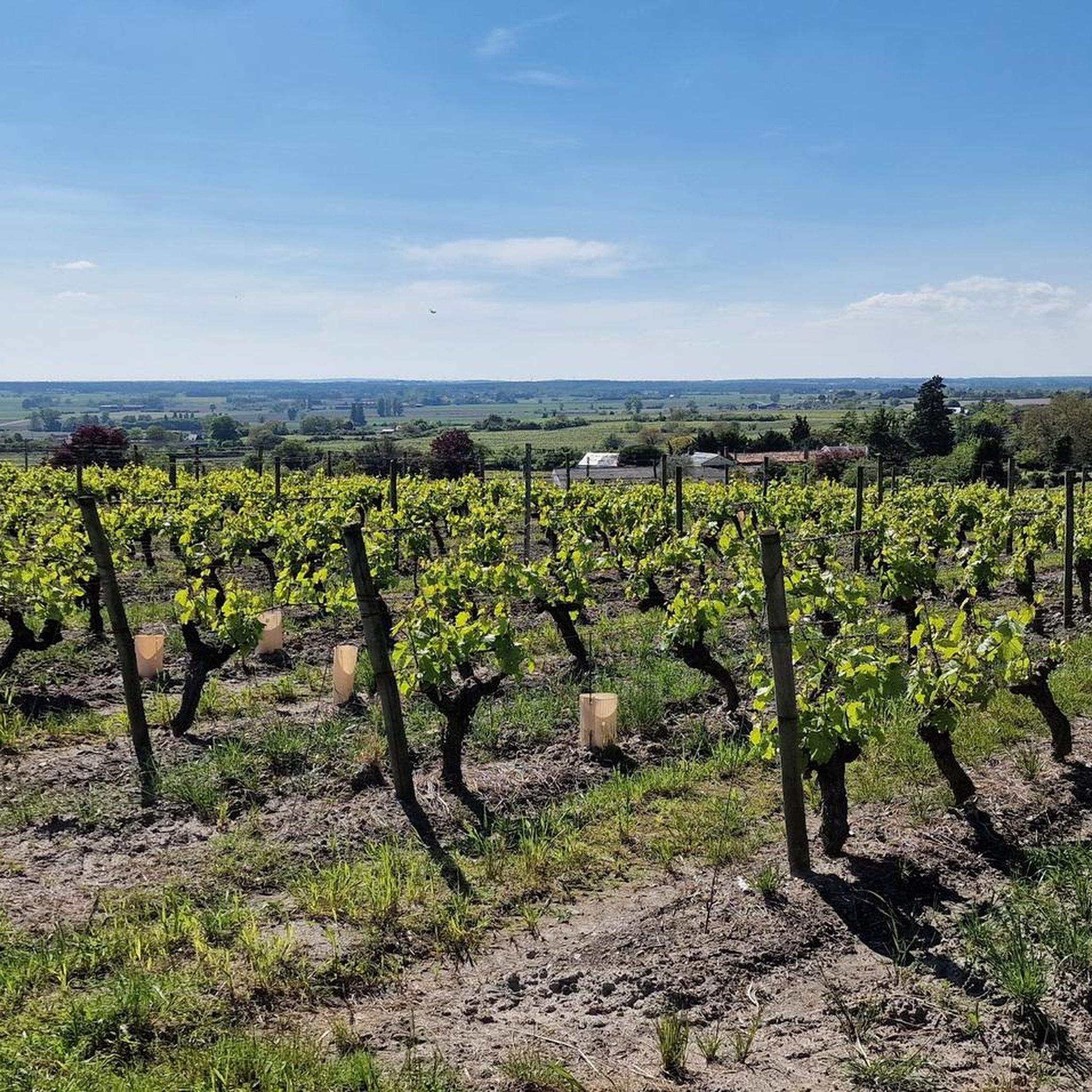
A must-see among the castles of the Loire, that of Montreuil-Bellay is very impressive, although less known, with its 15 defense towers and its 600 meters of ramparts. Fully furnished and inhabited by the same family since 1822, the castle located on a rocky promontory can be visited. Just like the gardens, suspended above the Thouet. From the ramparts, you will have a breathtaking view of the vineyards of the château's wine estate.
1
0
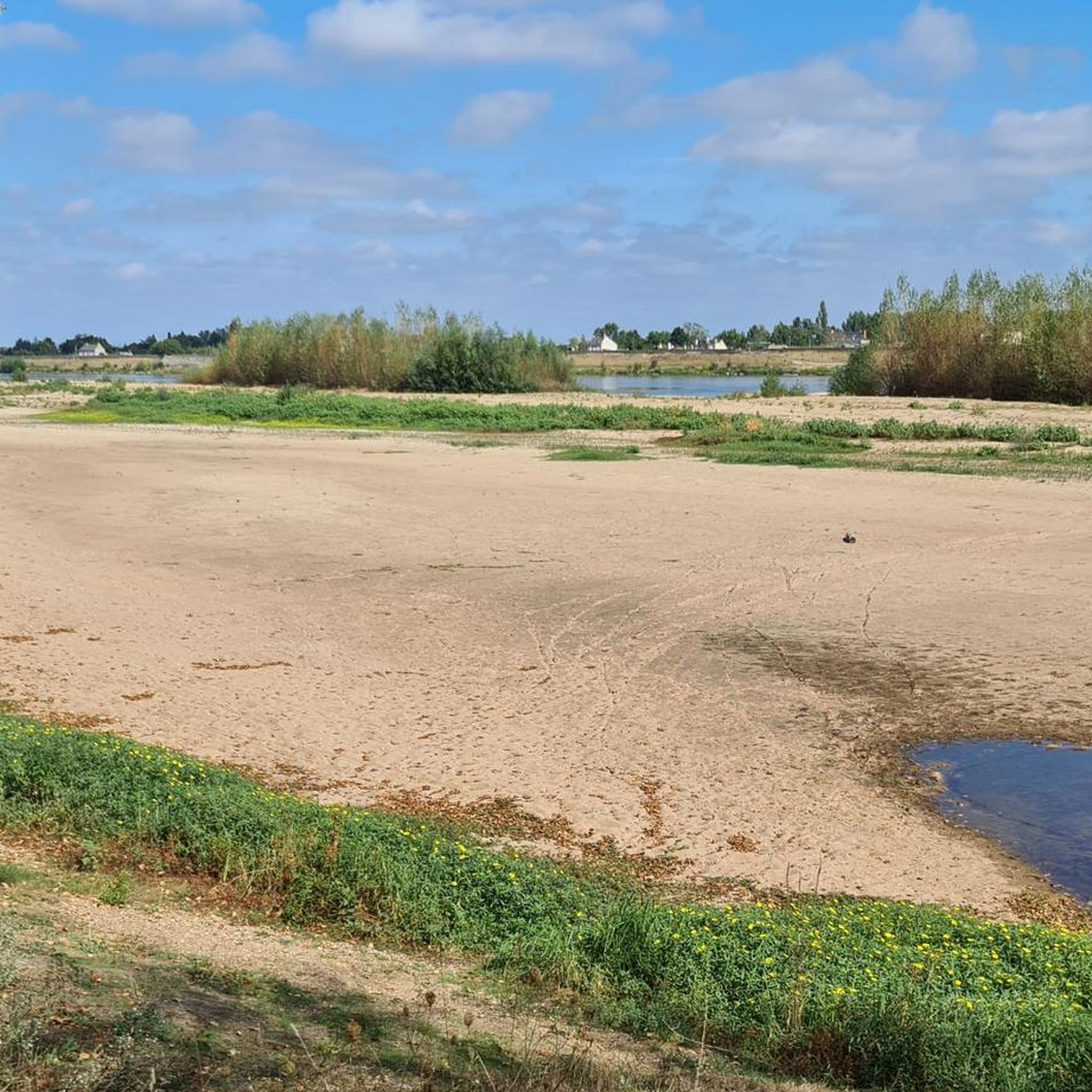
10-hectare body of water on the cycle route of the Thouet Valley. Swimming prohibited but you can cycle around it.
1
0
Frequently Asked Questions
How many road cycling routes are available around Bouillé-Loretz?
There are over 110 road cycling routes in the Bouillé-Loretz area, offering a wide range of options for different skill levels and preferences. You'll find everything from easy rides to more challenging routes.
What kind of terrain can I expect when road cycling in Bouillé-Loretz?
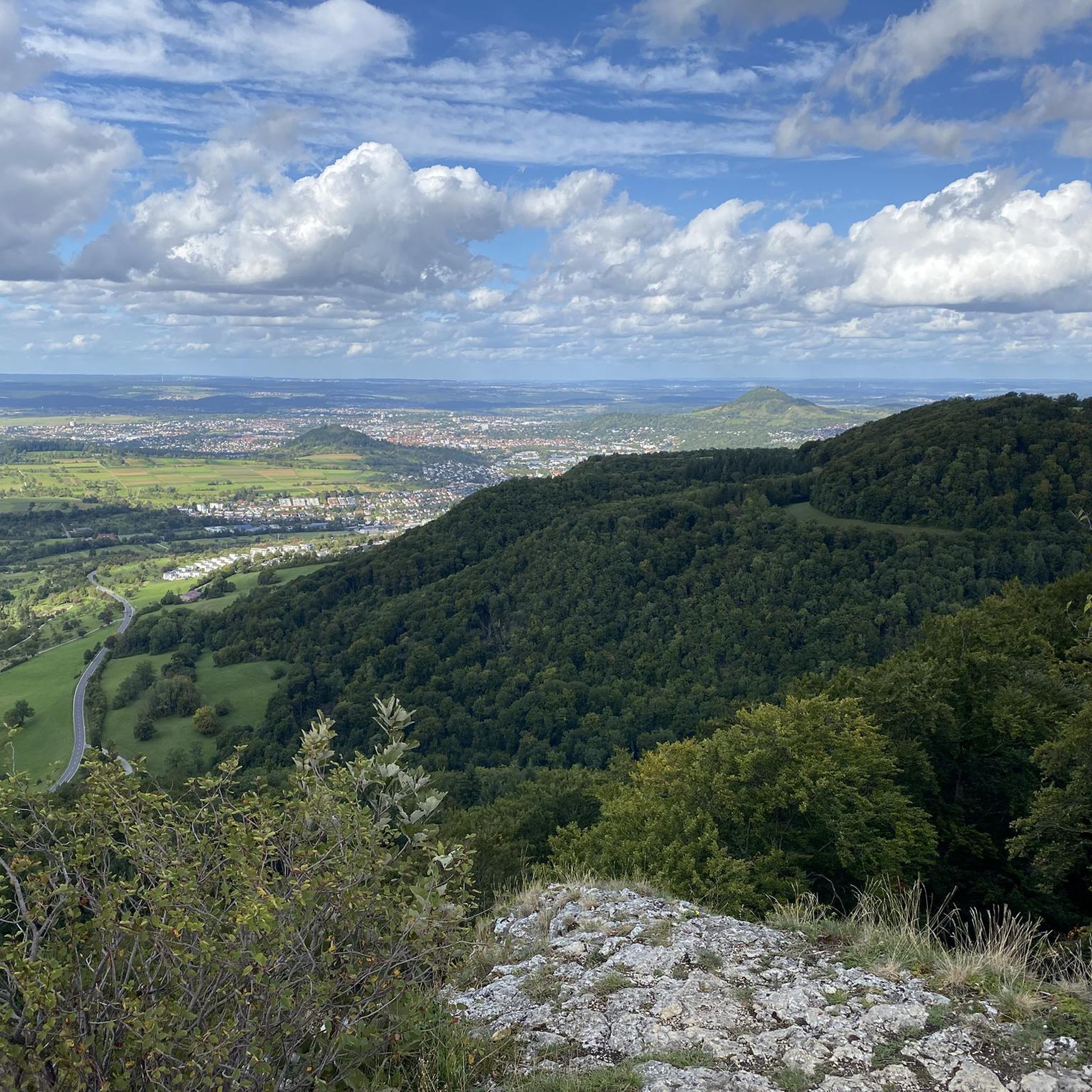
The terrain around Bouillé-Loretz is generally easy to navigate, characterized by gentle hills and quiet roads. You'll cycle through picturesque river valleys, particularly along the Argenton and Thouet rivers, and scenic vineyards. The region's moderate elevation changes provide varied yet manageable cycling challenges.
Are there easy road cycling routes suitable for beginners or families?
Yes, Bouillé-Loretz offers many easy road cycling routes. For instance, the Ballastière Pond – The Argenton River loop from Le Puy-Notre-Dame is an easy 36.6 km (22.7 miles) path that passes by the Ballastière Pond and along the Argenton River, perfect for a relaxed ride.
What are some notable natural features or viewpoints along the routes?
Cyclists can enjoy the scenic river valleys of the Argenton and Thouet. The Ballastière Pond is a prominent natural feature, and routes often pass through extensive vineyards, offering beautiful agricultural landscapes. The confluence of the Thouet with the Loire River at Saumur also suggests picturesque routes along these waterways.
What historical or cultural attractions can I visit while cycling?
Several historical and cultural sites are accessible from the cycling routes. You could visit the impressive Montreuil-Bellay Castle, located just 11 km from Bouillé-Loretz, or explore the historic town of Thouars, approximately 12 km away, which boasts a 17th-century castle. The Abbaye d'Asnières is another interesting historical site nearby.
What is the best time of year for road cycling in Bouillé-Loretz?
The region benefits from a temperate climate, making it pleasant for cycling for much of the year. Spring and autumn generally offer comfortable temperatures and beautiful scenery, especially through the vineyards. Summer is also suitable, though it can be warmer.
Are there any challenging routes for experienced road cyclists?
Yes, while many routes feature gentle hills, there are options for more experienced cyclists. For example, the Preuil Bridge on the Argenton River – The Argenton River loop from Argenton-l'Église is a moderate 68 km (42.2 miles) route with over 370 meters of ascent, providing a good challenge.
What do other road cyclists say about the routes in Bouillé-Loretz?
The road cycling routes in Bouillé-Loretz are highly rated by the komoot community, with an average score of 4.5 stars from more than 10 reviews. Cyclists often praise the diverse landscapes, quiet roads, and the mix of river valleys and vineyards.
Are there any circular road cycling routes available?
Many of the routes in Bouillé-Loretz are designed as loops, allowing you to start and finish in the same location. Examples include the The Argenton River – Preuil Bridge on the Argenton River loop from Argenton-l'Église and the Thouars – Ballastière Pond loop from Le Puy-Notre-Dame.
Where can I find parking for road cycling routes?
While specific parking information for every route start isn't always detailed, many routes begin from villages or towns like Argenton-l'Église or Le Puy-Notre-Dame, where public parking is generally available. It's advisable to check local parking options for your chosen starting point.
Can I find routes that pass through vineyards?
Absolutely. Bouillé-Loretz is a wine-growing commune with vineyards extending over 350 hectares. Many routes will take you through these scenic agricultural landscapes, particularly those producing AOC wines, offering a unique backdrop for your ride.
Most popular routes around Bouillé-Loretz
Most popular attractions around Bouillé-Loretz

Get inspired with the komoot mobile app


Explore more
Browse the best Road cycling routes in other regions.
