Attractions and Places To See around Villequier-Aumont - Top 16
Attractions and places to see around Villequier-Aumont reveal a rural commune in the Aisne department of France, overlooking the Oise valley. The terrain varies in altitude from 52 to 121 meters and is part of the Seine-Normandie basin, drained by waterways like the Helot. The area offers a blend of historical landmarks and natural features, providing insights into Picardy's regional character.
Best attractions and places to see around Villequier-Aumont
- The most popular attractions is The Y point, a location…
Last updated: October 18, 2026
Tergnier
Highlight • Settlement
After the First World War, the completely destroyed city had to be rebuilt: Tergnier thus became the site of the construction of …
Translated by Google •
Tip by

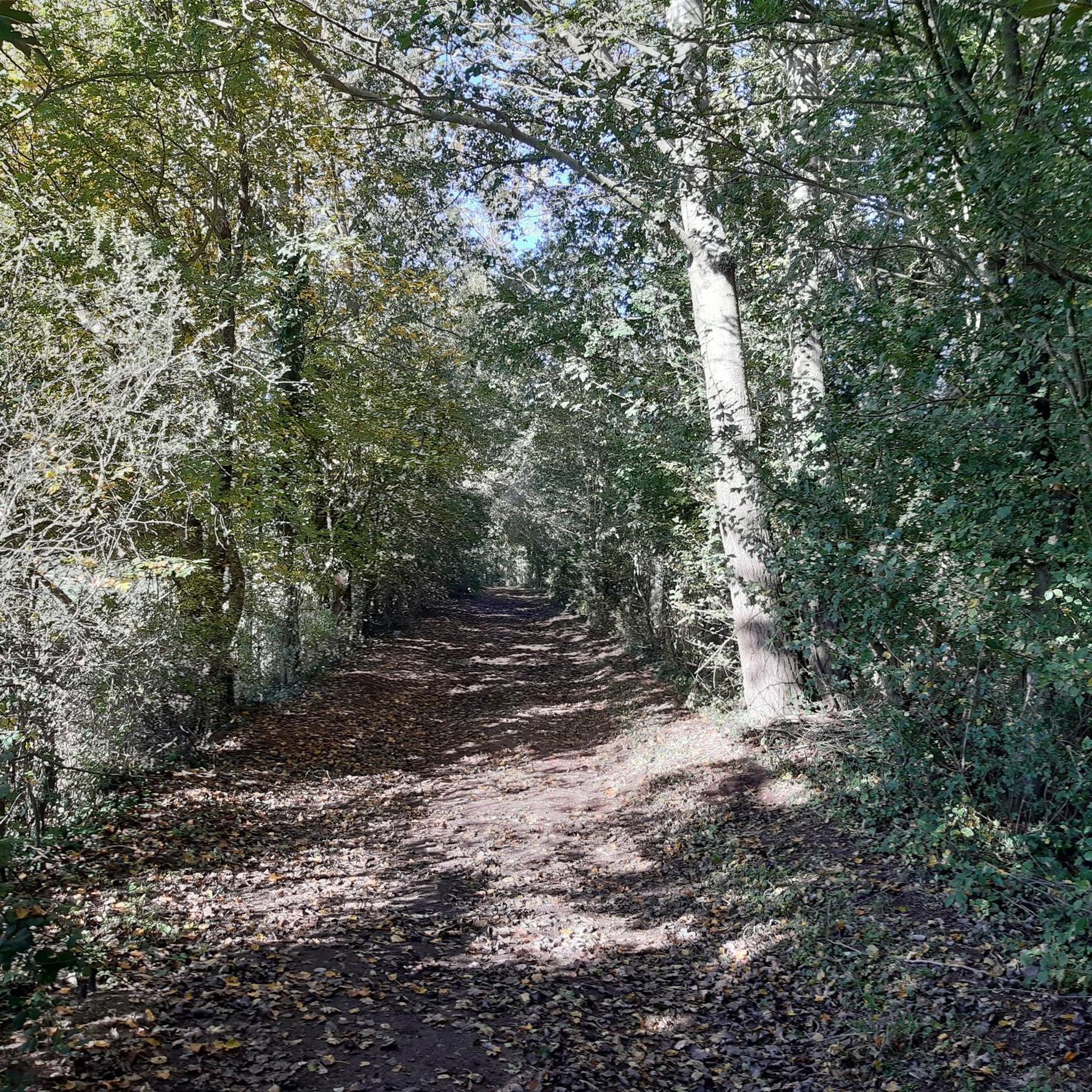
Étang Montplaisir
Highlight • Lake
Translated by Google •
Tip by

Sign up now to discover places like this
Get recommendations on the best single tracks, peaks, & plenty of other exciting outdoor places.
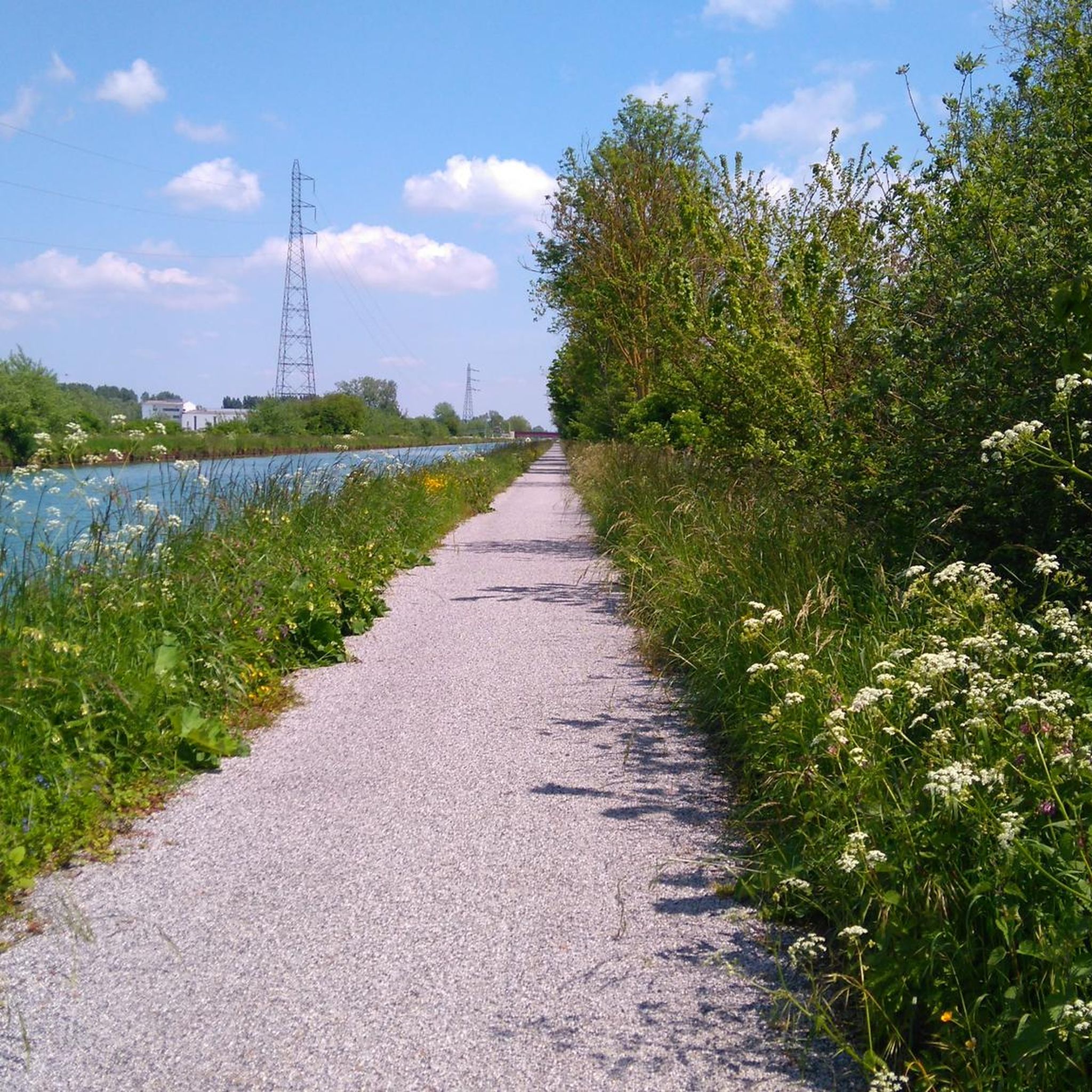
The Y point
Highlight • Other
Translated by Google •
Tip by

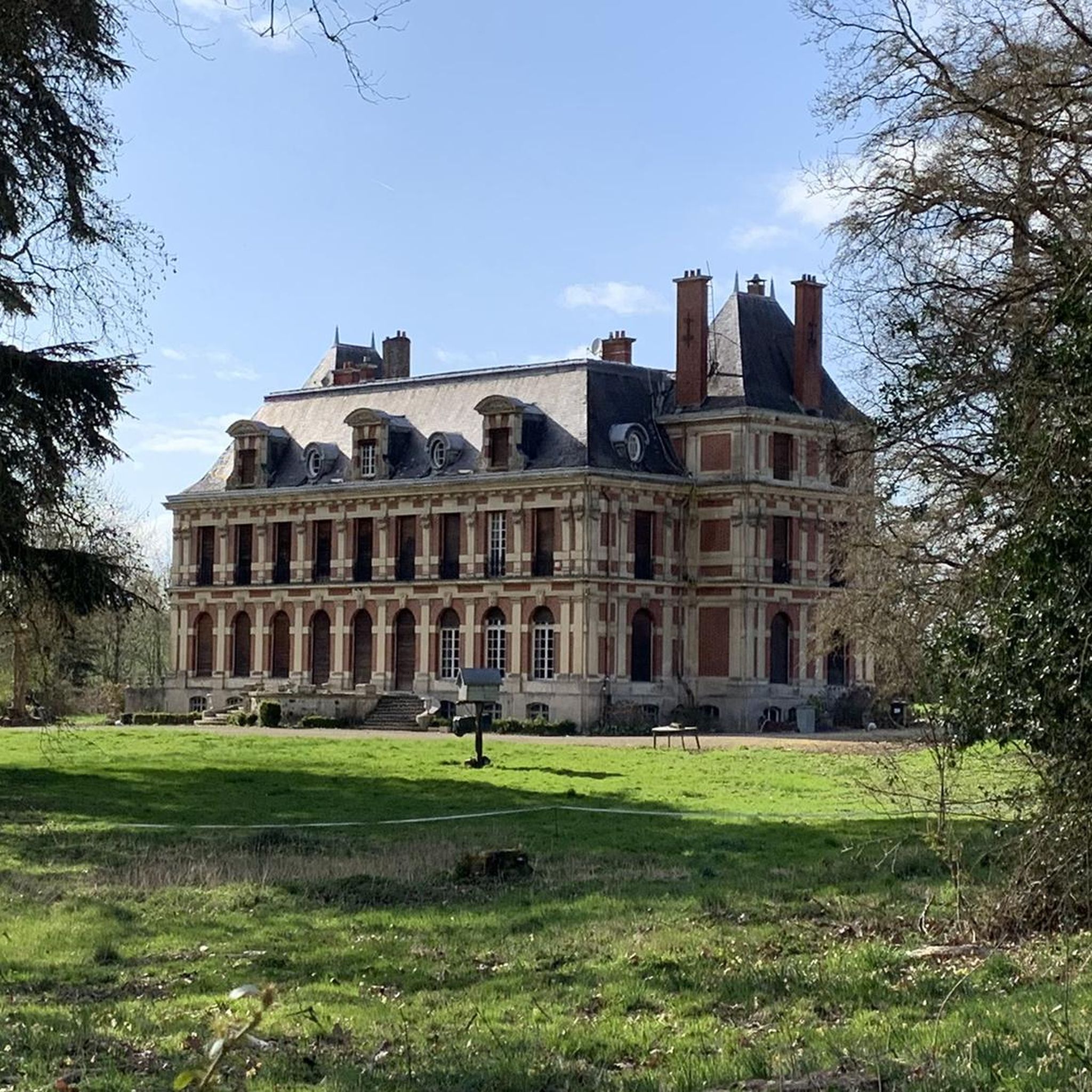
Place Carnégie, art deco
Highlight • Historical Site
Translated by Google •
Tip by

Bridge over the Saint-Quentin canal
Highlight • Other
Translated by Google •
Tip by
Sign up for free to discover even more attractions around Villequier-Aumont.
Already have an account?
Start today with a free account
Your next adventure awaits.
Tips from the Community

historic center with resistance museum. nice to have
0
0

Following the First World War, the town of Fargniers was 95% devastated. As early as 1918, the City proposed a reconstruction project, in the form of a radio-concentric square around which the municipal buildings would be arranged. In 1922, the Trustees of the Carnegie Endowment (an institution founded in 1910 by the American industrialist Andrew Carnegie and which decided to devote $500,000 to the reconstruction of the devastated regions of France, Belgium and Serbia) decided to allocate $150,000 to the reconstruction of the municipal buildings of Fargniers. A plan of the square was drawn up by the architects Henri-Paul Nénot and Paul Bigot (first Grand Prix de Rome and architect of the Institut des Arts in Paris); Around the square are grouped: the town hall, a post office, a police station, a pump, a market hall, an assembly hall, the Carnegie foyer, a bathhouse, schools, green spaces and playgrounds. This ensemble includes regionalist references as well as an Anglo-Saxon influence. The first stone was laid in 1922, the ensemble was completed in 1928. Listed in the inventory of historical monuments in 1998.
6
0
Place Carnégie, Art Deco buildings from the interwar period, protected as a historical monument
6
0
During the First World War, on 29 August 1914, German troops attempted to cross the village bridge, but were repulsed by the 3rd and 5th Cavalry Brigades of the British Expeditionary Force and the 10th REGION of Saint-Quentin.
7
0
Tergnier where Art Deco is omnipresent. Its most representative examples are Place Carnégie (classified as a historic monument), the Town Hall and the Fargniers church. The media library, a former station buffet, is a site that became historic with the arrival of Victor Hugo in 1870 who had his first meal on French soil there upon his return from exile. The bell tower of the Veltin school, visible from rue de la Famille Sauvage (Quessy-Cité), still indicates the time of the bombing which ravaged the city on the night of April 10 to 11, 1944. Seven tourist signs, located in the city to constitute the Trails of Memory, retrace acts of war or resistance during the Second World War which took place in the territory.
6
0

If you are looking for a peaceful and picturesque hike in Aisne, you can discover the Boucle de l'Etang Montplaisir. This loop trail takes you to the edge of two ponds, where you can enjoy views of the water and wildlife. The trail is largely flat and easy to follow. The hike is approximately 5 km and takes approximately an hour and a half. You can leave from the car park located near Chemin de la Pature. Happy hiking!
2
0

Frequently Asked Questions
What historical sites can I visit in and around Villequier-Aumont?
Villequier-Aumont and its surroundings are rich in history. Within the commune, you can find the ruins of a castle and a Monument to the Dead. The Veltin School bell tower is also a poignant historical landmark, still marking the time of a significant bombing during WWII. Nearby, Tergnier offers unique Art Deco architecture and Masonic symbols, with Place Carnégie being a protected historical monument. Further afield, you can explore the significant Château de Coucy and Pierrefonds Château, both national monuments, or other historic sites in the Aisne region like Soissons and Laon.
Are there any easy hiking trails or natural areas to explore near Villequier-Aumont?
Yes, for a peaceful outdoor experience, the Boucle de l'Etang Montplaisir offers an easy, largely flat 5 km loop trail around two picturesque ponds. It's perfect for enjoying views of the water and local wildlife. The commune itself is set in a rural landscape overlooking the Oise valley, with the Helot river also draining the area, providing a pleasant natural backdrop for walks.
What cycling routes are available near Villequier-Aumont?
The area around Villequier-Aumont offers several cycling opportunities. You can find various road cycling routes, such as the 'Ham Castle – Tower of the Château de Ham loop' or the 'Mont des pierres loop'. For general cycling, routes like the 'Levis Bridge – EuroVélo 3/Scandibérique loop' and the 'Étang Montplaisir – EuroVélo 3/Scandibérique loop' are popular. You can discover more options, including routes of varying difficulty, on the Road Cycling Routes around Villequier-Aumont and Cycling around Villequier-Aumont guide pages.
Can I find mountain biking trails in the area?
Yes, there are mountain biking trails available. Routes such as the 'Chemin Rural de la Thiérache – Mountain bike outing loop from Viry-Noureuil' and the 'View of Coucy – Coucy-le-Château-Auffrique loop from Chauny' offer moderate challenges for mountain bikers. For a comprehensive list of trails, visit the MTB Trails around Villequier-Aumont guide page.
What are the most popular attractions for visitors to Villequier-Aumont?
Visitors particularly enjoy The Y point along the Canal de l'Oise, noted as a significant crossroads. Another favorite is Étang Montplaisir, which offers a peaceful and scenic hiking trail. The nearby settlement of Tergnier is also highly regarded for its unique Art Deco architecture and historical significance as a 'garden city'.
Are there any family-friendly attractions around Villequier-Aumont?
Absolutely. The Boucle de l'Etang Montplaisir is an excellent choice for families, offering an easy and scenic walk around two ponds where children can enjoy nature and spot wildlife. Exploring the unique Art Deco architecture and historical sites in Tergnier, including Place Carnégie, can also be an engaging activity for families interested in history and urban exploration.
When is the best time of year to visit Villequier-Aumont for outdoor activities?
The best time to visit Villequier-Aumont for outdoor activities is generally during spring, summer, and early autumn. These seasons offer pleasant weather conditions for hiking, cycling, and exploring the rural landscapes and historical sites. Spring brings blooming nature, summer provides warmth for longer days outdoors, and early autumn offers comfortable temperatures and beautiful foliage.
What is the significance of the Canal de l'Oise in the region?
The Canal de l'Oise is a notable waterway in the region, recognized as a potential route for travel. The Y point, a popular highlight, is located along this canal and is described as a crossroads, historically important for connections between areas like Paris and Belgium. It offers scenic views and opportunities for waterside walks or cycling.
What kind of architecture can I expect to see in nearby Tergnier?
Tergnier is renowned for its distinctive Art Deco architecture. After being largely destroyed in World War I, it was rebuilt as a 'garden city' for railway workers. This reconstruction embraced the Art Deco style, and you'll find many examples throughout its streets, including numerous Masonic symbols. Place Carnégie is a prime example, featuring buildings from the interwar period that are protected as historical monuments.
Are there any specific viewpoints or natural landmarks in the Villequier-Aumont area?
While Villequier-Aumont itself is a rural commune overlooking the Oise valley, offering general scenic views, specific designated viewpoints are not highlighted. The Étang Montplaisir provides picturesque views of its two ponds and surrounding wildlife, making it a natural landmark for peaceful contemplation and photography. The varying altitude of the commune, from 52 to 121 meters, also contributes to its diverse natural landscape.
What is the history behind the Veltin School bell tower?
The Veltin School bell tower, visible from Rue de la Famille Sauvage (Quessy-Cité), stands as a stark reminder of a significant historical event. Its clock still marks the time of the bombing that devastated the city during the night of April 10-11, 1944, a poignant symbol of the impact of World War II on the region.
What are some notable castles or châteaux near Villequier-Aumont?
Beyond the ruined castle within Villequier-Aumont itself, the region boasts several impressive châteaux. Approximately 17 km away, the Château de Coucy is a significant national monument. Further afield, around 38 km distant, you can visit the equally grand Pierrefonds Château, another national monument known for its stunning architecture and historical importance.
Most popular routes around Villequier-Aumont

Get inspired with the komoot mobile app


Explore more
Still not found the Highlight you’re looking for? See guides of the top attractions in other regions:
