The best road cycling routes around Moisdon-La-Rivière
4.6
(9)
588
riders
134
rides
Road cycling around Moisdon-La-Rivière features a landscape characterized by gently rolling terrain, agricultural fields, and river valleys. The Don River meanders through the area, creating scenic routes along its banks. The region also includes extensive moorlands, woodlands, and bocage, offering diverse natural settings. Elevations are generally modest, making the area suitable for various road cycling abilities.
Best road cycling routes around Moisdon-La-Rivière
- The most popular road cycling route is La Forge Neuve loop from Moisdon-la-Rivière, a 4.6 miles (7.5…
Last updated: July 5, 2026
21
riders
7.45km
00:21
50m
50m
Easy road ride. Great for any fitness level. Mostly well-paved surfaces and easy to ride.
17
riders
10.4km
00:27
50m
50m
Easy road ride. Great for any fitness level. Mostly well-paved surfaces and easy to ride.

Sign up for free
9
riders
Moderate road ride. Good fitness required. Mostly well-paved surfaces and easy to ride.
5.0
(1)
5
riders
35.7km
01:32
220m
220m
Moderate road ride. Great for any fitness level. Some segments of this route may be unpaved and difficult to ride.
3
riders
48.0km
02:22
310m
310m
Moderate road ride. Good fitness required. Some segments of this route may be unpaved and difficult to ride.
Get access to more routes and recommendations from other explorers.
Sign up for free
Already have an account?
Our route recommendations are based on thousands of hikes, rides, and runs completed by other people on komoot.
Start today with a free account
Your next adventure awaits.
Login or Signup

Tips from the Community

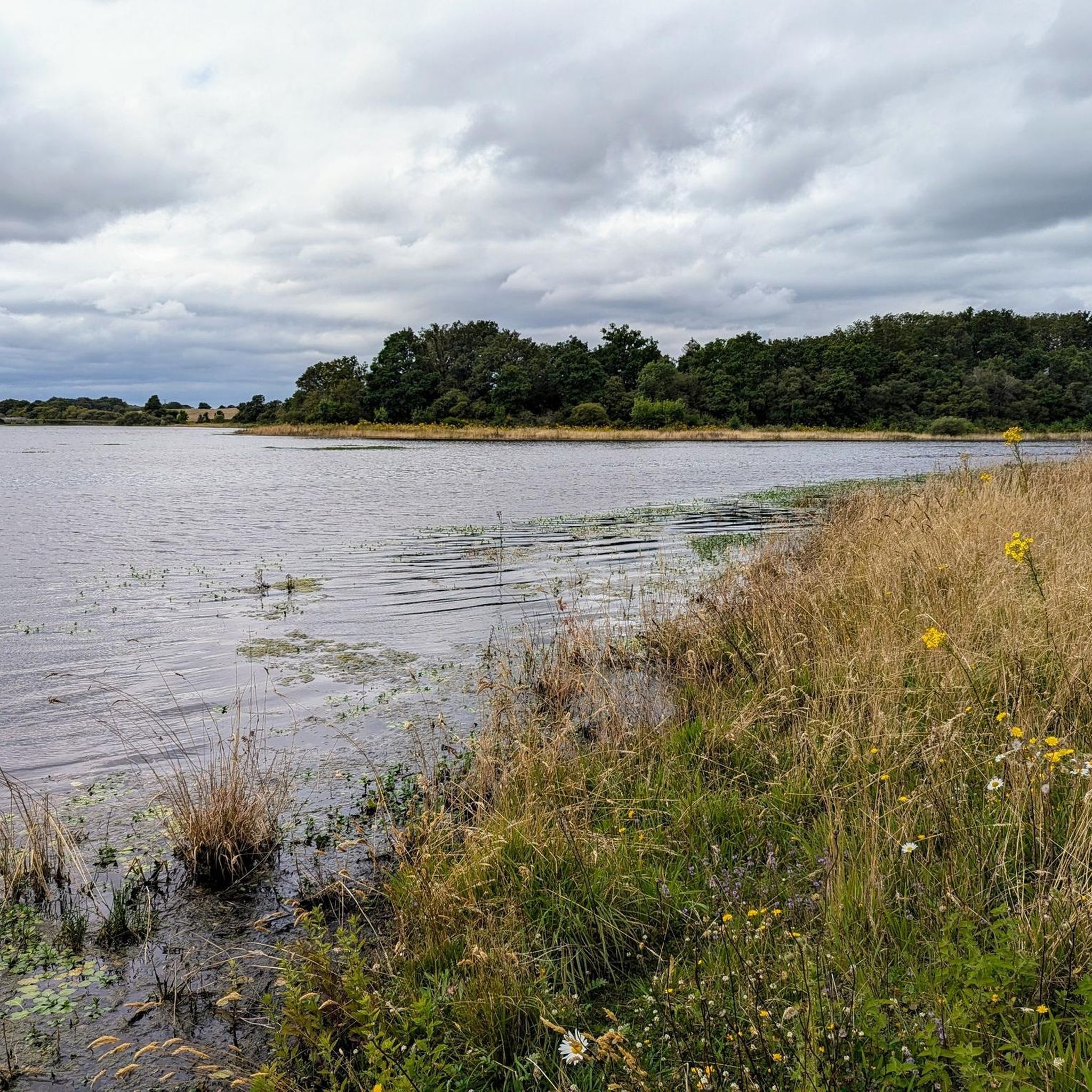
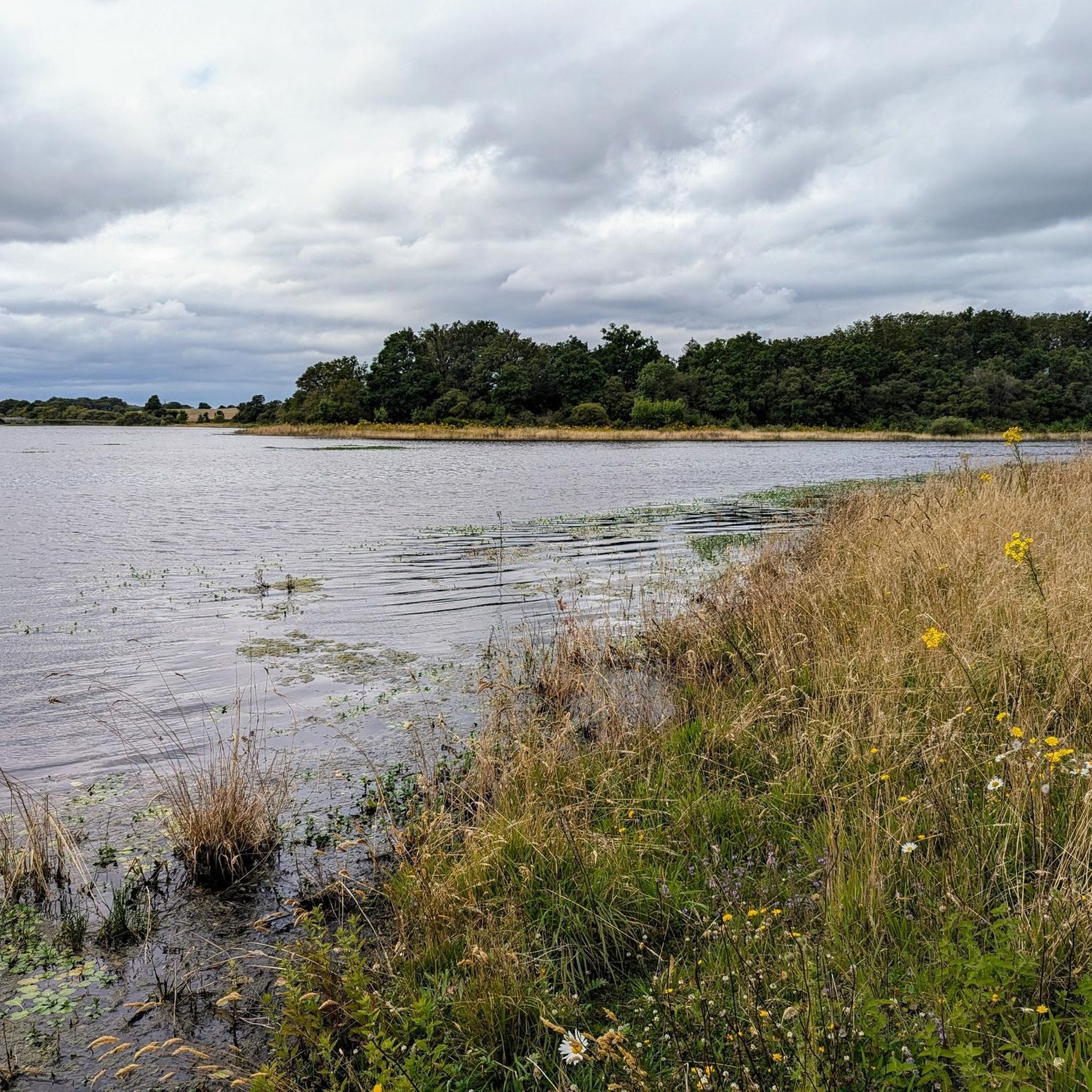
The west bridge of Lake Voireau offers a beautiful, unobstructed view of the reservoir. The largest body of water in Loire-Atlantique, this lake stretches through the heart of the forest. Its wooded banks and landscaped beaches make it a pleasant stopover for a nature break or a swim.
0
0


nighttime. A medieval fortress and Renaissance building, Châteaubriant Castle recounts ten centuries of history. In the Middle Ages, Châteaubriant Castle was at the heart of the Marches of Brittany. It served as a stronghold defending the duchy against the Kingdom of France. The keep, ramparts, seigneurial chapel, and the medieval courtyard lodgings still bear witness to the power of this fortress. In the 16th century, the bailey became a residence opening onto the gardens. The castle gardens are open to the public from February to December. Visit maps are available at the reception-shop for a better understanding of the site. A 3D space allows you to discover, with free access, the architectural evolution of the castle, from the 11th century to the present day. From February to December, heritage mediators will accompany you on an in-depth tour of the castle, its keep, and its gardens. During school holidays, family workshops allow parents and children to develop their creativity or spark their curiosity! Opening days: Gardens are open to the public, Wednesday to Sunday: 9am-6pm (February-March and October-December) or 9am-7:30pm (April-September). Prices: - Free entry for those over €0.00 (Free access to the château gardens) - Individual adult rate from €3.00 to €6.00 (Guided tours, free for those on minimum income and special cards) - Individual child rate from €0.00 (Guided tours free for those under 26) - Individual child rate from €0.00 (Guided tours free for those under 26) Child from €4.00 to €8.00 (Family activity) - Adult group rate from €5.00 (From 15 people) Payment methods: Credit cards - Bank and postal checks - Cash Tours Self-guided tours (individual): Yes Guided tours (individual): Yes Average visit duration (individual): 1 hour Self-guided tours (groups): Yes Guided tours on request (groups): Yes Guided tours (groups): Yes Average visit duration (groups): 1 hour Languages: Tour: French, English - Signs: French, English Services: Interactive kiosk - Shop - WiFi Additional information: Groups of 15 people or more are welcome - Pets allowed (Dogs on leashes are allowed in the park.) - Points of interest visible without a tour Access Location: SNCF train station: 0.5 km
0
0
Also known as the "basin," the port of Nort-sur-Erdre is a lively, historic neighborhood that's a great place to stop off. At the foot of the Saint-Georges Bridge, which separates the wild Erdre from the navigable Erdre, the marina is now a popular place for walking and fishing. Free Wi-Fi access near the Tourist Office Contact the harbor master's office for an extended stay; the first two nights are free. Open year-round Type of facility: Slipway - River stopover - Pontoon - Marina Payment methods: Bank and postal checks Access location: Nort-sur-Erdre train station: 1 km Languages spoken: French Facilities: Picnic area - Restrooms - Services - Playground
0
1

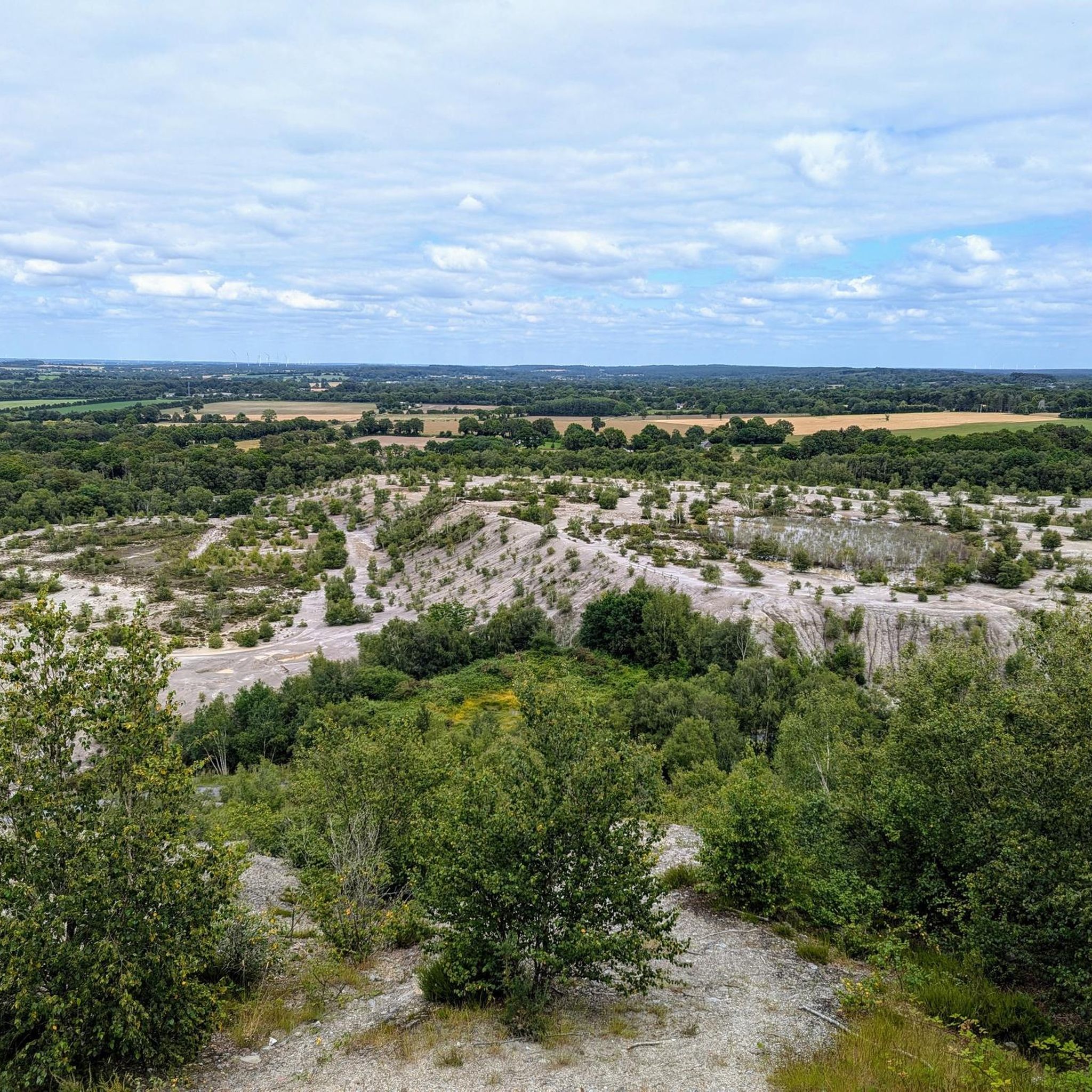
A vast industrial forge site dating back to the 17th century. The natural setting is also remarkable, with the dam on the Don River creating a splendid reservoir that supplied the forges. A favorite is Rue des Rochers Bleus and its hanging pine tree.
1
0
The castle is a self-guided tour. A little tip: there are bike racks inside the castle, just beyond the entrance.
1
0
From the bridge, you can enjoy a beautiful, unobstructed view of the Saint-Léger-de-Joué church, punctuated by the sound of the river. The bridge and washhouse date back to the 13th century.
2
0

What we'd heard about Brittany was that it's supposed to have lots of forests, a special kind of people, and nature beyond nature. But we weren't expecting such a beautiful little town, and as for the special Bretons – they're just super friendly!
0
0
Frequently Asked Questions
How many road cycling routes are available around Moisdon-La-Rivière?
There are over 130 road cycling routes in the Moisdon-La-Rivière area. These routes cater to various skill levels, from easy rides to more moderate challenges, allowing you to explore the region's gently rolling terrain and river valleys.
Are there easy road cycling routes suitable for beginners or families?
Yes, Moisdon-La-Rivière offers a good selection of easy road cycling routes. You'll find over 45 routes classified as easy. A great option for a short, gentle ride is the La Forge Neuve loop from Moisdon-la-Rivière, which is just 4.6 miles (7.5 km) long.
What kind of terrain can I expect on road cycling routes in Moisdon-La-Rivière?
The region is characterized by gently rolling terrain, agricultural fields, and picturesque river valleys. Elevations are generally modest, making it accessible for various road cycling abilities. You'll often pass by local ponds and historical sites, offering a pleasant and varied landscape.
Are there any longer or more challenging road cycling routes?
While there are no routes classified as 'difficult,' you can find over 85 moderate road cycling routes for longer distances and more sustained efforts. For example, the Torche Pond – Châteaubriant Castle loop from Moisdon-la-Rivière covers 38.6 miles (62.1 km) and takes you through agricultural landscapes and past historical points of interest.
What are some scenic highlights or landmarks I can see along the routes?
Many routes offer scenic views of local lakes and historical sites. You might pass by the beautiful West bridge at Lac de Vioreau or the impressive Châteaubriant Castle. The Port of Nort-sur-Erdre – West bridge at Lac de Vioreau loop from La Meilleraye-de-Bretagne specifically features views of Lac de Vioreau and the Erdre river.
What do other road cyclists say about the routes in Moisdon-La-Rivière?
The road cycling routes in Moisdon-La-Rivière are highly rated by the komoot community, with an average score of 4.5 stars from over 8 reviews. Cyclists often appreciate the varied terrain, the peaceful countryside, and the opportunities to discover local points of interest.
Are there any routes that pass by historical sites?
Yes, the region is rich in history. The Torche Pond – Châteaubriant Castle loop from Moisdon-la-Rivière is a great example, leading you past the notable Châteaubriant Castle. You can also find routes that include the Forges of Moisdon-la-Rivière, offering a glimpse into the area's industrial past.
What is the best time of year for road cycling in Moisdon-La-Rivière?
The spring and autumn months generally offer the most pleasant conditions for road cycling in Moisdon-La-Rivière, with mild temperatures and less rainfall. Summer can also be enjoyable, though it can be warmer, especially in July and August. Always check local weather forecasts before heading out.
Are there loop routes available for road cyclists?
Many of the road cycling routes around Moisdon-La-Rivière are designed as loops, allowing you to start and finish at the same point. This makes planning your ride more convenient. Examples include the Château de Châteaubriant – Châteaubriant Castle loop from Erbray and the Château de Châteaubriant – Châteaubriant Castle loop from Medline.
Can I find routes that feature lakes or rivers?
Absolutely. The region is known for its river valleys and local ponds. Routes often pass by scenic water bodies like Lake Vioreau and the Erdre river. The Port of Nort-sur-Erdre – West bridge at Lac de Vioreau loop from La Meilleraye-de-Bretagne is a prime example, offering beautiful lakeside views.
Most popular attractions around Moisdon-La-Rivière

Get inspired with the komoot mobile app


Explore more
Browse the best Road cycling routes in other regions.
