Attractions and Places To See around Montbazin - Top 20
Best attractions and places to see around Montbazin include a variety of historical, cultural, and natural sites. This village, situated between the Moure hills and the Thau Lagoon in Occitanie, has origins tracing back to the 2nd century BCE as a stop on the ancient Via Domitia. The area features diverse landscapes, from limestone plateaus to protected natural areas, alongside its viticultural heritage. Visitors can explore ancient ruins, scenic viewpoints, and significant natural monuments.
Best attractions and places to see…
Last updated: October 9, 2026
Vic Pond
Highlight • Lake
Showing Translation
Tip by

Abbaye Saint Félix de Montceau
Highlight • Religious Site
Translated by Google •
Tip by

Sign up now to discover places like this
Get recommendations on the best single tracks, peaks, & plenty of other exciting outdoor places.
The land of oyster beds
Highlight • Other
Translated by Google •
Tip by

La cirque de l'Angle (green route)
Highlight (Segment) • Cycleway
Translated by Google •
Tip by

Stunning view of the Thau Lagoon and Sète
Highlight • Lake
Translated by Google •
Tip by

Sign up for free to discover even more attractions around Montbazin.
Already have an account?
Start today with a free account
Your next adventure awaits.
Tips from the Community

The greenway runs here on a narrow strip of land between the Étang de la Moulière (to the north) and the Crique de l’Angle (to the south). The latter is a natural cove located at the eastern end of the Étang de Thau, where the fresh waters of the Vène meet the brackish waters of the lagoon. This wetland, classified as Natura 2000, hosts numerous water birds in particular. Facing south, the gaze crosses this cove to embrace the Étang de Thau, then Sète, dominated by the silhouette of Mont Saint-Clair (183 m).
0
0
The view plunges over the Thau lagoon and its immense checkerboard of shellfish farms. These regular alignments are the breeding facilities where the oysters and mussels of the lagoon are produced. Bouzigues holds a special place in this history: in 1925, Antoine Louis Tudesq and other Bouzigues oyster farmers developed the "Pyramid" technique, which contributed to the development of shellfish farming in the lagoon. Thus, the panorama allows us to read the landscape differently: behind this vast expanse of water lies a real production area, shaped for over a century by the work of the "sea farmers".
0
0
From La Catonnière, the view plunges over the étang de Thau and its immense checkerboard of shellfish tables. These regular alignments are the breeding facilities where the lagoon's oysters and mussels are produced. Bouzigues holds a special place in this history: in 1925, Antoine Louis Tudesq and other Bouzigues oyster farmers developed the "Pyramid" technique, which contributed to the development of shellfish farming in the étang. The panorama thus allows us to read the landscape differently: behind this vast expanse of water lies a true production space, shaped for over a century by the work of the "sea peasants".
0
0
At the turn of the paths of La Gardiole, the ruins of the ancient abbey Saint-Félix-de-Montceau appear. The site, attested as early as 1104, was occupied for several centuries by a community of nuns, first Benedictine and then, for a period, Cistercian. The Gothic abbey church, built at the end of the 13th century, is today the most spectacular remnant of this medieval complex. Abandoned as a monastic site after the transfer of the community to Gigean in 1514, the site was long left to ruin before an association undertook its preservation in 1970. Today, the stones of the abbey church stand in the heart of the garrigue, on the northern slope of the limestone massif with the plain of Gigean in the background.
2
0
From the greenway, the panorama opens onto the Étang de Vic. This vast coastal lagoon of over 1,000 hectares stretches between the Gardiole massif and the Aresquiers lido. Protected within the Natura 2000 site of the Palavasian ponds and recognized as a wetland of international importance under the Ramsar convention, the pond forms a vast landscape of lagoon, salt marshes, and wetlands here. This opening allows its full extent to be appreciated from the surroundings of Vic-la-Gardiole.
2
0

One of the prettiest views of the "montagnette" of Sète!
0
0

Yes, a very beautiful climb to get to the abbey, a magnificent, top place 👍👍
0
0

An incredible number of (artificial) mussel beds...there must be millions of mussels.
1
0
Frequently Asked Questions
What natural attractions can I explore around Montbazin?
Montbazin is surrounded by diverse natural landscapes. You can visit the Salines de Villeneuve Nature Reserve, a protected area known for its rich biodiversity, especially waterfowl like flamingos. The Moure Hills offer vast, wild expanses with panoramic views of Sète and the Etang de Thau, featuring hiking trails. The La Gardiole Massif also provides opportunities for walks amidst the garrigue.
Are there historical or cultural sites to visit in Montbazin village?
Yes, Montbazin boasts several significant historical and cultural sites. The 11th-century Saint-Pierre Chapel is renowned for its rare Romanesque frescoes. You can also see The Colonnades, vestiges of an 18th-century castle, and The Belfry, a historical focal point. The Forum Domitii de Montbazin is an archaeological site identified as a Roman forum, and the village features many 19th-century Winegrowers' Houses reflecting its viticultural heritage. The recently restored Juffet Mill is also open for visits.
What kind of hiking opportunities are available near Montbazin?
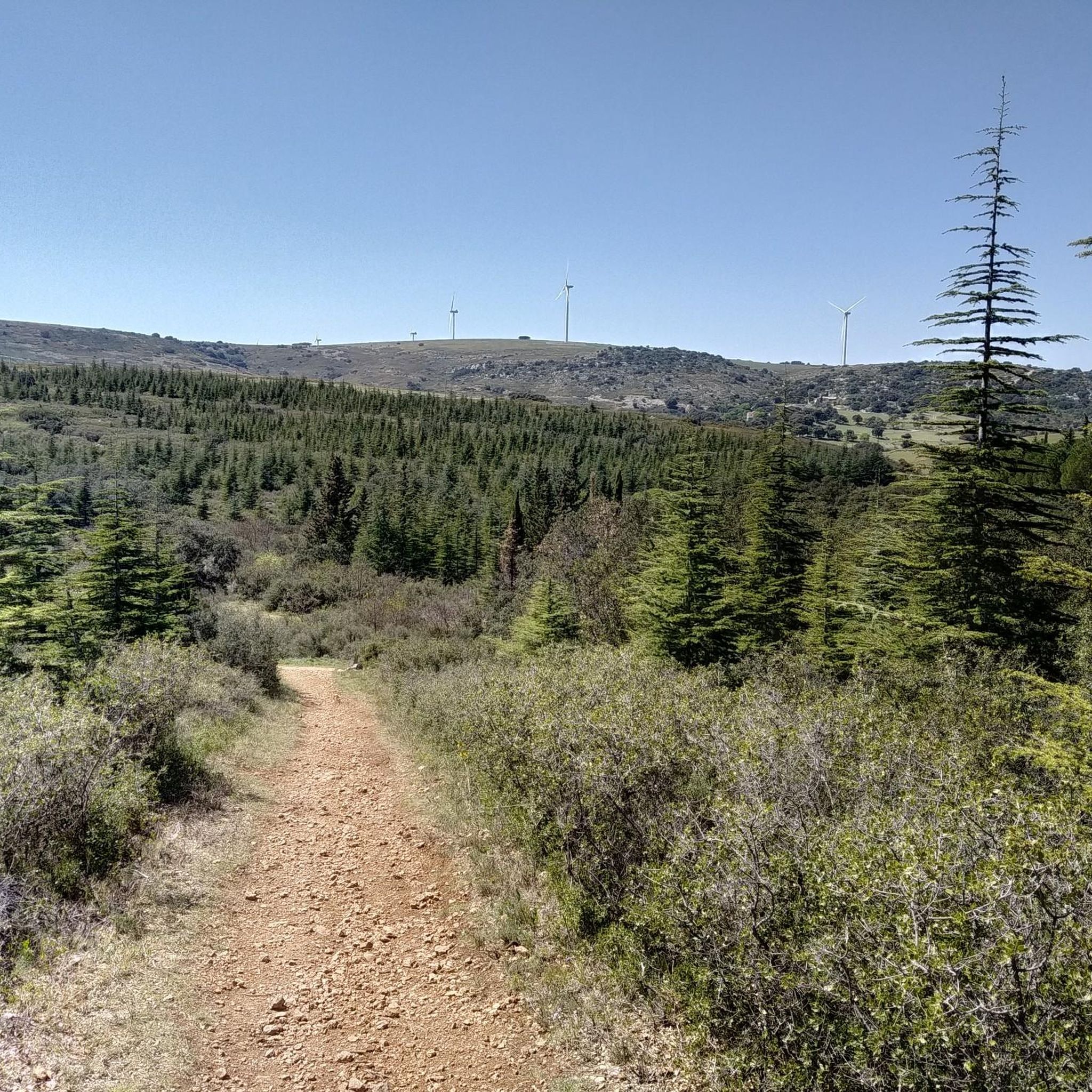
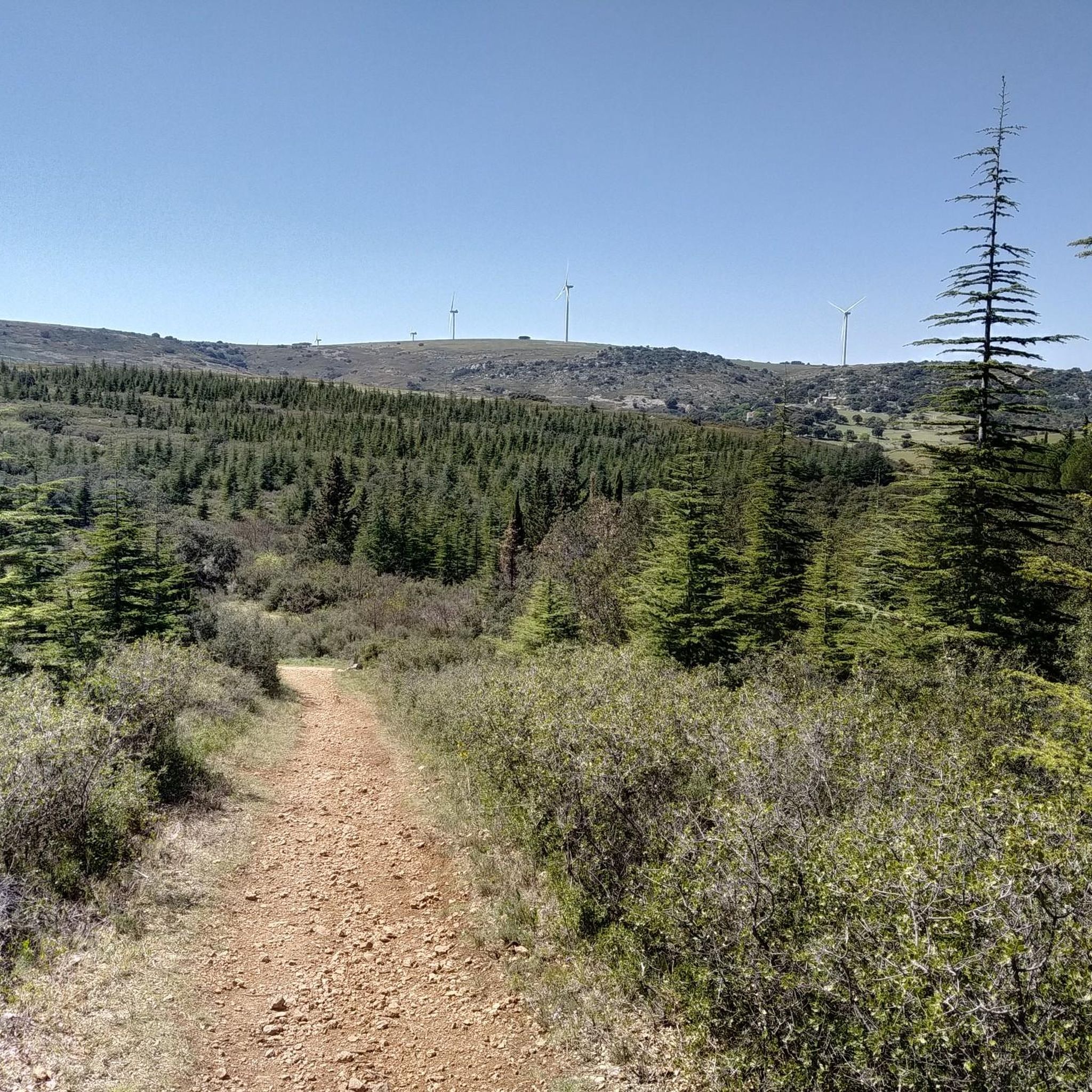
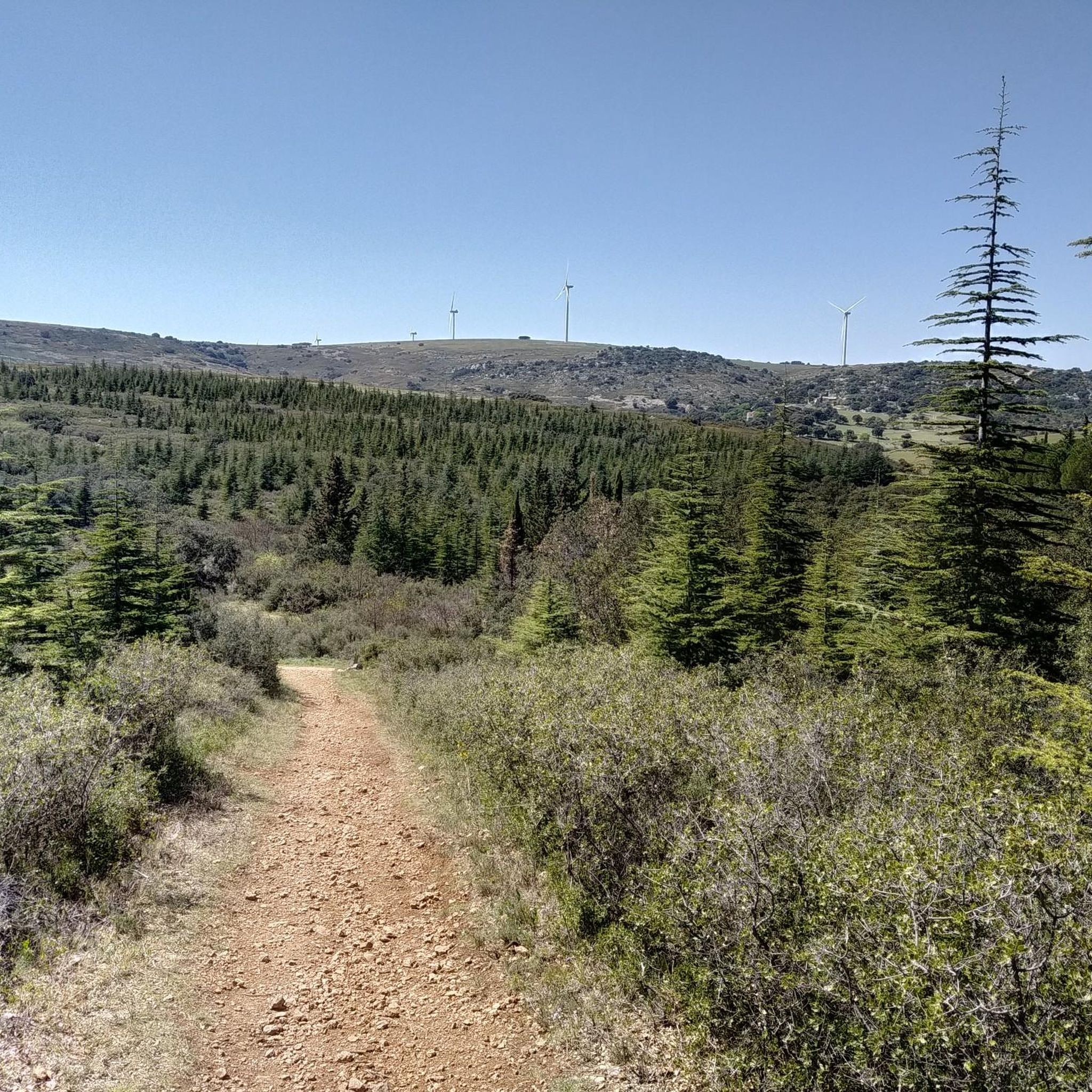
The Moure Hills offer a 13 km circuit for hikers, providing beautiful views over a wind farm and the surrounding landscape. The La Gardiole Massif, which Montbazin is situated near, also provides numerous possibilities for walks. For more structured routes, you can explore various trails in the wider region, with options for different difficulty levels. While specific hiking routes are not listed in the provided data, the area is rich with natural paths.
Can I go cycling around Montbazin?
Absolutely! Montbazin is an excellent base for cycling. There are numerous routes for different types of cycling. You can find options for gravel biking, road cycling, and touring bicycle routes, with distances ranging from easy to difficult. A popular option is the Cycle Path from Frontignan to Vic-la-Gardiole, offering scenic views between the sea and the pond.
Are there family-friendly activities or attractions in the area?
Yes, the region around Montbazin offers family-friendly options. The Salines de Villeneuve Nature Reserve is suitable for families to observe wildlife, particularly flamingos. The Mediterranean Garden within Montbazin village is also a pleasant green space for leisurely strolls. Additionally, the Cycle Path from Frontignan to Vic-la-Gardiole is highlighted as family-friendly, offering an enjoyable ride for all ages.
Where can I find panoramic views near Montbazin?
For breathtaking panoramic views, head to Mount Saint-Baudile, which offers expansive vistas of the coastline and surrounding areas. The Moure Hills also provide excellent viewpoints over Sète and the Etang de Thau. Additionally, the Route de la Taillade is known for its superb views, especially at the top.
What is the best time of year to visit Montbazin for outdoor activities?
The region around Montbazin, being in Occitanie, generally enjoys a Mediterranean climate. Spring and autumn are often ideal for outdoor activities like hiking and cycling, as temperatures are milder and the landscapes are vibrant. Summers can be hot, so early mornings or late afternoons are preferable for activities during this season. The Saint-Pierre Chapel also hosts cultural events and exhibitions during the summer.
What do visitors particularly enjoy about the attractions near Montbazin?
Visitors frequently praise the blend of historical charm and natural beauty. The Abbaye Saint Félix de Montceau is loved for its magnificent ruins and beautifully maintained gardens, often serving as a picnic spot. The Mount Saint-Baudile is cherished for its surprising chapel and always magnificent panoramic views. The Salines de Villeneuve Nature Reserve is appreciated for its 'magical' spectacle of pink waters and flamingos, offering a wonderful way through vast former salt pans.
Are there any specific sites for nature observation, like birdwatching?
Yes, the Salines de Villeneuve Nature Reserve is an excellent spot for nature observation, particularly birdwatching. It's an ideal breeding and feeding ground for various waterfowl, including flamingos, gray and egrets, avocets, plovers, terns, swans, and ducks. The Moure Hills and other protected natural areas around Montbazin also contribute to the region's rich biodiversity.
Is Montbazin known for any specific local heritage?
Montbazin has a strong viticultural heritage, evident in the numerous 19th-century Winegrowers' Houses throughout the village. Its origins as a stop on the ancient Via Domitia in the 2nd century BCE also highlight its historical importance as a central point in ancient urban and social organization, as seen at the Forum Domitii de Montbazin.
Are there any longer day trips or loops from Montbazin?
Yes, Montbazin serves as a good starting point for longer excursions. Larger hiking loops can lead you to the shores of the Thau basin and even to the beaches. For cyclists, there are numerous moderate to difficult routes, such as the 'Beautiful house on stream – Avy Spring loop' for gravel biking or the 'Sète Railway Drawbridge – Port of Sète loop' for road cycling, which can make for excellent day trips.
Most popular routes around Montbazin
Most popular attractions around Montbazin

Get inspired with the komoot mobile app


Explore more
Still not found the Highlight you’re looking for? See guides of the top attractions in other regions:
