Attractions and Places To See around Saint-Jean-De-Minervois - Top 20
Best attractions and places to see around Saint-Jean-De-Minervois include historical landmarks, natural features, and cultural sites within the Hérault department of France. The village is known for its Muscat wine and is situated on a limestone terroir, contributing to the region's distinct character. Visitors can explore the natural beauty of the Minervois region, including canyons and rivers, alongside ancient villages and vineyards. This area offers a blend of historical exploration and outdoor activities.
Best attractions and places to see around…
Last updated: July 6, 2026
Minerve
Highlight • Settlement
Translated by Google •
Tip by

Riols
Highlight • Settlement
Translated by Google •
Tip by

Sign up now to discover places like this
Get recommendations on the best single tracks, peaks, & plenty of other exciting outdoor places.
Sign up for free
Marie Close fashion show
Highlight • Gorge
Translated by Google •
Tip by

Le Brian
Highlight • River
Translated by Google •
Tip by

View of the Minerve bridges
Highlight • Bridge
Translated by Google •
Tip by

Sign up for free to discover even more attractions around Saint-Jean-De-Minervois.
Sign up for free
Already have an account?
Start today with a free account
Your next adventure awaits.
Login or Signup

Tips from the Community

Located in the Jaur valley, in the heart of the Hauts cantons of the Hérault, Riols is a vast rural village typical of the Haut-Languedoc. The village is intimately linked to the history of the abbey of Saint-Pons-de-Thomières, founded in the 10th century, on which it long depended. From the Middle Ages onwards, Riols was part of a network of monastic possessions. Even today, the old center retains its valley setting, crossed by the Jaur, around which the main routes and activities developed. The Pont-Vieux and several structures on the river bear witness to this close relationship between the village and its watercourse.
0
0

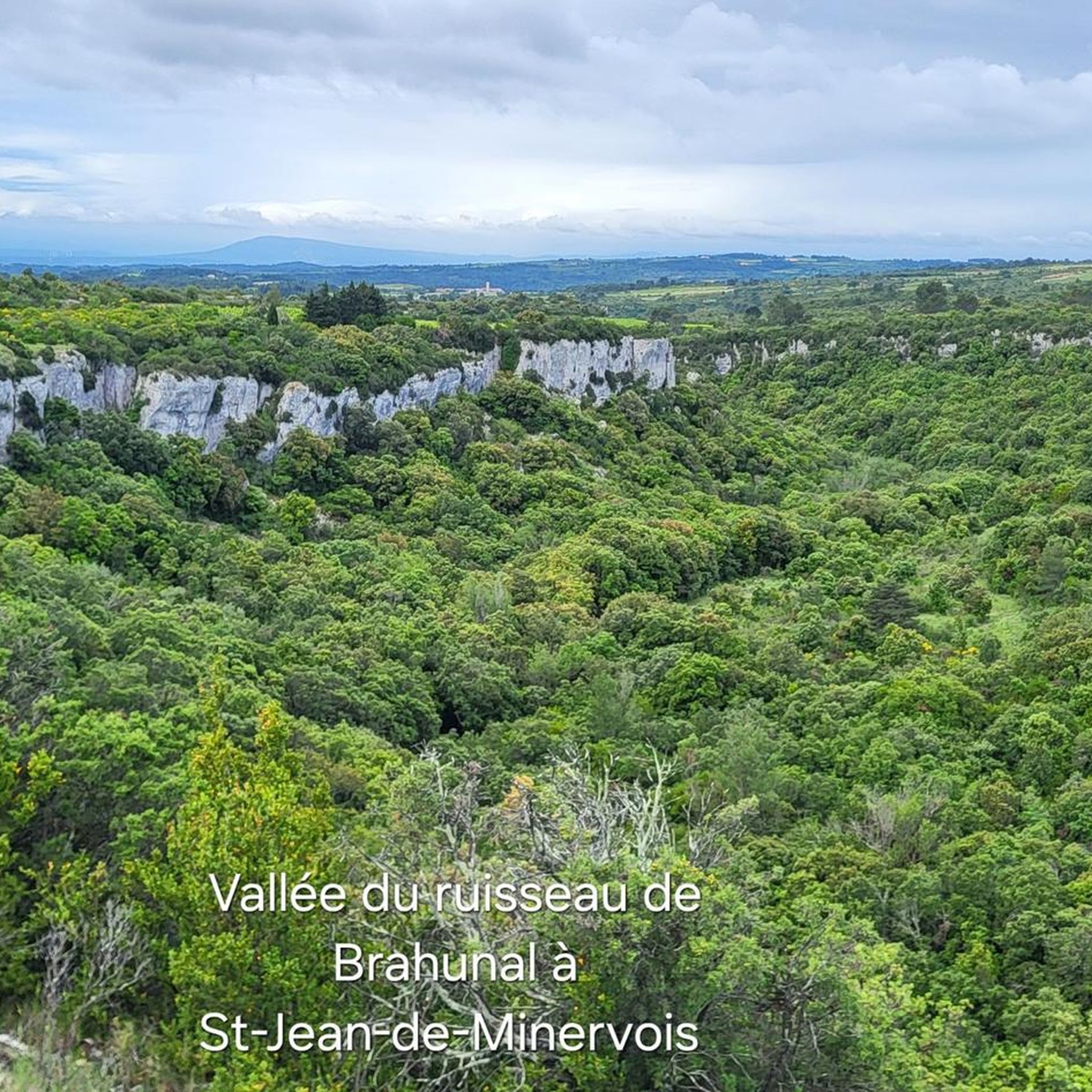
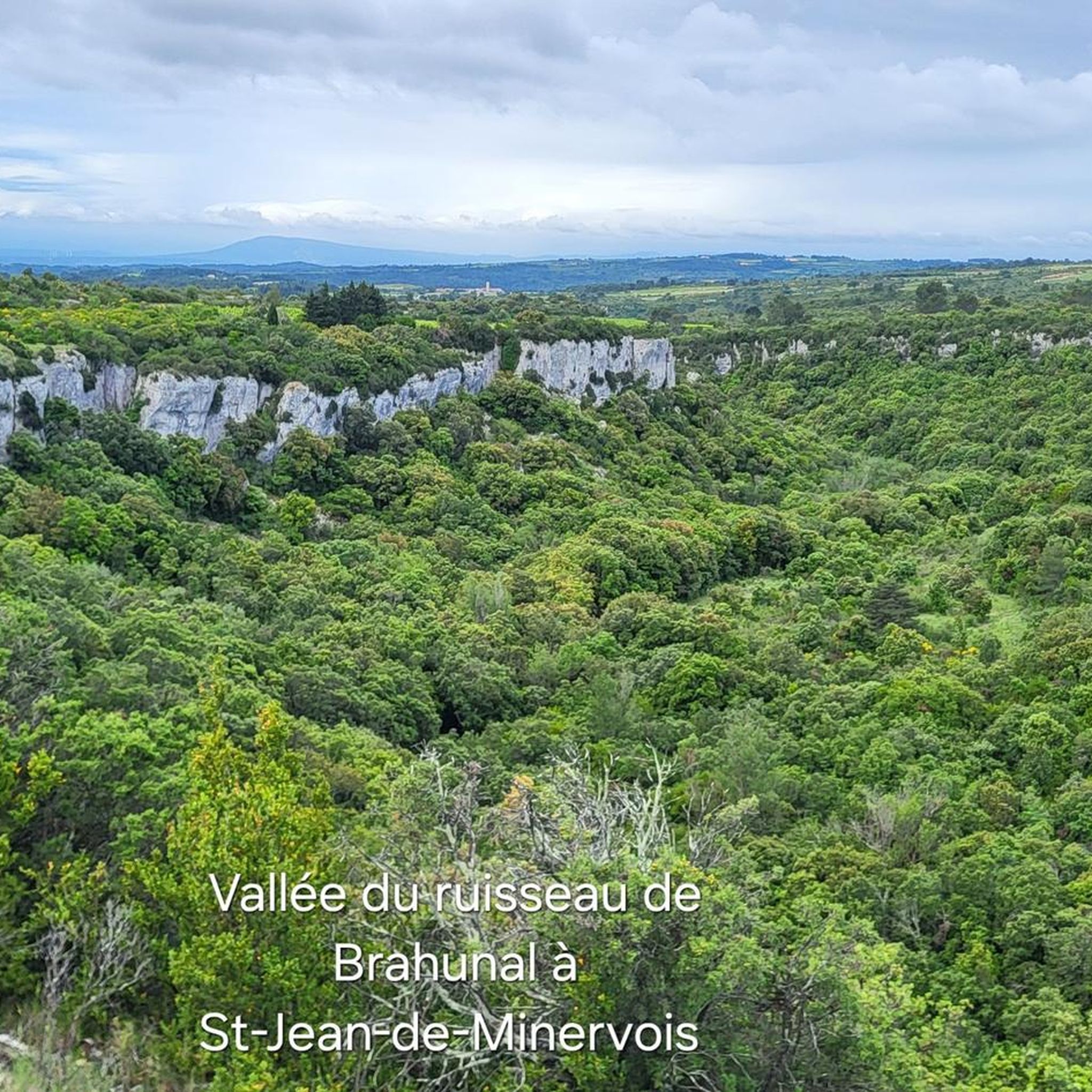
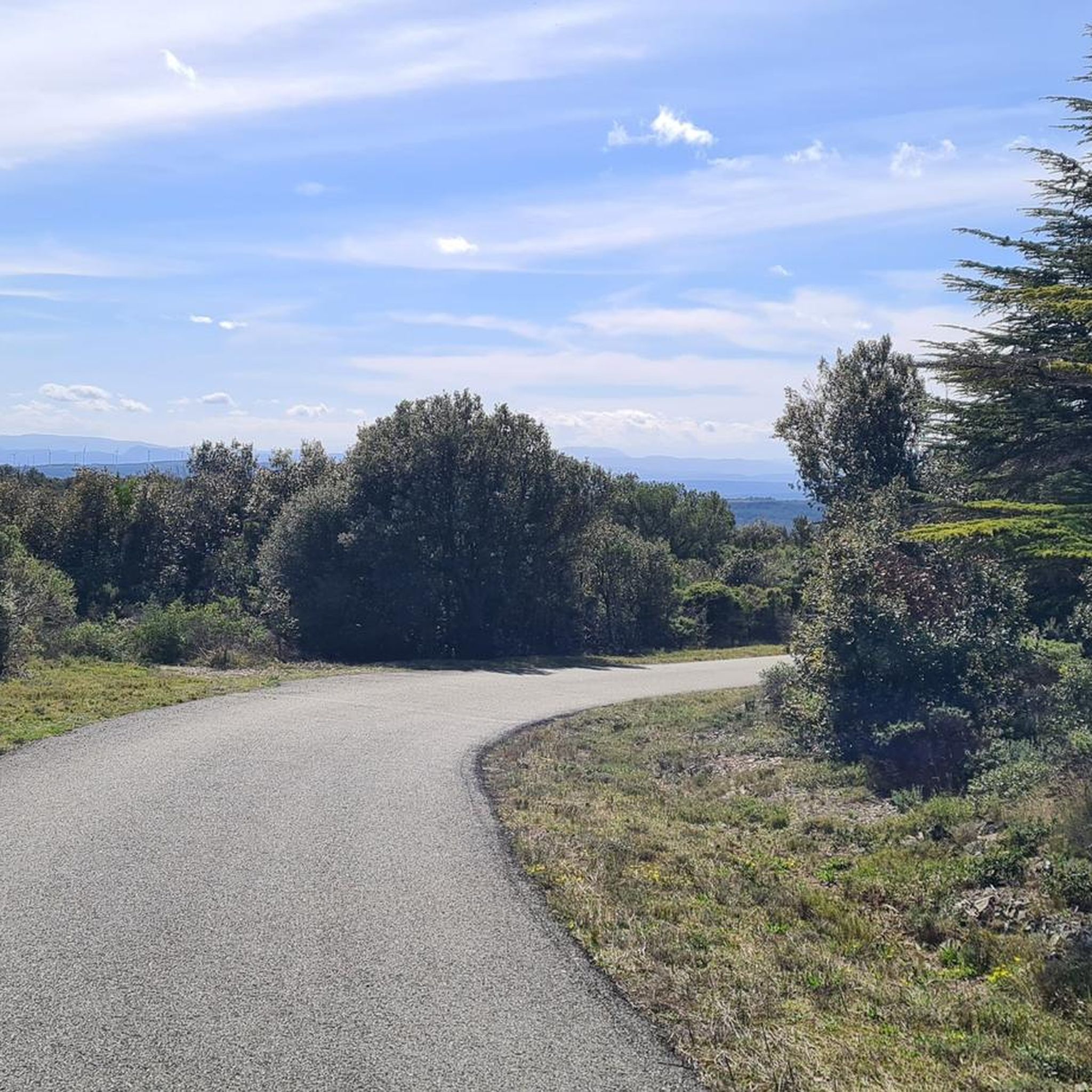
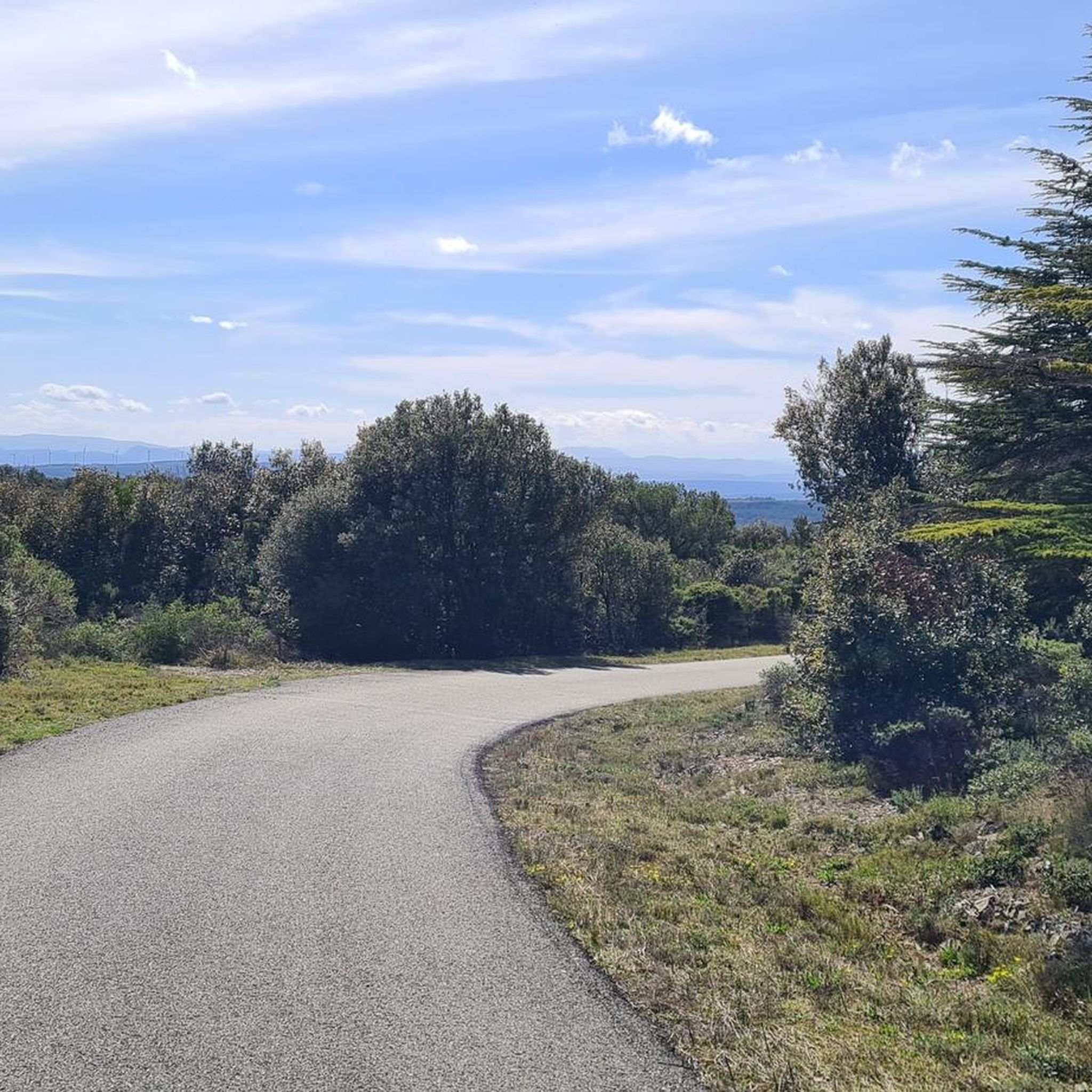
Several walking options are available. Either an out-and-back on the paved road starting from Cruzy (7.4km, 130m elevation gain), or a loop that turns towards Villespassans without actually reaching it, skirting around L'Estagnol and descending to the right to the Chapel of Sainte Foi (10km, 210m elevation gain). A small correction regarding the incorrect names: The first gorge at Roquefourcade (the village spring) is called Marie-Coquette, the ruined building after the small Chapel of Sainte Foi is called the Sainte Foi Sheepfold, and the second gorge that climbs towards Les Gyssières (Platières) is called Marie-Close. This walk is especially recommended after the spring rains when there is water in the Nazoure River and waterfalls at Marie-Close.
0
0


The village of Riols, a small industrial center specializing in draperies and woolens in the 19th century, is located on the "Passa Païs" greenway. Points of interest include the Banasse bridge over the Jaur river, the Church of Saint Peter and Paul, and its main thoroughfare, Rue Basse.
1
0

View of the wonderful Minerve from the other side of the bridge.
2
1

The town of Riols is located between Saint Pons de Thomières and Olargues, on the Passa Païs greenway. On either side of the Jaur valley, from Lake Vesoles to the former 19th-century Ardouane Abbey, this very large town has many hiking trails leading to the Monts du Somail. The magnificent Banasse bridge over the Jaur, as well as the Saint-Pierre-et-Paul church and the layout of Rue Basse, the main artery, bear witness to the prosperity of the textile industry, particularly drapery, from the 16th century. From the village, a small road leads to the Cabarétou pass, a real challenge for sporty cyclists. The Passa Païs Greenway invites fans of gentle journeys to daydream... The Notre-Dame-de-Trédos chapel, as emblematic as it is majestic, is worth the hike or bike ride leading to its doors. Our tips for starting your bike, walking, trail rides... in Riols: - The Place du Foirail car park is ideal if you are using your vehicle to get to the start. It is located on the right bank of the Jaur, south of the village. - Riols is served by LIO / Hérault Transport bus lines 682 and 685: https://plan.lio-occitanie.fr/fr/horaires/Riols/arret/RIOLS%20-%20CENTRE/LIO:1002511 - During the summer, from the beginning of July to the end of September, between Saint Pons de Thomières and Bédarieux, the buses on line 682 are equipped with racks allowing the transport of 6 bikes. A telephone reservation service is set up (09 72 57 44 45). A little bit of history: The history of Riols is linked to that of Saint-Pons-de-Thomières: in 936, the founding act of the abbey mentions the donation made to the monastery by Raymond Pons, Count of Toulouse, of the lands of Tarbouriech, Coumayres, Condades, Cassillac and Rieulets. In 940, the Archbishop of Narbonne gave the churches of Saint-Pierre-de-Riols and Notre-Dame-de-Tredos to the Abbot of Saint-Pons. In 1318, when the diocese of Saint-Pons was created, the Abbot became bishop and the monks formed the chapter of the cathedral. The income of the abbey was then separated: in Riols, the chapter retained the seigneurial rights over the lands of Garrigues, while the bishop retained the rest of the seigneury. During the Revolution, the rare possessions of the clergy and emigrants were sold. In the 19th century, Riols, with more than 2,000 inhabitants, became a small industrial center, with more than a dozen clothiers and wool mills.
1
0

The small town of Minerve has several natural and architectural treasures, including its famous bridges. The Grand and Petit bridges were dug by the Cesse and the Brian, while the viaduct bridge was built by man. Here, the two spectacles come together in the same landscape.
0
1
Frequently Asked Questions
What historical and cultural sites can I explore in Saint-Jean-de-Minervois?
The village itself is home to the Église de la Nativité-de-Saint-Jean-Baptiste and Église Saint-Martial de Saint-Jean-de-Minervois. A particularly intriguing site is the 12th-century Chapelle Saint-Jean de Dieuvaille, located in a deep gorge and accessible only on foot. You can also find numerous Capitelles, traditional dry-stone shelters, throughout the commune, offering a glimpse into the region's agricultural past. The village's history is deeply intertwined with its vineyards, believed to date back to Roman times.
Are there any natural attractions or features to visit near Saint-Jean-de-Minervois?
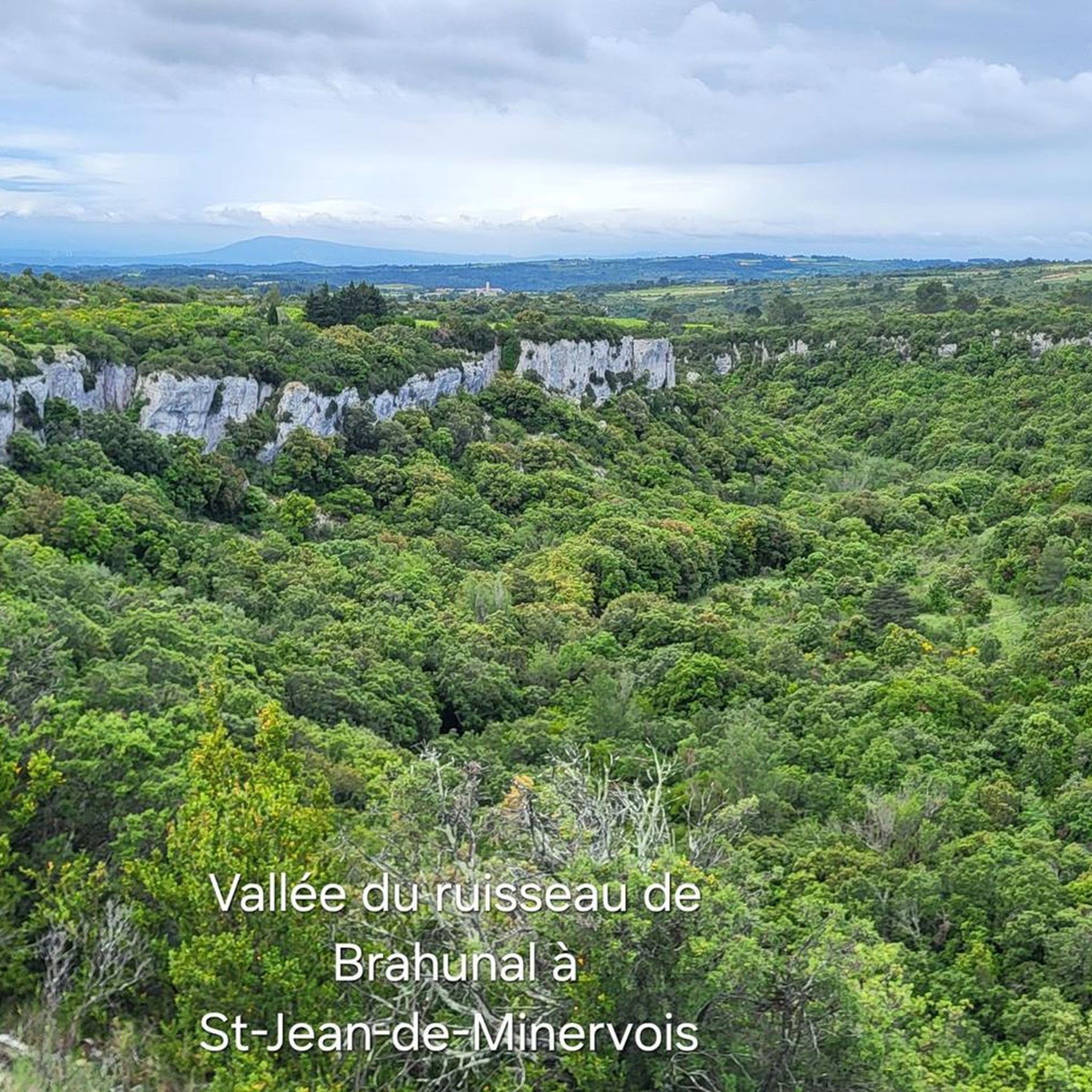
Yes, the region offers beautiful natural features. The canyon of Dieuvaille, where the Chapelle Saint-Jean de Dieuvaille is located, is an important area for birdlife. The village is surrounded by the rich natural beauty of the Minervois region, situated on a limestone terroir. The broader Haut-Languedoc Regional Nature Park is also a significant natural attraction in the vicinity. You can also explore the beautiful gorge of Le Brian river, which is suitable for walking.
What are some notable villages or towns to visit near Saint-Jean-de-Minervois?
Just 8 km away is Minerve, an ancient and picturesque village often cited as one of France's 'Most Beautiful Villages,' known for its stunning gorge setting and Cathar history. Approximately 6 km from Saint-Jean-de-Minervois, you'll find Aigne, a fortified village. Saint-Chinian, known for its market, is about 10 km away. Another interesting village is Riols, a former industrial center with historical buildings and access to the Passa Païs greenway.
What kind of outdoor activities can I do around Saint-Jean-de-Minervois?
The area is excellent for various outdoor activities. You can enjoy road cycling, touring cycling, and gravel biking. For road cycling, consider routes like the 'Roadbike loop from Saint-Jean-de-Minervois' or the 'Col de Coulouma loop from Assignan'. Touring cyclists might enjoy the 'Minerve – View of Minerve loop from Saint-Jean-de-Minervois'. Gravel biking options include the 'Cessenon-sur-Orb loop from Saint-Chinian'. You can find more details on these and other routes in our guides for Road Cycling, Cycling, and Gravel Biking around Saint-Jean-de-Minervois.
Are there any family-friendly attractions or activities in the area?
While specific family-focused attractions aren't highlighted, the natural beauty and historical sites offer engaging experiences for families. Exploring the ancient village of Minerve with its gorges and Cathar history can be an adventure. Gentle walks along rivers like Le Brian or exploring the Passa Païs greenway near Riols are suitable for families. The Grotte de la Devèze (14km away) could also be an exciting visit for older children.
What is the best time to visit Saint-Jean-de-Minervois?
The Minervois region generally enjoys a Mediterranean climate, making spring and autumn ideal for visiting. These seasons offer pleasant temperatures for exploring historical sites, vineyards, and engaging in outdoor activities like hiking and cycling. Summers can be hot, which is perfect for enjoying the rivers, but less comfortable for strenuous activities. The cooler nights at the village's higher altitude benefit the Muscat grapes, indicating a generally pleasant climate for much of the year.
What is the significance of the Muscat wine in Saint-Jean-de-Minervois?
Saint-Jean-de-Minervois is renowned for its Muscat wine. The Muscat de Saint-Jean-de-Minervois appellation, established in 1948, is one of the oldest and smallest in Languedoc, specifically known for its 'Muscat à petits grains' grapes. The village's history is deeply intertwined with its vineyards, which are believed to date back to Roman times. You can explore this heritage through the 'Oenorando du Petit Grain', a 7km wine walk.
Where can I see unique geological formations or bridges?
You can visit View of the Minerve bridges, which offers views of both natural and architectural bridges. The Grand and Petit bridges were naturally carved by the Cesse and Brian rivers, while a viaduct bridge was constructed by man. The village of Minerve itself sits dramatically on a rock at the confluence of these two rivers, creating a unique peninsula-shaped site.
Are there any specific hiking trails or walking opportunities?
Yes, the region offers several walking opportunities. The Chapelle Saint-Jean de Dieuvaille is only accessible on foot, providing a scenic hike into a deep gorge. The 'Oenorando du Petit Grain' is a 7km wine walk through the vineyards. The gorge of Le Brian is also very pleasant for walking, especially on the way to Minerve. The Marie Close gorge offers multiple walking options, including loops that explore the valley and its waterfalls, particularly beautiful after spring rains.
What do visitors enjoy most about the attractions around Saint-Jean-de-Minervois?
Visitors particularly appreciate the stunning natural beauty and rich history of the region. The village of Minerve is highly praised for its unique setting and historical significance, with visitors recommending exploring every corner. The gorges and rivers, such as Le Brian, are enjoyed for their scenic views and pleasant walking opportunities. The blend of ancient villages, vineyards, and natural landscapes creates a memorable experience for those interested in culture, history, and outdoor exploration.
What other significant historical sites are within a short drive?
Beyond the immediate vicinity, you can visit Fontfroide Abbey, a magnificent 12th-century abbey located approximately 29 km away. Further afield, about 43 km, is Carcassonne City, famous for its castle and ramparts, offering a significant historical experience. The Canal du Midi, a UNESCO World Heritage site, is also within reach for those interested in historical engineering and relaxing strolls.
Most popular routes around Saint-Jean-De-Minervois
Most popular attractions around Saint-Jean-De-Minervois

Get inspired with the komoot mobile app


Explore more
Still not found the Highlight you’re looking for? See guides of the top attractions in other regions:
