The best cycling routes around Plonéis
4.4
(481)
3,452
riders
291
rides
Touring cycling routes around Plonéis offer a diverse landscape in the heart of Brittany, France, characterized by a mix of paved and unpaved surfaces. The region features quiet country roads, disused railway lines, and towpaths, providing varied terrain for cyclists. Routes often traverse lush forests, picturesque farmland, and moorland, with elevations ranging from moderate to challenging. This area provides access to the broader Finistère department, known for its rural charm and proximity to coastal areas.
Best touring cycling routes around…
Last updated: June 26, 2026
4.7
(75)
356
riders
35.4km
02:21
320m
320m
Moderate bike ride. Good fitness required. Mostly paved surfaces. Suitable for all skill levels.
5.0
(19)
83
riders
34.2km
02:13
310m
310m
Moderate bike ride. Good fitness required. Mostly paved surfaces. Suitable for all skill levels.

Sign up for free
51
riders
Hard bike ride. Very good fitness required. Mostly paved surfaces. Suitable for all skill levels.
4.0
(1)
9
riders
80.8km
05:17
840m
840m
Hard bike ride. Very good fitness required. Mostly paved surfaces. Suitable for all skill levels.
4.8
(9)
23
riders
19.5km
01:20
210m
210m
Moderate bike ride. Good fitness required. Mostly paved surfaces. Suitable for all skill levels.
Get access to more routes and recommendations from other explorers.
Sign up for free
Already have an account?
Our route recommendations are based on thousands of hikes, rides, and runs completed by other people on komoot.
Start today with a free account
Your next adventure awaits.
Login or Signup

Tips from the Community

The mill of Saint-Alouarn belonged for a long time to the manor of the same name. The mill was built in the last quarter of the 16th century as a single-story building made of dressed stones. The mill was powered by an upstream reservoir, which was channeled to drive the wheel.
0
0

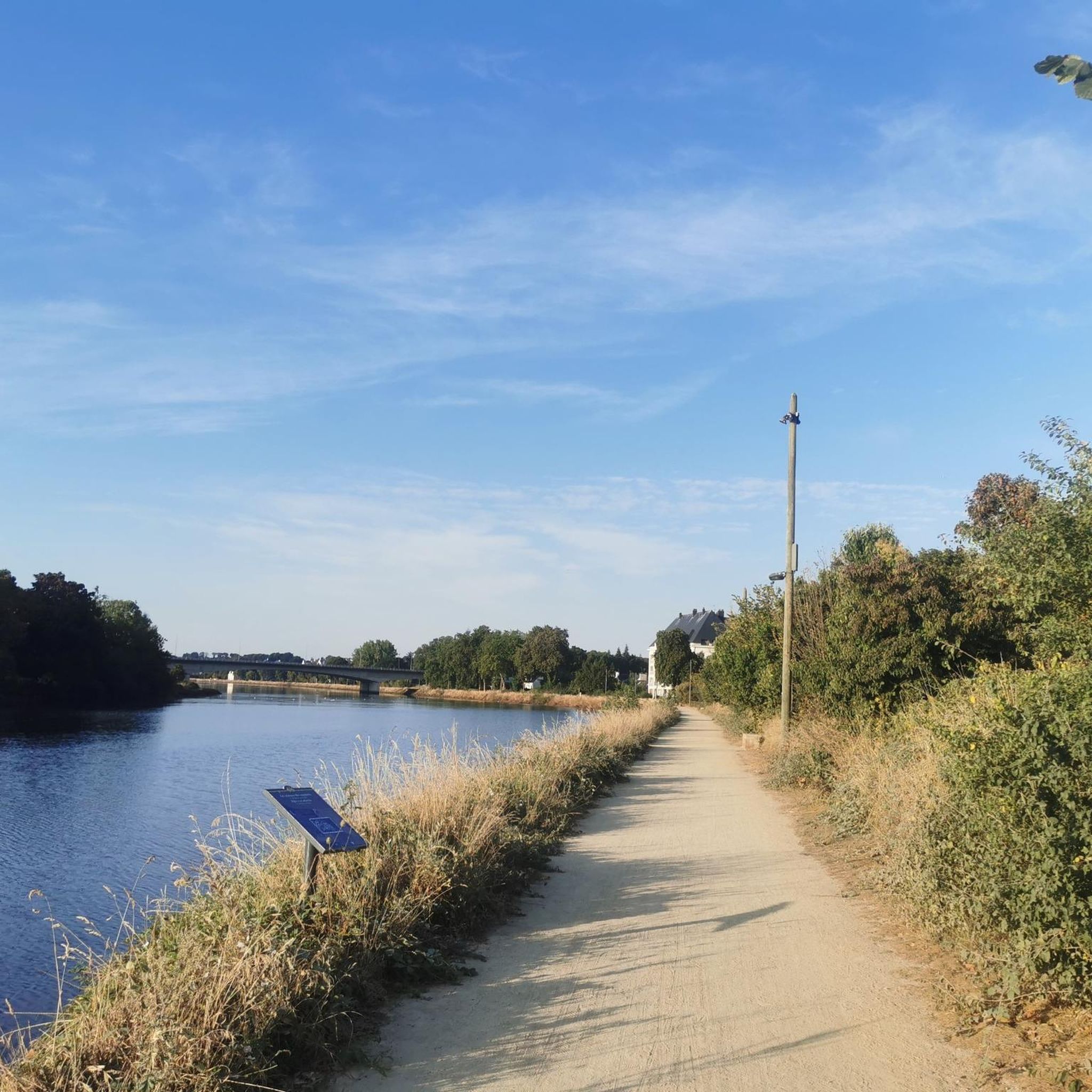
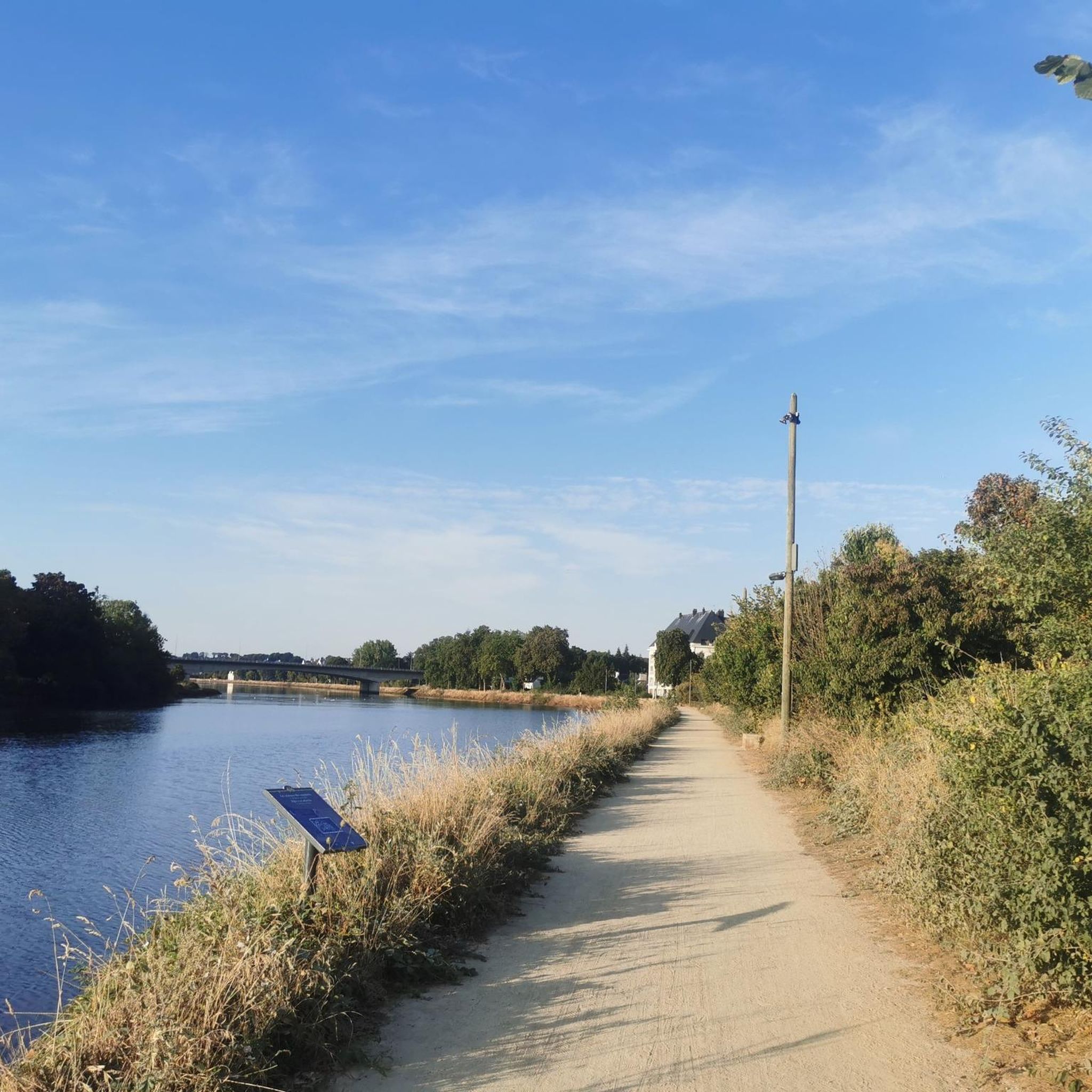
Bad condition, little gravel, more stones, you (and your bike) get shaken up quite a bit. Shady though.
0
0

The square is a really beautiful spot in Quimper.
0
0

In 1239, Bishop Raynaud commissioned the construction of Saint-Corentin Cathedral. It was built on the foundations of a Romanesque cathedral. Construction lasted three centuries. In 1410, the choir vaults were completed and the windows were installed. In 1424, construction began on the nave and the two towers of the facade. The reconstruction was completed in 1515. The two towers were finally finished between 1854 and 1856. A distinctive feature is its kink in the main axis. The reason for this design element is unclear. Several theories exist. One suggests that it emphasizes the crucifix. Another posits that it is due to the stability of the foundation. Yet another suggests that the kink reflects the inclined head of the crucified Jesus. Following the completion of renovations in December 1999, the cathedral can now be admired as it was decorated at the end of the 15th century. The same colors as in the original, i.e., ochre yellow and ochre red, were used in lime plaster on the rib vaults. Numerous chapels are situated around the chancel, dating from various periods between the 13th and 16th centuries. Excerpts from https://de.wikipedia.org/wiki/Kathedrale_Saint-Corentin
3
0

Saint-Corentin Cathedral - Quimper Saint-Corentin Cathedral was built on the foundations of a Romanesque church in Quimper, the capital of Cornouaille in Brittany. It is one of the three oldest Gothic cathedrals in Brittany, along with the cathedrals of Saint-Pol-de-Léon and Tréguier. Saint-Corentin Cathedral in Quimper is a historic building.
1
0


Not exactly a highlight for road cyclists. But still a beautiful building.
1
0

In the middle of the city, the two towers of the cathedral rise up.
1
0
Frequently Asked Questions
How many touring cycling routes are available around Plonéis?
There are over 300 touring cycling routes in and around Plonéis, offering a wide variety of options for different skill levels and preferences. These routes are highly rated by the komoot community, with an average score of 4.4 stars from over 540 reviews.
What kind of terrain can I expect on touring cycling routes near Plonéis?
The terrain around Plonéis is quite varied. You'll find a mix of paved and unpaved surfaces, including quiet country roads, dedicated greenways (Voie Verte), and converted railway lines like the Vine Table Line Rail Trail. Routes often traverse lush forests, picturesque farmland, and moorland, with elevations ranging from moderate to challenging.
Are there touring cycling routes suitable for beginners in Plonéis?
Yes, Plonéis offers several routes suitable for beginners. Approximately 54 of the routes are classified as easy, often utilizing the flat, dedicated greenways and former railway lines. These provide a comfortable and safe cycling experience away from traffic.
What are some of the more challenging touring cycling routes around Plonéis?
For experienced cyclists seeking a challenge, there are nearly 100 difficult routes around Plonéis. These routes feature significant elevation gains and cover longer distances. An example is The Grand Bridge of Douarnenez – Vine Table Line Rail Trail loop from Ty Hoant, a 50.1 km path with over 530 meters of elevation gain, passing through varied landscapes.
What interesting landmarks or attractions can I see along touring cycling routes near Plonéis?
While cycling around Plonéis, you can explore several notable attractions. The historic capital of Cornouaille, Quimper, is within reach, known for its Saint-Corentin Cathedral and elegant half-timbered houses. The charming 'Petite Cité de Caractère' of Locronan, with its cobbled streets and granite buildings, is also a highlight. You might also encounter the Saint-Mathieu Church or the serene Retreat Garden.
Are there family-friendly touring cycling routes in Plonéis?
Yes, many routes around Plonéis are suitable for families, especially those that follow the dedicated greenways (Voie Verte) and former railway lines like the Vine Table Line Rail Trail. These paths are generally flat, well-maintained, and offer a safe environment away from vehicular traffic. A good option is the Vine Table Line Rail Trail – Voie Verte loop from Guengat, which combines dedicated greenways for a smooth ride.
Can I bring my dog on touring cycling routes near Plonéis?
Generally, dogs are welcome on many of the greenways and quiet country roads around Plonéis, provided they are kept on a leash and you clean up after them. However, specific rules can vary, especially in nature reserves or private lands. It's always best to check local signage or specific route descriptions for any restrictions.
Are there circular touring cycling routes available from Plonéis?
Yes, many of the touring cycling routes around Plonéis are designed as loops, allowing you to start and end in the same location. This is convenient for those driving to the area. Examples include the Voie Verte – Vine Table Line Rail Trail loop from Penfrat and the Vine Table Line Rail Trail – Saint-Fiacre Church, Guengat loop from Plonéis.
What is the best time of year to go touring cycling in Plonéis?
Brittany, including the Plonéis area, is generally pleasant for cycling from spring through early autumn (April to October). The weather is milder, and the landscapes are vibrant. Summer months offer longer daylight hours, but spring and autumn can provide cooler temperatures ideal for longer rides, with fewer crowds.
Are there cafes or places to stop for refreshments along the cycling routes?
The rural charm of Plonéis and its surrounding villages means you'll often find small cafes, bakeries, or local restaurants in the towns and villages you pass through. While specific amenities vary by route, planning your stops in larger settlements like Quimper or Locronan will ensure you find options for refreshments and meals.
Is public transport available to access cycling routes around Plonéis?
Plonéis is a village, so direct public transport links to specific trailheads might be limited. However, you can often reach larger towns like Quimper by regional bus or train, and from there, cycle to the starting points of various routes. Brittany has a good network of long-distance cycling routes, some of which are accessible via public transport hubs. For more information on cycling in the broader region, you can visit France Vélo Tourisme.
Are permits required for cycling on trails in Plonéis?
Generally, no specific permits are required for cycling on the public greenways, former rail trails, or quiet country roads around Plonéis. These routes are freely accessible. However, if you plan to cycle through any private land or specific protected natural areas, it's always advisable to check for any local regulations or access restrictions.
Most popular attractions around Plonéis

Get inspired with the komoot mobile app


Explore more
Browse the best Cycling routes in other regions.
