The best walks and hikes around Plonéis
4.5
(645)
3,655
hikers
192
hikes
Hiking around Plonéis offers access to diverse natural landscapes within Brittany, France. The region features a mix of wooded areas, wetlands, and open countryside, providing varied terrain for outdoor activities. While Plonéis is inland, its proximity to the Finistère coast allows for routes that explore both rural scenery and the wider natural beauty of the area. The landscape is characterized by gentle elevations and a network of paths suitable for different hiking preferences.
Best hiking trails around Plonéis
- The most…
Last updated: June 26, 2026
4.4
(30)
256
hikers
7.47km
02:00
80m
80m
Easy hike. Great for any fitness level. Easily-accessible paths. Suitable for all skill levels.
4.3
(8)
35
hikers
8.54km
02:13
60m
60m
Moderate hike. Good fitness required. Easily-accessible paths. Suitable for all skill levels.

Sign up for free
4.5
(4)
32
hikers
4.84km
01:15
20m
20m
Easy hike. Great for any fitness level. Easily-accessible paths. Suitable for all skill levels.
4.0
(5)
14
hikers
8.62km
02:18
100m
100m
Moderate hike. Good fitness required. Easily-accessible paths. Suitable for all skill levels.
7
hikers
4.76km
01:17
60m
60m
Easy hike. Great for any fitness level. Easily-accessible paths. Suitable for all skill levels.
Get access to more routes and recommendations from other explorers.
Sign up for free
Already have an account?
Our route recommendations are based on thousands of hikes, rides, and runs completed by other people on komoot.
Start today with a free account
Your next adventure awaits.
Login or Signup

Tips from the Community

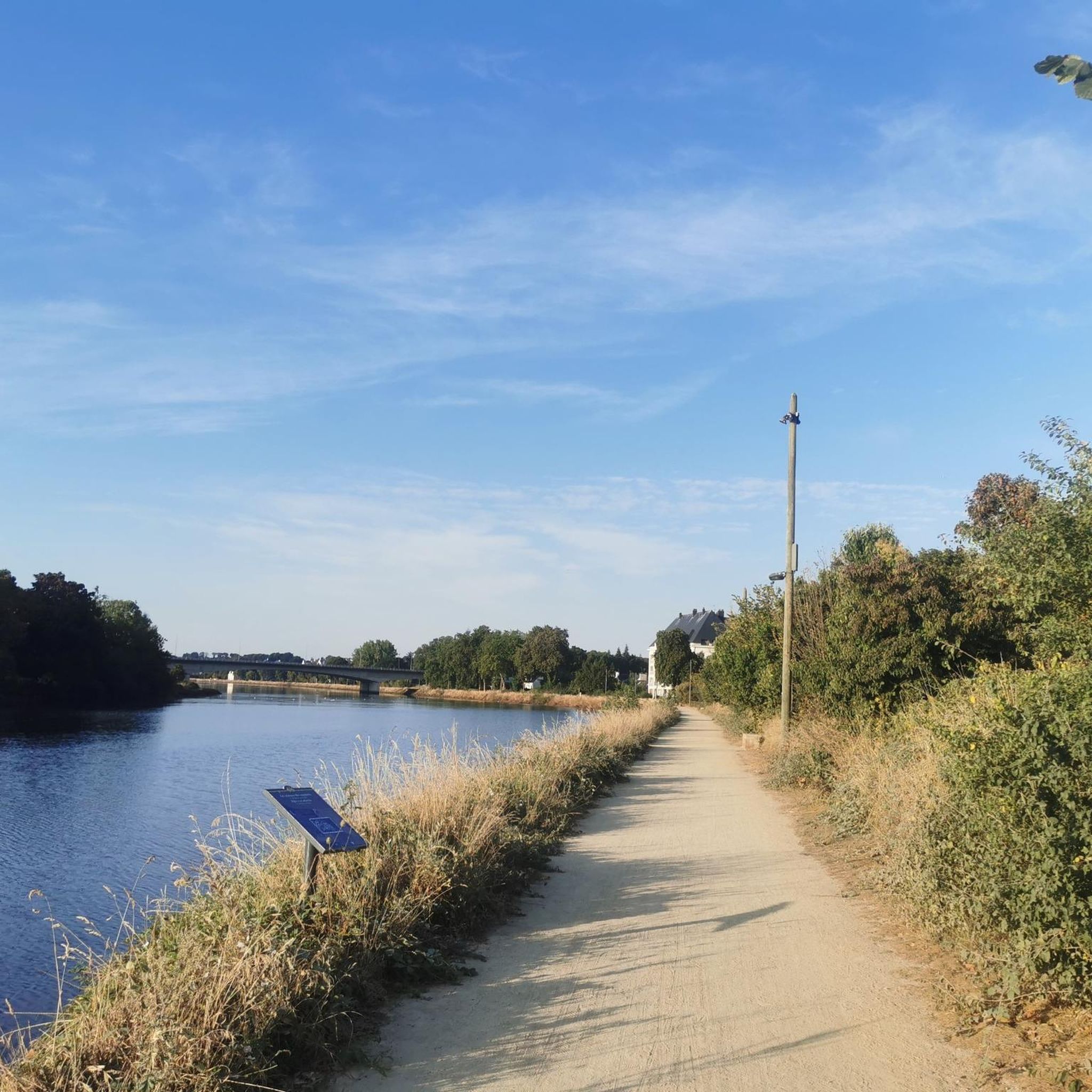
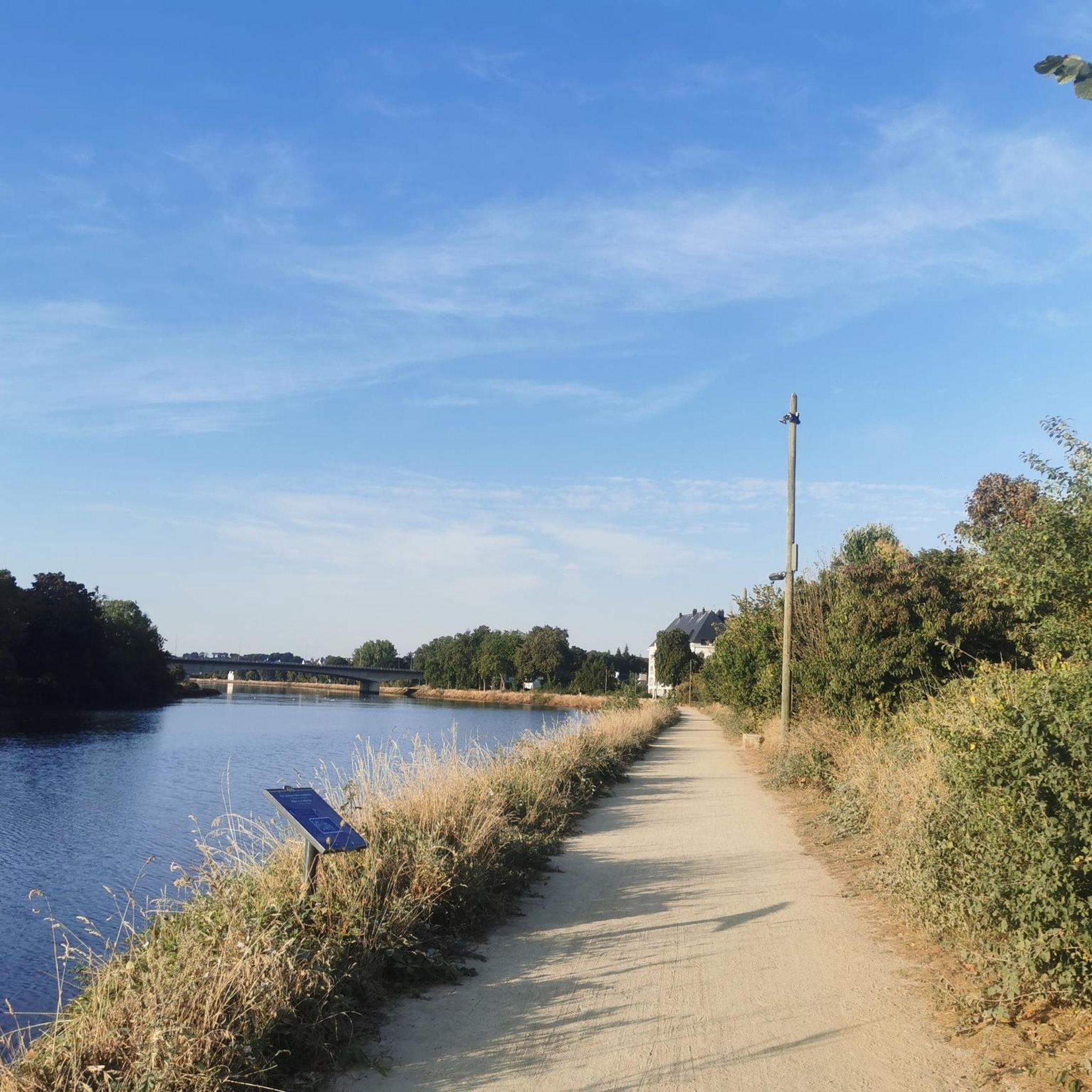
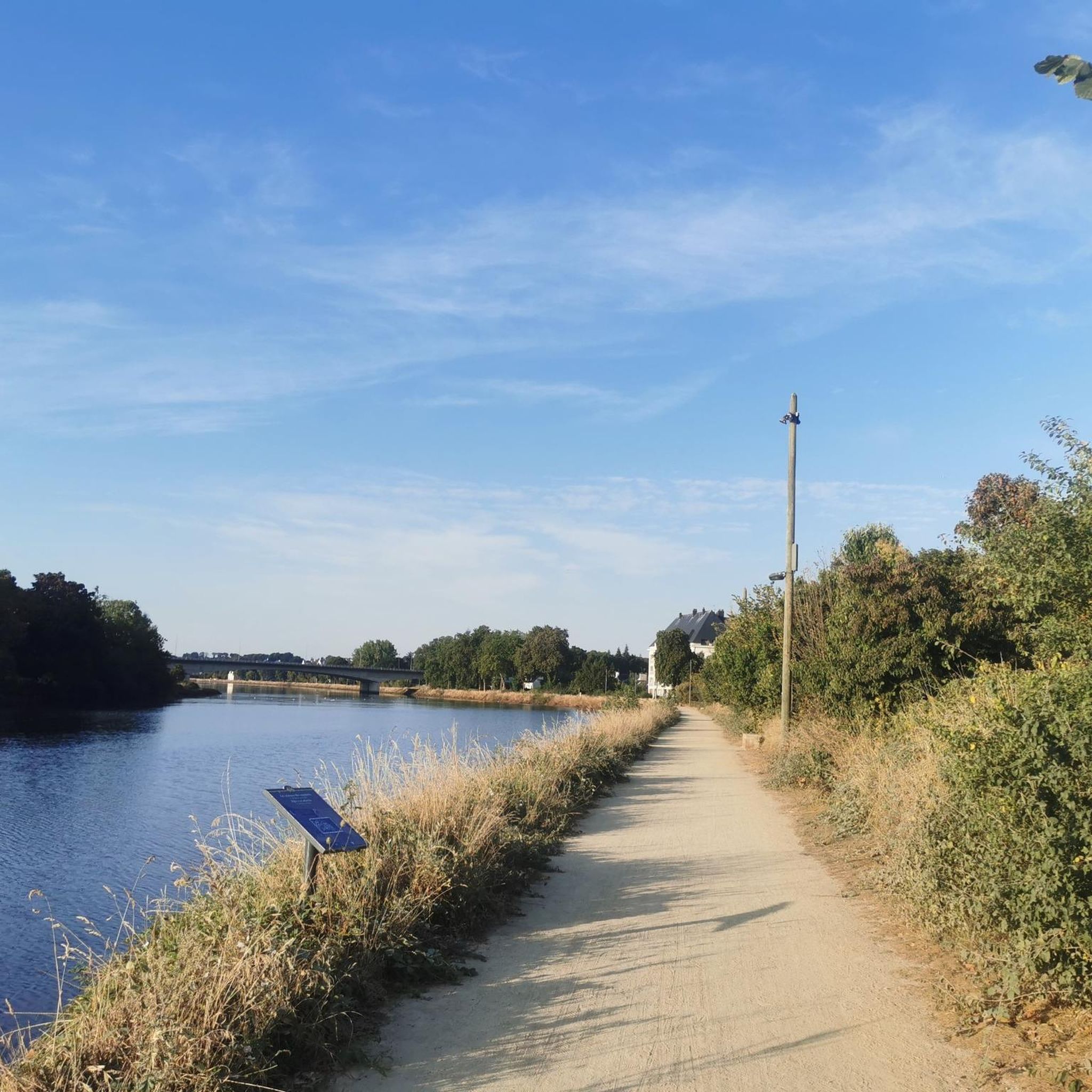
The Manoir de Poulguinan, with its outbuildings, looks picturesquely deserted. The road only slightly spoils the view.
1
0
In 1239, Bishop Raynaud commissioned the construction of Saint-Corentin Cathedral. It was built on the foundations of a Romanesque cathedral. Construction lasted three centuries. In 1410, the choir vaults were completed and the windows were installed. In 1424, construction began on the nave and the two towers of the facade. The reconstruction was completed in 1515. The two towers were finally finished between 1854 and 1856. A distinctive feature is its kink in the main axis. The reason for this design element is unclear. Several theories exist. One suggests that it emphasizes the crucifix. Another posits that it is due to the stability of the foundation. Yet another suggests that the kink reflects the inclined head of the crucified Jesus. Following the completion of renovations in December 1999, the cathedral can now be admired as it was decorated at the end of the 15th century. The same colors as in the original, i.e., ochre yellow and ochre red, were used in lime plaster on the rib vaults. Numerous chapels are situated around the chancel, dating from various periods between the 13th and 16th centuries. Excerpts from https://de.wikipedia.org/wiki/Kathedrale_Saint-Corentin
3
0
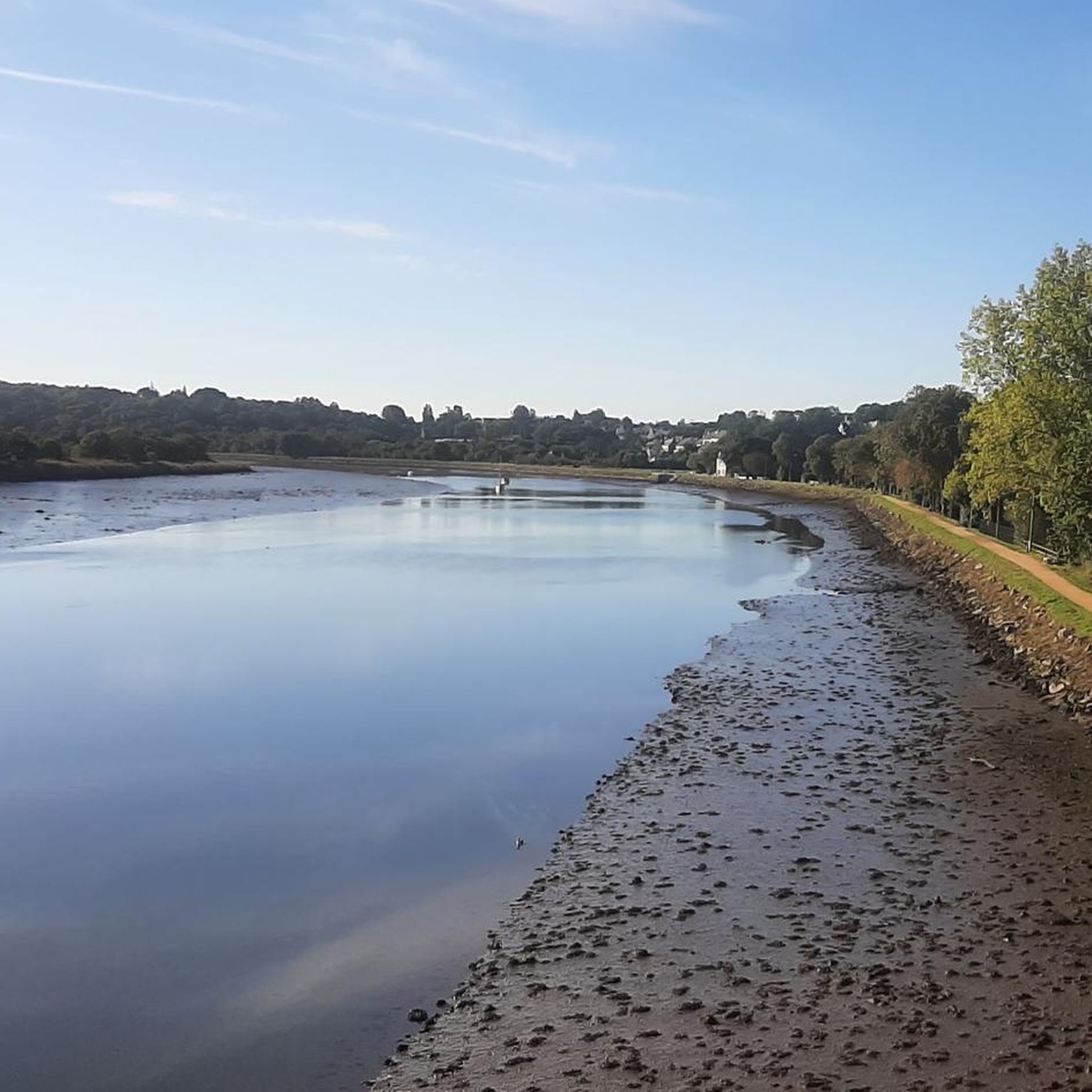
"The church, dedicated to Our Lady, was built around 1200 for a priory of the Abbey of St-Sulpice des Bois near Rennes. It is a three-aisled basilica in austere Romanesque form. A rugged, unarticulated crossing tower rises above the crossing. [...] The west façade and the portal were altered in the 16th century. In the 17th century, the priory buildings south of the church were rebuilt. A cloister wing, dating from 1670, has been preserved on the south wall of the nave. The priory was destroyed during the French Revolution. The church was not used as a parish church until 1857." https://de.wikipedia.org/wiki/Notre-Dame_(Quimper) The Jardin de Locmaria, located directly on the banks of the Odet River, is also beautiful, as it is already subject to the tides of the sea here.
1
0
The building of the Prefecture of the Finistère department offers an impressive view, particularly towards the river.
1
0

Saint-Corentin Cathedral - Quimper Saint-Corentin Cathedral was built on the foundations of a Romanesque church in Quimper, the capital of Cornouaille in Brittany. It is one of the three oldest Gothic cathedrals in Brittany, along with the cathedrals of Saint-Pol-de-Léon and Tréguier. Saint-Corentin Cathedral in Quimper is a historic building.
1
0

Not exactly a highlight for road cyclists. But still a beautiful building.
1
0

private manor, but it can be seen better from the Poulguinan bridge
1
0

In the middle of the city, the two towers of the cathedral rise up.
1
0
Frequently Asked Questions
How many hiking trails are available around Plonéis?
There are over 190 hiking routes around Plonéis, offering a wide range of options for different preferences and skill levels. This includes more than 110 easy trails and nearly 80 moderate paths, ensuring there's something for everyone.
Are there any easy, family-friendly hiking options in Plonéis?
Yes, Plonéis offers several easy trails perfect for families. For instance, the local Circuit n°1: Parcours de santé pour petits et grands is a leisurely 2.7 km loop starting from the town hall. Another great option is the Saint Fiacre Church, Guengat loop from Guengat, an easy 4.8 km route that takes you through pleasant countryside.
What kind of landscapes can I expect to see while hiking near Plonéis?
Hiking around Plonéis reveals a diverse array of landscapes characteristic of Brittany. You'll encounter charming wooded areas, tranquil wetlands, and open countryside panoramas. While Plonéis is inland, its proximity to the Finistère coast means you're also within reach of dramatic coastal views, rugged cliffs, and golden beaches, offering a rich variety of natural scenery.
Are there any circular walks available around Plonéis?
Many of the trails around Plonéis are circular, allowing you to start and end at the same point. A popular choice is the Steir Canal – Quimper loop from Quimper, an easy 7.5 km route that follows the canal. Another option is the local Circuit n°3: Vers le Belvédère, a more strenuous 6.2 km loop exploring wooded areas and wetlands with scenic views.
What are some notable natural attractions or viewpoints to discover on a hike?
The region around Plonéis is rich in natural beauty. The local Circuit n°3: Vers le Belvédère offers scenic panoramas of the countryside. Further afield, you can find breathtaking vistas from coastal points like Pointe du Grouin and Cap Fréhel. The area also provides access to the vast Parc Naturel Régional du Morbihan, known for its rugged coastlines and serene lakes.
Can I bring my dog on the hiking trails around Plonéis?
Many trails in the Plonéis area are dog-friendly, though it's always recommended to keep your dog on a leash, especially in nature reserves or areas with livestock. Local circuits and forest paths generally welcome dogs. Always check specific signage for any restrictions in protected areas.
What historical or cultural sites can I visit while hiking near Plonéis?
Beyond natural beauty, you can incorporate historical sites into your hikes. The nearby city of Quimper offers attractions like the impressive Saint-Corentin Cathedral and the charming Retreat Garden. The village of Locronan is also a short distance away, known for its historical charm. Within Plonéis itself, you might encounter the Château de Plonéis or ruins of a medieval castle.
What is the best time of year to go hiking in Plonéis?
The best time to hike in Plonéis is generally from spring through autumn (April to October). During these months, the weather is typically mild and pleasant, making for comfortable hiking conditions. Spring brings blooming flora, while autumn offers beautiful fall colors in the wooded areas. Summer is also popular, but can be warmer, especially on more exposed trails.
Are there any moderate difficulty trails for more experienced hikers?
Yes, there are nearly 80 moderate trails around Plonéis for those seeking a bit more challenge. For example, the Locmaria Garden – The Priory loop from Quimper is a moderate 7.7 km path that explores urban green spaces and historical sites. Another good option is the The banks of the Odet loop from Locmaria, a 8.6 km trail through riverine landscapes.
What do other hikers say about the trails in Plonéis?
The hiking trails around Plonéis are highly regarded by the komoot community, with an average rating of 4.5 stars from over 590 reviews. Hikers often praise the quiet woodlands, well-maintained paths, and the diverse scenery that blends countryside charm with glimpses of historical sites.
Are there options for public transport to reach hiking trailheads in Plonéis?
While Plonéis is a rural area, some local bus services might connect to nearby towns. For specific trailheads, especially those outside the immediate village, it's often more convenient to travel by car. However, routes starting from larger towns like Quimper, such as the Saint Corentin's Cathedral – Ramparts Garden loop from Quimper, are often accessible via public transport within those towns.
Most popular attractions around Plonéis

Get inspired with the komoot mobile app


Explore more
Browse the best Hikes in other regions.
