The 20 Most Amazing Peaks around Ceillac
Best mountain peaks around Ceillac are situated within the Queyras Regional Natural Park in the French Alps. This region offers a diverse array of mountain peaks, providing opportunities for hiking and panoramic views. The peaks offer insights into the region's unique geology and natural landscape. Ceillac serves as a base for exploring these high-altitude environments.
Best mountain peaks around Ceillac
- The most popular mountain peaks is Maljasset, a summit that is a small hamlet in the Ubaye valley at…
Last updated: June 23, 2026
Pain de Sucre Summit
Highlight • Summit
Translated by Google •
Tip by

Maljasset
Highlight • Summit
Between the mountains, the hamlet offers two gîtes which make an excellent stopover …
Translated by Google •
Tip by

Sign up now to discover places like this
Get recommendations on the best single tracks, peaks, & plenty of other exciting outdoor places.
Sign up for free
Tête de la Frema
Highlight • Summit
Translated by Google •
Tip by
Rocca Senghi
Highlight • Natural Monument
Translated by Google •
Tip by

Col Blanchet (2997 m)
Highlight • Mountain Pass
Tip by

Sign up for free to discover even more peaks around Ceillac.
Sign up for free
Already have an account?
Start today with a free account
Your next adventure awaits.
Login or Signup
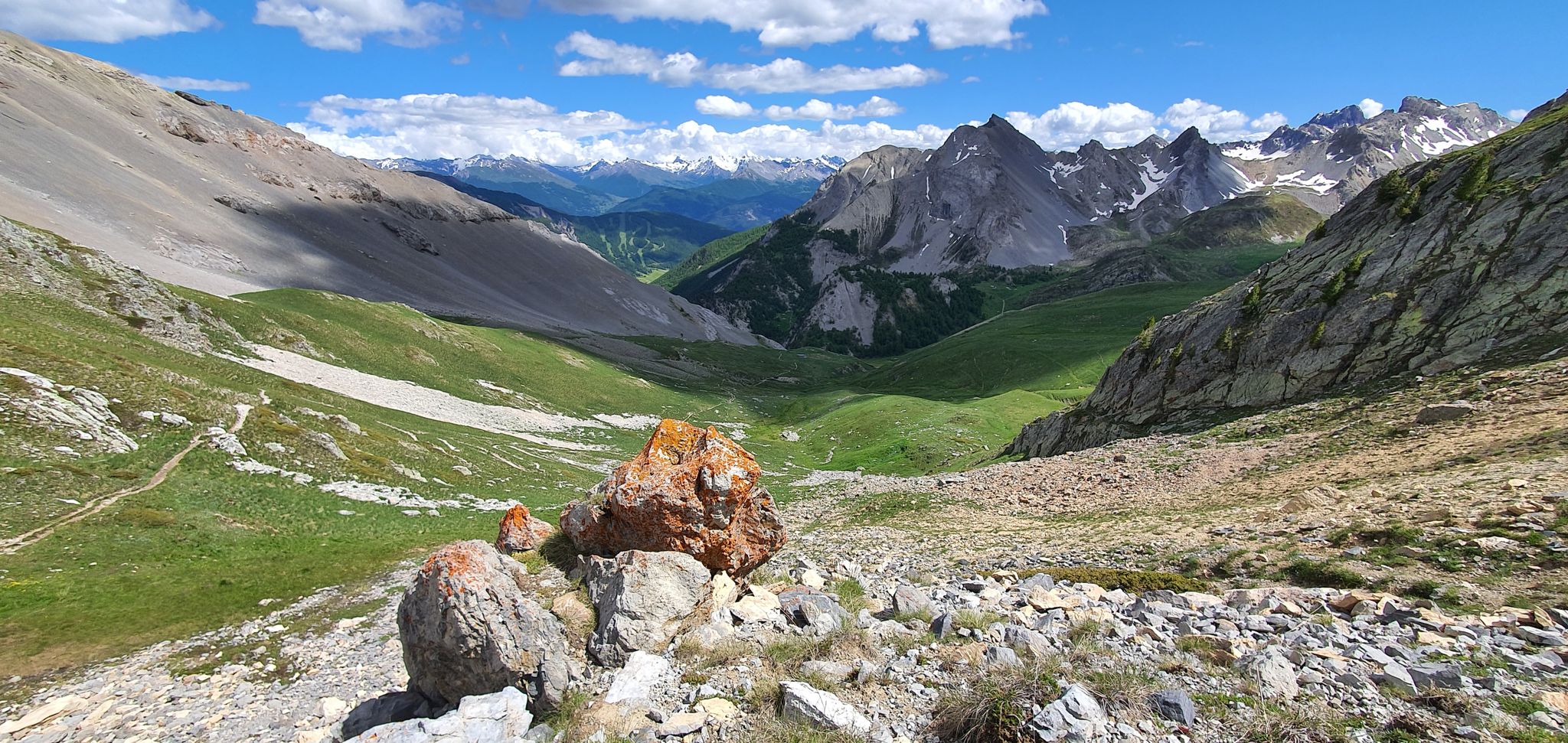
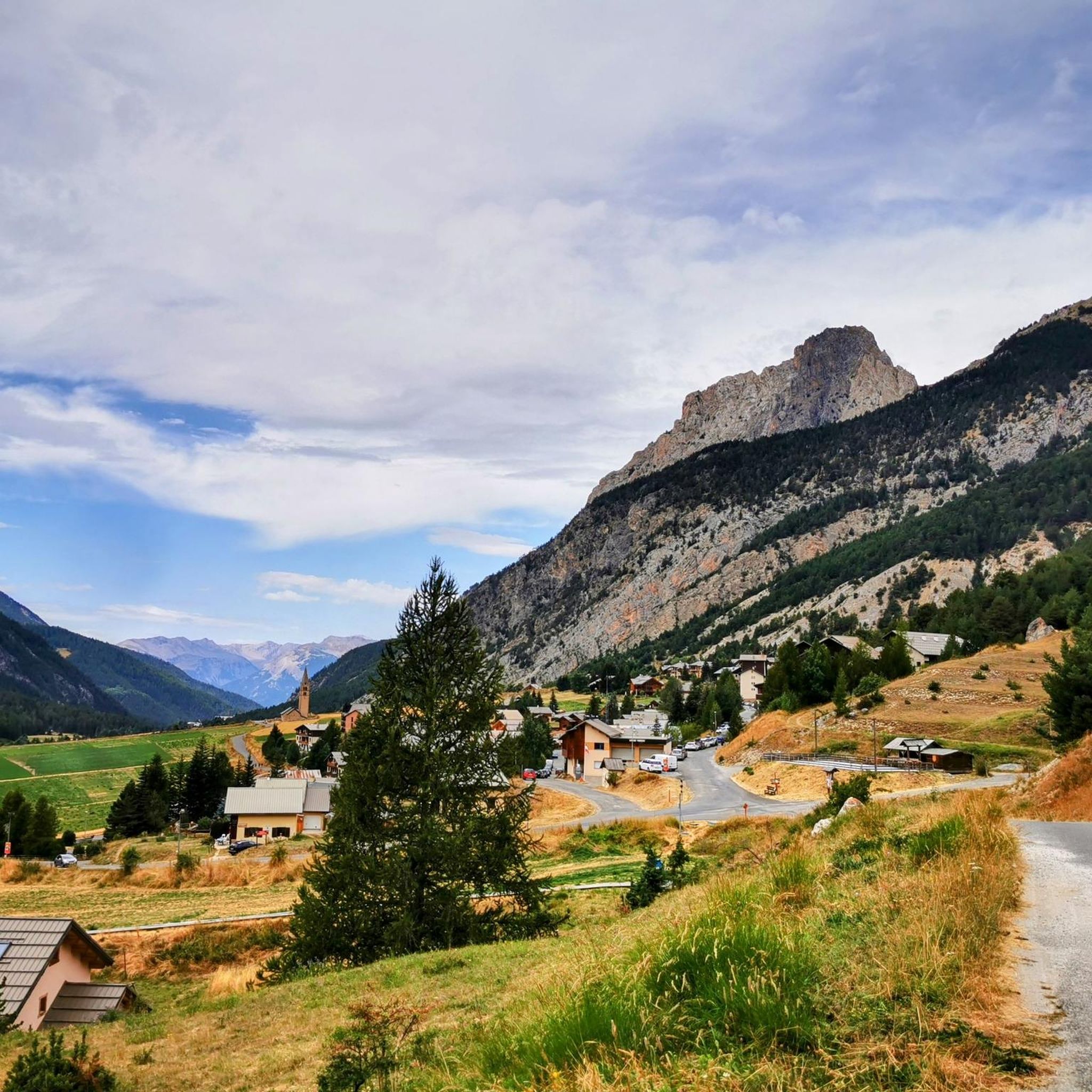
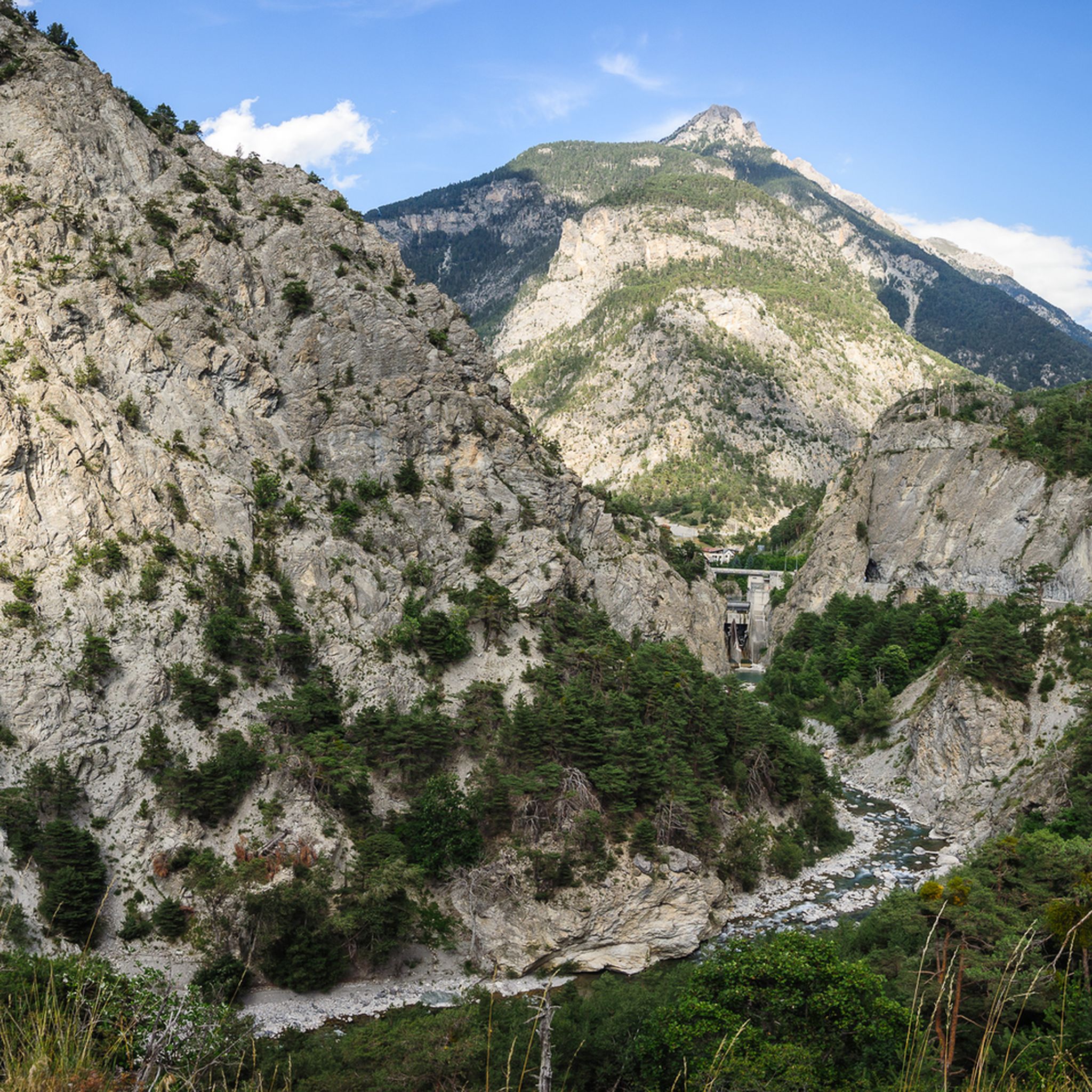
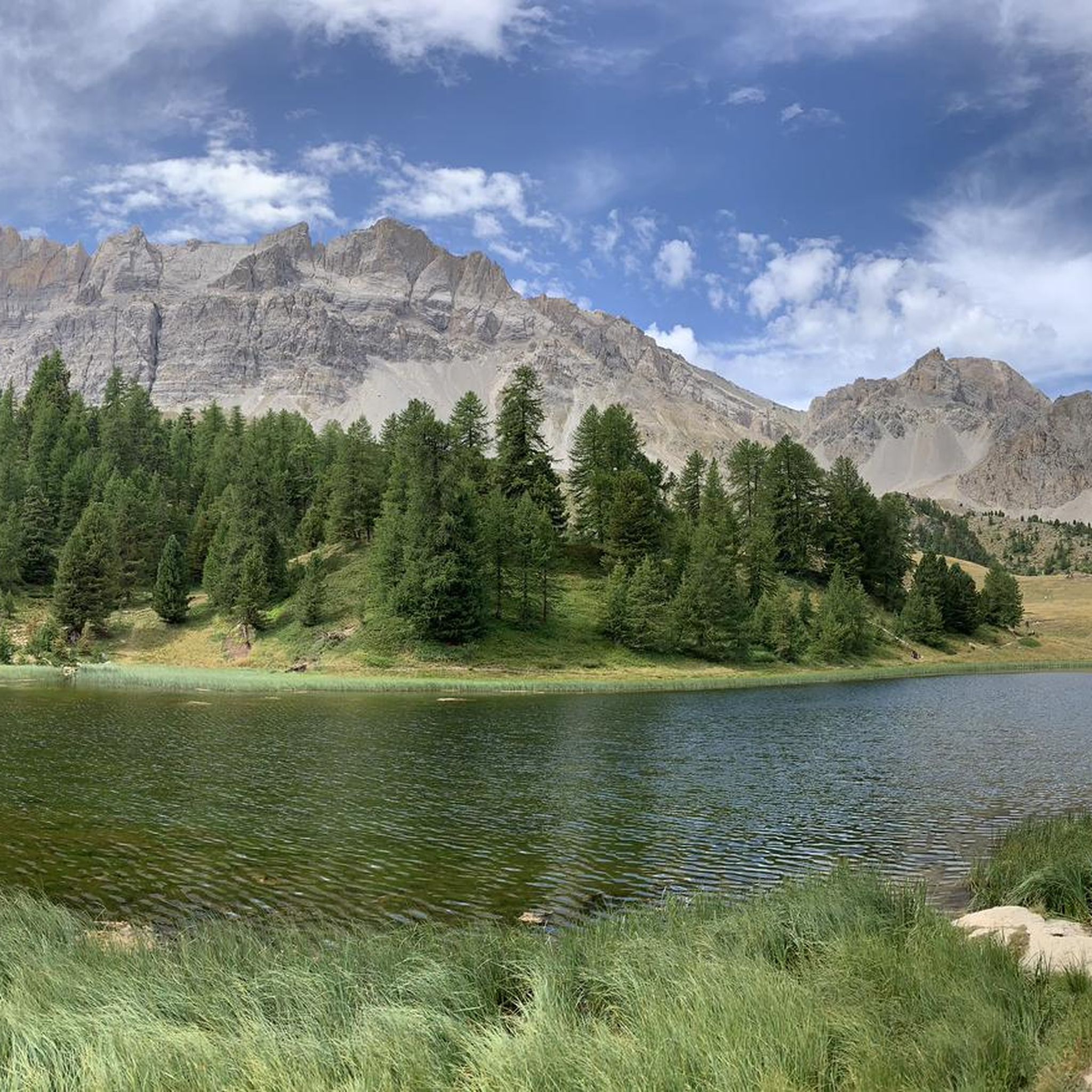
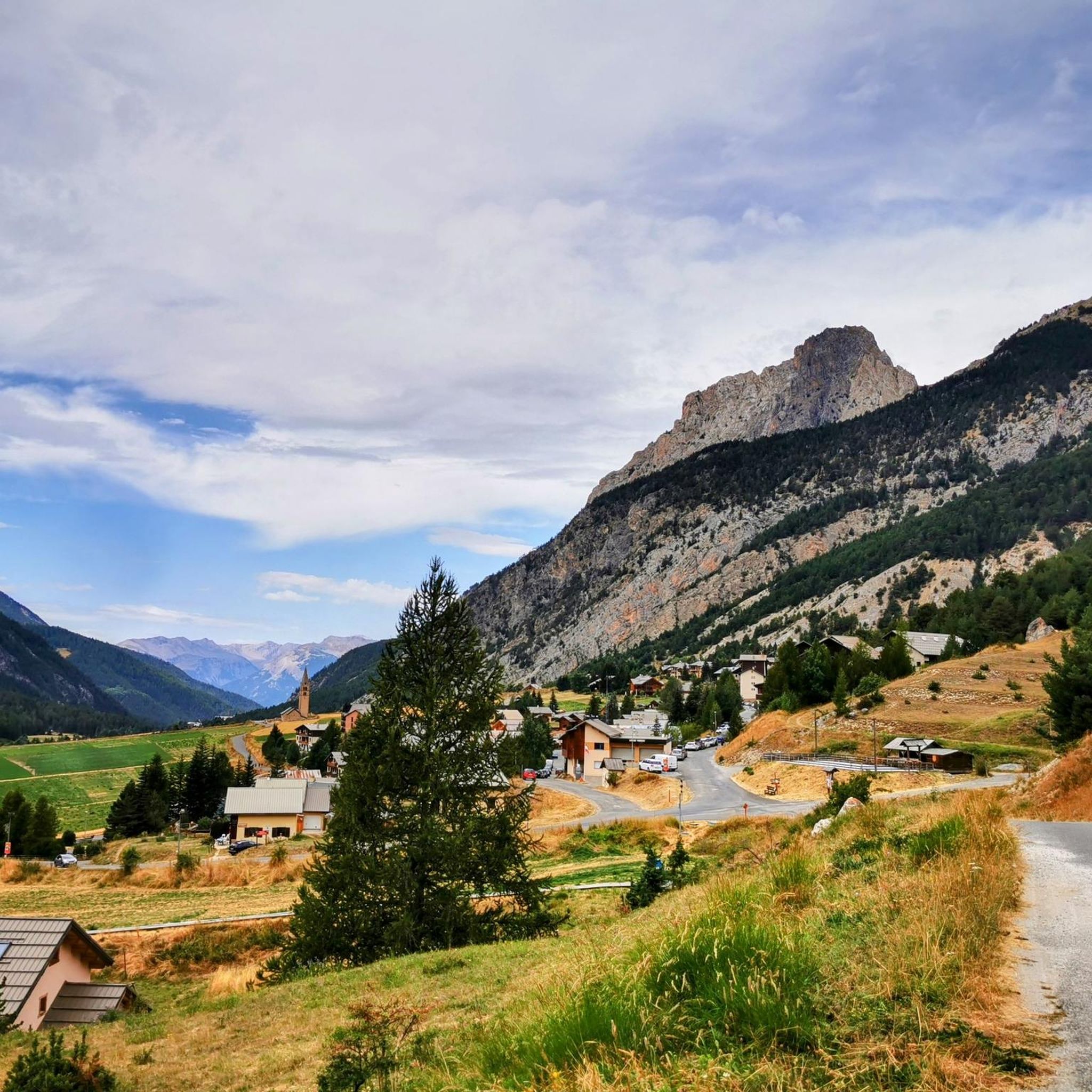
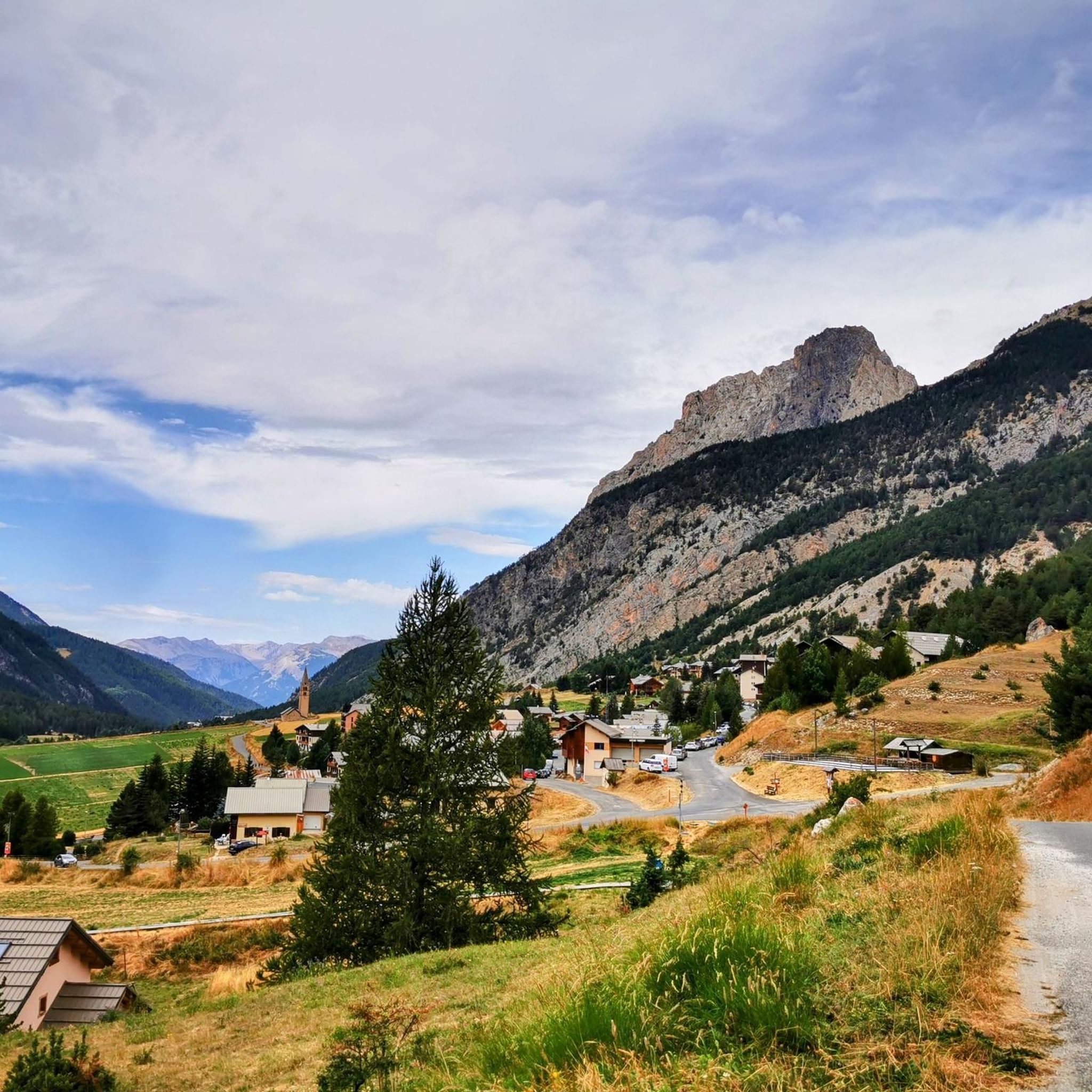

Other adventures around Ceillac

Tips from the Community


https://youtu.be/JFu9Uf70ECw?si=5jd76ATJkKHsYo-D Pushing up a manageable, sustainable steep section from the lake. Then it's like a high plateau, and from here you can roll down towards the Ubaye Valley via Longet without much difficulty. I initially planned to reach the Ubaye Valley via the Noir, but it was so steep to push that I quickly switched to the Blanchet/Longet route. The two passes start more or less 100 meters from the lake. I can't imagine that going down to the lake would be any fun on the Noir either.
0
0
https://youtu.be/JFu9Uf70ECw?si=5jd76ATJkKHsYo-D The village is quite high up, and beyond that, there's nothing else except a church. The lonely church looks like it could be in Mexico, with its wall and arched entrance. Tourists can get food here.
0
0

The altitude of Col Blanchet needs to be corrected, it is 2897 metres
0
0

Beautiful excursion to reach the summit at 2450m, passing through a series of hairpin bends on a very steep slope, an old military bunker and a dark tunnel that can be travelled through in via ferrata mode.
0
0

The summit is located at 3209 meters above sea level on the border of France and Italy. You get beautiful 360 degree views, with Monte Viso (paramount logo) and Mont Blanc filling the view. In my experience the climb was challenging. The paths were not always clear, so we took the wrong path twice and had to climb instead of walking. I recommend staying in group to avoid doubt and follow the gravel path. Despite the brief fear, it was definitely worth it!! Top experience
0
0

Steep and steep path. Panoramic and satisfying summit
2
0

A very accessible "3000" and a flagship climb of the Queyras. The view at the top is incredible, the Viso seems very close, the slender peak of Asti is within reach, the Alps stretch as far as the eye can see, the Po plain is often lost in a sea of clouds... You can access it from the old pass, there is a road car park just below, open in season. Also, the climb is steep and there can be a lot of people. The last meters are a bit sporty, you have to climb on slabs and put your hands on it a bit. Another gravel path exists on the left.
1
0
Frequently Asked Questions
What are some of the most prominent mountain peaks in the Ceillac region?
The Ceillac region, within the Queyras Regional Natural Park, features several notable peaks. Among them are the Pics de la Font Sancte, the highest point in the Queyras massif, and Péouvou, known for its challenging ascent and panoramic views. Other significant peaks include Pointe de la Saume and Crête des Chambrettes.
Which peaks offer the best panoramic views in the Ceillac area?
For breathtaking panoramic views, consider Péouvou, which offers a 360-degree vista including Mont Blanc and the Barre des Écrins. The Crête des Chambrettes also provides sublime views encompassing the Queyras, Écrins, Vanoise, and Italy, with a particularly striking perspective of the Font Sancte. Additionally, the Pain de Sucre Summit offers a panoramic view of the French, Swiss, and Italian Alps, including Mont Viso and Mont Blanc.
Are there any historical sites or unique natural monuments among the peaks?
Yes, the Crête des Chambrettes features a restored 19th-century optical signaling post, adding a historical dimension to its scenic hikes. The Rocca Senghi is a unique natural monument with a distinctive rock formation and an old war tunnel near its summit, accessible via a via ferrata or path.
What are the most challenging mountain peaks for experienced hikers in Ceillac?
Experienced hikers seeking a challenge can tackle the Pics de la Font Sancte, especially its North peak, which offers a true high-mountain atmosphere. The Pointe de la Saume also presents demanding hikes, typically classified as 'very difficult' due to significant elevation gain. The ascent to Péouvou is another challenging but rewarding climb.
What kind of natural features can I expect to see when hiking the peaks around Ceillac?
Hiking the peaks around Ceillac reveals diverse natural beauty. You can find larch forests, especially around Lac de Clausis at the foot of Péouvou. The Vallon des Pelouses near Pointe de la Saume is known for its alpine flowers and marmots. The region also features varied geological landscapes, such as the interface of 'calcareous Queyras' and 'schistose Queyras' near Pointe de la Selle.
Are there any long-distance treks that incorporate these mountain peaks?
Yes, the 'Tour de la Font Sancte' is a long-distance hiking trail that circles the area of the Pics de la Font Sancte, providing a challenging multi-day trek through diverse landscapes.
What outdoor activities can I do near the mountain peaks of Ceillac?
Beyond peak bagging, the Ceillac region offers a variety of outdoor activities. You can find numerous hiking trails, such as the 'Lac Miroir and lac Sainte-Anne from Ceillac in a loop'. For cycling enthusiasts, there are routes like the 'Footbridge over the Guil – Eygliers Lake loop'. Running trails, including the 'Lac Miroir and Lac Sainte-Anne Loop Trail', are also popular. You can explore more options on the Hiking around Ceillac, Cycling around Ceillac, and Running Trails around Ceillac guide pages.
What do visitors enjoy most about the mountain peaks around Ceillac?
Visitors frequently praise the incredible panoramic views, especially from summits like Pain de Sucre Summit, where the Alps stretch as far as the eye can see. The sense of reward after a challenging climb and the discovery of magnificent 360-degree viewpoints are often highlighted. The diverse landscapes, from larch forests to high-altitude mineral environments, also contribute to a memorable experience.
Is Ceillac a good base for exploring the surrounding peaks?
Yes, Ceillac is a charming village nestled at 1,640 meters, making it an excellent base for exploring the various peaks and the wider Queyras Regional Natural Park. Its central location provides access to numerous trailheads leading to the region's diverse mountain environments.
Are there any peaks that are particularly good for spotting wildlife?
The Vallon des Pelouses, located near Pointe de la Saume, is known for its abundant alpine flowers and is a prime spot for observing marmots in their natural habitat.
What is the significance of the Pics de la Font Sancte?
The Pics de la Font Sancte is the highest point in the Queyras massif, reaching 3,385 meters. Its name, 'Font Sancte,' comes from a spring that emerges from the rock at its base. It's a major landmark, visible from the Arvieux valley, and offers a true high-mountain experience for mountaineers. You can learn more about it on Wikipedia.
Can I find any mountain passes with significant views in the area?
Yes, Col Blanchet (2997 m) is a notable mountain pass that offers impressive views and serves as a gateway to Italy, with a descent path towards Lago Blu. The Pas du Curé (2,783 m), separating the Crête de la Saume from the Crête de la Font Sancte, also provides views of Mont Viso and the Vallon des Pelouses.
Most popular routes around Ceillac
Most popular attractions around Ceillac

Get inspired with the komoot mobile app


Explore more
See even more amazing summits around Ceillac with these guides:
