Attractions and Places To See around Martigny-Courpierre - Top 20
Best attractions and places to see around Martigny-Courpierre, a rural village in the Aisne department of Hauts-de-France, provide access to historical landmarks and natural landscapes. Situated near the city of Laon, the area features significant architectural sites and opportunities for outdoor activities. Visitors can explore a region known for its historical heritage and diverse natural settings, including forests and bodies of water.
Best attractions and places to see around Martigny-Courpierre
- The most popular attractions is Notre-Dame Cathedral, a religious…
Last updated: October 18, 2026
Notre-Dame Cathedral
Highlight • Other
Translated by Google •
Tip by

Vauclair Abbey Ruins
Highlight • Historical Site
Translated by Google •
Tip by
Sign up now to discover places like this
Get recommendations on the best single tracks, peaks, & plenty of other exciting outdoor places.
Porte d'Ardon
Highlight • Monument
Translated by Google •
Tip by
Laon Old Town — Murals and Fortifications
Highlight • Historical Site
Translated by Google •
Tip by

California Plateau
Highlight • Viewpoint
Translated by Google •
Tip by
Sign up for free to discover even more attractions around Martigny-Courpierre.
Already have an account?
Start today with a free account
Your next adventure awaits.

Tips from the Community

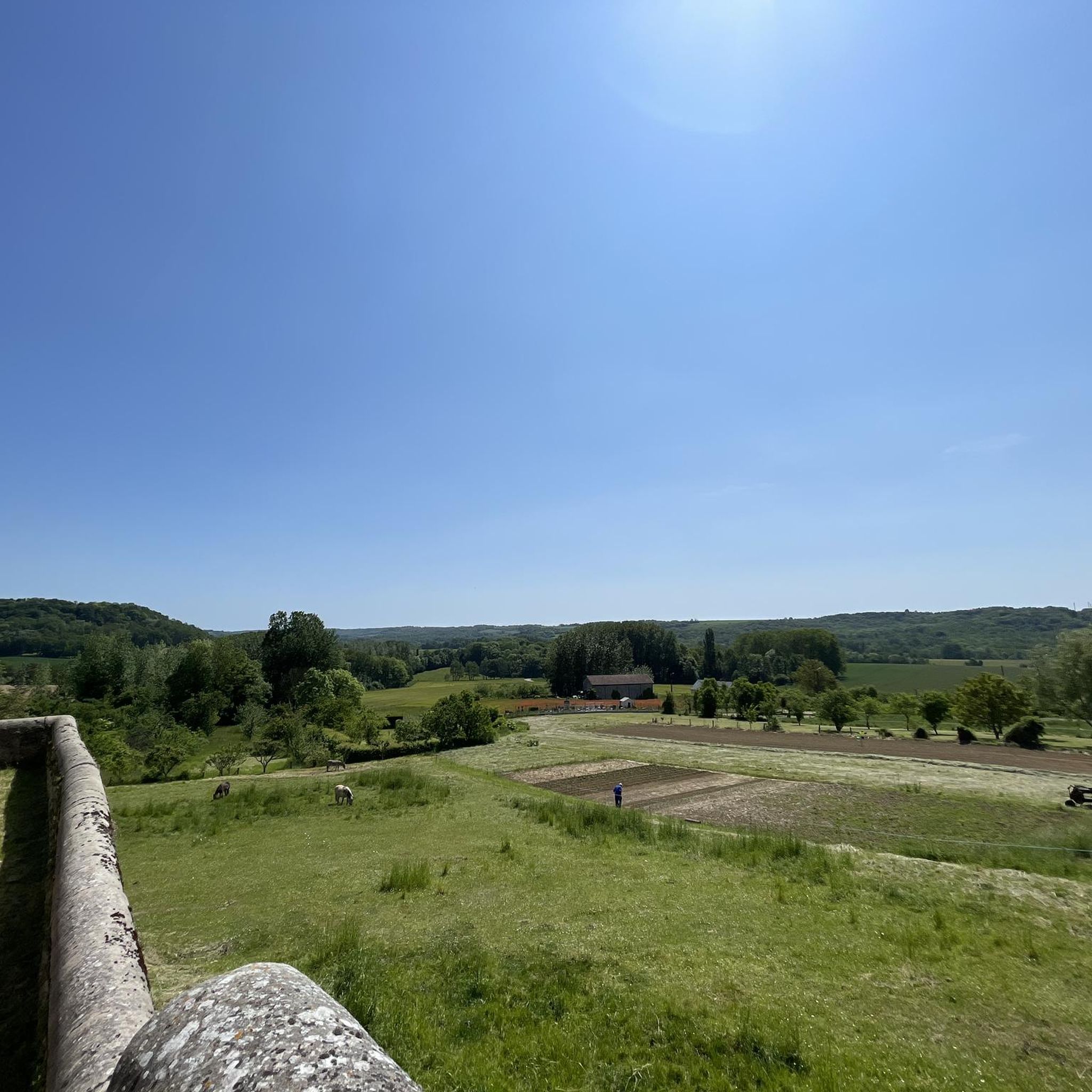
The Vauclair Abbey near Bouconville-Vauclair in the Aisne department was founded in 1134 by Bernard of Clairvaux as a Cistercian monastery. In the Middle Ages, it developed into an important monastic complex; it was significantly expanded, particularly in the 13th century. During the First World War, Vauclair was located directly in the combat zone of the Chemin des Dames and was almost completely destroyed by artillery fire in 1917. The ruins visible today have been archaeologically investigated, excavated, and partially secured since the 1960s. Directly next to the ruins, there is now a medicinal herb garden with around 400 species and a conservation orchard. This verger conservatoire preserves old regional apple and pear varieties; according to the French Garden Association, there are about 84 different varieties represented there. Together with the monastery ruins, the site thus commemorates not only the history of the Cistercians but also their close connection to agriculture, horticulture, and botany.
1
0

Hidden in the middle of the forest, this Cistercian abbey, founded in 1134 by Bernard of Clairvaux, appears like a mirage. Its majestic ruins bear witness to a turbulent past. From the Hundred Years' War and the French Revolution to the First World War, the abbey suffered considerable destruction. In the 1960s, the site was overgrown with brambles and forgotten. Thanks to the archaeological excavation group "Sources" led by Father Courtois, it experienced a rebirth.
2
0
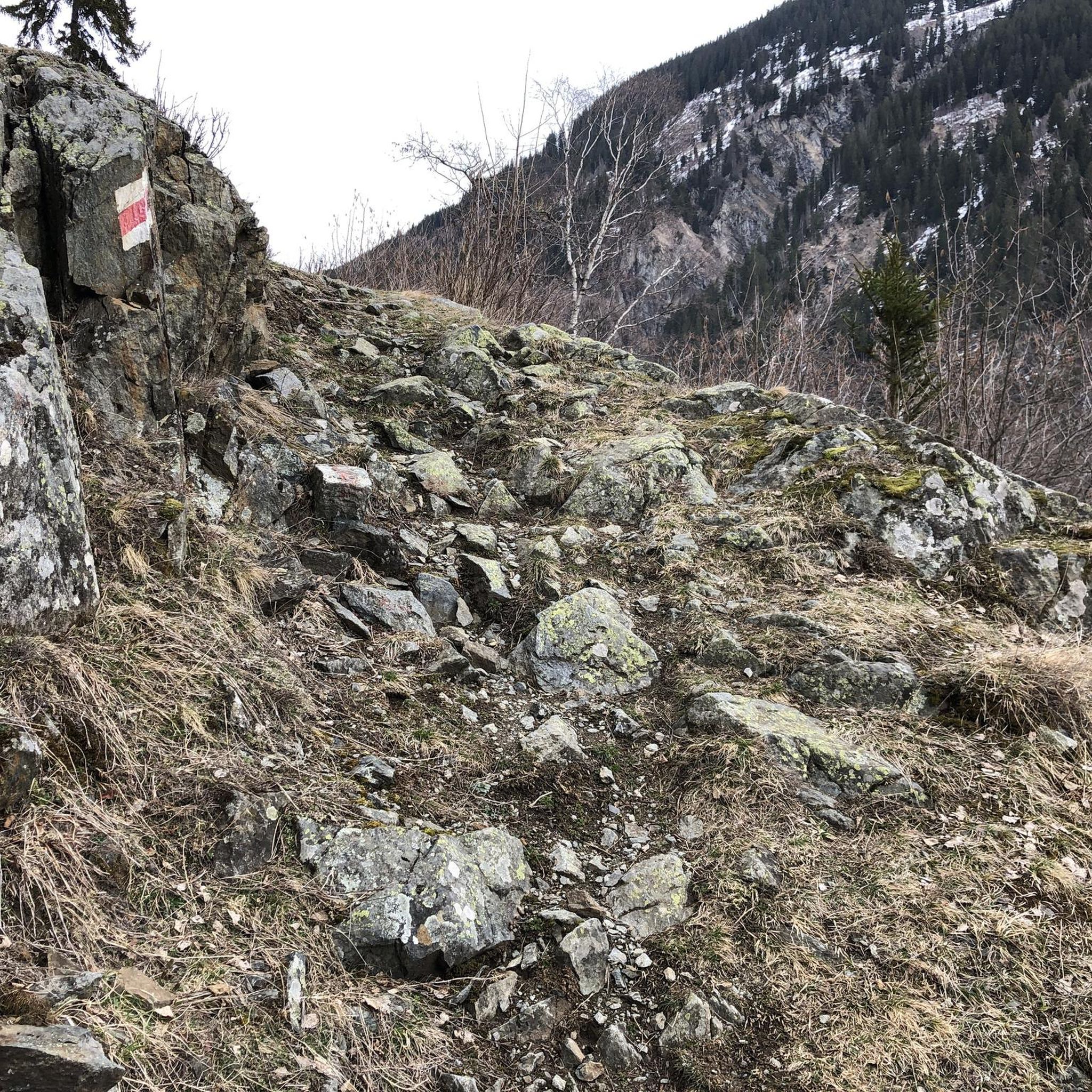
The Plateau de Californie in the heart of the Chemin des Dames is, like Verdun, a symbolic site of the First World War. However, while Verdun was quickly elevated to a national symbol of victory, the Plateau de Californie and the Chemin des Dames were long associated with the bitter failure of the Nivelle Offensive in April 1917, the subsequent mutinies, and the collapse in the summer of 1918, and were subjected to a process of exclusion, forgetting, and repression after the First World War. Before 1914, the Plateau de Californie, above the former village of Craonne, was a place for walks and recreation. After the war, pine trees were planted on the plateau, classified as a "red zone", as the land could no longer be cultivated. Today's visitors can follow the marked paths, discovering remnants of trenches and shell craters. Thematic information panels on the First World War, reading panels, and panoramic views of the Aisne valley now line the plateau along this marked hiking trail. Source: https://www.chemindesdames.fr
1
0

The Plateau de Californie, situated above the ruined village of Craonne, was a strategic high point during the First World War. In April 1917, it became the scene of fierce fighting during the Nivelle Offensive. French troops suffered heavy losses here in their attempt to break through the German lines.
5
0


Here we explain a lot about the war of attrition in the First World War. The whole area was very much fought over and there are many places where this is remembered.
1
0
The Porte d’Ardon is one of the medieval city gates of Laon. The current structure dates from the 13th and 14th centuries. Originally, this gate was called “Porte Royée” because of its proximity to the royal palace of Laon. The gate consists of a châtelet with a portcullis and used to have doors. There was also a barbican, but this has now disappeared. Under the gate there was a fountain and wash houses, some of which still exist. The Porte d’Ardon was classified as a historical monument in 1909.
10
0

A remarkable remnant of what was once a large and important abbey. Caesar, Napoleon and German troops are said to have passed through this area during the First World War.
3
0
Frequently Asked Questions
What historical and cultural sites can I visit near Martigny-Courpierre?
The region around Martigny-Courpierre is rich in history. You can explore the magnificent Notre-Dame Cathedral in Laon, a prime example of early Gothic architecture. Also, discover the poignant Vauclair Abbey Ruins, founded by St. Bernard and damaged during WWI, which still features well-preserved buildings and a medicinal plant garden. Don't miss the fortified Laon Old Town — Murals and Fortifications, which boasts medieval buildings and is France's largest contiguous protected area.
Are there any unique local landmarks in Martigny-Courpierre itself?
Yes, within Martigny-Courpierre, the Saint-Martin Church is a significant local landmark. Rebuilt in an distinctive Art Deco style after World War I, it features painted interiors by Eugene Chapleau, stained glass, ceramics, and a monumental bell tower adorned with six sculpted angels.
What natural attractions are there for outdoor enthusiasts?
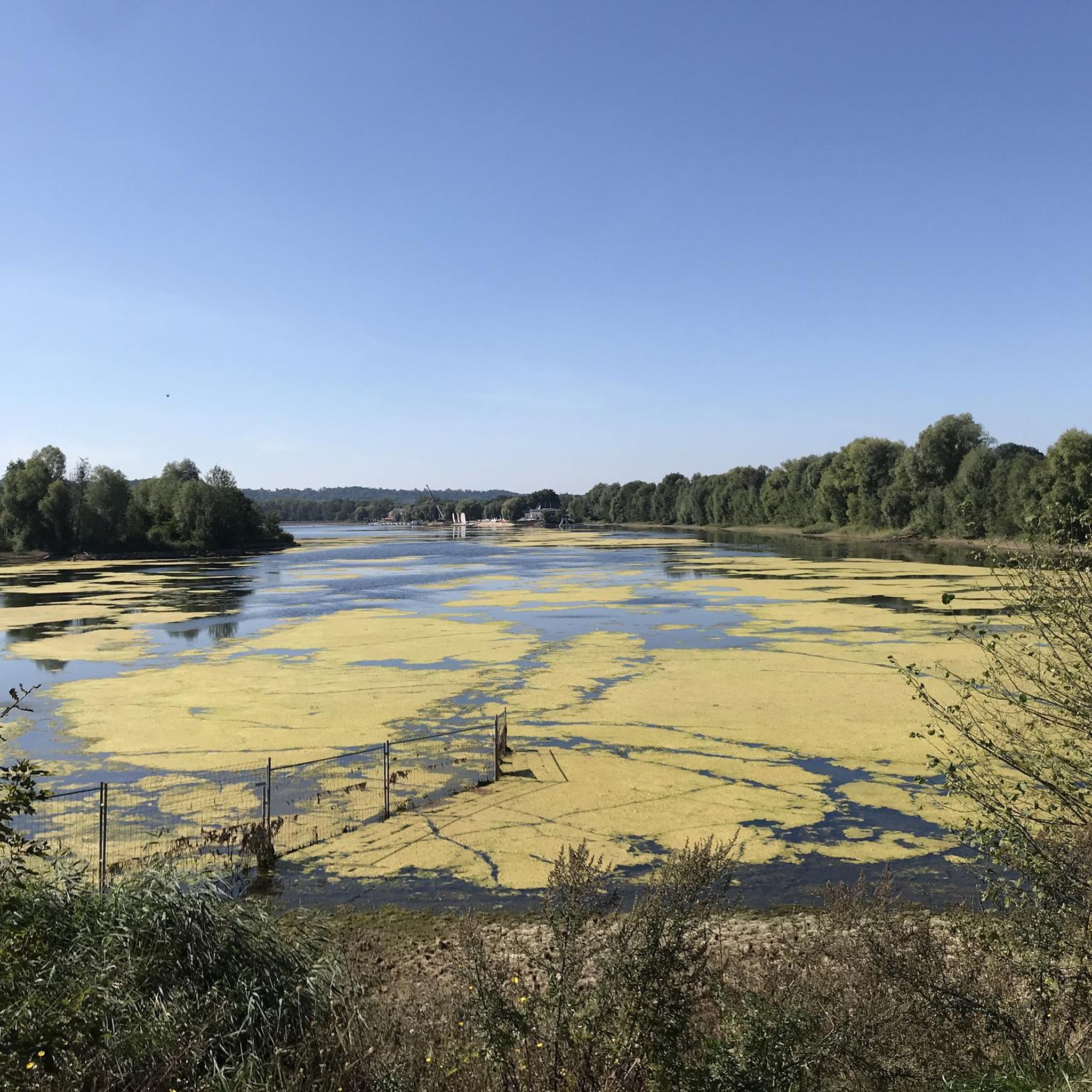
Martigny-Courpierre is situated near several natural features. A portion of the large Lac de l'Ailette is within the commune, offering opportunities for relaxation and water-based activities. The Forest of Vauvelair, a 1000-hectare monastic forest, surrounds the Vauclair Abbey Ruins and is ideal for walks and exploration. The local hydrographic network is also fed by the Ruisseau Bièvre.
What kind of outdoor activities can I do around Martigny-Courpierre?
The area offers various outdoor activities, especially around Lac de l'Ailette and the surrounding forests. You can find numerous routes for mountain biking, running, and gravel biking. For example, explore MTB trails like the 'Vauclair Abbey – Ailles village monument loop' or running trails such as the 'Vauclair Abbey Ruins – View of Lake Ailette loop'. You can find more details and routes on the MTB Trails around Martigny-Courpierre, Running Trails around Martigny-Courpierre, and Gravel biking around Martigny-Courpierre guide pages.
Are there family-friendly activities or attractions nearby?
Yes, the Vauclair Abbey Ruins are considered family-friendly, offering a historical site with space to explore, including a medicinal plant garden. Additionally, Axo Plage in Monampteuil, approximately 9.2 km away, is a recreational area likely offering water-based activities and leisure suitable for families.
What are some notable medieval fortifications in the area?
Beyond the general fortifications of Laon Old Town, you can specifically visit the medieval city gates. The Porte d'Ardon, dating from the 13th and 14th centuries, is one of Laon's most beautiful preserved gates. Another significant gate is the Porte de Soissons, built in the early 13th century, which offers insights into medieval military architecture despite some damage.
What is the best time to visit Martigny-Courpierre for outdoor activities?
The region's diverse landscapes, including forests and river valleys, are generally pleasant for outdoor activities during spring, summer, and early autumn. These seasons offer milder weather, making it ideal for exploring historical sites, hiking, cycling, and enjoying the natural features like Lac de l'Ailette.
Are there any places to relax by the water near Martigny-Courpierre?
Yes, a significant portion of Lac de l'Ailette is located within the commune of Martigny-Courpierre. This large lake provides opportunities for relaxation, picnics, and various water-based activities. Additionally, Axo Plage in Monampteuil is a dedicated recreational area by the water.
What do visitors particularly enjoy about the attractions around Martigny-Courpierre?
Visitors appreciate the rich historical significance of the area, particularly the early Gothic architecture of Notre-Dame Cathedral and the atmospheric Vauclair Abbey Ruins. The medieval charm of Laon Old Town, with its fortifications and murals, is also highly rated. The blend of historical exploration with natural beauty, such as the surrounding forests and Lac de l'Ailette, makes the region appealing.
Can I find information about World War I history in the vicinity?
Yes, the region played a significant role in World War I. The Vauclair Abbey Ruins were severely damaged during a bombardment in 1917. For a deeper dive into WWI history, the Caverne du Dragon, Musee du Chemin des Dames, located near Oulches-la-Vallée-Foulon, offers insights into the former front line of the Chemin des Dames.
Are there any hidden gems or less crowded alternatives to explore?
While the main attractions are popular, the small rural commune of Martigny-Courpierre itself offers a calm atmosphere and preserves authentic architecture, providing a glimpse into French rural life away from larger crowds. Exploring the extensive Forest of Vauvelair around the abbey ruins can also offer a more tranquil experience.
Most popular routes around Martigny-Courpierre
Most popular attractions around Martigny-Courpierre

Get inspired with the komoot mobile app


Explore more
Still not found the Highlight you’re looking for? See guides of the top attractions in other regions:
