The best cycling routes around Ballore
4.4
(13)
113
riders
32
rides
Touring cycling routes around Ballore are primarily located in the area surrounding Ciry-le-Noble, characterized by a mix of agricultural landscapes and waterways. The terrain includes gentle rolling hills and sections alongside the Canal du Centre. This region offers varied elevations, suitable for different cycling preferences.
Best touring cycling routes around Ballore
- The most popular touring cycling route is Château de Digoine – Palinges loop from Ciry-le-Noble, a 50.5 miles (81.2 km) trail that takes 4 hours 50 minutes to…
Last updated: October 9, 2026
3.0
(1)
13
riders
23.2km
01:21
100m
100m
Easy bike ride. Great for any fitness level. Mostly paved surfaces. Suitable for all skill levels.
4.0
(1)
5
riders
Easy bike ride. Great for any fitness level. Mostly paved surfaces. Suitable for all skill levels.

4
riders
49.4km
03:28
920m
920m
Hard bike ride. Very good fitness required. Mostly paved surfaces. Suitable for all skill levels.
6
riders
19.8km
01:14
170m
170m
Moderate bike ride. Good fitness required. Mostly paved surfaces. Suitable for all skill levels.
5.0
(1)
5
riders
104km
06:51
1,360m
1,360m
Hard bike ride. Very good fitness required. Mostly paved surfaces. Suitable for all skill levels.
Get access to more routes and recommendations from other explorers.
Already have an account?
Our route recommendations are based on thousands of hikes, rides, and runs completed by other people on komoot.
Start today with a free account
Your next adventure awaits.
Tips from the Community

The Tour des Fromages is a preserved defensive tower from the 11th century, which originally belonged to the ramparts of the powerful Abbey of Cluny. In the Middle Ages, the structure was still called Tour des Fèves (Bean Tower), as supplies were stored there. It got its current, curious name in the 19th century because a merchant used the tower to dry her homemade cheeses. Today, the tower is a popular attraction. Visitors can climb the 120 steps to the top. From up there, you have a beautiful 360-degree panoramic view over the entire medieval monastic city and the surrounding Burgundy landscape. Access to the tower is directly through the local Cluny tourist office.
1
0
The historic Fontaine des Serpents (Serpent Fountain) is located at the corner of Rue Mercière and Rue de la République in Cluny. It was built in 1789, the year of the French Revolution. The structure has been protected as an official monument historique (historic monument) since September 1946. The fountain is set in a large stone niche. The most striking feature is the large stone urn (urne), around which two decorative metal snakes coil, giving the fountain its name.
1
0
The abbey was founded in 910 by Duke William I of Aquitaine. In the Middle Ages, Cluny was the starting point of a huge monastic reform (the "Cluniac Reforms"). At its peak in the 11th and 12th centuries, around 1,500 monasteries and over 20,000 monks throughout Europe were under its jurisdiction. The main church of the abbey (Cluny III or Major Ecclesia), over 187 meters long, was the largest house of worship in Christendom until St. Peter's Basilica in Rome was built. During the French Revolution, the monastery was closed. Under Napoleon's rule, the gigantic church was almost completely demolished and used as a quarry. Today, only about 8% of the original vast complex remains.
2
0
The historic town of Cluny, located in the Bourgogne-Franche-Comté region, can best be admired from the viewing platform of the famous Cheese Tower (Tour des Fromages), from which you can enjoy a striking 360-degree view over the historic rooftops and the gentle, green hills of Southern Burgundy. Cluny is world-renowned for its Benedictine abbey, founded in 910 AD. In the High Middle Ages, the abbey was the starting point of the pioneering Cluniac reform movement and developed into the head of a Europe-wide monastic order with over 1,200 monasteries.
0
0
Founded in 910, the Benedictine abbey developed into the starting point of the Cluniac reform movement. In the High Middle Ages, it was one of the most influential religious and political centers in Western Europe. At its peak, the Cluny congregation comprised around 1,200 monasteries with over 20,000 monks across the continent. Cluny was independent of secular rulers and local bishops. It was directly subordinate to the Pope in Rome.
1
0
The large work of art on the narrow building facade directly above the fountain is a monumental, historical sundial (cadran solaire). The faded, artistic lines and Roman numerals show the classic grid system of an old vertical sundial, which the townspeople could use to read the time of day. Such large astronomical mural paintings were widespread in the Burgundy region as well as on the outbuildings of the powerful abbey, in order to synchronize the monastic and urban daily routine.
1
0
The neoclassical fountain directly on the building wall was built in the 18th century and is also known today as Fontaine Prud'hon. It was named in honor of the famous French painter and draftsman Pierre-Paul Prud'hon, who was born in Cluny in 1758. The fountain is integrated into the wall like a "water cabinet" (buffet d'eau) and features a fluted basin on a pedestal. In the past, a lion's head spout fed the basin. Today, a modern tap serves cyclists and pedestrians as a public drinking water source.
1
0
The famous French National Stud Haras National de Cluny in Burgundy was established by decree under Napoleon I in 1806 to secure the army's need for cavalry horses. It thus looks back on over 200 years of equestrian history. It is located in the immediate vicinity and at the foot of the historic Abbey of Cluny. The first breeding stallions were housed in the former stables of the abbey from 1807 onwards. Today, the facility belongs to the Équivallée organization. It serves to promote equestrian sports, hosts riding tournaments and shows, and is a renowned training center (including for animal osteopathy).
1
0
Frequently Asked Questions
How many touring cycling routes are available around Ballore?
There are over 25 touring cycling routes available around Ballore, offering a variety of experiences for different skill levels. The komoot community has explored more than 300 touring cycling routes in this area.
What are the typical landscapes and terrain like for touring cycling near Ballore?
Touring cycling routes around Ballore are primarily located in the area surrounding Ciry-le-Noble, characterized by a mix of agricultural landscapes and waterways. You'll find gentle rolling hills and significant sections alongside the Canal du Centre, providing varied elevations suitable for different cycling preferences.
Are there touring cycling routes suitable for beginners or families in the Ballore area?
Yes, there are routes suitable for beginners and families. The region offers easy loops, such as the Lavoir des Chavannes – Canal du Centre loop from Ciry-le-Noble, which is 14.3 miles (23.0 km) long and features varied landscapes, often completed in about 1 hour 20 minutes. These routes generally have less elevation gain and follow calmer paths.
What kind of challenges can advanced touring cyclists expect around Ballore?
Advanced touring cyclists can find challenging routes with significant elevation gain. For example, the Basilica of Paray-le-Monial – Canal du Centre loop from Ciry-le-Noble is a difficult 121.8 miles (196.1 km) route with over 1000 meters of elevation gain. Another demanding option is the Canal du Centre greenway – Basilica of Paray-le-Monial loop from Ciry-le-Noble, which covers 101.0 miles (162.6 km) with over 1200 meters of ascent.
Are there any circular touring cycling routes available?
Yes, many of the touring cycling routes around Ballore are circular. Examples include the popular Château de Digoine – Palinges loop from Ciry-le-Noble, the Lavoir des Chavannes – Briqueterie de Ciry-le-Noble loop from Ciry-le-Noble, and the Lavoir des Chavannes – Canal du Centre loop from Ciry-le-Noble.
What are some notable landmarks or attractions I might see along the touring cycling routes?
Along the routes, you can encounter various points of interest. The Canal du Centre is a prominent feature, and routes often pass by historical sites like the Briqueterie de Ciry-le-Noble. Some longer routes may even lead you towards the Basilica of Paray-le-Monial.
What do other touring cyclists say about the routes around Ballore?
The touring cycling routes in Ballore are highly rated by the komoot community, with an average score of 4.37 stars from over 40 reviews. Cyclists often praise the varied terrain, the scenic stretches along the Canal du Centre, and the opportunities to explore agricultural fields and historical sites.
How long do the touring cycling routes typically take to complete?
The duration of routes varies significantly based on distance and difficulty. Shorter, easier loops like the Lavoir des Chavannes – Canal du Centre loop from Ciry-le-Noble can be completed in about 1 hour 20 minutes. More challenging routes, such as the Château de Digoine – Palinges loop from Ciry-le-Noble, typically take around 4 hours 50 minutes, while the longest routes can take over 11 hours.
Is it possible to access the touring cycling routes around Ballore using public transport?
While specific public transport connections directly to every trailhead are not detailed, the routes are generally centered around Ciry-le-Noble. It's advisable to check local bus or train schedules for connections to Ciry-le-Noble or nearby towns, which may offer access points to the cycling network.
Are there any less crowded touring cycling routes in the Ballore area?
While the most popular routes like the Château de Digoine – Palinges loop from Ciry-le-Noble see more traffic, the region offers a total of 28 routes. Exploring some of the less-trafficked options, particularly those not explicitly highlighted as 'most popular,' can lead to a quieter experience through the agricultural landscapes and along the canal.
What kind of views can I expect on the touring cycling routes around Ballore?
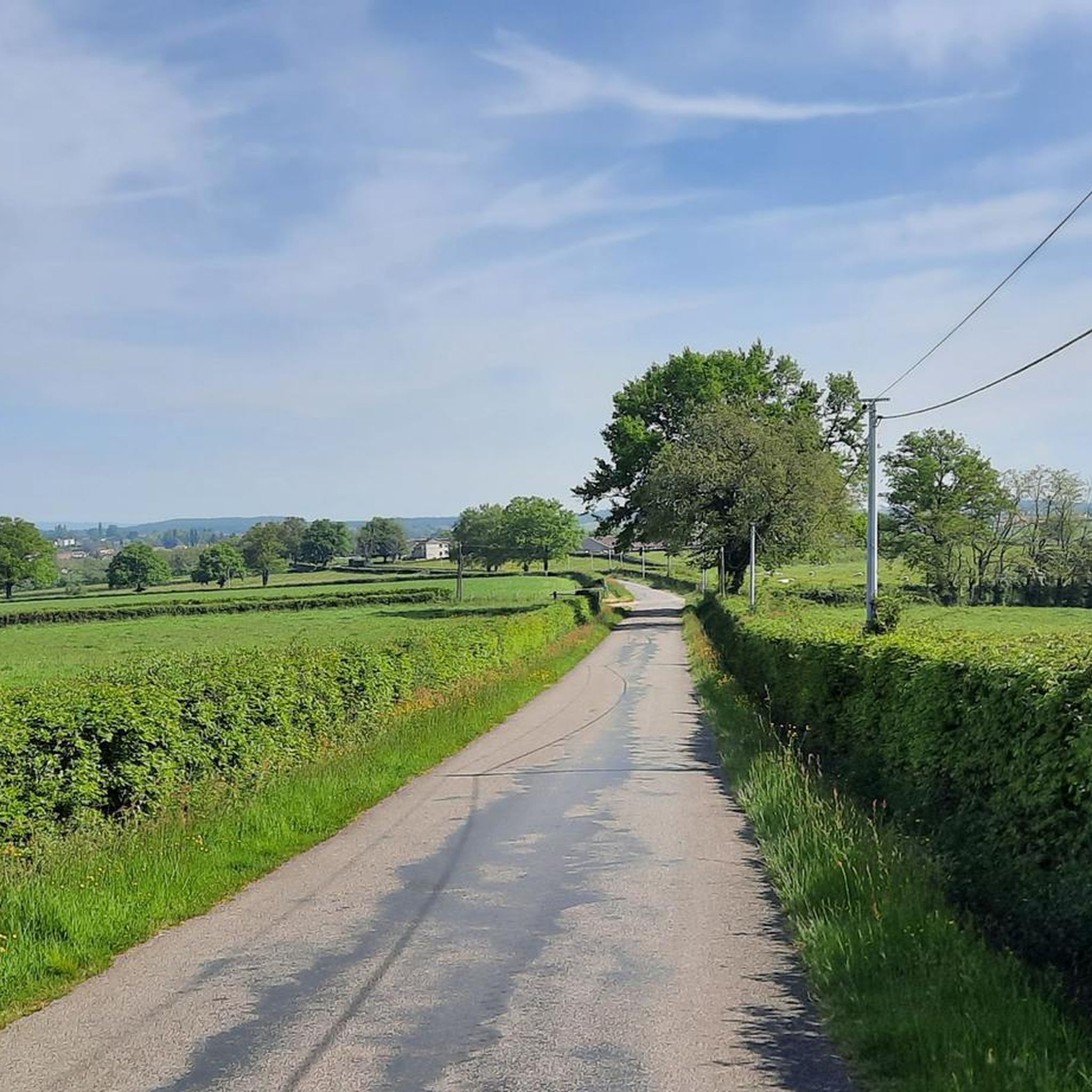
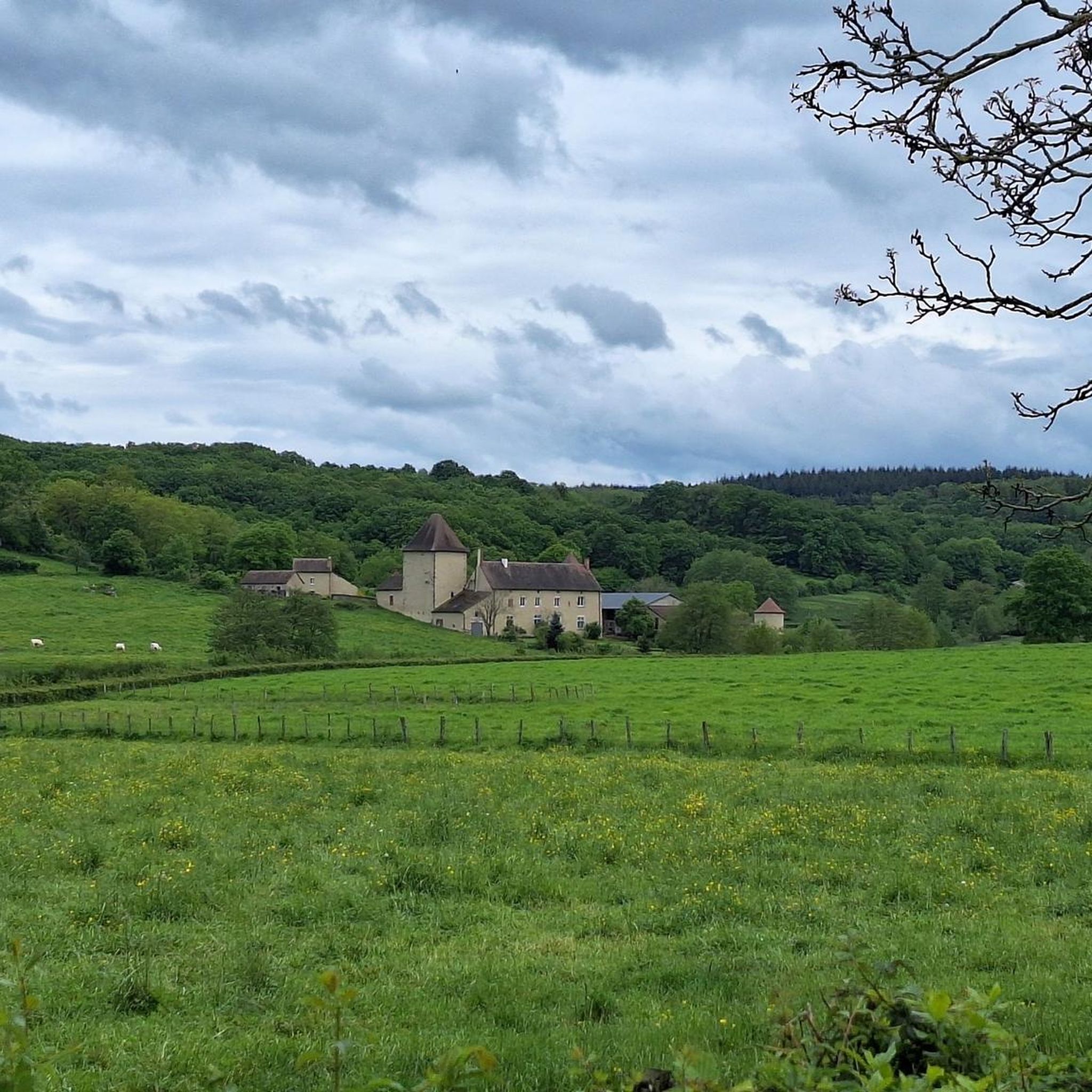
The routes offer picturesque views of the French countryside, characterized by expansive agricultural fields, charming villages, and tranquil stretches alongside the Canal du Centre. You'll experience the gentle beauty of rural landscapes and the peaceful ambiance of waterway paths.
Most popular attractions around Ballore

Get inspired with the komoot mobile app


Explore more
Browse the best Cycling routes in other regions.
