Attractions and Places To See around Saint-Denis-D'Anjou - Top 5
Best attractions and places to see around Saint-Denis-D'Anjou include a blend of historical landmarks and natural features. This charming "Petite Cité de Caractère" in the Mayenne department is known for its well-preserved heritage and picturesque ambiance. The area offers a variety of sites, from medieval village centers to tranquil natural spaces. Visitors can explore cultural sites and enjoy the natural beauty of the surrounding region.
Best attractions and places to see around Saint-Denis-D'Anjou
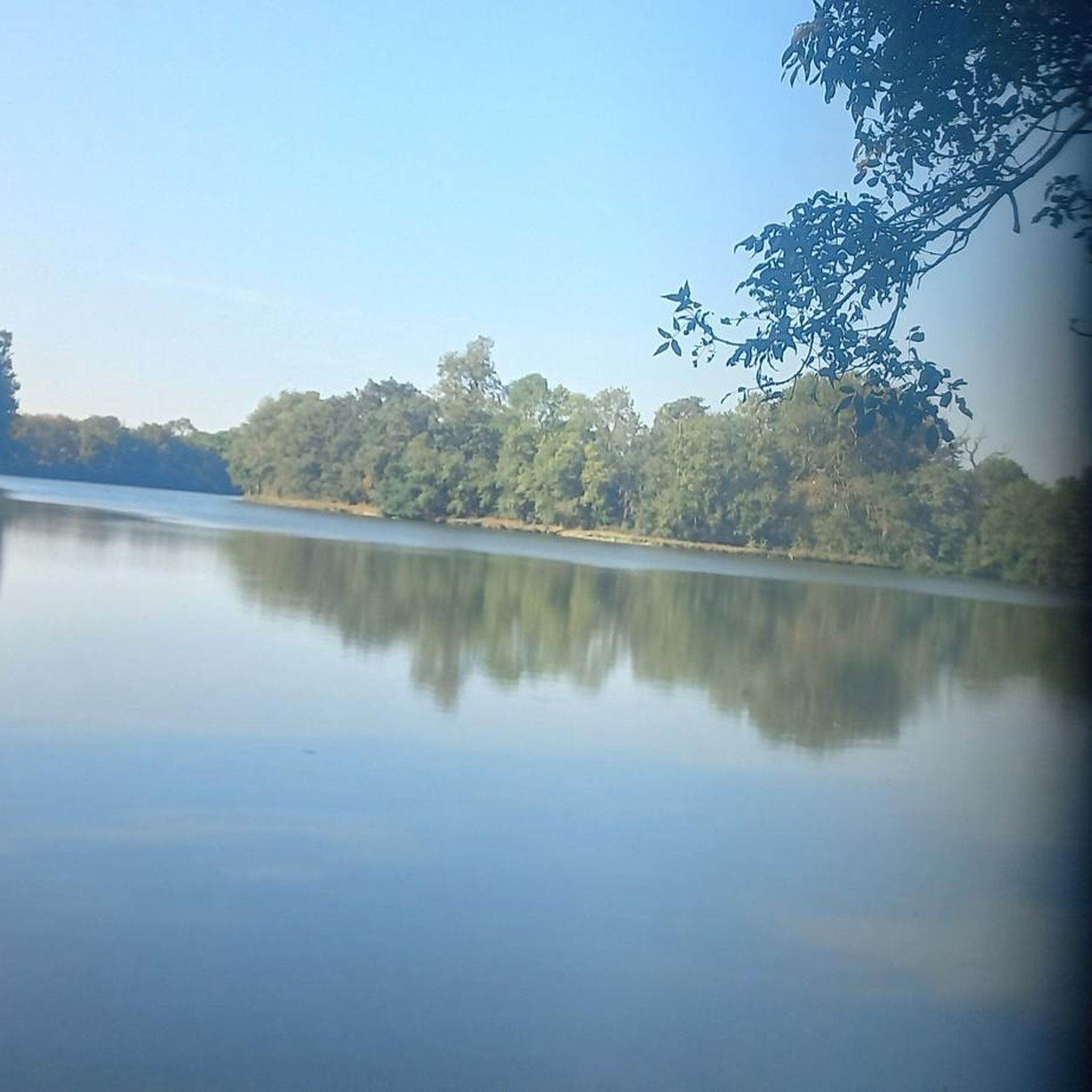
- The most popular attractions is Sarthe River Viaduct, a bridge that offers enjoyable riverside views. Bridges, trees, dams, and wildlife contribute to the scenic experience along the river.
- Another must-see spot is Étang de Curécy, a lake and natural monument. This beautiful pond was historically used for fish farming and now serves as a refuge for migratory birds, with an observatory for viewing.
- Visitors also love Notre Dame Church, a church believed to have been built in the 15th century. Extensively restored, it features a neo-Gothic style that highlights its medieval architecture.
- Saint-Denis-D'Anjou is known for its bridges, lakes, and historical churches. The area offers a variety of attractions to see and explore, from man-made structures to natural monuments.
- The attractions around Saint-Denis-D'Anjou are appreciated by the komoot community, with 14 upvotes and 8 photos shared by visitors.
Last updated: July 1, 2026
Solesmes Abbey
Highlight • Religious Site
Translated by Google •
Tip by

Sarthe River Viaduct
Highlight (Segment) • Bridge
Translated by Google •
Tip by
Sign up now to discover places like this
Get recommendations on the best single tracks, peaks, & plenty of other exciting outdoor places.
Sign up for free
Notre Dame Church
Highlight • Other
During the third quarter of the 17th century, the church's high altar was restored, and at the end of the first quarter of the 18th century, three new bells were cast by workshops in Le Mans.
Finally, in the mid-18th century, the bell tower was rebuilt, as we can still see it today.
Translated by Google •
Tip by

Étang de Curécy
Highlight • Lake
Translated by Google •
Tip by
Notre-Dame Church
Highlight • Other
In the Middle Ages, the parish was part of the Angevin seneschalship of La Flèche. Under the Ancien Régime, the commune was attached to the elected territory of La Flèche.
During the French Revolution, the commune, like all those in the seneschalship of La Flèche, was attached to the new department of Sarthe. In 1801, during the Concordat, the parish was separated from the Diocese of Angers and transferred to that of Le Mans.
Translated by Google •
Tip by
Start today with a free account
Your next adventure awaits.
Login or Signup





Tips from the Community

The Church of Our Lady of Sablé-sur-Sarthe is believed to have been built in the 15th century. Extensively restored over the centuries, it now boasts a late 18th-century neo-Gothic style, which has helped to highlight its medieval architecture. During the third quarter of the 17th century, the church's high altar was restored, and at the end of the first quarter of the 18th century, three new bells were cast by workshops in Le Mans. Finally, in the mid-18th century, the bell tower was rebuilt, as we can still see it today.
0
0
Notre-Dame-du-Pé shared its history with Anjou. Today, it is part of the Angevin Maine. In the Middle Ages, the parish was part of the Angevin seneschalship of La Flèche. Under the Ancien Régime, the commune was attached to the elected territory of La Flèche. During the French Revolution, the commune, like all those in the seneschalship of La Flèche, was attached to the new department of Sarthe. In 1801, during the Concordat, the parish was separated from the Diocese of Angers and transferred to that of Le Mans.
0
0

The Étang de Curécy is a beautiful pond which was once part of a series of seven ponds belonging to the Bellebranche Abbey. The monks practiced fish farming there. Today, these ponds serve as a refuge for migratory birds. A small observatory located on the shore and accessible to all allows you to appreciate the view of the water and the surrounding vegetation. The Curécy Pond is part of a larger natural area which includes the Bellebranche forest and its bocage, where rare plants and animals can be found.
2
0
At the beginning of the 11th century it was a Benedictine abbey. It is worth visiting, but also crossing the river to admire it from its elevated position.
2
0
Bridges, trees, dams and wildlife make this riverside walk very enjoyable.
2
0
But at the beginning of the 11th century, this abbey was a Benedictine abbey. It is worth visiting it, but also crossing the river and admiring the abbey from this grandiose angle.
2
0
Frequently Asked Questions
What historical sites can I explore in Saint-Denis-D'Anjou?
Saint-Denis-D'Anjou is rich in history. You can visit the well-preserved 1509 Halls, which once served as a market and even contained a prison. The village also features the impressive Romanesque Church of Saint-Denis, dating back to the 12th century, and other historic chapels like the Varennes Bourreau Chapel and the Chapel of St Martin de Villenglose. Don't miss the 15th-century Manor House and Canonical House, now the town hall, and the picturesque Rue du Puits Morin in the medieval center.
Are there any natural attractions or viewpoints to visit near Saint-Denis-D'Anjou?
Yes, the area offers several natural spots. The Sarthe River Viaduct provides enjoyable riverside views with bridges, trees, dams, and wildlife. You can also visit Étang de Curécy, a beautiful pond and natural monument known for migratory birds, complete with an observatory. The Morinière Ponds are another protected area ideal for walks and picnics.
What outdoor activities, like hiking or cycling, are available near these attractions?
There are several options for outdoor enthusiasts. For hiking, you can explore routes like 'Along the Sarthe and the abbey of Solesmes' or 'Ruisseau de la Savinère'. Cyclists can enjoy routes such as 'Bike loop from La Gare' or 'Étang de Curécy – Bouère church loop'. Mountain biking trails are also available, including 'The Mayenne at Daon' or 'Solesmes Abbey – Parcé Mill loop'. You can find more details on these activities in the dedicated guides for hiking, MTB, and cycling around Saint-Denis-D'Anjou.
Are there family-friendly places to visit in the area?
Absolutely. The Sarthe River Viaduct offers pleasant riverside walks suitable for families. Étang de Curécy is another great spot, with an observatory for birdwatching that children might enjoy. The Morinière Ponds are perfect for family picnics and gentle walks along an ornithological trail with educational signs.
What is special about the Romanesque Church of Saint-Denis?
The Romanesque Church of Saint-Denis is a dominant feature of the village, built on a rock and dating back to the 12th century. It showcases a blend of Romanesque and Gothic architectural styles, notably its portal with triple sawtooth voussures. Inside, you can admire 16th-century wall paintings depicting hagiographic scenes, including a significant painting of 'The Beheading of St. John the Baptist'. It is classified as a Historic Monument and was used as a refuge during the Hundred Years' War.
Can I visit the historic 1509 Halls in Saint-Denis-D'Anjou?
Yes, the 1509 Halls are exceptionally well-preserved chestnut wood market halls that are open to visitors year-round. They served as a significant center for economic exchanges and even contained a former prison. The square they form with the Romanesque church and the canon's house is particularly charming.
What kind of events or markets take place in Saint-Denis-D'Anjou?
Saint-Denis-D'Anjou hosts various events throughout the year. You can find markets in the halls on Tuesday afternoons. The village also organizes a competition of painters in the street, country heritage days, concerts, exhibitions, and themed Thursdays. The Estiv'halles festival features summer picnic markets, and the village is home to a ukulele orchestra, hosting the 'Maine Uke Festiv'Halles' every June.
What do visitors particularly enjoy about the attractions around Saint-Denis-D'Anjou?
Visitors appreciate the blend of historical landmarks and natural beauty. The Sarthe River Viaduct is enjoyed for its scenic riverside views, including bridges, trees, dams, and wildlife. The Étang de Curécy is valued as a beautiful pond and refuge for migratory birds. The historical churches, like Notre Dame Church, are admired for their medieval architecture and extensive restorations.
Are there any other notable churches besides the main village church?
Yes, in addition to the Romanesque Church of Saint-Denis, you can visit Notre Dame Church, believed to have been built in the 15th century and featuring a neo-Gothic style after extensive restorations. There's also the Notre-Dame Church in Notre-Dame-du-Pé, which has a rich history tied to Anjou and the Diocese of Le Mans.
What are some easy walking options in Saint-Denis-D'Anjou?
The medieval village center itself is perfect for unmissable easy walks, with its narrow streets and 15th and 16th-century manor houses. The Morinière Ponds offer gentle walks along an ornithological trail. Additionally, there are three designated hiking trails available directly from the village, with maps accessible at the Tourist Office, many of which are suitable for easy strolls.
When is the best time of year to visit Saint-Denis-D'Anjou?
The village is charming year-round, but the warmer months, particularly late spring and summer, are ideal for enjoying outdoor activities and events. June is notable for the 'Maine Uke Festiv'Halles', and summer brings picnic markets and other festivals. The markets in the halls on Tuesday afternoons are a consistent attraction.
Are there any unique historical buildings to see in the village center?
Beyond the main church and halls, the village center boasts several unique historical buildings. You can find a 15th-century Manor House and the Canonical House, which now serves as the town hall. The Maison des Ollivier, also known as “maison du Roi René,” is highlighted for its historical and bucolic character. The old forge, still in working order, also contributes to the village's authentic heritage.
Can I find places for picnics or relaxation outdoors?
Yes, the Morinière Ponds are an excellent spot for picnics and relaxation, offering a peaceful natural setting with an ornithological trail. The general natural ambiance of the village, situated in a peaceful valley with charming views, also provides many opportunities for quiet outdoor enjoyment.
Most popular routes around Saint-Denis-D'Anjou

Get inspired with the komoot mobile app


Explore more
Still not found the Highlight you’re looking for? See guides of the top attractions in other regions:
