The best gravel rides around Saint-Denis-D'Anjou
4.0
(3)
12
riders
4
rides
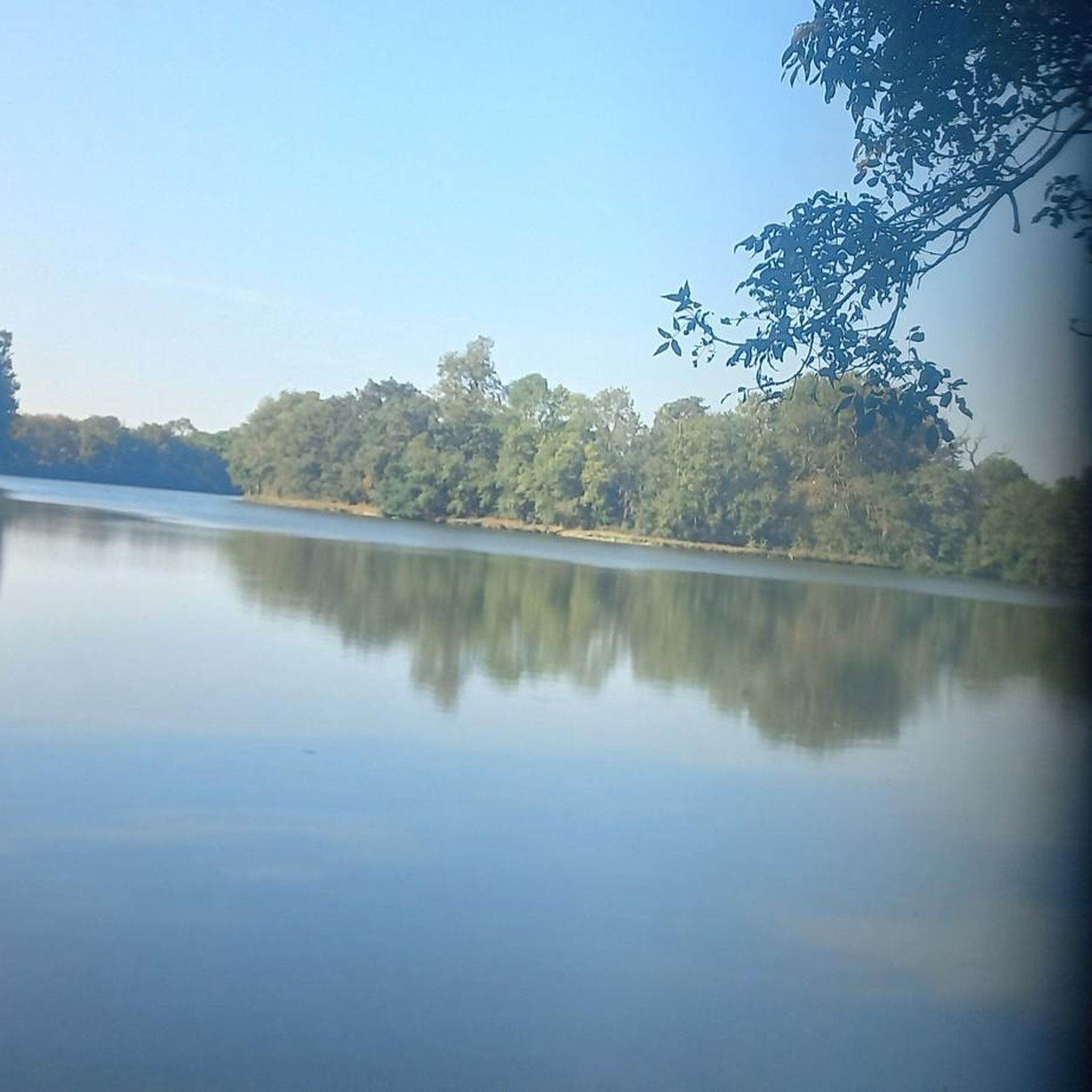
Gravel biking around Saint-Denis-D'Anjou offers access to the diverse rural landscapes of the Mayenne and Anjou regions. The terrain is characterized by serene riverbanks along the Mayenne, Loir, and Sarthe rivers, featuring extensive towpaths suitable for cycling. Riders can expect to traverse green valleys, explore areas with forests like Brossay and Boudré, and encounter alluvial meadows with gravel paths. This region provides a mix of gentle routes and varied surfaces, ideal for gravel biking.
Best gravel bike trails around Saint-Denis-D'Anjou
…Last updated: May 10, 2026
3.0
(2)
5
riders
45.1km
02:52
210m
210m
Moderate gravel ride. Good fitness required. Mostly paved surfaces. Suitable for all skill levels.
3
riders
55.4km
03:21
310m
310m
Moderate gravel ride. Good fitness required. Mostly paved surfaces. Suitable for all skill levels.

Sign up for free
5.0
(1)
3
riders
23.9km
01:33
110m
110m
Easy gravel ride. Great for any fitness level. Mostly paved surfaces. Suitable for all skill levels.
1
riders
Moderate gravel ride. Good fitness required. Mostly paved surfaces. Suitable for all skill levels.
Our route recommendations are based on thousands of hikes, rides, and runs completed by other people on komoot.
Start today with a free account
Your next adventure awaits.
Login or Signup




Tips from the Community

This large church for a small village was built in 1880 according to the plans of the architect Beignet, then famous in Anjou. Constructed in the Neo-Gothic style characteristic of the period, it replaced the village's old Romanesque church. Dating from the 10th century, it was among the oldest in the department! In any case, Beignet had this large church built using tufa stone (a local and therefore economical material), quite typical of the 19th century, and partly constructed with materials from the old Romanesque church. The style of this period, long criticized, is becoming increasingly rare today as many examples are gradually being demolished. The church's bell tower is interesting with its four statues, which you can have fun identifying by their attributes.
0
0
The Church of Our Lady of Sablé-sur-Sarthe is believed to have been built in the 15th century. Extensively restored over the centuries, it now boasts a late 18th-century neo-Gothic style, which has helped to highlight its medieval architecture. During the third quarter of the 17th century, the church's high altar was restored, and at the end of the first quarter of the 18th century, three new bells were cast by workshops in Le Mans. Finally, in the mid-18th century, the bell tower was rebuilt, as we can still see it today.
0
0
The nave and bell tower were built in the 12th century. The choir and its ribbed vault decorated with painted sculptures were built in the following century, while the south chapel dates from the 16th century. The church underwent extensive renovations in the 19th century, when the nave and transept were rebuilt. A fire struck the church in 1900, leading to a further reconstruction of the nave, transept, sacristy, and the upper part of the bell tower. The choir of the building has been listed as a historic monument since December 9, 1926.
0
0
Notre-Dame-du-Pé shared its history with Anjou. Today, it is part of the Angevin Maine. In the Middle Ages, the parish was part of the Angevin seneschalship of La Flèche. Under the Ancien Régime, the commune was attached to the elected territory of La Flèche. During the French Revolution, the commune, like all those in the seneschalship of La Flèche, was attached to the new department of Sarthe. In 1801, during the Concordat, the parish was separated from the Diocese of Angers and transferred to that of Le Mans.
0
0


Now merged with Lézigné, this small town was formerly the seat of small lordships until the Revolution. Its location between the foothills of the Armorican Massif and the Parisian basin gives it a particular character.
1
0
Frequently Asked Questions
What kind of terrain can I expect on gravel bike trails around Saint-Denis-D'Anjou?
The region offers diverse rural landscapes, characterized by serene riverbanks along the Mayenne, Loir, and Sarthe rivers, often featuring extensive towpaths. You'll traverse green valleys, explore areas with forests like Brossay and Boudré, and encounter alluvial meadows with gravel paths. The terrain provides a mix of gentle routes and varied surfaces, ideal for gravel biking.
How many gravel bike trails are available in the Saint-Denis-D'Anjou area?
There are at least 5 gravel bike trails documented in the Saint-Denis-D'Anjou area on komoot, offering a range of experiences from easy to moderate difficulty. These routes are highly rated by the komoot community.
Are there any easy gravel bike routes suitable for beginners or families?
Yes, there are easy options available. For instance, the Notre Dame Church loop from Sablé-sur-Sarthe is a gentle 14.9-mile (23.9 km) trail, typically completed in under two hours. Another easy route is the Pincé, Précigné, Sablé loop from La Thouassardière, which is 16.6 km long.
What is the best time of year to go gravel biking in Saint-Denis-D'Anjou?
The region, known for the 'gentle sunlight of Anjou,' is generally pleasant for gravel biking across many seasons. Spring and autumn offer comfortable temperatures and beautiful scenery. While specific winter conditions aren't detailed, the varied terrain and river paths suggest year-round potential, though some paths might be muddier after heavy rain.
Are there any circular gravel bike routes in the area?
Yes, many of the routes around Saint-Denis-D'Anjou are designed as loops. Examples include the popular Huillé – Moulin de Prignes loop from Chemiré-sur-Sarthe and the Saint Peter's Church loop from Sablé-sur-Sarthe, both offering varied terrain and scenic views.
What can I see along the gravel bike trails around Saint-Denis-D'Anjou?
The routes often pass through charming rural landscapes, small villages, and along riverbanks. You might encounter historical sites like medieval villages, Romanesque churches, and old mills. Specific points of interest include the Sarthe River Viaduct and the peaceful Étang de Curécy. The region is also dotted with characteristic buildings and châteaux.
What do other gravel bikers enjoy most about gravel biking in Saint-Denis-D'Anjou?
The area is highly rated by the komoot community, with an average score of 4.0 stars from over 3 reviews. Riders often praise the diverse terrain, from river towpaths to green valleys and rural country lanes, and the opportunity to explore the peaceful Mayenne and Anjou regions.
Are there any longer or more challenging gravel routes for experienced riders?
Yes, for those seeking a longer ride, the Huillé – Moulin de Prignes loop from Chemiré-sur-Sarthe is a moderate 34.4-mile (55.4 km) trail, taking nearly 4 hours to complete. Another moderate option is the Saint Peter's Church loop from Sablé-sur-Sarthe, covering 28.0 miles (45.1 km) with varied terrain.
Is Saint-Denis-D'Anjou accessible by public transport for gravel bikers?
While Saint-Denis-D'Anjou is a small rural village, its proximity to larger towns like Sablé-sur-Sarthe (mentioned as a starting point for several routes) suggests potential for regional public transport connections. However, direct public transport options to the village itself might be limited, making personal vehicle or bike travel from nearby hubs more common.
Where can I find parking when starting a gravel bike tour?
Many routes start from nearby towns such as Chemiré-sur-Sarthe or Sablé-sur-Sarthe. These towns typically offer public parking facilities suitable for leaving a vehicle while you embark on your gravel biking adventure. Specific parking details for individual trailheads would be found on the respective route pages.
Are there places to stop for refreshments or accommodation along the routes?
The region is dotted with small villages and hamlets, and Saint-Denis-D'Anjou itself is a 'Petite Cité de Caractère' with local amenities. While specific cafes or pubs on every route are not guaranteed, you can often find local establishments in the villages you pass through. Larger towns like Sablé-sur-Sarthe offer more comprehensive options for refreshments and accommodation.
Can I bring my dog on the gravel bike trails?
The peaceful valleys and rural landscapes of the Mayenne and Anjou regions generally offer dog-friendly environments. Many country lanes and towpaths are suitable for cycling with a well-behaved dog, especially if they are accustomed to running alongside a bike or riding in a trailer. Always ensure your dog is under control and respect local regulations regarding pets in natural areas.
Most popular routes around Saint-Denis-D'Anjou
Most popular attractions around Saint-Denis-D'Anjou

Get inspired with the komoot mobile app


Explore more
Browse the best Gravel rides in other regions.
