Attractions and Places To See around Courcelles-Lès-Lens - Top 20
Best attractions and places to see around Courcelles-Lès-Lens include a blend of historical sites, industrial heritage, and natural recreation in the Pas-de-Calais department. The area features agricultural land, wooded areas, and leisure zones like the former water station, now a nautical base. Its proximity to larger cities like Lens and Douai provides access to broader cultural and natural experiences. Visitors can explore local landmarks and enjoy outdoor activities.
Best attractions and places to see around Courcelles-Lès-Lens
- The most popular attractions…
Last updated: July 2, 2026
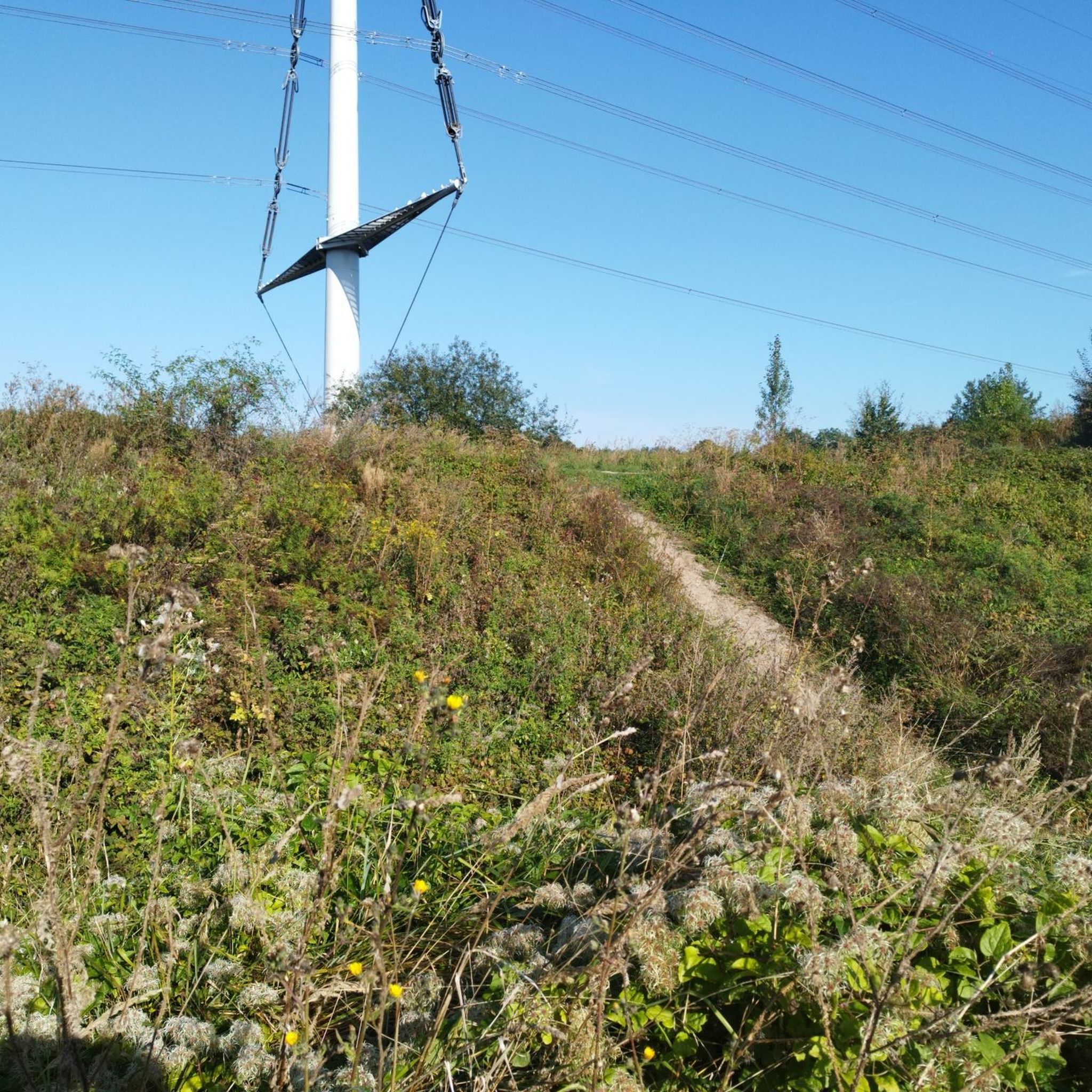
The Two Humps – Phalempin Forest Singletrack
Highlight • Trail
Translated by Google •
Tip by

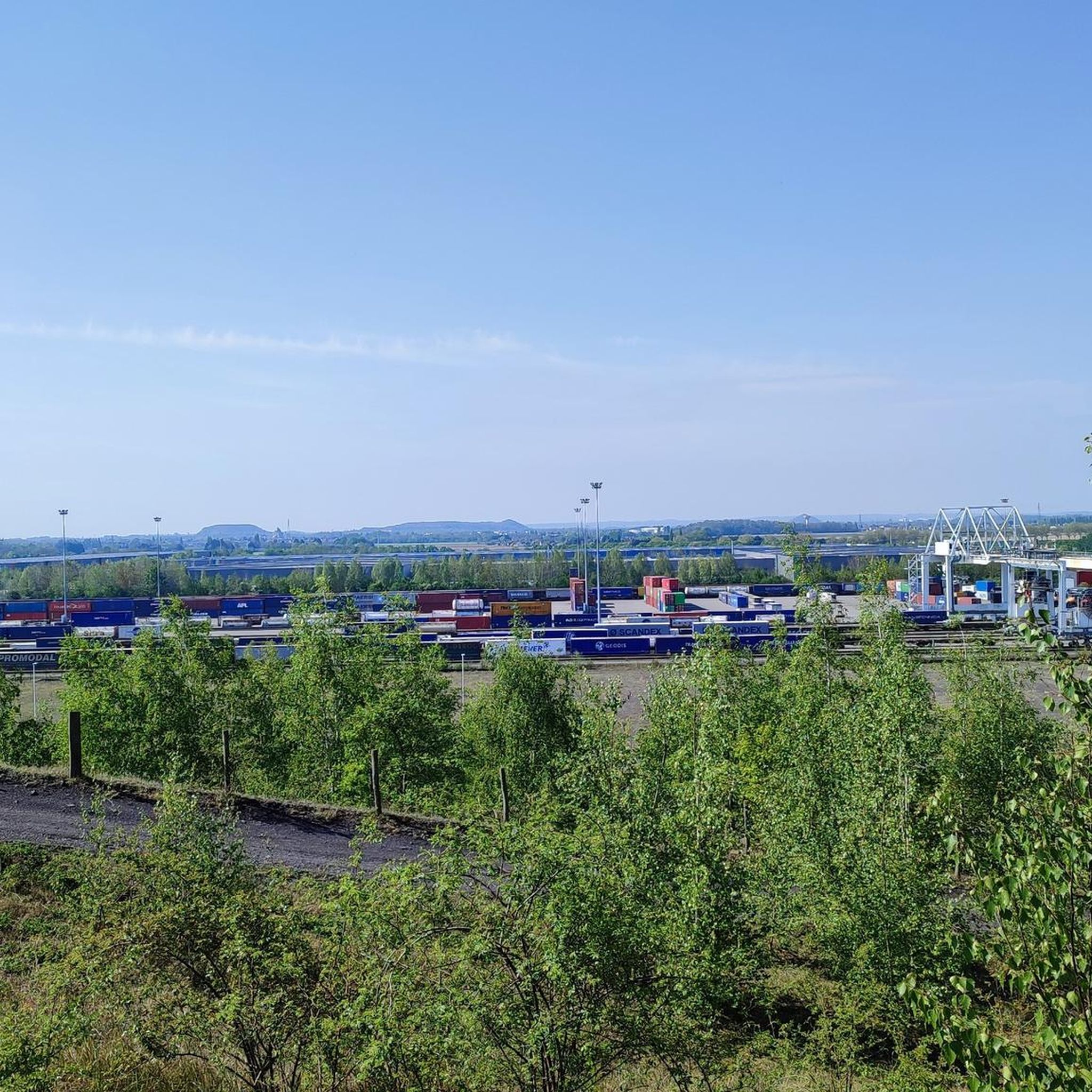
Talus (or Thélus) of Thumeries
Highlight • Other
Translated by Google •
Tip by

Sign up now to discover places like this
Get recommendations on the best single tracks, peaks, & plenty of other exciting outdoor places.
Sign up for free
Mons-en-Pévèle cobbles
Highlight (Segment) • Cycleway
Translated by Google •
Tip by

Witches' Singletrack
Highlight • Trail
Translated by Google •
Tip by
Terril de Drocourt
Highlight • Structure
Translated by Google •
Tip by

Sign up for free to discover even more attractions around Courcelles-Lès-Lens.
Sign up for free
Already have an account?
Start today with a free account
Your next adventure awaits.
Login or Signup

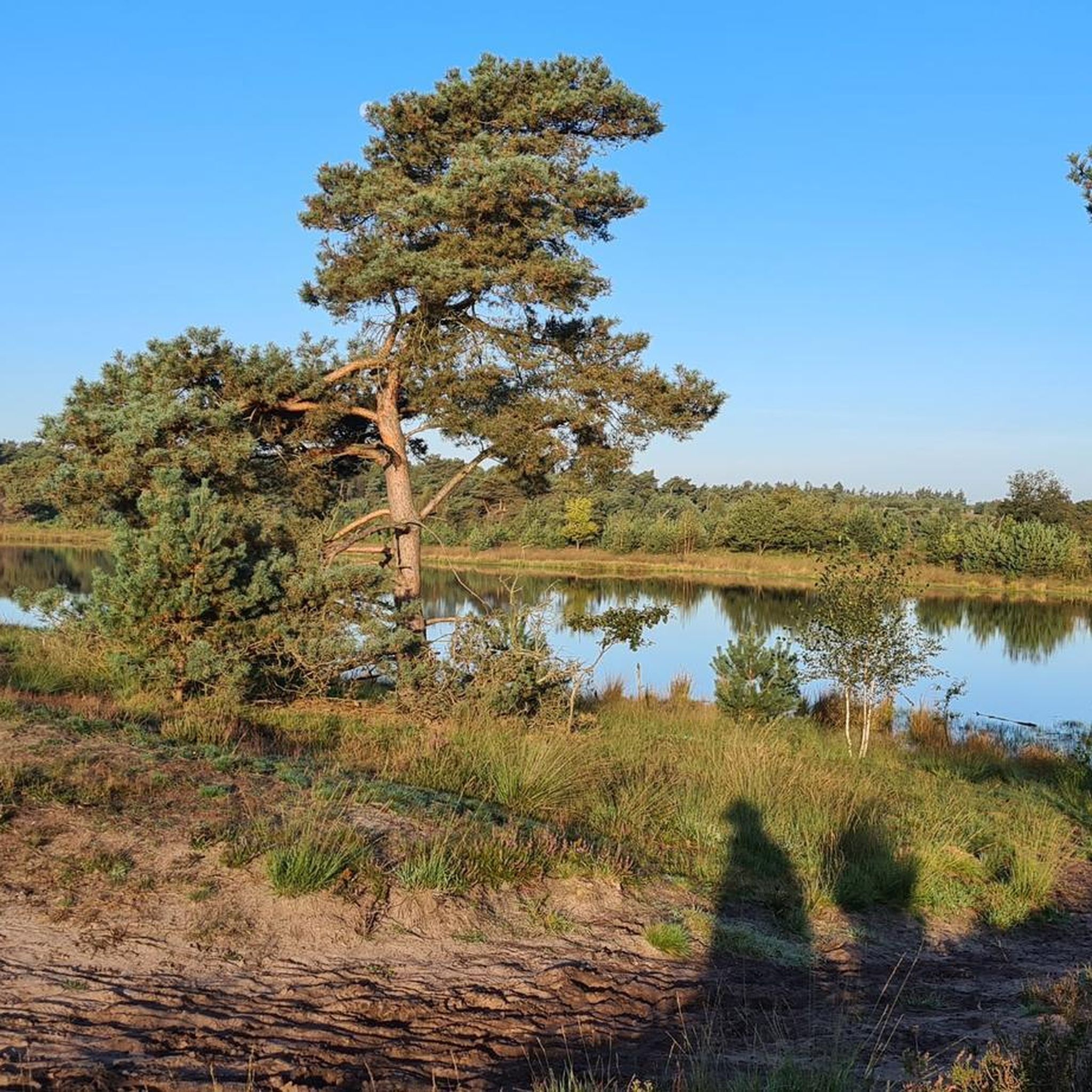
Tips from the Community

Mons and Pevele accelerate 170 km 30 lanes
1
0

Really a strip where you can't cheat... First part goes down a bit so you can pick up some speed to get through. Cobblestones are in really bad condition and with the stacking of the strips this is really one that can break your neck...
1
0

@paulnijhof it's a bit of a shame that you copy my texts and photos from my blog.
1
0


This section is nog easy. The cobbles just seam to hate you. You will hate them too. Good luck and please be careful here.
1
0

Excellent single that takes you into the forest. In wet weather it is better to be well equipped with tires on a mountain bike or gravel.
0
0

A three kilometer long legendary cobblestone section. There is only one solution to survive the strip: drive hard over the bump and slow down only on the two corners!
2
0

Mons en Pévèle 3000 meters - five stars Since 1955, this name has made many a cyclist sweat. The section has been modified several times, but the difficulty of the current section still fits the legendary name. Mons en Pévèle is a village on a hill over a hundred meters high in the Pays de Pévèle. My knowledge of Dutch history isn't very good, but I believe Pevelenberg belonged to the Southern Netherlands in the Middle Ages. I certainly don't want to argue about it, because that happened far too often in this region. The Battle of Pevelenberg (1304) is particularly well-known, and historians still disagree about who actually won. Since then, this region has seen almost every war fought. Fortunately, these days, battles are only fought on bicycles. In the first years the race visited Mons and Pévèle, it was accessed via the climb of Le Caouin. A tough, steeply rising cobblestone section. However, the milkman in Mons and Pévèle was tired of constantly arriving with butter instead of milk. So Le Caouin was paved. The race diverted to the other side of the mountain and climbed the village via the Pas Roland. But even this route to the summit could not escape the asphalt paver. Fortunately, in the Pévèle region, there are many, many kilometers of cobblestones between the fields. Just below the hill, there is now a Z-shaped cobblestone section that is one of the toughest in the race. The cobblestones are poor to very poor, and much of it is a nasty, false flat. This, combined with the almost constant wind, makes it a very tough section. The section has been part of the course since 1978 and has only been left empty once since then. Only the first section has been used a few times, and in 2008 the very poor sections were restored. The Mons and Pévèle section usually causes a fair number of riders to fall overboard. By then, the race has passed the 200 mark, and the men aiming for victory will be giving it a good beating. For the less fortunate, this stage of the race is usually a lesson in humility. Immediately after the section comes a false flat. A trifle for a trained professional, but at this stage of the race, everything counts. This is where the clash of arms begins, but it's still fifty kilometers to Roubaix, with another 15 kilometers of mostly very poor cobblestones along the way. If it's rained, this is a section where the devil holds court. The last 1500 meters, in particular, are a nearly impossible task—despite the restoration. The potholes along the side of the road are filled with puddles, and you can't tell how deep they are. Only the brave dare to come off the back of the road to overtake others. If you're further than 20th in a rain edition, this is the moment you lose the race. During the race, this stretch attracts a large crowd.
1
2
Frequently Asked Questions
What kind of outdoor activities can I enjoy around Courcelles-Lès-Lens?
The area offers a variety of outdoor activities. You can explore trails like Witches' Singletrack and The Two Humps – Phalempin Forest Singletrack, which are popular for hiking and mountain biking. The former water station, now a nautical base, provides opportunities for canoeing and features surrounding pedestrian paths. For more structured routes, consider the various cycling, hiking, and MTB trails available. You can find detailed routes in the Cycling around Courcelles-Lès-Lens, Hiking around Courcelles-Lès-Lens, and MTB Trails around Courcelles-Lès-Lens guides.
Are there any challenging trails for experienced cyclists or hikers?
Yes, for those seeking a challenge, the Mons-en-Pévèle cobbles offer a legendary three-kilometer cobblestone section that requires careful navigation. Additionally, the Terril de Drocourt is a slag heap that provides a challenging climb and descent, often compared to a bike park, ideal for improving technique or an intense workout.
What historical sites can I visit in Courcelles-Lès-Lens?
Courcelles-Lès-Lens is rich in history. You can explore the Old Mill, dating back to 1760, which reflects the region's agricultural past. The Saint-Vaast Church, rebuilt in a Neo-Romanesque style after WWI, features a notable bell tower and a monumental sculpted oak main altar. Other historical markers include the Saint-Brayou Terminal and La Croix Brogniard, both commemorating 14th-century Lords of Courcelles, and various War Memorials dedicated to victims of both World Wars.
Are there any cultural attractions or museums nearby?
While Courcelles-Lès-Lens has a media library and a former town hall transformed into a cultural center, its proximity to larger cities offers more extensive cultural experiences. The renowned Louvre-Lens Museum is about 15.2 km away, and cities like Douai and Arras also host various cultural institutions and event venues.
What natural features or recreational areas are there?
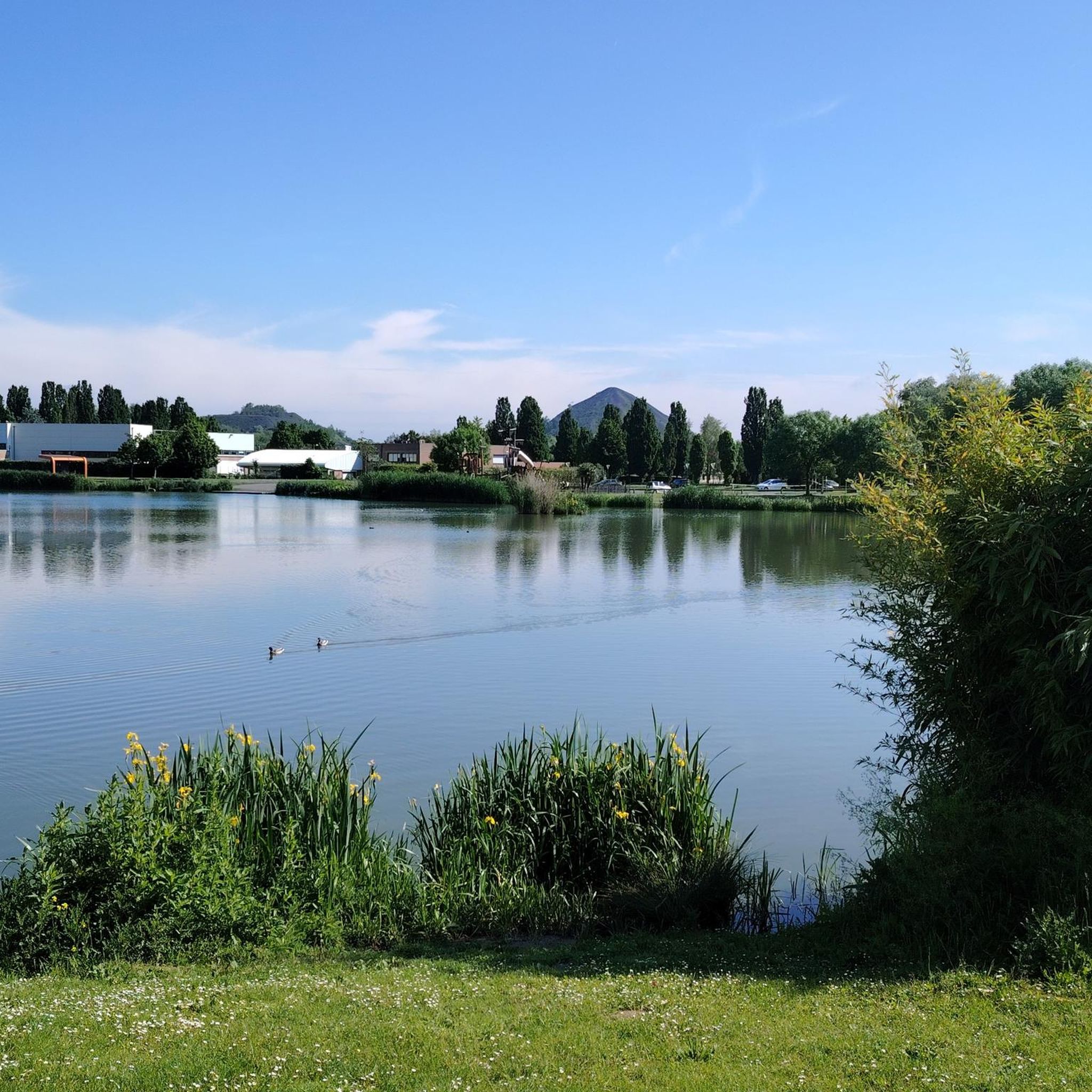
The former Water Station (Gare d'eau) and its basins have been rehabilitated into a leisure area, featuring a nautical base for activities like canoeing, surrounded by pedestrian paths and playgrounds. The area is bordered by the Deûle Canal. You can also explore the Phalempin Forest, home to trails like The Two Humps and Witches' Singletrack, and the Terril de Drocourt, a prominent slag heap popular with outdoor enthusiasts.
What is the best time of year to visit Courcelles-Lès-Lens for outdoor activities?
For outdoor activities, it's generally best to visit during drier periods. Some trails, like the Witches' Singletrack, can become flooded after heavy rain, making them less passable. Dry weather ensures more pleasant conditions for hiking, cycling, and exploring the natural areas.
Are there family-friendly attractions in Courcelles-Lès-Lens?
Yes, the rehabilitated Water Station (Gare d'eau) is a great family-friendly option. It offers a nautical base for canoeing, pedestrian paths for walks, and playgrounds for children. The nearby Charles Bertin Park in Douai is also listed as an attraction suitable for families.
What is the industrial heritage of Courcelles-Lès-Lens?
The region has a strong industrial past, particularly related to mining. This heritage is visible in the architecture of the dwellings in the former mining "Cité de la Fosse n°7," characterized by rows of brick houses. The slag heaps, such as Terril de Drocourt, are also direct remnants of this industrial history, now repurposed for recreation.
What do visitors enjoy most about the trails around Courcelles-Lès-Lens?
Visitors frequently praise the trails for their pleasant routes and varied landscapes. For instance, the Two Humps – Phalempin Forest Singletrack is noted for its magnificent scenery, especially appealing to mountain bikers. The Witches' Singletrack is considered one of the most beautiful singles in the sector, offering a very pleasant experience.
Can I find easy walking routes near Courcelles-Lès-Lens?
Yes, there are several easy walking routes. The pedestrian paths around the Water Station offer a relaxed environment for a stroll. For more structured options, the Hiking around Courcelles-Lès-Lens guide includes easy routes such as the "Chevalet D'Evin loop from Évin-Malmaison" and a "Hiking loop from Dourges".
Are there any unique or lesser-known spots to discover?
Beyond the main attractions, the region holds some unique spots. The Talus (or Thélus) of Thumeries, though impacted by tree felling, was once a wooded mound with playful singles. While its current state is more 'lunar,' it still offers a distinct landscape for exploration. The architectural style of the "Cité de la Fosse n°7" also provides a unique insight into the region's mining past.
Most popular routes around Courcelles-Lès-Lens
Most popular attractions around Courcelles-Lès-Lens

Get inspired with the komoot mobile app


Explore more
Still not found the Highlight you’re looking for? See guides of the top attractions in other regions:
