Attractions and Places To See around Roches-Lès-Blamont - Top 20
Best attractions and places to see around Roches-Lès-Blamont include a mix of natural beauty and historical sites. This commune, situated on the Blamont plateau in the Doubs department of France, features unique geological formations such as the cascade de tuf and the Fontaine des Roches. Visitors can explore cultural landmarks like the village temple, which has historical roots dating back to 1040. The area offers diverse points of interest for those seeking to explore the region's landscape and heritage.
Best…
Last updated: July 2, 2026
Saint-Hippolyte village
Highlight • Settlement
Translated by Google •
Tip by

Notre-Dame-du-Mont Chapel
Highlight • Religious Site
Translated by Google •
Tip by

Sign up now to discover places like this
Get recommendations on the best single tracks, peaks, & plenty of other exciting outdoor places.
Sign up for free
Rochedanne rock shelter
Highlight • Mountain Hut
Translated by Google •
Tip by

Lomont Maquis Memorial
Highlight • Monument
Translated by Google •
Tip by

Château Peugeot
Highlight • Historical Site
Madame de Préville, the widow of Georges Peugeot (1866-1922) donated it to the city in …
Translated by Google •
Tip by

Sign up for free to discover even more attractions around Roches-Lès-Blamont.
Sign up for free
Already have an account?
Start today with a free account
Your next adventure awaits.
Login or Signup

Tips from the Community


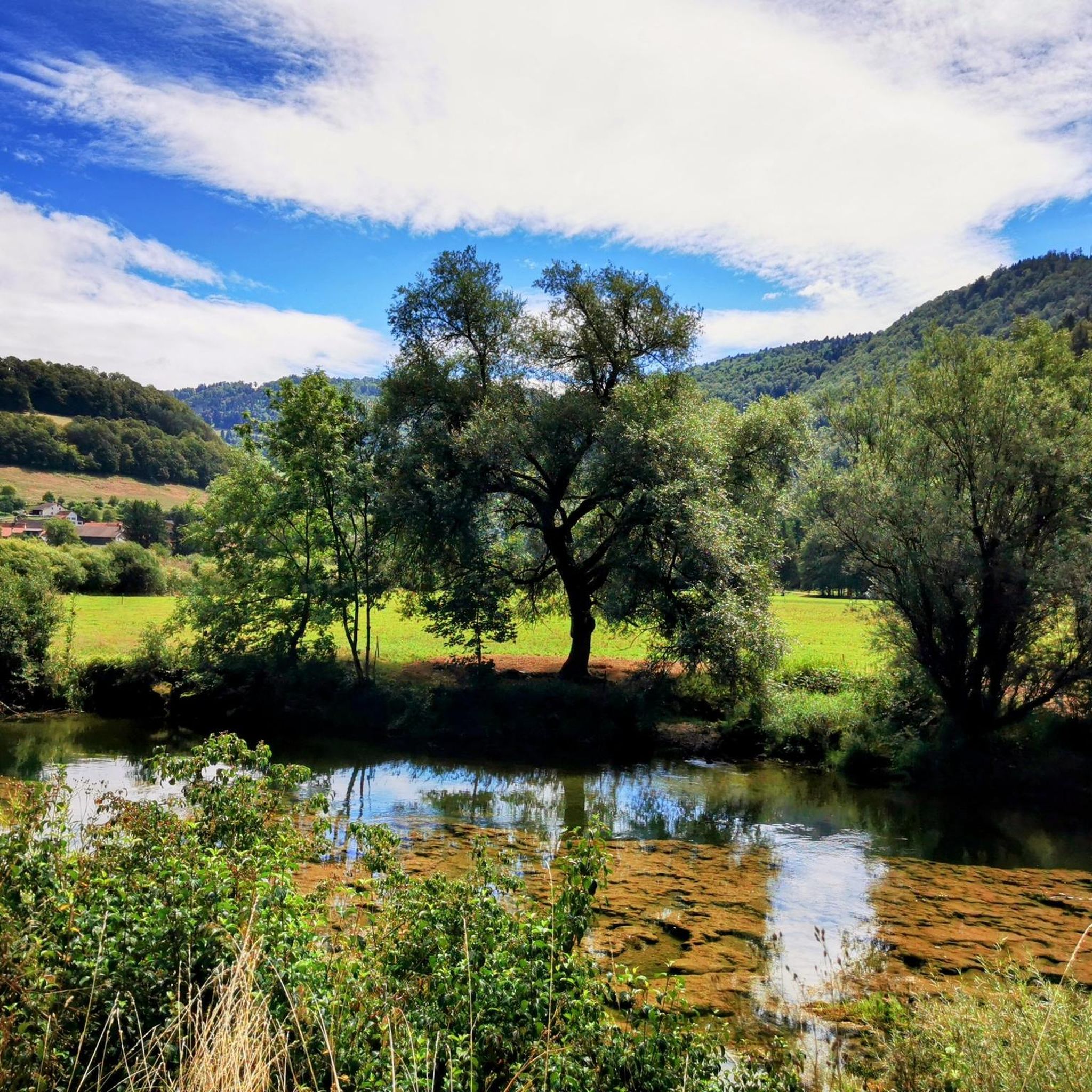
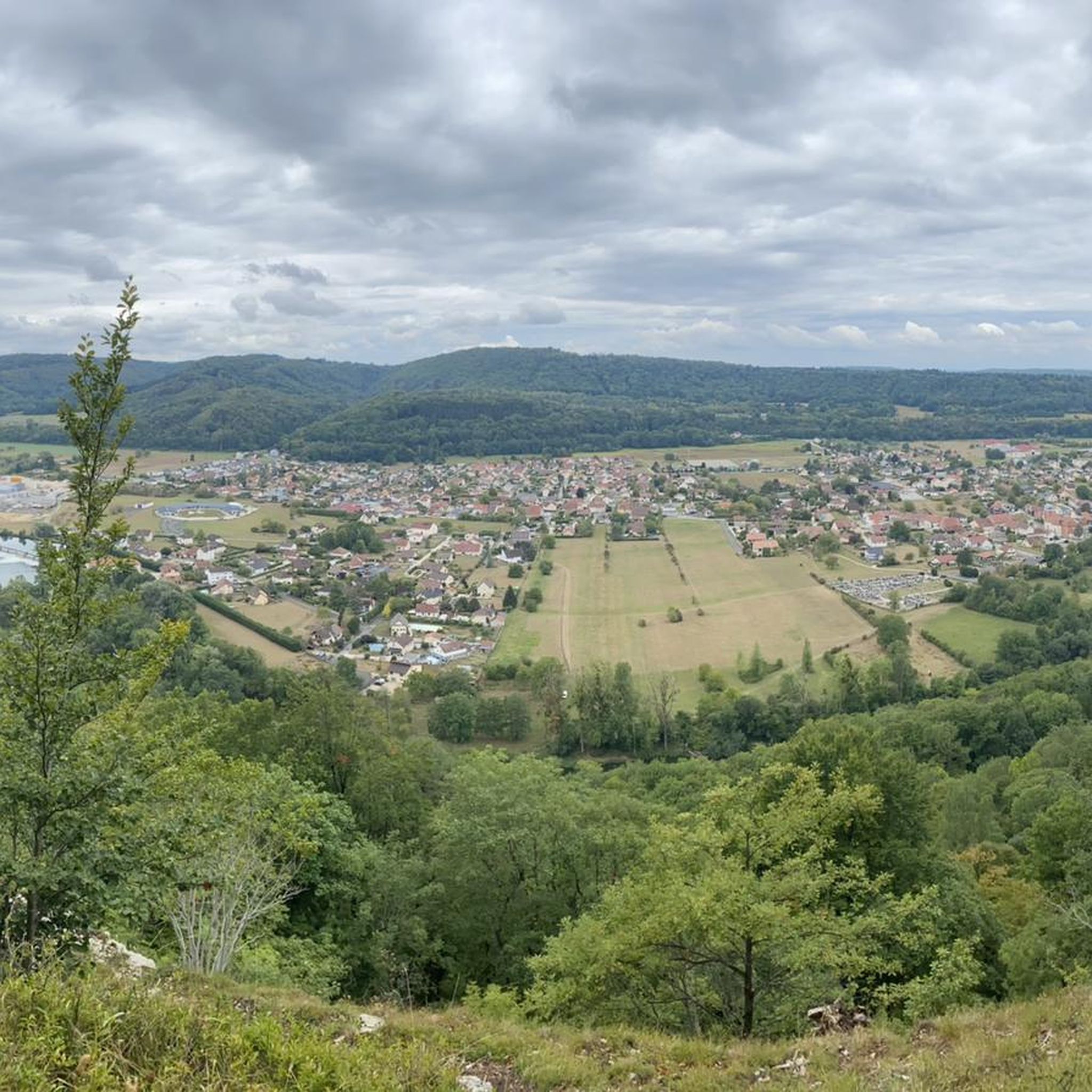
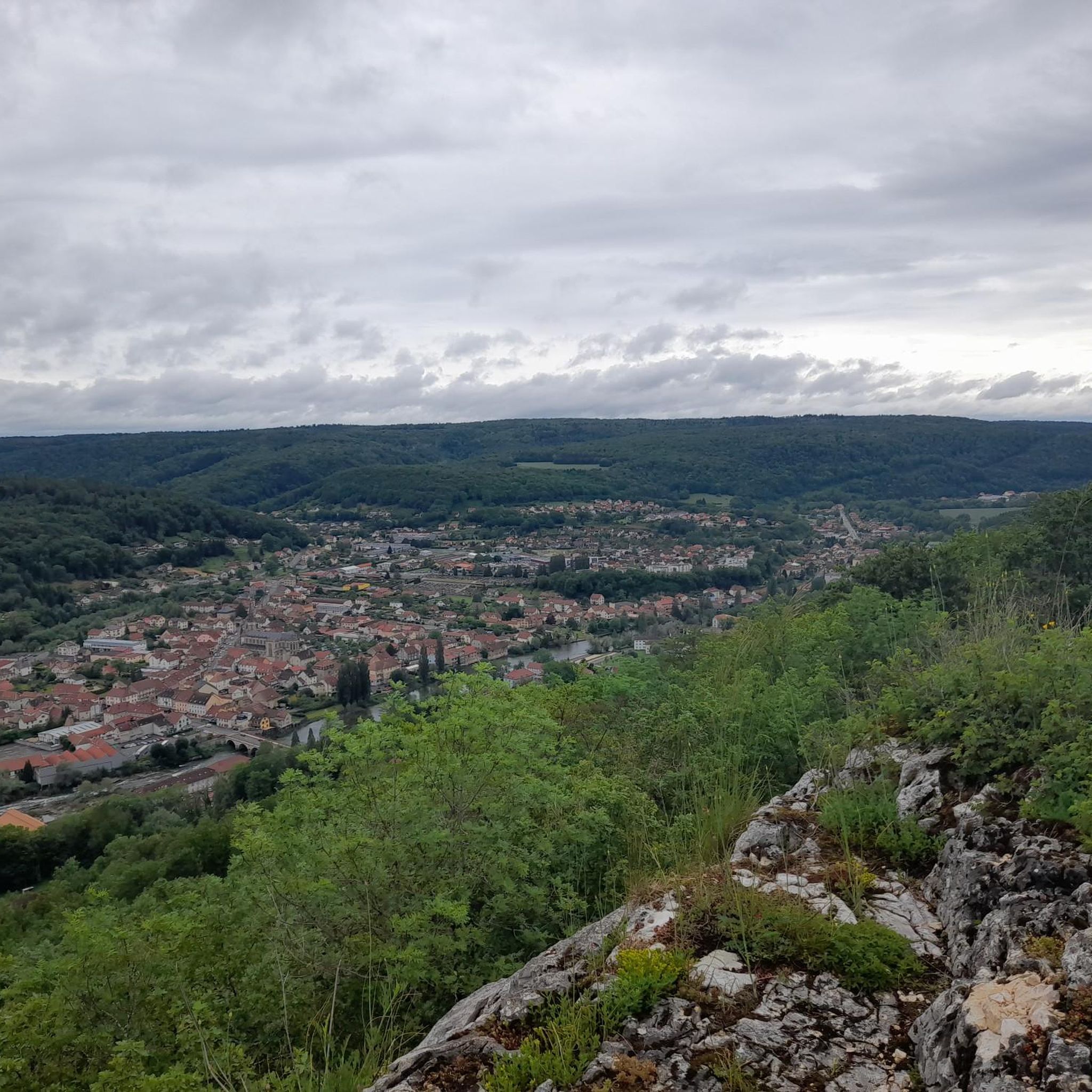
Nestled in the Doubs Valley, Saint-Hippolyte is a charming village in Franche-Comté. With its ancient streets and Romanesque church, it offers a peaceful break by the water, surrounded by the lush green landscapes of the Jura.
1
1

Saint-Hippolyte is a French commune with 962 inhabitants in the Haut-Rhin department in the European territorial community of Alsace and the Grand Est region. The municipality is a member of the Communauté de communes du Pays de Ribeauvillé.
3
1

Many churches in France, including this chapel, are dedicated to the Virgin Mary under the widely used title "Notre-Dame" (in German: "Our Dear Lady"). A brief thought on the Mother of God from Albino Luciani (Pope John Paul I): "Mary is indeed our sister, as Saint Ambrose says. She led a life very similar to ours. It is of course beautiful to venerate Mary as the Virgin and Mother of God, as the one conceived immaculately by original sin and taken up into heaven; but she is also the Madonna of plates, brooms and cooking pots..." Every visitor to this small Marian shrine can decide for themselves which "Notre-Dame" they would like to venerate here.
2
0

Very authentic place. It's really busy during the day. But early in the morning you can still enjoy the quiet atmosphere.
0
0

Pretty village which deserves more than the time I devoted to it.
2
1

fun, flat, easy to roll and walk
0
0
Frequently Asked Questions
What natural attractions can I explore in Roches-Lès-Blamont?
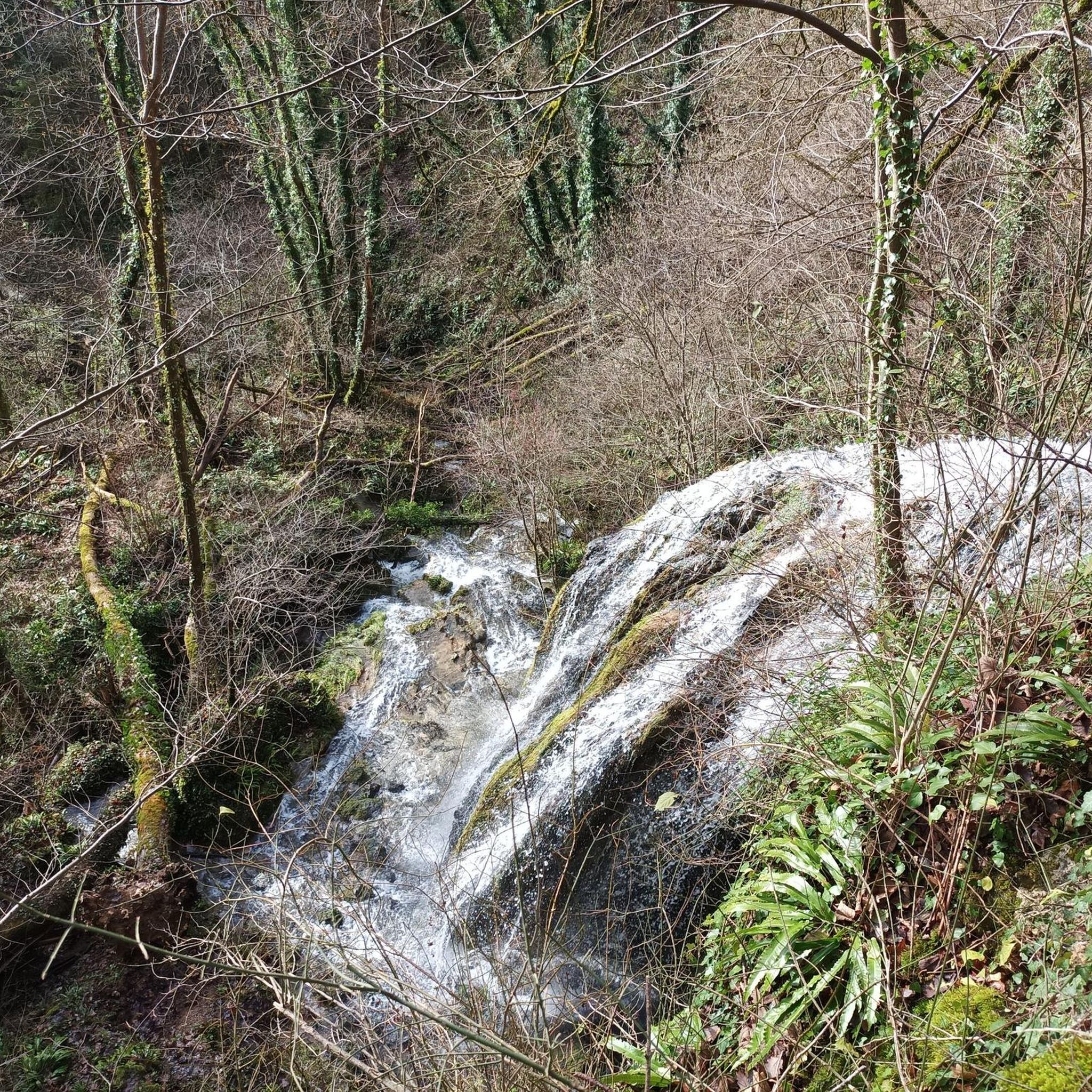
The area is rich in natural beauty. You can discover the unique cascade de tuf, a distinctive waterfall with a vibrant green hue due to its mossy covering. It's fed by a tributary of the Gland river and is accessible via a path leading to the Fontaine des Roches, a resurgence at the foot of a 15-meter high limestone cliff. The surrounding steep forests also offer ecological value.
Are there historical sites to visit in Roches-Lès-Blamont itself?
Yes, the village is home to a significant temple, which stands on the site of an ancient church dating back to 1040. Although heavily damaged and rebuilt over centuries, its current structure dates to 1849. Additionally, you can find the monument aux morts, commemorating soldiers from various conflicts.
What family-friendly activities are available near Roches-Lès-Blamont?
For families, there are several options nearby. The Grottes et Préhisto-Parc in Réclère, Switzerland, offers caves and a prehistoric park experience. Closer by, you can find leisure activities like Bowling Star Bowl in Audincourt and Jump Street Trampoline Parc in Valentigney. The Saint-Hippolyte village and Notre-Dame-du-Mont Chapel are also considered family-friendly highlights.
What kind of outdoor activities, like cycling, can I do around Roches-Lès-Blamont?
The region offers diverse cycling opportunities. You can explore various routes for road cycling, gravel biking, and general cycling. For instance, there are challenging road cycling routes like the 'Col de la Croix via Seleute' loop or moderate gravel biking options such as the 'Junction to Mandeure – Shadoof well' loop. You can find more details and specific routes in the Road Cycling Routes, Gravel Biking, and Cycling guides for the area.
Are there any significant historical monuments or memorials in the region?
Yes, the Lomont Maquis Memorial is a prominent site. Located near Fort du Lomont, this monument pays tribute to the Lomont maquis, a significant resistance group during World War II. It's a 13-meter stele inaugurated in 1947, situated at the Passage de la Douleur.
What is the <a href="https://www.komoot.com/highlight/5866378" target="_blank" rel="noopener">Saint-Hippolyte village</a> known for?
Saint-Hippolyte village is a charming settlement nestled in the Doubs Valley. It's known for its ancient streets, a Romanesque church, and offers a peaceful break by the water, surrounded by the lush green landscapes of the Jura. It's also a traffic-technically important place at the mouth of the Dessoubre in the Doubs, making it ideal for bike tour planning.
Can I visit a castle or a historical residence in the vicinity?
You can visit the Château Peugeot in Pont-de-Roide. This residence was built in 1853 for Frédéric Peugeot, one of the founding Peugeot brothers. Today, it serves as the town hall, but its historical significance and architecture, reflecting the nobility and distinction of its original owners, are still evident.
What cultural experiences, such as museums, are close to Roches-Lès-Blamont?
For cultural experiences, the Musée de l'Aventure Peugeot in Sochaux, approximately 12 km away, is a must-visit for those interested in the history of the Peugeot brand. Additionally, the Gallo-Roman Theatre of Mandeure, about 6.1 km from the commune, offers a glimpse into ancient history.
Are there any prehistoric sites or shelters to discover?
Yes, the Rochedanne rock shelter is a notable prehistoric site. Discovered in 1877, this rock overhang is world-famous for the 77 engraved and 122 painted pebbles from the Azilian period (11,000 to 9,000 years BCE) found there, indicating its use by humans in prehistoric times.
What do visitors particularly enjoy about the attractions around Roches-Lès-Blamont?
Visitors appreciate the blend of natural beauty and historical significance. Highlights like the Saint-Hippolyte village are loved for their peaceful atmosphere and scenic views, while the Notre-Dame-du-Mont Chapel offers a quiet place for reflection with a drinking water point for hikers. The Rochedanne rock shelter provides a unique historical experience, allowing visitors to imagine prehistoric life.
Are there any viewpoints or scenic spots in the area?
Many attractions offer scenic views. The Saint-Hippolyte village is noted for its peaceful setting by the water amidst the lush Jura landscapes. The Notre-Dame-du-Mont Chapel also provides a viewpoint. The Fontaine des Roches site itself offers a captivating view of the water veil cascading over moss, highlighting the local geological formations.
What is the <a href="https://www.komoot.com/highlight/5812607" target="_blank" rel="noopener">Notre-Dame-du-Mont Chapel</a> and its significance?
The Notre-Dame-du-Mont Chapel is a religious building with a rich history, originally constructed in 1542 to house a statue of the Virgin. It became a place of pilgrimage, was enlarged in 1721, and rebuilt after being damaged in 1940. It's located directly on the GR5 hiking trail and is known for its serene atmosphere.
Most popular routes around Roches-Lès-Blamont
Most popular attractions around Roches-Lès-Blamont

Get inspired with the komoot mobile app


Explore more
Still not found the Highlight you’re looking for? See guides of the top attractions in other regions:
