The best cycling routes around Beuvron
4.6
(54)
423
riders
39
rides
Cycling routes near Beuvron France traverse the picturesque Normandy countryside, characterized by rolling hills and extensive apple orchards. The region offers scenic rides through blooming meadows and provides panoramas over the Seine estuary and the Risle valley. Natural features include the marshes of the maritime Risle and the cliffs of the Vaches Noires, accessible at low tide. The Dives Valley and surrounding hills contribute to the varied terrain.
Best touring cycling routes around Beuvron
- The most popular touring cycling route…
Last updated: October 19, 2026
4.9
(8)
55
riders
Moderate bike ride. Good fitness required. Mostly paved surfaces. Suitable for all skill levels.
4.5
(2)
6
riders
Easy bike ride. Great for any fitness level. Mostly paved surfaces. Suitable for all skill levels.

4.4
(9)
55
riders
28.8km
01:40
80m
80m
Easy bike ride. Great for any fitness level. Mostly paved surfaces. Suitable for all skill levels.
5.0
(2)
15
riders
101km
06:16
850m
850m
Hard bike ride. Very good fitness required. Mostly paved surfaces. Suitable for all skill levels.
8
riders
13.2km
00:48
110m
110m
Easy bike ride. Great for any fitness level. Mostly paved surfaces. Suitable for all skill levels.
Get access to more routes and recommendations from other explorers.
Already have an account?
Our route recommendations are based on thousands of hikes, rides, and runs completed by other people on komoot.
Start today with a free account
Your next adventure awaits.


Tips from the Community


The Canal du Nivernais During the harsh winter of 1782-1783, the Morvan forest was no longer sufficient to supply the capital with wood. Wood had to be transported from other forests, particularly from the Bazois. To solve this problem, the construction of a small channel between the Loire and the Yonne was considered. Work began in 1784 with the boring of "La Montagne" at La Collancelle, and in 1786, the construction of a navigable canal was planned. After 56 years of construction, the three tunnels were completed in 1840, and on March 15, 1841, the Nivernais Canal was officially opened. In the first four decades, the canal saw an increase in traffic, as it served as a means of transport for heavy loads such as stone, wood, and coal. With the decline in demand for wood in the capital and the advent of the railway, the decline of navigation on the canal began. In the 1970s, political will and financial support were needed to promote river tourism, ecotourism, and cycling tourism. To this day, the Canal du Nivernais is one of the busiest canals in France, thanks to its gentle cruising.
0
0
The Nivernais Canal During the cold winter of 1782-1783, the Morvan forest was no longer sufficient to supply the capital with wood. It became necessary to transport wood from other forests, those of Bazois. Work was then considered to build a small channel between the Loire and the Yonne. In 1784, construction began with the drilling of "La Montagne" from La Collancelle, and in 1786, the construction of a navigation canal was planned. In 1840, the construction of the three tunnels was completed, then on March 15, 1841, the official commissioning of the Nivernais Canal took place. In the first 40 years, traffic on the canal increased, and it was also used as a means of transport for heavy loads (especially stone, but also wood and coal). With the decline in demand for wood in the capital and the development of the railway, navigation on the canal began to decline. In the 1970s, political will and funding were needed to develop river tourism, ecotourism, and cycle tourism. To this day, the Canal du Nivernais is one of the busiest canals in France due to its philosophy of gentle roaming.
0
0
The Nivernais Canal During the cold winter of 1782-1783, the Morvan forest was no longer sufficient to supply the capital with wood. It became necessary to transport wood from other forests, those of Bazois. Work was then considered to create a small channel between the Loire and the Yonne. In 1784, construction began with the boring of "La Montagne" in La Collancelle, and in 1786, the construction of a navigation canal was planned. In 1840, the construction of the three tunnels was completed, then on March 15, 1841, the official opening of the Nivernais Canal took place. In the first 40 years, traffic on the canal increased, and it was also used as a means of transport for heavy loads (particularly stone, but also wood and coal). With the decline in demand for wood in the capital and the development of the railway, navigation on the canal began to decline. In the 1970s, political will and funding were needed to develop river tourism, ecotourism, and cycle tourism. To this day, the Canal du Nivernais is one of the most frequented canals in France, thanks to its philosophy of gentle roaming.
0
0

There are no two alike! Plus, it's excellent with quality local products Yep & Pèt' https://maps.app.goo.gl/d31KRAa95boizLW16
0
0

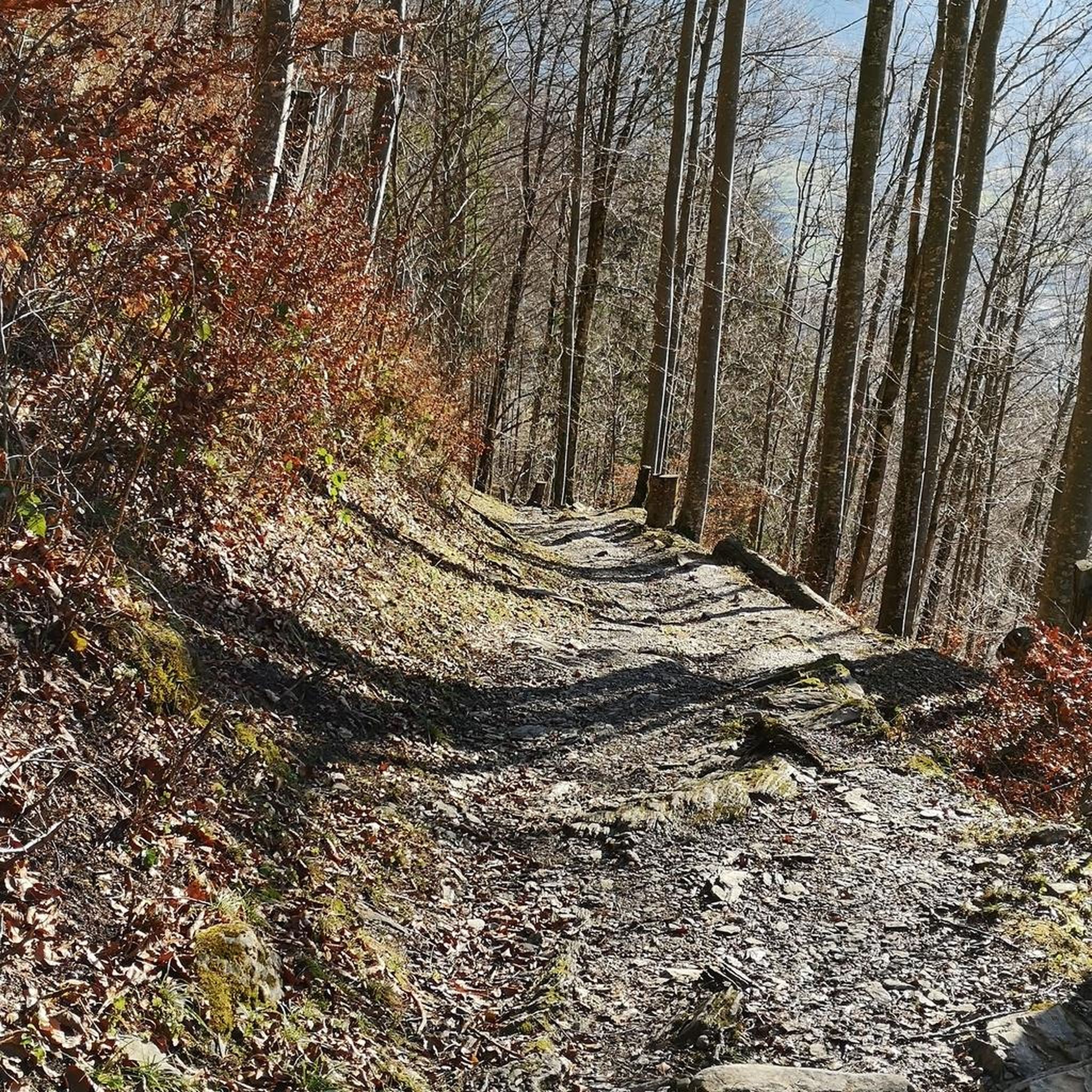
Be careful of slipping when the ground is wet.
0
0

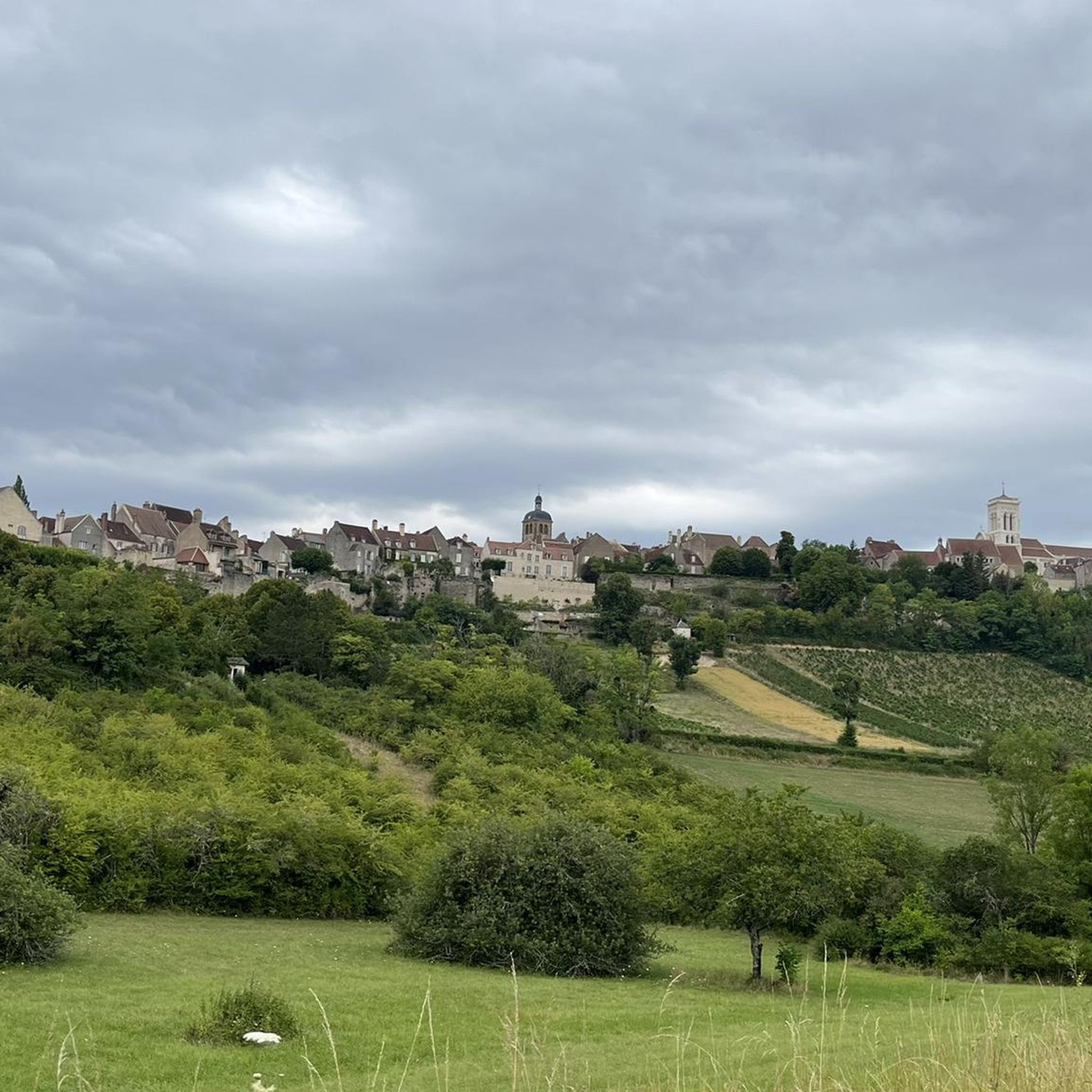
The Eternal Hill… the arrival at the Basilica of the Madeleine is paid for by the final hill!
1
0

Very friendly owners. Nice place for a bite and a drink. Name is " Yep and Pet "
1
0
Frequently Asked Questions
How many touring cycling routes are available around Beuvron?
There are over 30 touring cycling routes around Beuvron, offering a diverse range of experiences through the picturesque Normandy countryside.
What kind of terrain can I expect when cycling around Beuvron?
The terrain around Beuvron is characterized by rolling hills, extensive apple orchards, and blooming meadows. You'll also find scenic rides along river valleys like the Risle, and views over the Seine estuary. Some areas feature unique natural environments such as the marshes of the maritime Risle and the cliffs of the Vaches Noires.
What are the difficulty levels of touring cycling routes in Beuvron?
The routes around Beuvron cater to various fitness levels. You'll find 5 easy routes, 17 moderate routes, and 12 more challenging routes. Many paths, especially those along canals or through villages, are on paved surfaces, making them accessible for different abilities.
What do other cyclists say about the routes in Beuvron?
The touring cycling routes in Beuvron are highly rated by the komoot community, with an average score of 4.7 stars from nearly 50 reviews. Over 2000 touring cyclists have used komoot to explore the varied terrain, often praising the scenic beauty and the blend of cultural and natural attractions.
Are there any easy touring cycling routes suitable for a relaxed ride?
Yes, for a gentle ride, consider the Loop from Asnois and along the Canal du Nivernais via the V51 and the D985. This 27.3 km path offers a relaxed outing through the local landscape with minimal elevation changes. Another easy option is the Canal du Nivernais – Manual Drawbridge loop from Flez Cuzy Tannay, which is 28.7 km long.
Are there any longer or more challenging touring routes for experienced cyclists?
For experienced cyclists seeking a longer challenge, the Collancelle Locks – Canal de Nivernais loop from Courcelles is a difficult 123.6 km route. This extensive loop offers significant elevation changes and a full day's adventure.
What are some notable landmarks or attractions I can see along the cycling routes?
Along your cycling routes, you can explore several interesting points. The Canal de Nivernais Towpath itself is a highlight, offering picturesque views. You might also encounter historical sites like Cuncy Castle and the nearby Cuncy Lock. The charming village of Varzy and the bistro in Brèves also offer pleasant stops.
Are there any routes that showcase the region's famous apple orchards and local produce?
Absolutely. The region is renowned for its apple orchards. While specific komoot routes are not named 'Cider Route', many paths, like the Canal du Nivernais – Historic centre of Clamecy loop from Flez Cuzy Tannay, will lead you through varied countryside that includes these iconic landscapes. The broader Pays d'Auge area, where Beuvron is located, is famous for its cider, pommeau, and calvados producers.
What is the best time of year to go touring cycling in Beuvron?
The best time to cycle in Beuvron is generally from spring through early autumn. During these seasons, the apple orchards are in bloom or laden with fruit, and the meadows are vibrant. The weather is typically mild, making for pleasant riding conditions. The region promotes 'slow tourism', encouraging visitors to immerse themselves in the local culture and heritage during these periods.
Are there any circular touring cycling routes around Beuvron?
Yes, many of the touring cycling routes around Beuvron are designed as loops. For instance, the popular Canal du Nivernais – Canal de Nivernais Towpath loop from Flez Cuzy Tannay is a 70.8 km circular route. Another great option is the Loop from Asnois and along the Canal du Nivernais via the V51 and the D985, which is an easy 27.3 km loop.
Can I find places to eat or drink along the cycling routes?
Yes, the region offers charming villages and towns where you can find cafes and bistros. For example, the highlight Brèves and its bistro is a specific spot mentioned. Beuvron-en-Auge itself, with its central square and picturesque setting, provides opportunities for refreshments and meals.
Are the cycling routes suitable for families?
Many of the routes, particularly the easier ones with moderate elevation changes and paved surfaces, are suitable for families. The focus on 'slow tourism' and the charming village settings make it an ideal destination for relaxed cycling holidays with children. The canal paths, in particular, tend to be flatter and safer for family outings.
Most popular attractions around Beuvron

Get inspired with the komoot mobile app


Explore more
Browse the best Cycling routes in other regions.
