Attractions and Places To See around Mouliherne - Top 11
Attractions and places to see around Mouliherne include a blend of historical heritage and natural beauty in the Maine-et-Loire department of France. The area features extensive wooded landscapes and picturesque apple orchards, ideal for outdoor activities. The Riverolle River, a first-category trout stream, and Louisière Pond, a leisure base, offer additional natural points of interest. Mouliherne provides opportunities to explore historical sites and enjoy the countryside.
Best attractions and places to see around Mouliherne
- The most popular attractions is Passage…
Last updated: July 1, 2026
Château de Baugé
Highlight • Castle
Translated by Google •
Tip by

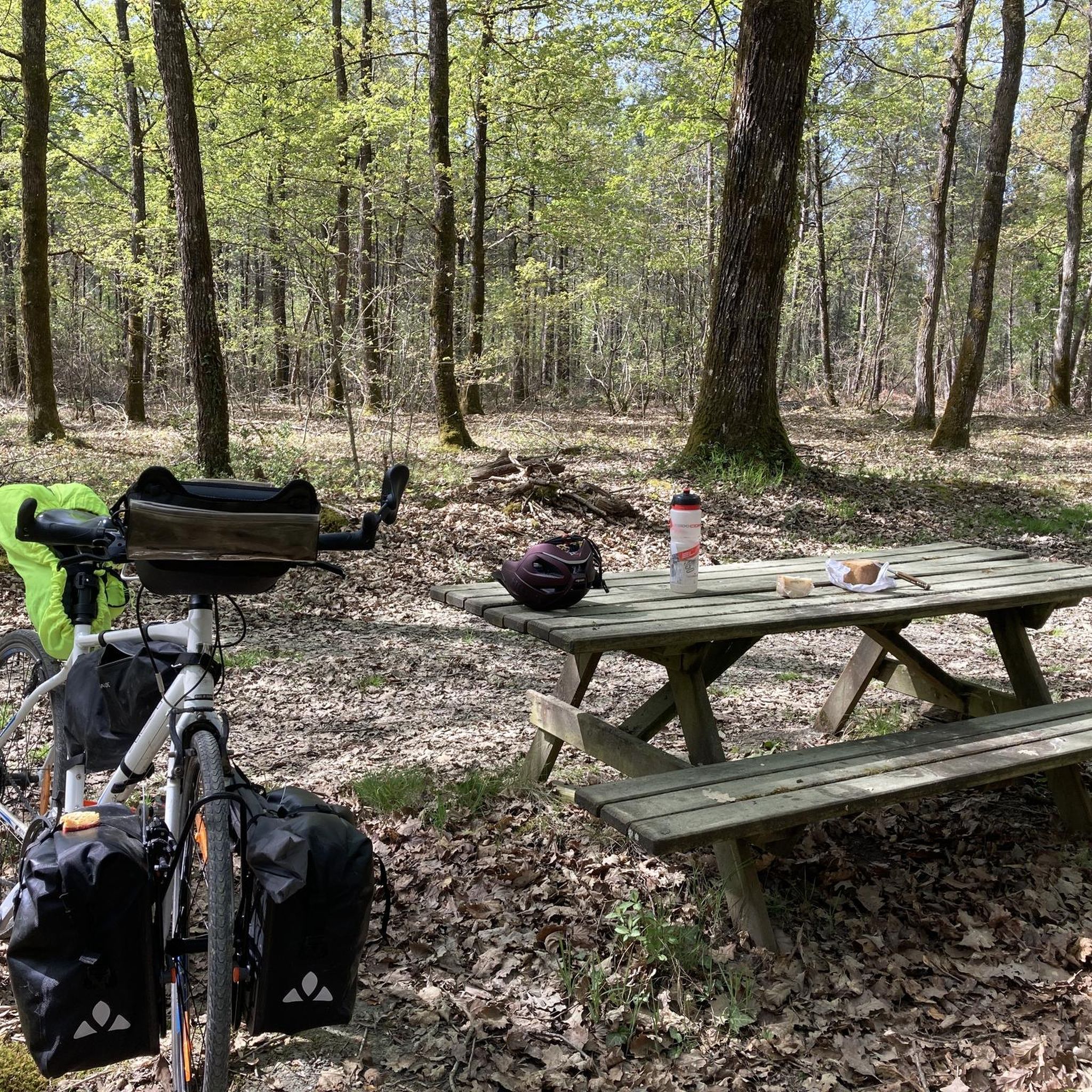
Passage through woodland
Highlight (Segment) • Other
Translated by Google •
Tip by

Sign up now to discover places like this
Get recommendations on the best single tracks, peaks, & plenty of other exciting outdoor places.
Sign up for free
Grand'Maison Manor in Longué-Jumelles
Highlight • Other
Translated by Google •
Tip by
La Vélobuissonnière
Highlight • Other
Translated by Google •
Tip by

Baugé Castle, Palace of King René
Highlight • Other
Translated by Google •
Tip by
Sign up for free to discover even more attractions around Mouliherne.
Sign up for free
Already have an account?
Start today with a free account
Your next adventure awaits.
Login or Signup


Tips from the Community

A down jacket and gloves are recommended. Otherwise, keep in mind: the warmest jacket is the cognac jacket!
0
0

PRICES Individual price adult: €9.00 Individual price reduced: €7.50 15-18 years old, student, job seeker, person with a disability Individual price child: €4.50 7-14 years old Family formula: €22.50 2 adults + 2 children (7-14 years old)
0
0
SCHEDULES From May 25 to June 11, 2021 Monday 2 p.m. - 6 p.m. Tuesday 2 p.m. - 6 p.m. Wednesday 2 p.m. - 6 p.m. Thursday 2 p.m. - 6 p.m. Friday 2 p.m. - 6 p.m. Saturday 2 p.m. - 6 p.m. Sunday 2 p.m. - 6 p.m.
0
0
VISITS Free individual visits Average duration of individual visit: 1 hour Welcoming groups from 20 people to 40 people Free group visits Guided group tours Guided group tours on request Educational group visits Average duration of the group visit: 1h15 Point of interest visible without visit Languages available Audio: French Panels: French, English Spoken: French, English ACTIVITIES Specific thematic animation Children's workshop Temporary exhibitions
0
0
The castle and the Hôtel-Dieu de Baugé, today managed by the city, are among the heritage riches of this thousand-year-old city, labeled “Most beautiful detour in France” and “Little City of Character”. Known for his numerous architectural achievements, King René, Duke of Anjou, had the castle built in the 15th century as his hunting lodge. Simplicity, charm and elegance are the key words of this architectural ensemble, as evidenced by the imposing spiral staircase overlooked by its palm tree vault. Baugé castle first appeared at the beginning of the 11th century when Foulques III Nerra, count of Anjou and formidable warrior, had a fortress built on a rocky spur, at the confluence of the Couesnon and the Altrée, intended to secure east of its territory. No trace of this vast ensemble remains today, the last vestiges having been razed in the middle of the 19th century during the development of the current Place de l'Europe in front of the castle. Between the 11th and 14th centuries, a new castle was built on the site of the current castle, but the sources are incomplete for this period. It was probably burned down during the Hundred Years' War. On these bases the current castle was built between 1454 and 1465, commissioned by René I, Duke of Anjou (1409-1480) from its architect Guillaume Robin. Discover the new scenography of the Château de Baugé inaugurated in May 2021: the Palace of King René. In this brand new journey, let yourself be told the stories of a great story, that of a unique knight-artist. Imagine... You are the guest of a royal banquet, you discover the precious works of the library or, surprise, you explore an astonishing forest in the attic of the castle until then closed to the public. Between history and poetry, daily life and imagination, the new route through the Palais du Roi René will leave you dreaming. The visit to the Baugé castle goes hand in hand with the discovery of the Hôtel-Dieu de Baugé. The city's first hospital opened in 1650 thanks to the tenacity of two women wishing to offer a place of welcome and care to the most deprived in the region, it closed in 2001 after 350 years of hospital activity. In turn, the sick room, the baroque chapel, the convent buildings, the simple garden are revealed to visitors. The whole still constitutes today a coherent architectural ensemble and witness to the dual vocation of the place: care of souls and care of the body. Among the masterpieces to discover in the Loire Valley, the apothecary is one of the must-sees. A mysterious atmosphere reigns in this 17th century pharmacy, recognized as one of the richest and most complete in Europe.
0
0

La Vélobuissonière is a cycle route which connects Normandy to the Loire, from Alençon to Saumur, for 250 km.
0
0

Baugé Castle is a medieval castle built by King René, Duke of Anjou and hunting enthusiast. You can explore the castle and learn about the life and times of this Renaissance prince, who ruled a vast territory from Anjou to Jerusalem. You can also attend a sound and light show reconstructing the history of the castle and its owner. The castle is open from April to October, from 2:00 p.m. to 6:00 p.m. every day except Monday.
2
0

Frequently Asked Questions
What historical sites can I explore in and around Mouliherne?
Mouliherne is rich in history. You can visit the Mouliherne Church, an 11th-century structure with Romanesque and Plantagenet Gothic styles, featuring a unique twisted spire and Carolingian sarcophagi. Adjacent to the church is the rare Lantern of the Dead, built upon a 12th-century ossuary. Further afield, explore the medieval Château de Baugé, a 15th-century castle built by King René, offering insights into Renaissance life. While not accessible for visits, the 15th-century Manor of La Touche is also a notable historic monument.
Are there any natural attractions or outdoor leisure areas in Mouliherne?
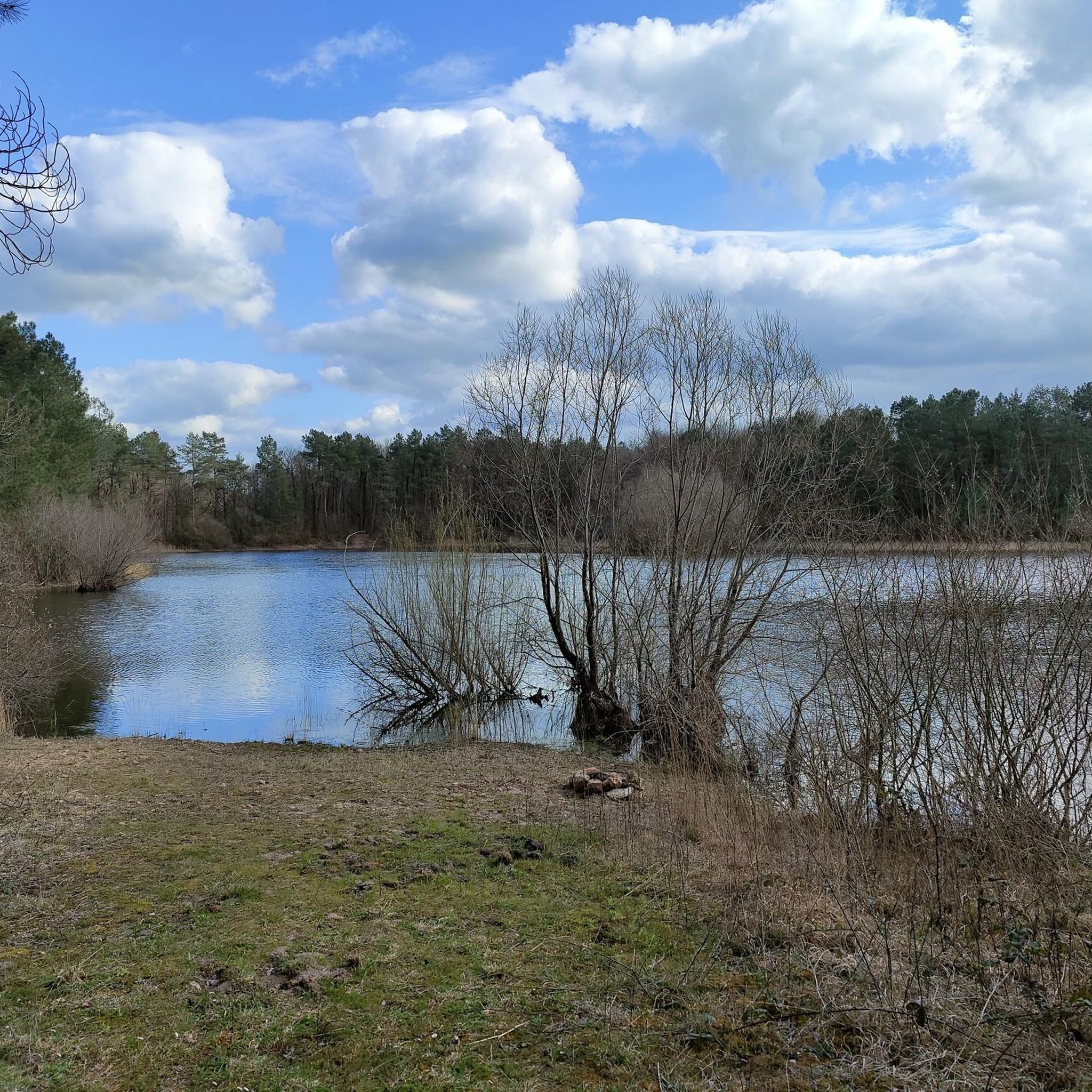
Yes, Mouliherne offers several natural attractions. The Riverolle River is a first-category trout stream, perfect for fishing and leisurely strolls. The Louisière Pond is a developed leisure base with picnic tables, barbecues, children's games, and a petanque ground, also popular for fishing. The region is characterized by extensive wooded landscapes and picturesque apple orchards, ideal for enjoying the unspoiled countryside. Don't miss the magnificent Thousand-Year-Old Chestnut Tree at Les Derouinières.
What kind of outdoor activities can I do near Mouliherne?
Mouliherne and its surroundings are excellent for various outdoor activities. You can enjoy hiking on a 10 km circuit that explores the village's heritage and wooded areas, or try mountain biking on marked trails. For cycling enthusiasts, La Vélobuissonnière is a long-distance cycle route connecting Normandy to the Loire. You can also find numerous routes for gravel biking, road cycling, and general cycling. For more detailed routes, check out the guides for Gravel biking around Mouliherne, Road Cycling Routes around Mouliherne, and Cycling around Mouliherne.
Are there family-friendly attractions in Mouliherne?
Absolutely! The Château de Baugé is a great option, offering a fun circuit for younger visitors and hosting shows and events. The Louisière Pond is also family-friendly, providing children's games, picnic areas, and space for outdoor activities. The wooded landscapes and apple orchards offer pleasant, easy strolls for families to enjoy nature together.
What is the best time to visit Mouliherne for outdoor activities?
The best time to visit Mouliherne for outdoor activities is generally from spring through early autumn. This period offers pleasant weather for hiking, cycling, and enjoying the natural beauty of the wooded landscapes and apple orchards. If you're interested in local events, the Apple Fair is a significant communal event held on the third weekend of October.
Can I find easy walking trails or hikes in Mouliherne?
Yes, Mouliherne offers easy walking opportunities. A 10 km hiking circuit allows you to explore the village's heritage and wooded surroundings. The area along the Riverolle River is also ideal for leisurely strolls. For a shaded and pleasant experience, consider the Passage through woodland, which is very enjoyable for a walk.
What is the significance of the Mouliherne Church?
The Mouliherne Church (Saint-Germain de Mouliherne) is a significant historical landmark. Founded in the 11th century, it showcases a fascinating blend of Romanesque and Plantagenet Gothic architectural styles. Its medieval bell tower is topped with a rare twisted spire from the late 15th century. Inside, you can observe Carolingian sarcophagi. The church is recognized as part of the 'welcoming churches in Anjou' network.
What is the Grand'Maison Manor?
The Grand'Maison Manor in Longué-Jumelles is a 16th-century manor built in the Angevine Renaissance style. It is listed as a historical monument, particularly noted for its roof, facades, and staircase turret. It is a privately owned property.
Are there any unique architectural features in Mouliherne?
Mouliherne boasts unique architectural features, most notably the Mouliherne Church's medieval bell tower with its astonishing twisted spire from the late 15th century. This is a rare architectural element in the Bauge region. Additionally, the Lantern of the Dead, located in the cemetery, is a rare monument built upon a 12th-century ossuary.
What do visitors enjoy most about the attractions around Mouliherne?
Visitors particularly enjoy the blend of historical heritage and natural beauty. The shaded paths through wooded areas, like the Passage through woodland, are appreciated for pleasant walks and rides. The historical depth of sites like the Château de Baugé, with its rich history and engaging exhibits, also receives high praise. The overall tranquility and opportunities for outdoor activities in the picturesque countryside are frequently highlighted.
Can I go fishing in Mouliherne?
Yes, fishing is a popular activity in Mouliherne. The Riverolle River is classified as a first-category trout stream, making it an excellent spot for trout fishing. Additionally, the Louisière Pond is also a popular location for fishing, offering a relaxing environment with amenities.
Most popular routes around Mouliherne

Get inspired with the komoot mobile app


Explore more
Still not found the Highlight you’re looking for? See guides of the top attractions in other regions:
