Attractions and Places To See around Panissage - Top 20
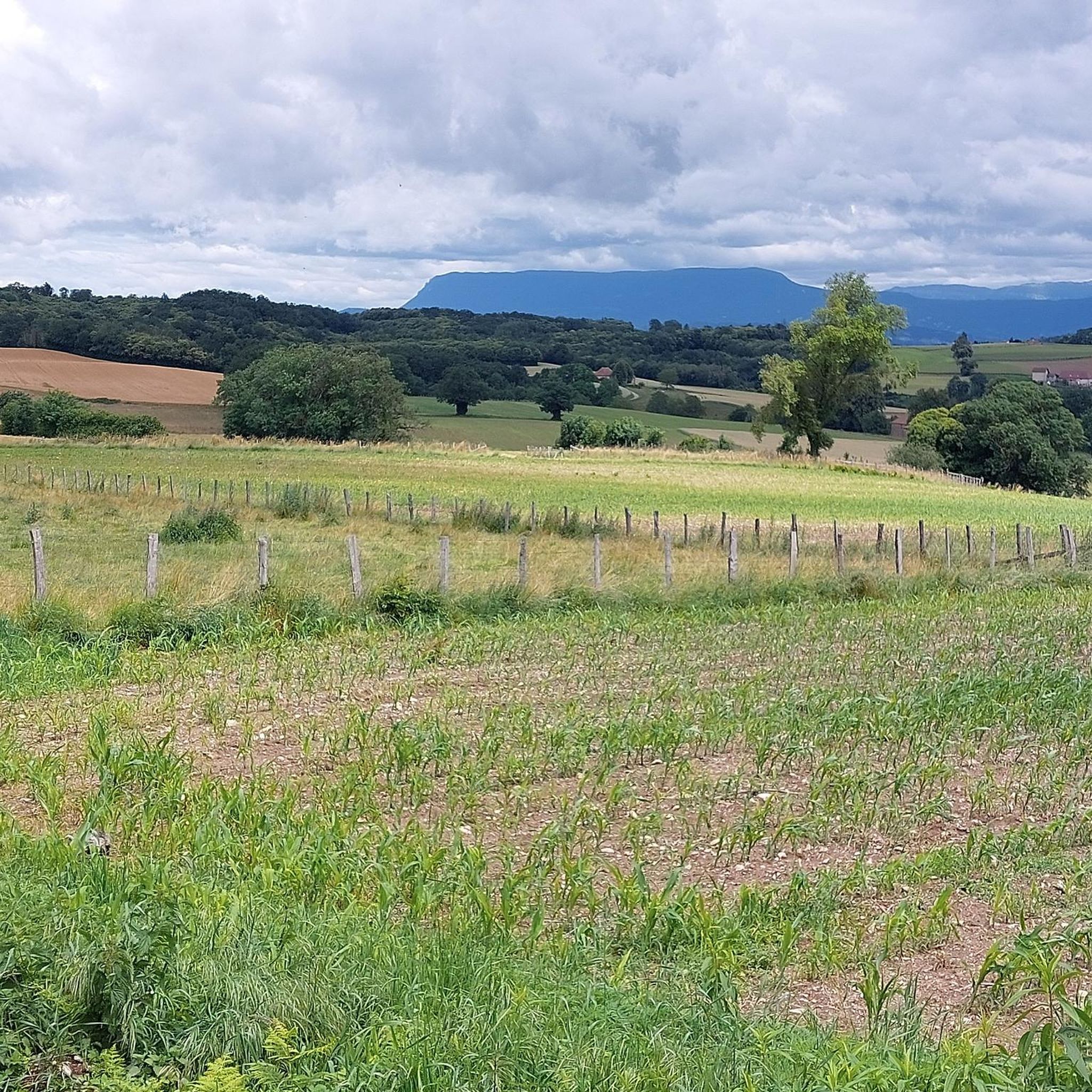
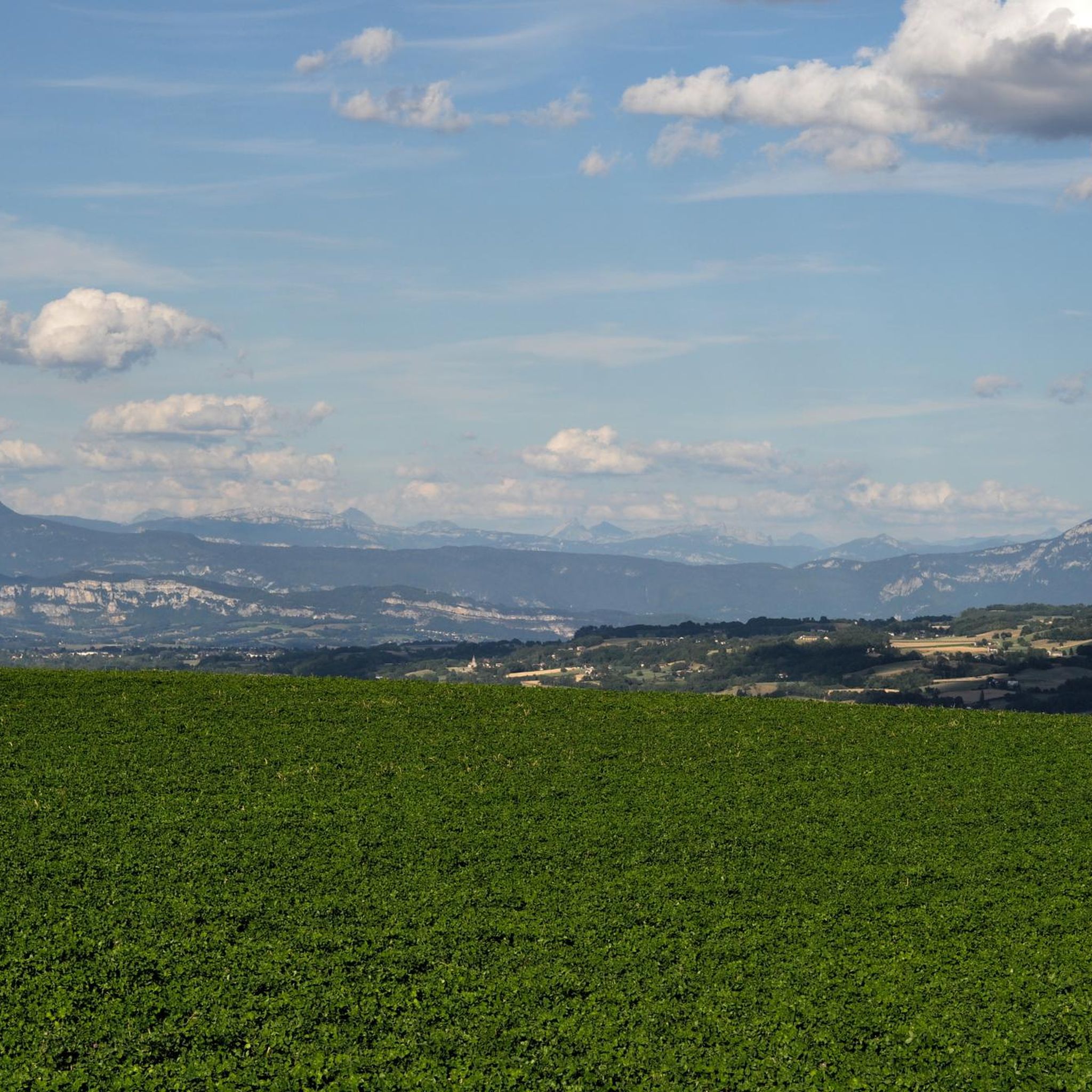
Attractions and places to see around Panissage, a commune within Val-de-Virieu in the Isère department, offer a mix of historical sites and natural landscapes. The area is situated in the Auvergne-Rhône-Alpes region of France, known for its diverse natural features including mountains, natural parks, and lakes. Visitors can explore a variety of landmarks and natural points of interest, making Panissage tourism appealing for outdoor activities.
Best attractions and places to see around Panissage
- The most popular attractions is Our Lady…
Last updated: October 11, 2026
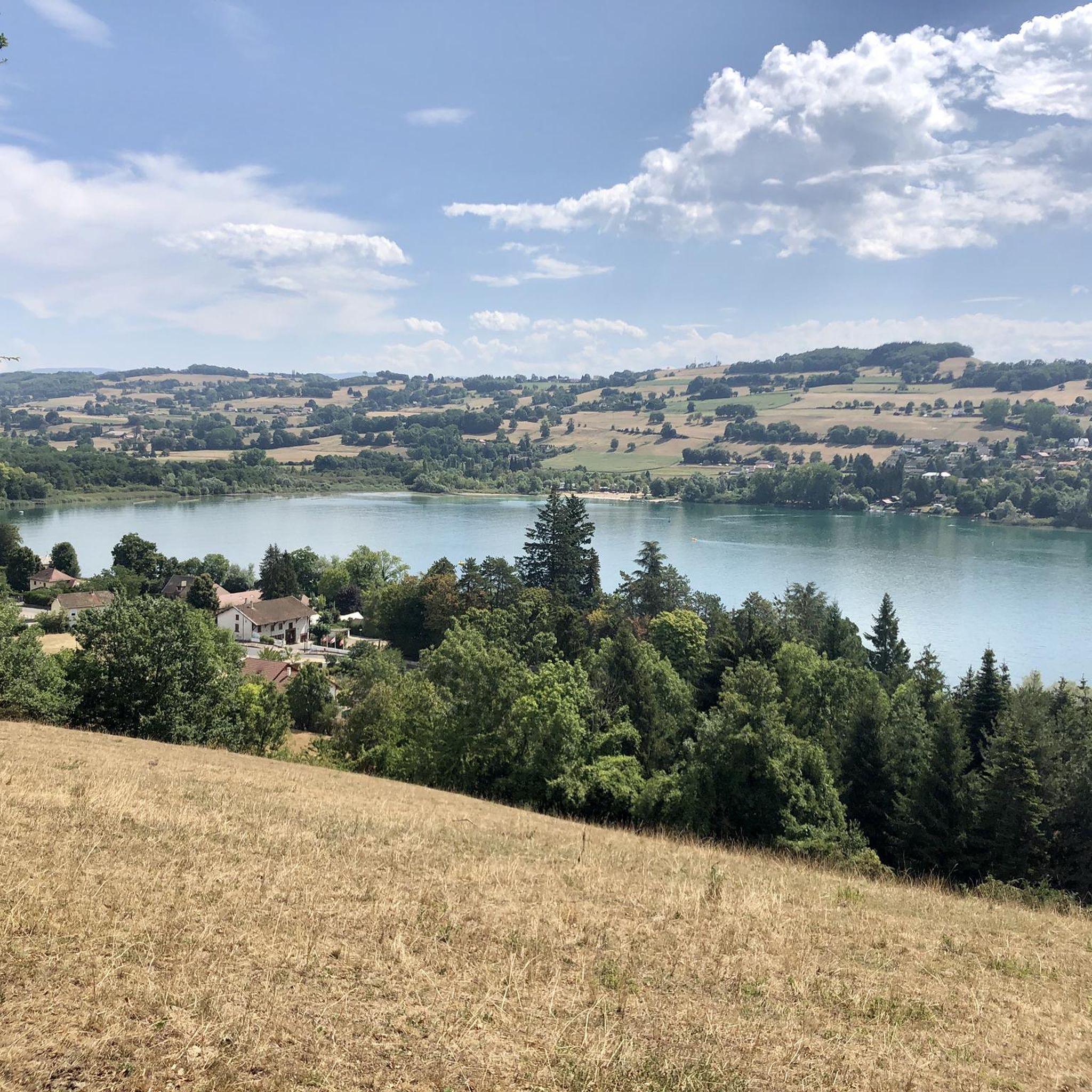
Lake Paladru
Highlight • Lake
Translated by Google •
Tip by

Chemin des marais
Highlight (Segment) • Trail
Translated by Google •
Tip by

Sign up now to discover places like this
Get recommendations on the best single tracks, peaks, & plenty of other exciting outdoor places.
Our Lady of the Vines
Highlight • Religious Site
Translated by Google •
Tip by

Saint John the Evangelist Church of Valencogne
Highlight • Religious Site
Translated by Google •
Tip by

Saint-Pierre Church
Highlight • Religious Site
Translated by Google •
Tip by
Sign up for free to discover even more attractions around Panissage.
Already have an account?
Start today with a free account
Your next adventure awaits.


Tips from the Community

Pretty little church, which has some nice stained glass windows
0
0

A 14 km greenway allows for walks on the eastern bank. The complete circuit of the lake on foot or by mountain bike is a route of about 29 km through the surrounding hills.
0
0
Lake Paladru is very popular in the summer, especially on weekends. Swimming is possible; there's a small, well-equipped beach.
0
0
This is a classic bike ride around Grenoble, easy and suitable for the whole family.
0
0

Here, you enter a sensitive natural area for a 1-kilometer trail marked with four stations to discover the area's remarkable flora and fauna. A pleasant way to connect the two shores of Lake Paladru, between Paladru and Montferrat.
1
0


During Holy Week, Christians commemorate the Passion of Jesus Christ, beginning with the triumphal entry into Jerusalem (Palm Sunday), the Last Supper (Maundy Thursday), and ending with the arrest, condemnation, and execution (Good Friday), which then culminates in the Easter Vigil with the celebration of the Resurrection, the climax of the church year. The biblical accounts of the New Testament that describe these events paint a very nuanced picture of the Apostle Peter (Saint-Pierre), to whom the church of Charavines is dedicated: on the one hand, he is a determined disciple of Jesus, but also not free from human weakness and fear. In the Garden of Gethsemane, he (like the other disciples) falls asleep when Jesus turns to God the Father after the Last Supper and asks the disciples to pray as well. And after Jesus' arrest, Peter denies three times that he even knows him. But he also weeps over his weakness and, upon encountering the risen Christ, affirms his love and loyalty to him. His real name is Simon, but Jesus gives him the name Peter (which means "rock") on which the church is to be built and gives him—according to the account of the Evangelist Matthew—the "keys to the kingdom of heaven."
1
0
The small rest area created here, with its very unusual design, invites passersby not to roll by carelessly: Behind the backrest of the bench rises a remarkable piece of craftsmanship: on one side, a flower stem bearing an unfolded blossom; and from the other, a bee flies towards it. An original idea, and rightly documented here several times with photos.
2
0
Frequently Asked Questions
What historical and cultural sites can I visit in Panissage?
Panissage offers several historical and cultural sites. You can explore the Panissage Church, built in the late 1880s, which houses a historic bell from 1765 and features notable stained glass windows. Another significant site is Our Lady of the Vines, a statue erected in 1903 to protect the village's vineyards, offering excellent views. Nearby, the Saint John the Evangelist Church of Valencogne is a historical site with frescoes and connections to the Camino de Santiago. The 18th-century Église Saint-Christophe du Pin also features a unique bell tower and historical paintings.
Are there any natural features or scenic viewpoints to enjoy near Panissage?
Yes, the area around Panissage is rich in natural beauty. Lake Paladru is a prominent natural feature offering various tours, single trails, and great viewpoints. The Our Lady of the Vines statue also provides panoramic views of the surrounding landscape. Additionally, the Isère department, where Panissage is located, is known for its diverse natural landscapes, including mountains and natural parks like Chartreuse and Vercors.
What kind of trails are available for walking or cycling around Panissage?
For walking and cycling, the Chemin des marais is a hard gravel path that winds through the Paladru Nature Zone. It's an excellent route for a leisurely walk or bike ride and offers many spots for a picnic. You can also find various trails around Lake Paladru, ranging in difficulty.
Are there family-friendly attractions or activities in Panissage?
Many attractions around Panissage are suitable for families. The Chemin des marais is a family-friendly trail perfect for walks and picnics. Our Lady of the Vines offers a pleasant picnic spot with views. Lake Paladru provides opportunities for various family activities, including exploring its trails and enjoying the beach. The Saint John the Evangelist Church of Valencogne is also noted as family-friendly.
What outdoor activities, like mountain biking or gravel biking, can I do near Panissage?
The Panissage area offers excellent opportunities for outdoor activities, including mountain biking and gravel biking. You can find several routes, such as the 'Lac de Paladru – Our Lady of the Vines loop from Montferrat' for gravel biking or the 'Chartreuse de la Sylve Bénite – Superb 360° view loop from Grand Envelun' for mountain biking. For more detailed routes and options, explore the Gravel biking around Panissage guide and the MTB Trails around Panissage guide.
Are there running trails available around Panissage?
Yes, there are several running trails in the vicinity of Panissage. You can find moderate difficulty running loops starting from locations like Montagnieu, Les Arphants, and Virieu-sur-Bourbre. For a comprehensive list of routes, refer to the Running Trails around Panissage guide.
What do visitors enjoy most about the attractions around Panissage?
Visitors particularly enjoy the scenic views and picnic opportunities at Our Lady of the Vines. The Chemin des marais is appreciated for its pleasant, practicable layout and numerous spots to stop. The diverse tours, single trails, and viewpoints around Lake Paladru are also highly rated for their varying degrees of difficulty and beauty.
Can I find places for a picnic near the attractions?
Absolutely. Both Our Lady of the Vines and the Chemin des marais are highlighted as ideal spots for picnics, offering pleasant surroundings and often great views.
What is the history behind the Our Lady of the Vines statue?
The Our Lady of the Vines statue was erected in 1903. Its primary purpose was to protect the village and its vineyards from phylloxera, a devastating pest that affected grapevines. It has stood for over 120 years, watching over the country from its prominent position.
What is the Paladru Nature Zone?
The Paladru Nature Zone is a natural area that the Chemin des marais trail crosses. It offers a scenic environment for outdoor activities and is part of the broader natural landscapes found in the Isère department.
Are there any specific architectural details to look for in the local churches?
Yes, the local churches feature interesting architectural details. The Panissage Church has a bell tower completed between 1929 and 1930 and stained glass windows by Grenoble painter Buche. The Église Saint-Christophe du Pin, an 18th-century structure, is entered through a bell tower with a recently restored painted sundial from 1832 and features walls partly built of rammed earth. Inside, you can find four paintings in the transept and chancel.
Most popular routes around Panissage
Most popular attractions around Panissage

Get inspired with the komoot mobile app


Explore more
Still not found the Highlight you’re looking for? See guides of the top attractions in other regions:
