Attractions and Places To See around Nanteau-Sur-Lunain - Top 20
Best attractions and places to see around Nanteau-Sur-Lunain include a blend of historical landmarks, natural features, and cultural sites. The commune is traversed by the Lunain River, featuring old mills and picturesque walking routes. Bordered by a state forest and situated in the Gâtinais Bocage, the area offers various hiking trails. Visitors can explore traditional architecture and megalithic sites, providing insight into the region's heritage.
Best attractions and places to see around Nanteau-Sur-Lunain
- The most popular attractions is Church and…
Last updated: October 18, 2026
Church and Castle of Paley
Highlight • Other
Translated by Google •
Tip by

Halle d'Egreville
Highlight • Monument
There are only a few …
Translated by Google •
Tip by
Sign up now to discover places like this
Get recommendations on the best single tracks, peaks, & plenty of other exciting outdoor places.
Challeau Fort
Highlight • Castle
Translated by Google •
Tip by

Kirche Saint-Jean-Baptiste
Highlight • Other
Translated by Google •
Tip by

La Roche du Sault
Highlight • Other
Translated by Google •
Tip by
Sign up for free to discover even more attractions around Nanteau-Sur-Lunain.
Already have an account?
Start today with a free account
Your next adventure awaits.


Tips from the Community

Lookout post first built in the 12th century to defend the entrance to Gâtinais.
0
0

With the patronage of "John the Baptist", this parish has chosen a saint who is considered a forerunner of Jesus Christ. In Christian theology, he is the voice of the voice prophesied in the Old Testament book of Isaiah: "A voice calls out: In the desert prepare the way for the Lord, make straight in the desert a highway for our God!" (Luther Bible). John is the son of Zechariah and Elizabeth, who was visited by the Mother of God Mary when she learned from the Archangel Gabriel that she herself was to give birth to Jesus Christ, and her - until then childless - relative was still pregnant in old age. The feast day of Saint Jean Baptist in the calendar of saints is June 24th.
0
0

Saint-Jean-Baptiste de Nemours, Catholic Church, appears like an elevator to Heaven! Who would have built this in 2020!? Nobody! Our ancestors had faith. Next to them, we are lousy.
1
0


There are only a few of this architecture in France, it remains one of the most remarkable with that of Milly-la Forêt. The construction of the hall, which initially had 8 bays and no south gable, dates back to the end of the 15th century. It followed a first work destroyed by the fire of the village in 1282. The frame whose base is in oak initially rested on the ground which, by humidity, damaged the wood. In 1666, it was necessary to remove a span to build the south gable in masonry, to install transverse and longitudinal oblique reinforcements and to rest the 28 feet on stone plinths (again replaced in 1769). During 2003, it underwent a complete restoration which made it possible to reestablish some truths about its construction and put an end to the legend which attributed its construction to Anne de Pisseleu in 1540 with a chestnut frame explaining the absence of cobwebs. It still houses the Monday morning market.
0
0
It is too beautiful. This is what we knew how to build without a crane and without cement. If only we could do as our fathers did.
0
0

Fort dating from the 11th and 12th century, mainly consisting of an enclosure (originally 6 m high and 1.3 m wide) surmounted by towers at the corners. It was remodeled in the 15th century, during the Hundred Years War, then confiscated during the French Revolution, before being returned to its original owners in 1937.
0
0
Frequently Asked Questions
What historical landmarks can I explore in Nanteau-sur-Lunain?
Nanteau-sur-Lunain and its surroundings offer several historical landmarks. You can visit the Church and Castle of Paley, which includes a 12th-century church with a unique 1794 inscription. Another significant site is the Halle d'Egreville, a remarkably preserved 15th-century market hall. The village also features the historic Église Saint-Césaire or Notre-Dame-de-l'Assomption, known for its 17th-century wooden statue and 18th-century altarpieces.
Are there any ancient or prehistoric sites to visit?
Yes, Nanteau-sur-Lunain is home to several megalithic sites, indicating Neolithic occupation. Notable examples include the classified Pierrefitte (also known as La Pierre Clouée or Pierrefritte) and La Pierre aux aiguilles. Additionally, a site of polissoirs (polishing stones) can be found in the hamlet of Les Ortures, offering a glimpse into ancient human activity.
What natural attractions are there around Nanteau-sur-Lunain?
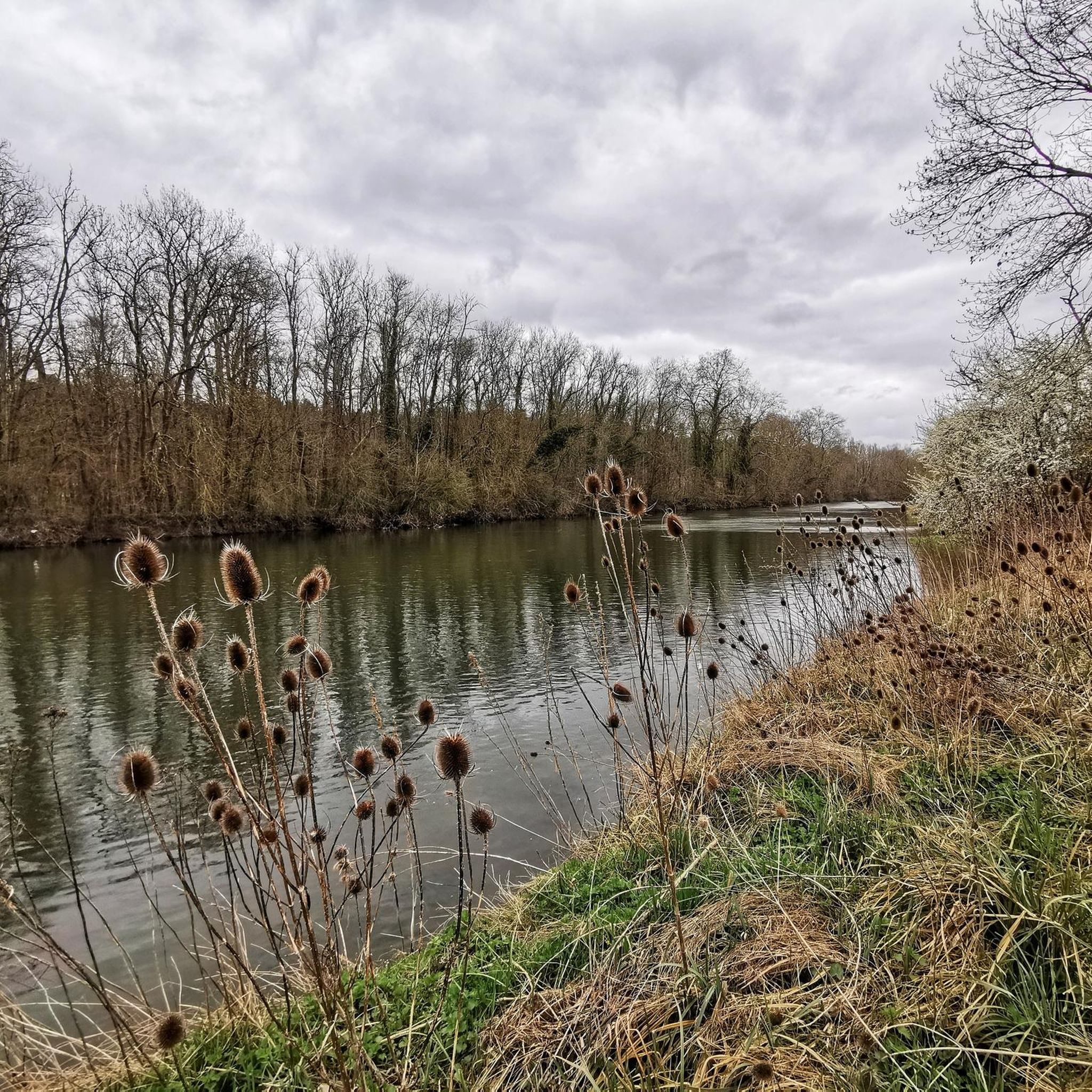
The region boasts natural beauty, including the Lunain River, which features picturesque old mills along its banks, perfect for scenic walks. The village is also bordered by a vast State Forest (Forêt domaniale), providing ample opportunities for nature exploration. Don't miss La Roche du Sault, a curious natural rock formation consisting of two large sandstone blocks.
What kind of outdoor activities can I do near Nanteau-sur-Lunain?
Nanteau-sur-Lunain is excellent for outdoor enthusiasts. You can enjoy hiking through scenic landscapes, with popular routes like "Le tour de Nanteau." For cyclists, there are various routes available, such as the "Pierre Le Sault Quarry loop from Poligny" or the "Church and Castle of Paley – St Anne's Church, Lorrez loop from Nanteau-sur-Lunain." You can find more details on these activities and routes on the cycling guide and hiking guide for the area.
Are there family-friendly attractions in the area?
Yes, the Halle d'Egreville is considered a family-friendly historical site. Its impressive 15th-century architecture and the fact that it still hosts a weekly market can be an engaging experience for all ages. Exploring the natural features like the Lunain River and the State Forest also offers pleasant family outings.
Where can I find traditional architecture in Nanteau-sur-Lunain?
A simple stroll through the village of Nanteau-sur-Lunain will reveal its traditional architectural heritage. You can observe charming half-timbered houses and typical farms that showcase the region's historical building styles. These structures contribute to the picturesque character of the commune.
Can I go climbing near Nanteau-sur-Lunain?
Yes, for those interested in climbing, La Roche du Sault is a notable site. This natural rock formation is equipped with climbing plugs and pitons, offering an opportunity for climbing enthusiasts to test their skills on its approximately ten-meter-high sandstone blocks.
What is the Gâtinais Bocage, and can I visit it?
Nanteau-sur-Lunain is situated in the heart of the Gâtinais Bocage, an area characterized by its traditional agricultural landscape and culture. While not a specific attraction, the bocage defines the scenic countryside around the village, offering a pleasant environment for walks and appreciating the rural charm of the region.
What do visitors enjoy most about the attractions in Nanteau-sur-Lunain?
Visitors often appreciate the blend of historical depth and natural beauty. The unique inscription at the Church and Castle of Paley and the well-preserved architecture of the Halle d'Egreville are frequently highlighted. The curious natural formation of La Roche du Sault also sparks interest, often described as a pleasant spot for a picnic.
Are there any other historical castles or forts nearby?
Beyond the Castle of Paley, you can also explore Challeau Fort. This fortified building, dating back to the 11th-12th century, once protected the entrance to the Gâtinais. Its unique rounded watchtowers make it a significant historical site, and it can sometimes be visited during Heritage Days.
What is the best way to explore the Lunain River and its mills?
The Lunain River offers picturesque walking routes. You can follow paths that wind along its strong flow, discovering numerous old mills that were once vital energy centers. These routes provide unique viewpoints and a tranquil way to experience the local landscape.
Are there any specific churches worth visiting in the area?
In addition to the Church of Paley, the Église Saint-Césaire or Notre-Dame-de-l'Assomption in the heart of Nanteau-sur-Lunain village is notable for its historical artifacts, including a 17th-century wooden statue of the Virgin and Child and 18th-century painted altarpieces. Further afield, the Kirche Saint-Jean-Baptiste in Nemours is also a significant religious landmark.
Most popular routes around Nanteau-Sur-Lunain

Get inspired with the komoot mobile app


Explore more
Still not found the Highlight you’re looking for? See guides of the top attractions in other regions:
