The best running trails in the Wasatch Range
4.7
(22)
7,146
runners
673
runs
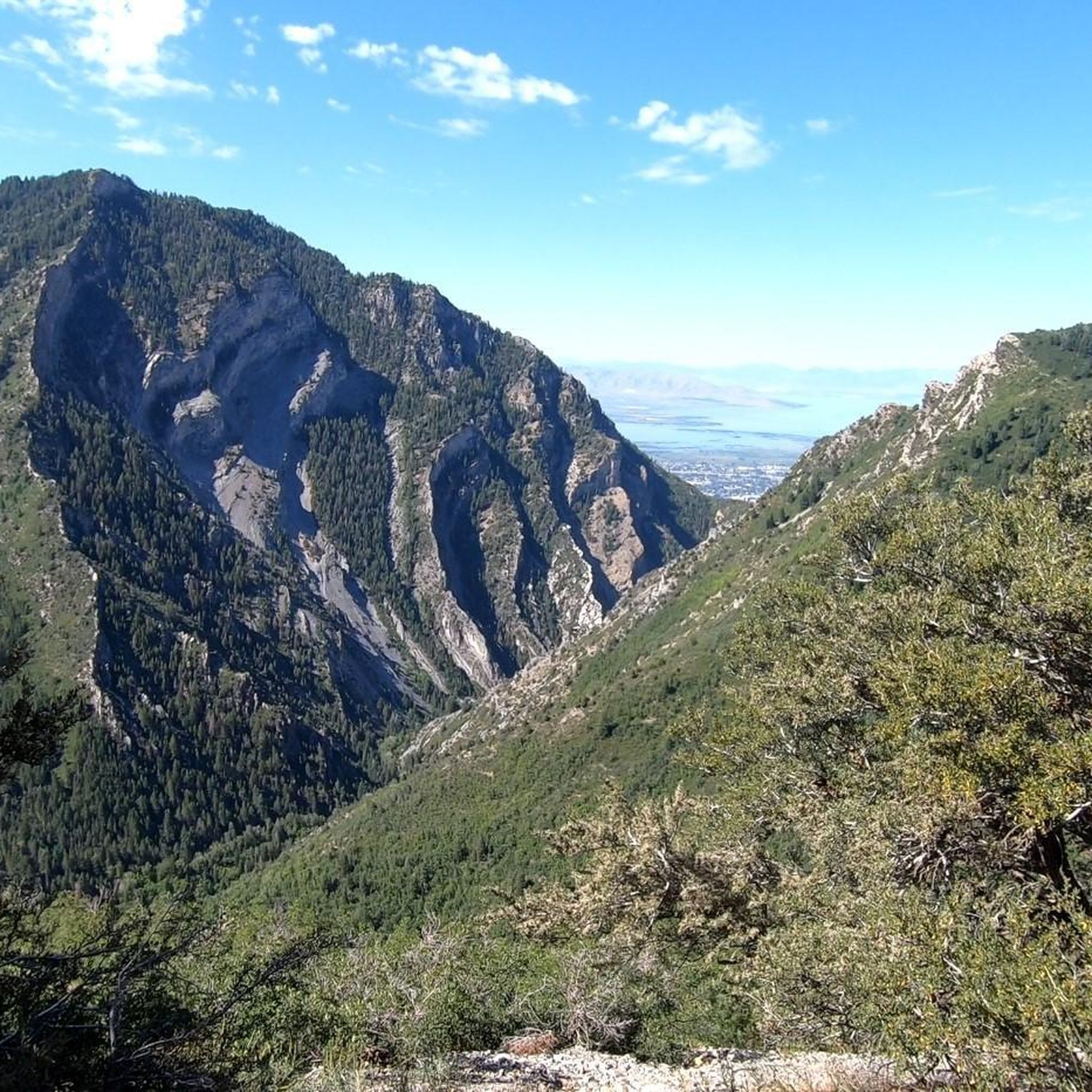
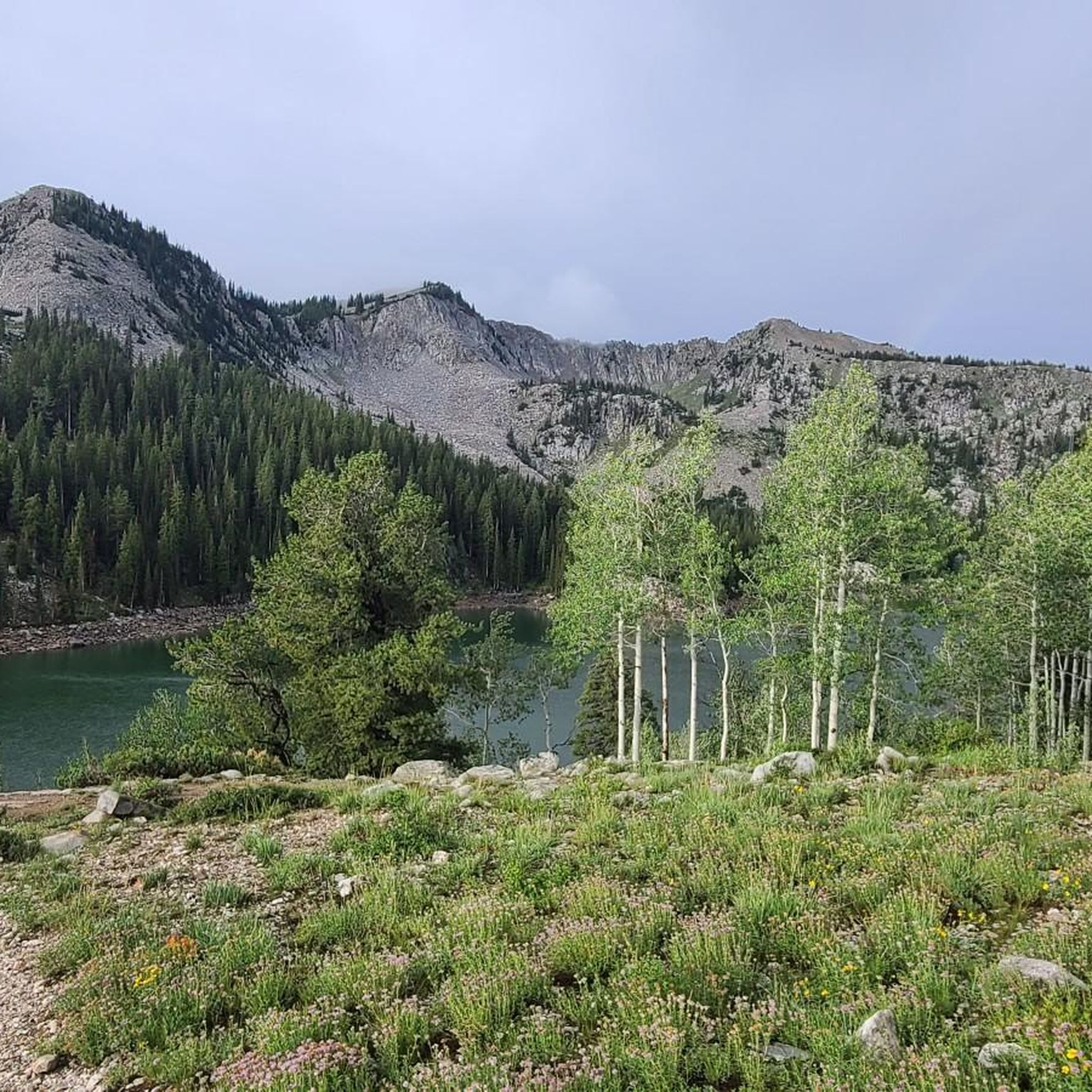
Jogging in the Wasatch Range offers access to a diverse landscape characterized by rugged peaks, forested slopes, and dramatic alpine environments. The region features distinctive U-shaped canyons, such as Big Cottonwood Canyon, and transitions from semi-arid foothills to montane forests of pine and aspen. This varied topography provides a wide array of running routes across different elevations and terrains.
Best jogging routes in the Wasatch Range
- The most popular jogging route is Lake Blanche Trail, a 7.7 miles (12.4 km) trail that takes 2 hours 26 minutes to complete. This difficult route leads to a pristine alpine lake with scenic views.
- Another top favourite among local runners is Grandeur Peak Loop, a difficult 10.1 miles (16.2 km) path. This challenging route offers panoramic views of the surrounding mountains and valleys.
- Local runners also love the Red Pine Lake Trail, a 7.7 miles (12.4 km) trail leading through forested slopes, often completed in about 2 hours 8 minutes.
- Jogging in the Wasatch Range is defined by rugged peaks, forested canyons, and alpine lakes. The extensive network of routes offers options for various ability levels, from moderate runs through foothills to challenging ascents to mountain summits.
- The routes in Wasatch Range are highly rated by the komoot community with an average score of 4.8 stars from more than 10 reviews. More than 6,800 runners have used komoot to explore Wasatch Range's varied terrain.
Last updated: June 23, 2026
91
runners
12.4km
02:26
830m
830m
Embark on the Lake Blanche Trail for a challenging jogging experience through the Twin Peaks Wilderness. This difficult route covers 7.7 miles (12.4 km) and climbs a significant 2738 feet (834 metres), typically taking around 2 hours and 26 minutes to complete. You will navigate diverse terrain, from shaded forests to rocky paths, with panoramic canyon views before reaching the stunning Lake Blanche, where Sundial Peak reflects in its clear waters.
Planning your visit requires an early start, especially on weekends, as this is a very popular trail and parking can fill up quickly. Be prepared for potential snow and meltwater streams if you go between October and June. Remember that this area is a protected watershed, so pets are not permitted, and swimming in the lakes is prohibited to preserve water quality.
The Lake Blanche Trail offers a rewarding opportunity to test your fitness while immersing yourself in the natural beauty of the Utah mountains. Beyond Lake Blanche, you can also explore the quieter Lake Florence and Lake Lillian nearby, adding to the sense of discovery in this unique high-alpine environment.
77
runners
16.2km
03:48
1,030m
1,030m
The Grandeur Peak Loop offers a difficult jogging experience, covering 10.1 miles (16.2 km) with a significant elevation gain of 3371 feet (1028 metres). You can expect to complete this route in about 3 hours and 48 minutes, making it a substantial challenge. As you jog, you will traverse varied terrain, from shaded lower sections with maples and firs to exposed upper portions featuring shale rock. The highlight is reaching Grandeur Peak, where you are rewarded with panoramic views across Salt Lake City, the Salt Lake Valley, and even Mount Olympus.
This strenuous route demands careful preparation; remember to bring proper footwear, ample water, and salty snacks to sustain you. Hiking poles are strongly recommended, especially for the descent, to aid stability. If you plan to visit in winter, microspikes are essential for safety on icy sections. Starting your jog early in the day is a good strategy to avoid both the heat and potential crowds on the trail.
Located within the Uinta-Wasatch-Cache National Forest, the Grandeur Peak Loop is a serious workout designed for experienced adventurers looking to push their limits. It offers a rewarding experience for those seeking a challenging ascent and descent. In the spring, the trail becomes particularly vibrant, with picturesque wildflowers blooming and cascading waterfalls adding to the beauty of Millcreek Canyon.

Sign up for free
57
runners
12.4km
02:08
630m
630m
Prepare for a difficult jogging experience on the Red Pine Lake Trail, a 7.7-mile (12.4 km) route that demands 2062 feet (629 metres) of elevation gain. This challenging journey, typically completed in about 2 hours and 8 minutes, takes you through rugged alpine terrain. You will navigate a path that is often rocky and steep, offering shaded sections early on before opening up to more exposed climbs. As you ascend, look for expansive views of Little Cottonwood Canyon and the Salt Lake Valley. Your efforts are rewarded at the pristine, turquoise Red Pine Lake, nestled beneath Thunder Mountain, a truly scenic destination.
Before you head out, be aware that the Red Pine Lake Trail is located within a protected watershed area. This means swimming and wading in Red Pine Lake are strictly prohibited to preserve water quality. Also, please note that dogs are not allowed on this trail. Due to persistent snow at higher elevations, especially until mid-June, the best time to plan your jogging trip is during the summer or fall months. Always check local conditions before your visit.
The journey to Red Pine Lake offers a deep dive into an alpine ecosystem, where the landscape transforms with elevation. The lake itself is a highlight, situated dramatically below Thunder Mountain and surrounded by steep peaks. In summer, you can expect to see vibrant wildflowers adding color to the rugged environment. This trail provides a unique opportunity to connect with the natural beauty of the Uinta-Wasatch-Cache National Forest.
58
runners
11.3km
03:49
1,180m
1,180m
Prepare for a challenging jogging experience on the Mount Olympus Trail. This difficult route covers 7.0 miles (11.3 km) and demands a significant 3886 feet (1185 metres) of elevation gain, typically taking around 3 hours and 49 minutes to complete. As you ascend, you'll pass through forested sections where wildflowers bloom and wildlife might be spotted, gradually opening up to expansive panoramic views of the Salt Lake Valley and Big Cottonwood Canyon.
The trail is conveniently located just 20 minutes from downtown Salt Lake City, making it an accessible option for a demanding outing. While you can tackle this route year-round, be aware that winter conditions necessitate specialized gear such as snowshoes or microspikes. It's also crucial to check for avalanche warnings during colder months to ensure your safety, and the final section to the peak includes a Class 3 scramble, so be ready for some vertical rock climbing.
Mount Olympus is a prominent peak in the region, known for its iconic profile and the significant physical challenge it presents to joggers. The journey through the Mount Olympus Wilderness offers a true escape into nature, providing a rigorous test of endurance rewarded by some of the most expansive views in the Wasatch Front. Completing this difficult jogging route is considered a notable accomplishment for local outdoor enthusiasts, marking a memorable experience in the Utah mountains.
53
runners
7.19km
01:08
360m
360m
Prepare for a challenging jogging experience on the Desolation Trail, a difficult route spanning 4.5 miles (7.2 km). You will climb 1173 feet (358 metres) over an estimated 1 hour and 7 minutes, making this a vigorous workout. As you jog, the path winds through shaded pine forests and open meadows, revealing changing views of Millcreek Canyon. The highlight is the Desolation Overlook, where you can enjoy expansive views down into the Salt Lake Valley and of Salt Lake City. Look for Grandeur Peak across the canyon from the overlook, and in late spring and summer, vibrant wildflowers add color to the scenery.
Before you head out, remember that a daily access fee is required for vehicles leaving Millcreek Canyon. If you plan to jog during winter, be prepared for icy conditions on the north-facing slopes; consider bringing traction aids like microspikes or snowshoes. The trail is dog-friendly, but pay attention to the rules: dogs are allowed on-leash on even-numbered days and off-leash on odd-numbered days.
This trail is ideal if you are seeking a rewarding trail running adventure within the Uinta-Wasatch-Cache National Forest. It offers a great opportunity to push your limits while enjoying the natural beauty of the area. The diverse terrain and the panoramic views from the overlook make it a notable option for those looking for a substantial outdoor challenge.
44
runners
8.52km
01:28
450m
450m
Prepare for a challenging jog on the Bells Canyon Trail to Lower Falls, a difficult 5.3-mile (8.5 km) route that climbs 1472 feet (449 metres). You can expect to complete this demanding journey to the waterfall in about 1 hour and 28 minutes. The path winds through varied terrain, from open meadows to dense forests of oak, maple, and pine, offering glimpses of the Salt Lake Valley. The highlight is the beautiful cascade of the Bells Canyon Lower Falls, tumbling over large granite boulders, but be ready for a steep and rocky final stretch to reach it. This trail offers a rewarding experience for those seeking a vigorous outdoor workout with scenic rewards.
When planning your visit, remember that the Bells Canyon Trail is a watershed area, so dogs are not permitted on this route. The best times to jog are from April to October, with spring and early summer providing the most impressive waterfall flow due to snowmelt. Be aware that the trail can become quite crowded, especially on weekends, so consider an early start if you prefer more solitude. Parking is available at the Bells Canyon Granite Trailhead, which marks the beginning of your adventure.
Beyond the physical challenge, the Bells Canyon Trail offers a unique connection to the local environment. As you jog, you'll pass the serene Bells Canyon Reservoir, set against a dramatic mountainous backdrop. Keep an eye out for local wildlife; you might spot moose or deer along the way, especially in quieter moments. Wildflowers are abundant in late spring and early summer, adding splashes of color to the landscape and enhancing the natural beauty of this popular trail within the Lone Peak Wilderness.
39
runners
11.0km
01:30
370m
370m
If you are looking for a challenging jogging route, the Mueller Park Trail to Elephant Rock offers a rewarding experience. This difficult 6.8 miles (11.0 km) trail takes you through diverse forested areas, where you will wind past towering firs and maples. You will gain 1207 feet (368 metres) in elevation, with the sound of creeks often accompanying you. The highlight is reaching Elephant Rock, which provides panoramic views of Bountiful, the Great Salt Lake, and Antelope Island. Expect to complete this route in about 1 hour and 30 minutes.
This popular trail is accessible year-round, but be prepared for winter conditions. If you plan to jog during the colder months, snowshoes may be necessary. The route tends to clear of snow earlier in the spring compared to many other trails in the Wasatch Front, making it an early-season option. Due to its popularity, especially on summer weekends, you should anticipate high traffic on the trail. Consider an early start to avoid the busiest times.
Located within the Uinta-Wasatch-Cache National Forest, this route is a favorite for trail runners seeking a strenuous workout. The trail's ability to clear snow earlier in spring makes it a notable option when other higher-elevation paths are still impassable. In springtime, keep an eye out for bright yellow balsamroot adding splashes of color along the way, enhancing the natural beauty of your run.
39
runners
18.8km
01:59
190m
190m
The Provo River Parkway offers a dynamic jogging experience, tracing the scenic Provo River from urban areas into the stunning Provo Canyon. This difficult 11.7-mile (18.8 km) route, with 611 feet (186 metres) of elevation gain, takes roughly 1 hour and 58 minutes to complete, providing a continuous visual treat of riparian landscapes, towering cliffs, and the impressive Bridal Veil Falls. The terrain shifts from mostly flat to a gradual, steady incline as you venture deeper into the canyon, making it a great option for a challenging yet accessible run.
This paved, multi-use pathway is well-equipped with numerous access points, parking, and amenities along its length. While generally accessible, joggers should note that upper canyon sections may retain snow in winter, potentially requiring micro-spikes for safe passage. It's a popular trail, so arriving earlier in the day can help secure parking, especially on weekends.
Considered a community treasure, the Provo River Parkway is a vital part of the larger "Golden Spoke network," connecting over 100 miles of paved trails across the region. Its year-round appeal is enhanced by vibrant autumn foliage, transforming the canyon into a golden spectacle. The trail's proximity to the river ensures opportunities to observe waterfowl and enjoy nature, making it a beloved local asset for recreation and connecting with the outdoors.
33
runners
11.8km
02:47
800m
800m
If you're seeking a demanding jogging route, the Kyhv Peak Trail offers a difficult workout over 7.4 miles (11.8 km). You will gain 2636 feet (803 metres) in elevation, typically taking around 2 hours and 47 minutes to complete. The initial stretch through Rock Canyon features rocky terrain and canyon walls, where you'll cross five bridges. As you climb higher, the route winds through forests of pine and aspen before opening up to ridgelines. From Kyhv Peak itself, you can enjoy wide views of Utah Valley, including Provo, Utah Lake, and Mount Timpanogos.
Planning your visit is straightforward, as the trail is easily accessible just outside Provo. Parking is generally available near the trailhead, making it convenient to begin your jog. While the lower section can be busy, you will find the trail becomes more secluded as you ascend. Consider an early start to enjoy cooler temperatures and potentially fewer people on the initial part of the route.
This route is situated within the Uinta-Wasatch-Cache National Forest, offering a true mountain experience. The varied landscape, from canyon bottoms to forested slopes and exposed ridgelines, showcases the diverse natural environment of the region. It provides a robust physical challenge while immersing you in the scenic beauty of the Utah Valley surroundings.
31
runners
20.4km
03:03
830m
830m
If you're looking for a difficult jogging challenge, the Desolation Lake, Wasatch Crest Trail and Dog Lake loop offers a rewarding 12.7 miles (20.4 km) journey. You'll ascend 2730 feet (832 metres) over approximately 3 hours and 3 minutes, moving through diverse ecosystems. Expect to jog through shaded pine and aspen groves before reaching wide-open meadows, with picturesque alpine waters at Desolation Lake and Dog Lake serving as key highlights. From higher points along the Wasatch Crest Trail, you can enjoy expansive views of the Wasatch Mountains and even catch glimpses of the Great Salt Lake.
When planning your visit, be aware that parking can get busy, especially on weekends; arriving early is a good strategy to secure a spot. If you plan to bring a canine companion, remember that dogs are not permitted in certain watershed sections of this wilderness area, so always check local signage for current regulations. This will help ensure a smooth start to your jogging adventure.
The route takes you through a rich natural environment within the Uinta-Wasatch-Cache National Forest, showcasing diverse ecosystems. As you jog, keep an eye out for local wildlife; moose and deer are often spotted along the way, adding to the natural experience. This loop provides a strenuous workout amidst stunning alpine scenery, making it a notable option for experienced joggers in the region.
Get access to more routes and recommendations from other explorers.
Sign up for free
Already have an account?
Our route recommendations are based on thousands of hikes, rides, and runs completed by other people on komoot.
Start today with a free account
Your next adventure awaits.
Login or Signup
Popular around Wasatch Range



Tips from the Community

Few hikes from this Trailhead. The most popular one is the Lower Bells canyon
0
0

If you want to see the main waterfall in the park, you'll have to leave your bike behind for a bit. Just biking along the river on the Provo River Parkway is worth your while, though, and you get great views of cascades and small falls pouring into the river.
0
0
One of the best views but avoid it during the hot day as it is very exposed
0
0

This 2.2 million-acre national forest stretches through northern Utah and into southwestern Wyoming; this section abuts (and incorporates) the rugged beauty of Mount Olympus Wilderness to the south.
1
0
This is just one small section of the Wasatch Crest Trail, a 12-mile ridge run that's guaranteed to satisfy anyone who loves alpine running.
1
0
Just to your southeast is pretty blue-green Desolation Lake and its fringe of trees. You can run around it for an easy loop, or keep trucking if you're hunting to bag a few peaks.
0
0
Although this trail isn't necessarily technical, it is so fiercely steep that it's not for everybody. Hardcore trail runners love it, though. If you're running the usual loop for Grandeur Peak, going up this way means you'll get the steepest part of the trail out of the way on the ascent, saving your knees with a (relatively) more gradual downhill on the other side.
0
0
This is the third and last in a chain of high alpine lakes, well worth the jog to reach it if you have the juice.
0
0
Frequently Asked Questions
How many running routes are available in the Wasatch Range?
The Wasatch Range offers a vast network of over 630 running routes. These range from easy paths suitable for beginners to challenging trails for experienced runners, ensuring options for all skill levels.
Are there any easy or beginner-friendly jogging routes in the Wasatch Range?
Yes, for those seeking an easier run, there are approximately 40 routes classified as easy. A good option is the City Creek Trail, which is a moderate route with less elevation gain, offering a pleasant experience through a scenic canyon.
What are some challenging trail running options for advanced runners in the Wasatch Range?
Advanced runners will find plenty of challenging trails, with nearly 300 routes rated as difficult. Consider the Mount Olympus Trail, known for its significant elevation gain and rewarding views. Another demanding option is the Kyhv Peak Trail, which offers extensive vistas of Utah Valley and the Wasatch mountains.
Are there any running routes with waterfalls or other natural attractions?
Absolutely! The Wasatch Range is home to several beautiful waterfalls. You can explore routes near Bells Canyon Lower Falls, or discover other stunning cascades like Fifth Water Hot Springs & Waterfall, Stewart Falls, or Donut Falls. Many trails also pass through dramatic U-shaped canyons like Big Cottonwood Canyon and Little Cottonwood Canyon.
What do other runners say about the trails in the Wasatch Range?
The running routes in the Wasatch Range are highly regarded by the komoot community, boasting an impressive average rating of 4.8 stars. Runners frequently praise the diverse terrain, from forested slopes to alpine environments, and the stunning panoramic views of rugged peaks and valleys.
Can I find circular running routes in the Wasatch Mountains?
Yes, many trails in the Wasatch Range offer circular options, allowing you to start and finish at the same point. The Grandeur Peak Loop is a popular difficult circular route that provides panoramic views of the surrounding mountains and valleys.
What is the best season for jogging in the Wasatch Range?
The Wasatch Range is a year-round destination for outdoor activities. While summer and fall offer ideal conditions for trail running with pleasant temperatures and vibrant foliage, spring brings blooming wildflowers. Winter transforms the area into a snowy landscape, suitable for those prepared for cold-weather running or other winter sports.
Are there any running routes accessible by public transport in the Wasatch Range?
Many trails in the Wasatch Front are less than an hour from downtown Salt Lake City, and some canyon routes have public transport access points, especially during peak seasons. It's advisable to check local transit schedules for specific trailheads to plan your trip effectively.
Are there any less crowded running trails or hidden gems in the Wasatch Range?
While popular trails can get busy, the Wasatch Range has an extensive network of routes. To find less crowded options, explore trails within Wasatch Mountain State Park, which features over 40 miles of non-motorized trails, including the Huber Grove and Epperson trails, offering a quieter experience.
What kind of wildlife might I encounter while running in the Wasatch Range?
The diverse ecosystems of the Wasatch Range support abundant wildlife. While running, you might spot deer, moose, elk, and foxes, especially in the montane forests and higher elevations. Always maintain a respectful distance and be aware of your surroundings.
Are there any long-distance running routes suitable for multi-day adventures?
While most listed routes are day trips, the Wasatch Crest Trail is known for its rolling terrain and spectacular views with multiple access points, allowing for customized run lengths. For multi-day adventures, you might consider linking several trails or exploring sections of longer routes like the Wasatch Crest, which can be adapted for extended runs with proper planning and support.
Most popular routes in the Wasatch Range
Most popular attractions in the Wasatch Range

Get inspired with the komoot mobile app


Explore more
Browse the best Running Trails & Routes in other regions.
