The best running trails in the Lewis Range
83
runners
11
runs
Jogging in the Lewis Range offers access to a landscape shaped by dramatic mountain peaks and glacial carvings, extending across northern Montana and into southern Alberta, Canada. The region features diverse ecosystems, including dense forests of lodgepole pines, spruces, and firs, transitioning into alpine meadows. Runners can explore areas with unique geological formations, such as cirques and arêtes, providing varied terrain for different running experiences. The range is also home to numerous lakes, streams, and waterfalls, enhancing the natural environment…
Last updated: August 18, 2026
18
runners
31.0km
04:13
1,170m
1,160m
Hard run. Very good fitness required. Mostly paved surfaces. Suitable for all skill levels.
14
runners
28.3km
04:03
1,050m
1,050m
Hard run. Very good fitness required. Mostly paved surfaces. Suitable for all skill levels.

Sign up for free
14
runners
14.0km
01:53
420m
420m
Hard run. Very good fitness required. Mostly paved surfaces. Suitable for all skill levels.
6
runners
6.24km
00:41
40m
40m
Moderate run. Good fitness required. Mostly paved surfaces. Suitable for all skill levels.
5
runners
7.75km
00:50
10m
10m
Moderate run. Good fitness required. Mostly paved surfaces. Suitable for all skill levels.
6
runners
8.80km
01:00
90m
90m
Moderate run. Good fitness required. Mostly paved surfaces. Suitable for all skill levels.
7
runners
7.45km
00:57
190m
190m
Moderate run. Good fitness required. Mostly paved surfaces. Suitable for all skill levels.
5
runners
8.30km
01:16
430m
430m
Hard run. Very good fitness required. Mostly paved surfaces. Suitable for all skill levels.
Get access to more routes and recommendations from other explorers.
Sign up for free
Already have an account?
Our route recommendations are based on thousands of hikes, rides, and runs completed by other people on komoot.
Start today with a free account
Your next adventure awaits.
Login or Signup
Popular around Lewis Range
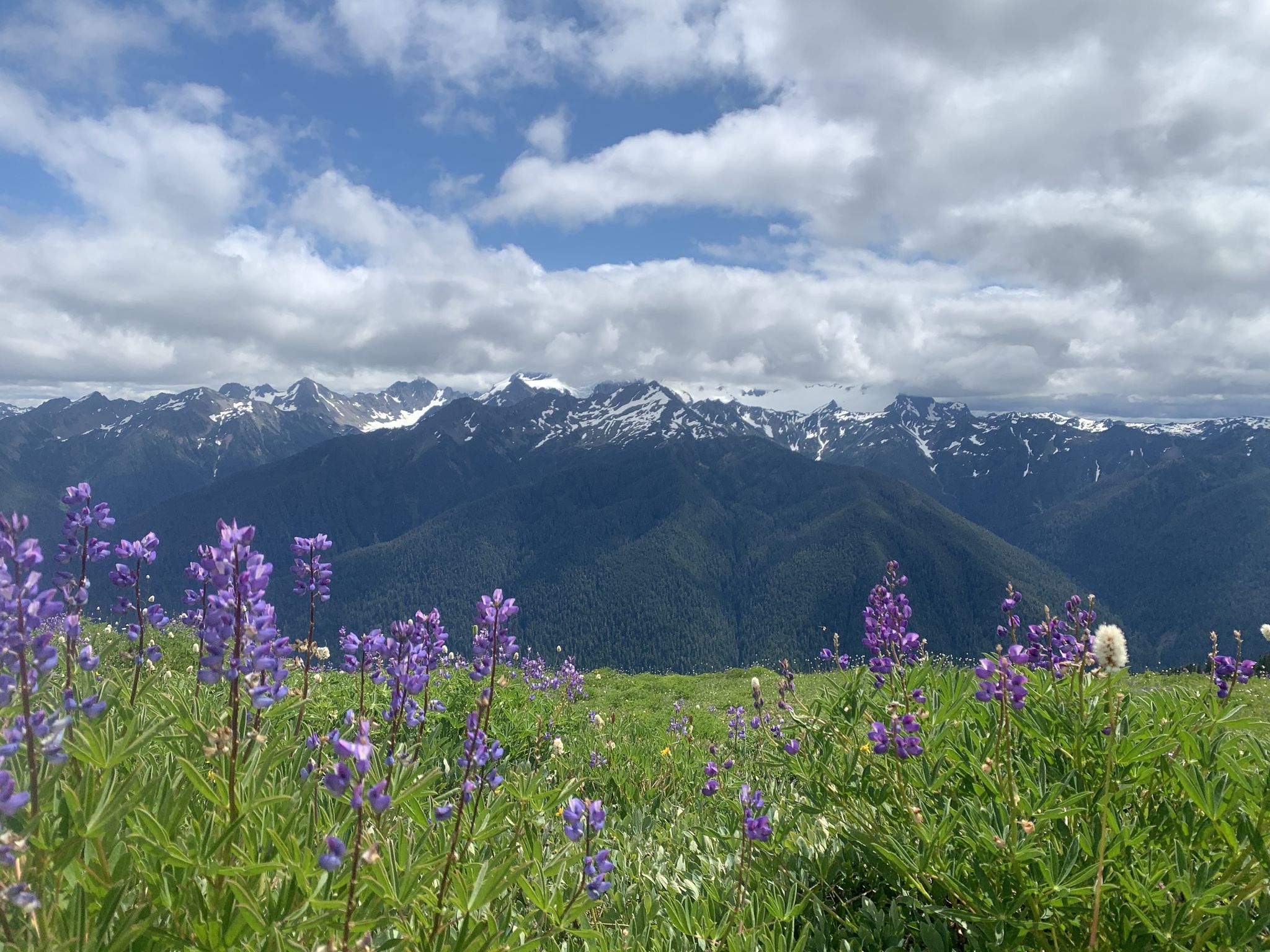
Pacific Northwest National Scenic Trail — From Alpine to Alava through the untamed Northwest
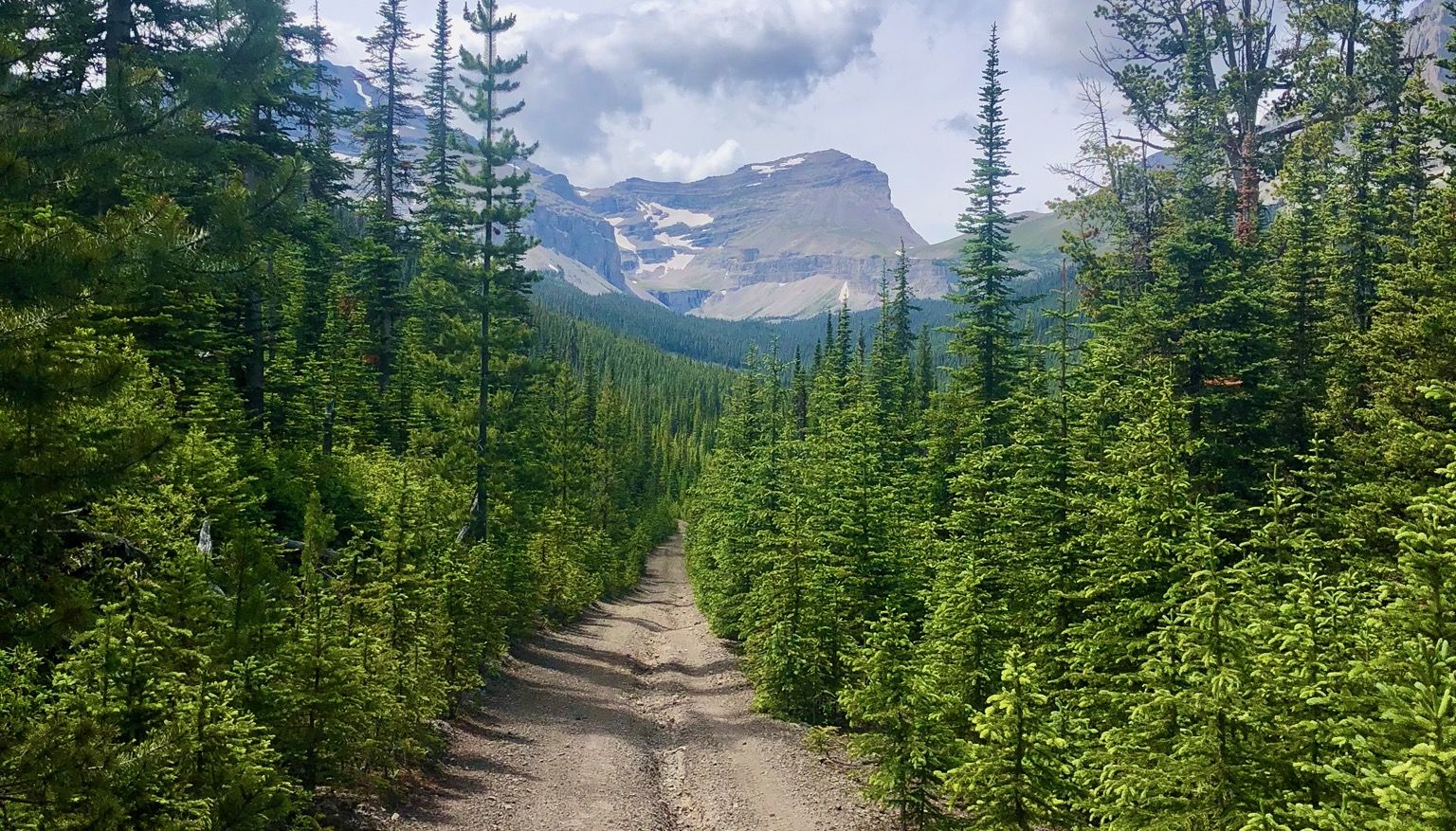
Run the Rockies – mountain range fastpack #5
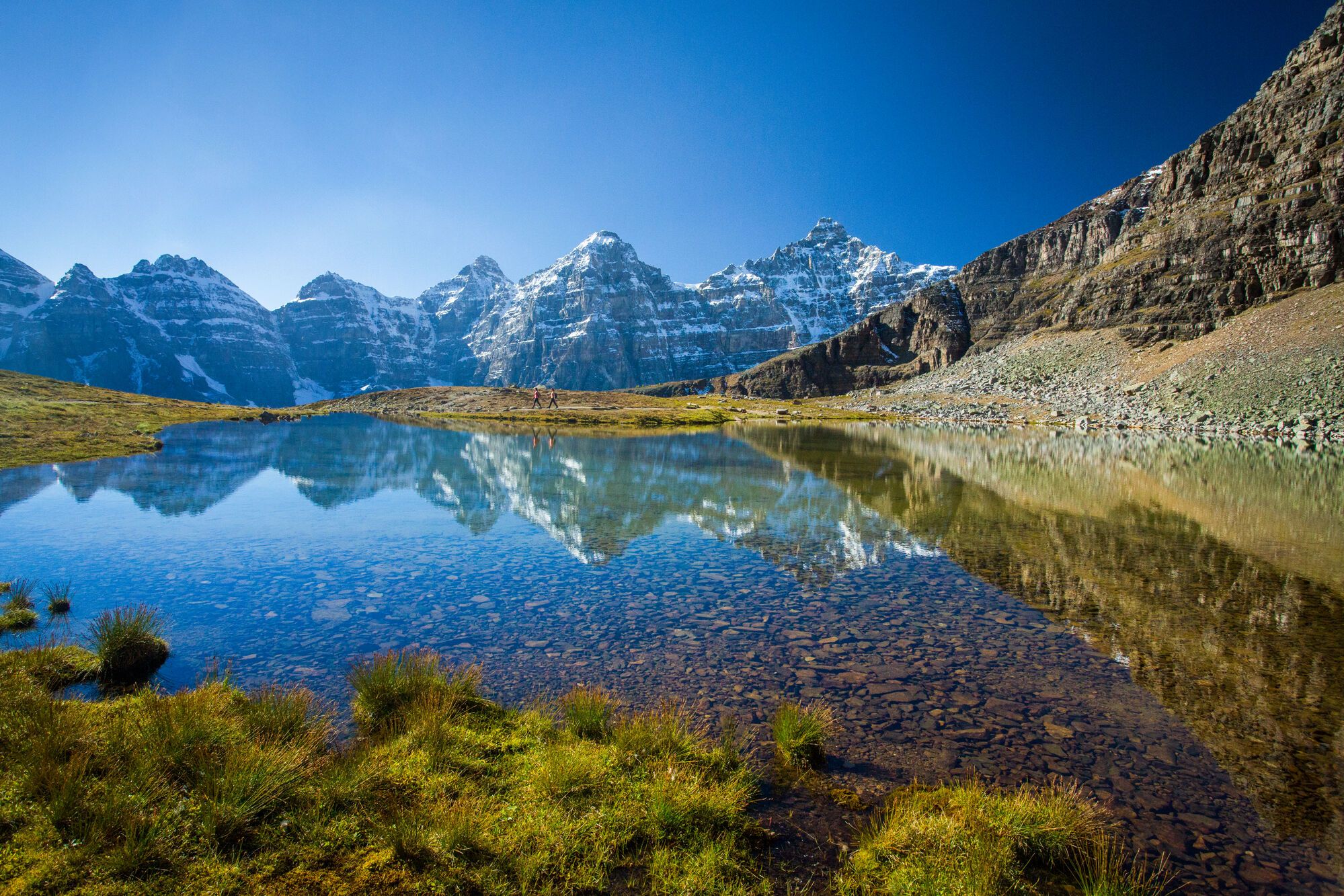
Spectacular road trip hikes – discover Calgary and Southern Alberta
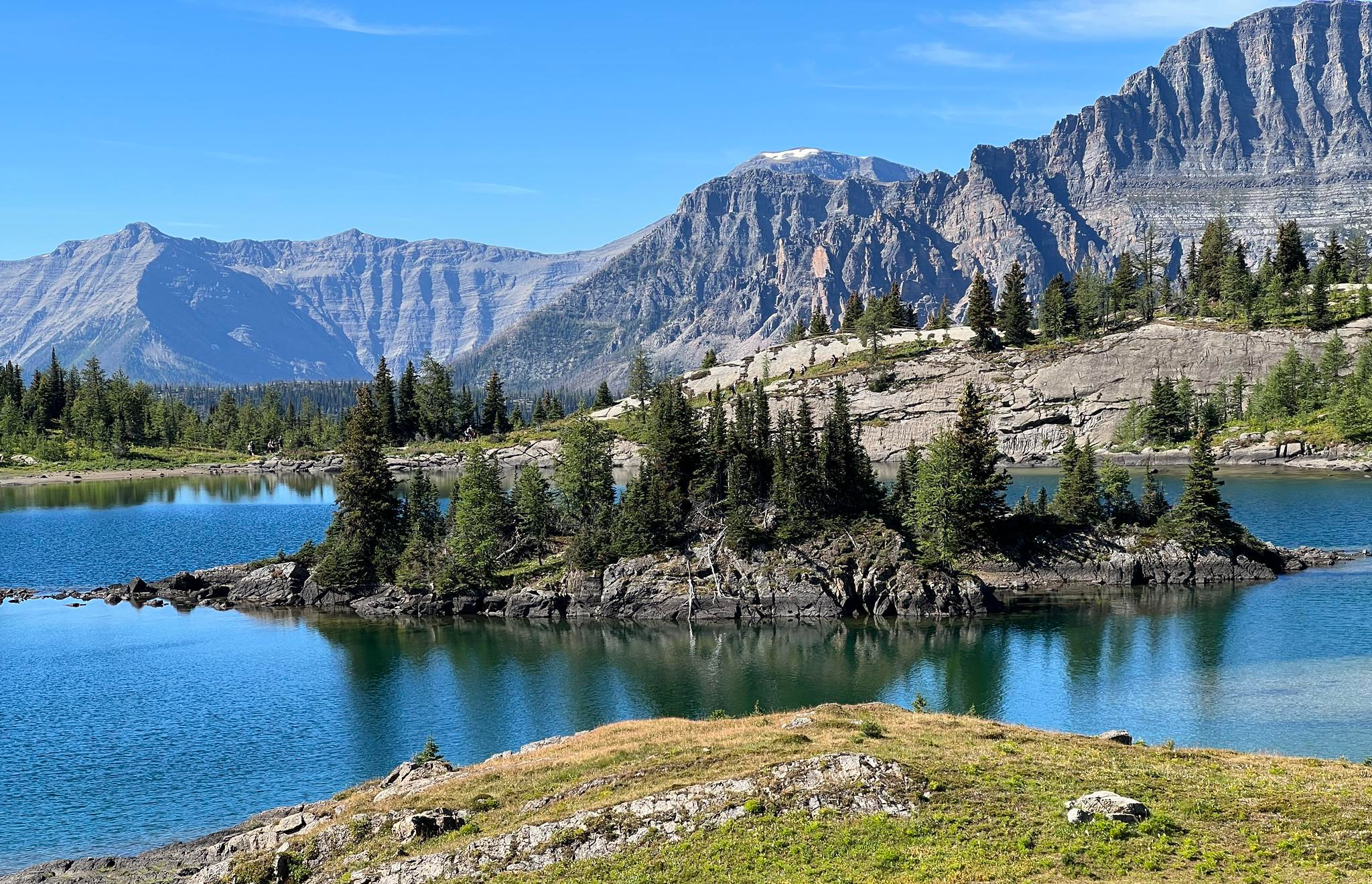
Great Divide Trail – Section A to E: Waterton to Maligne Lake
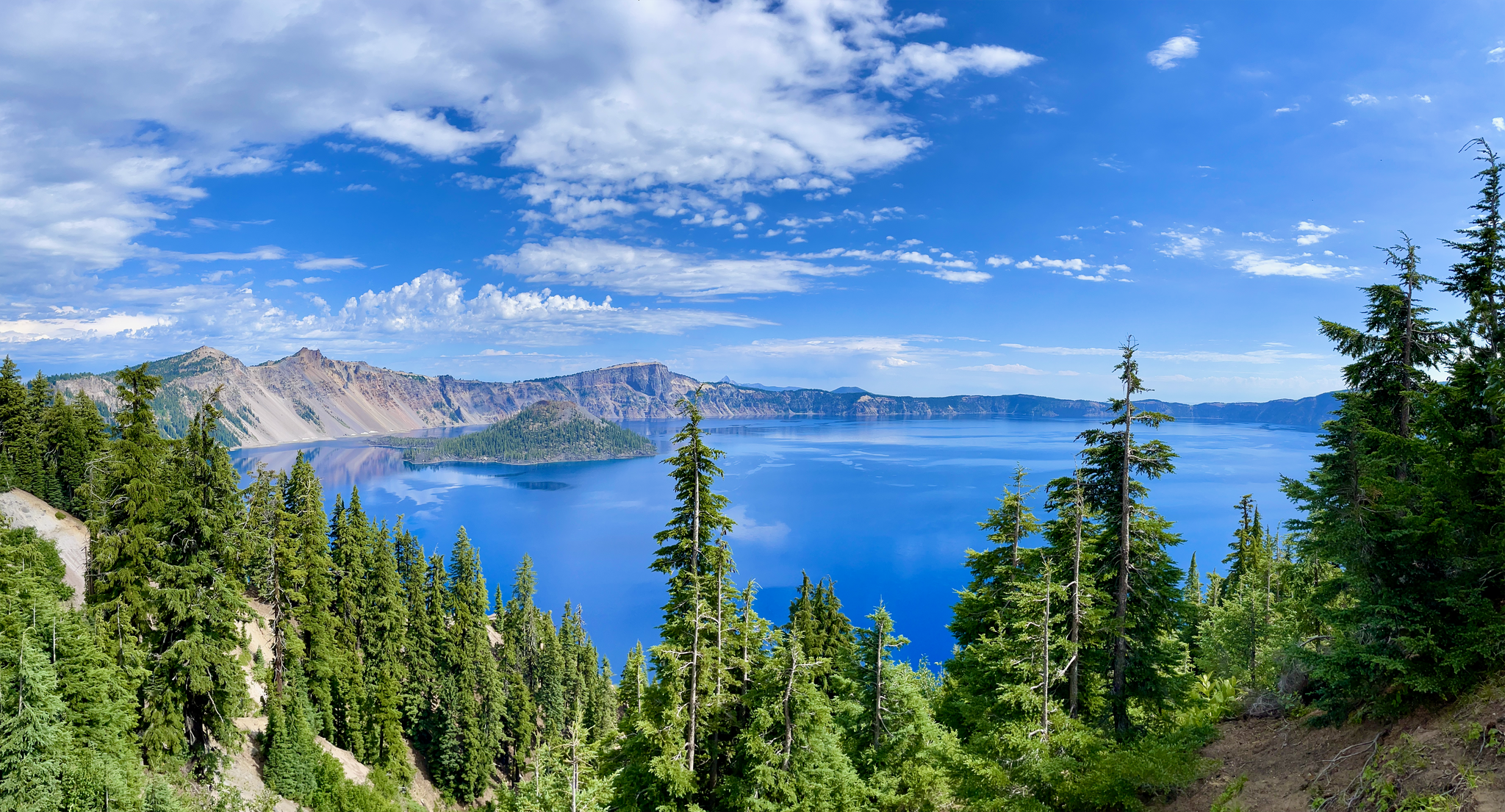
The pristine beauty of the US National Parks
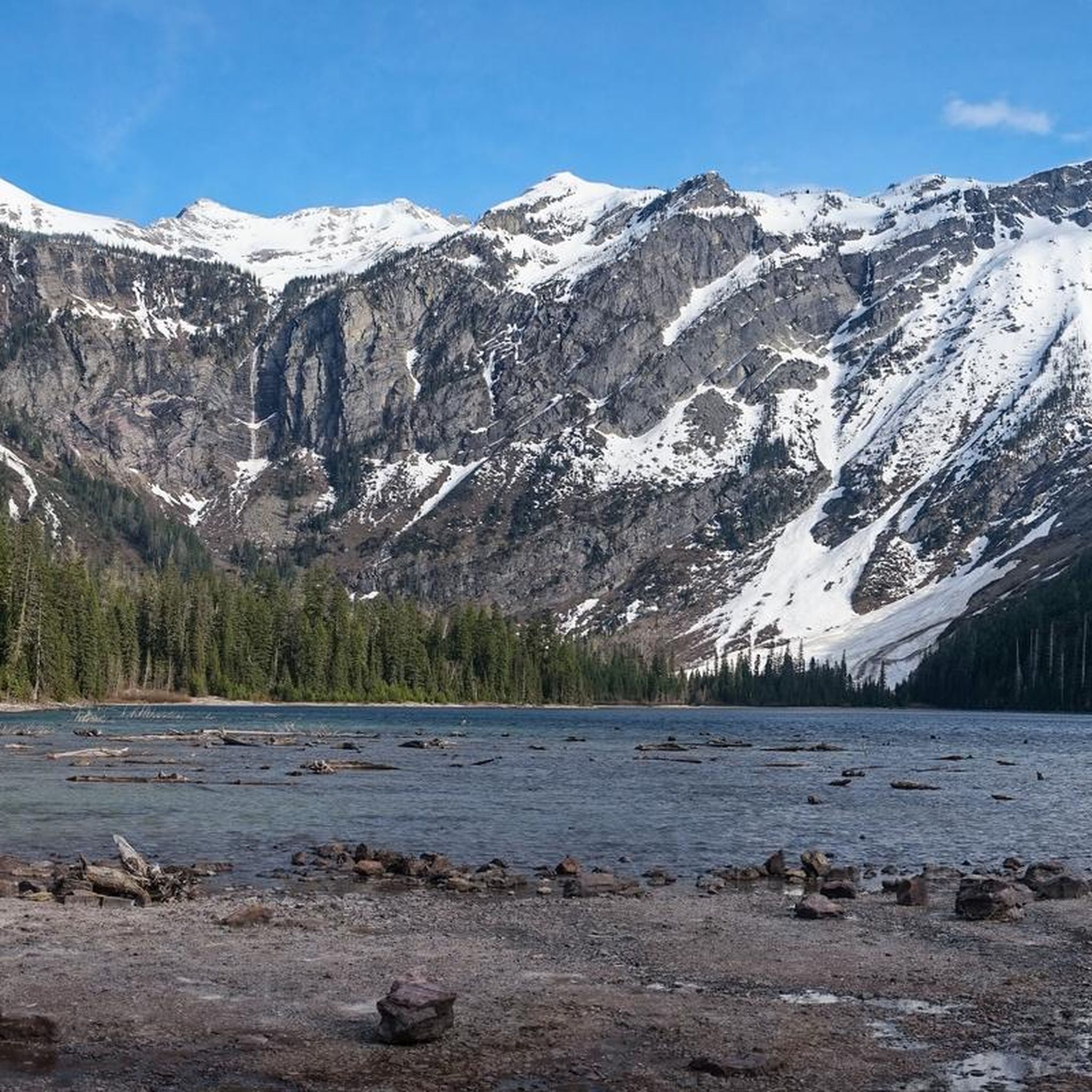
Hiking in the Lewis Range
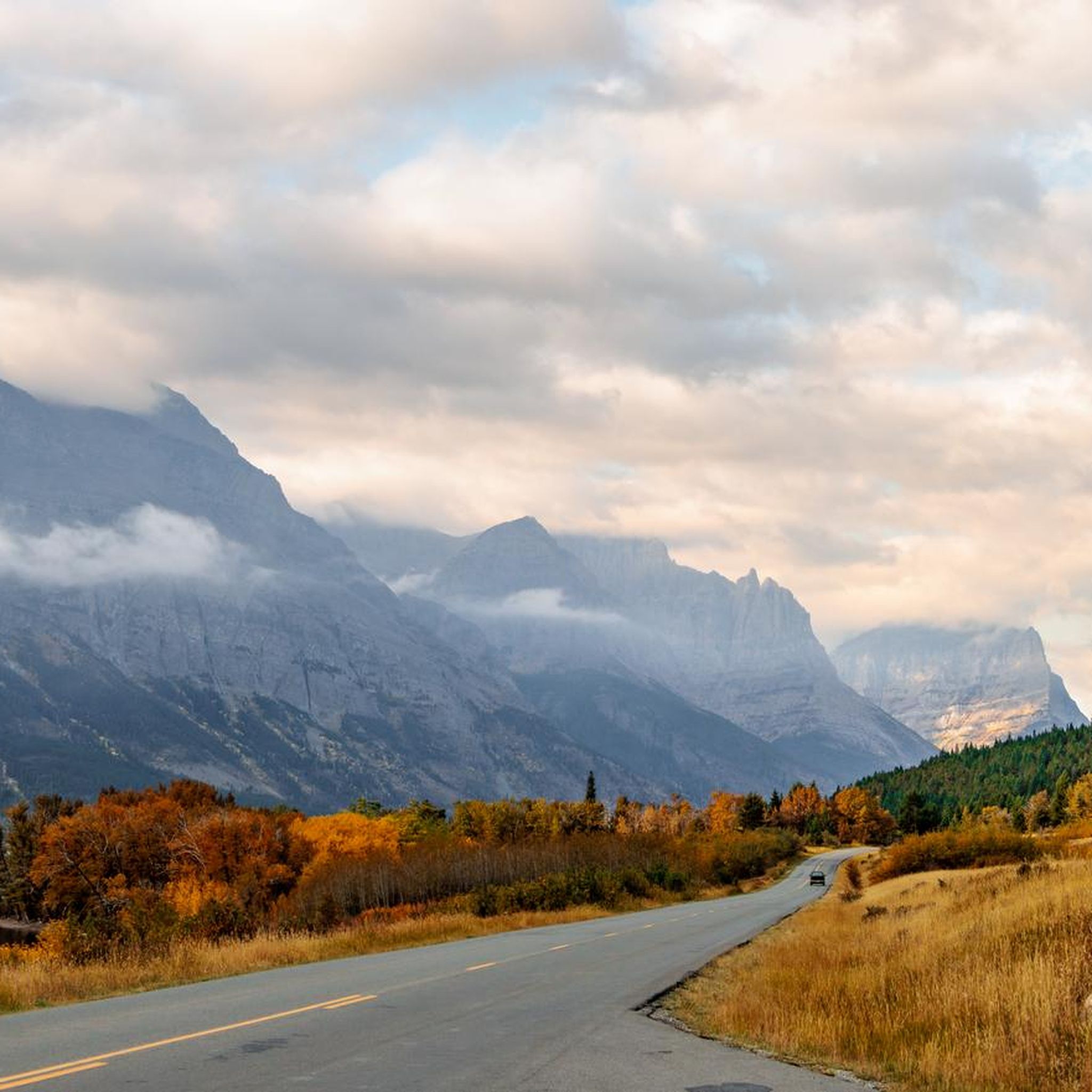
Cycling in the Lewis Range
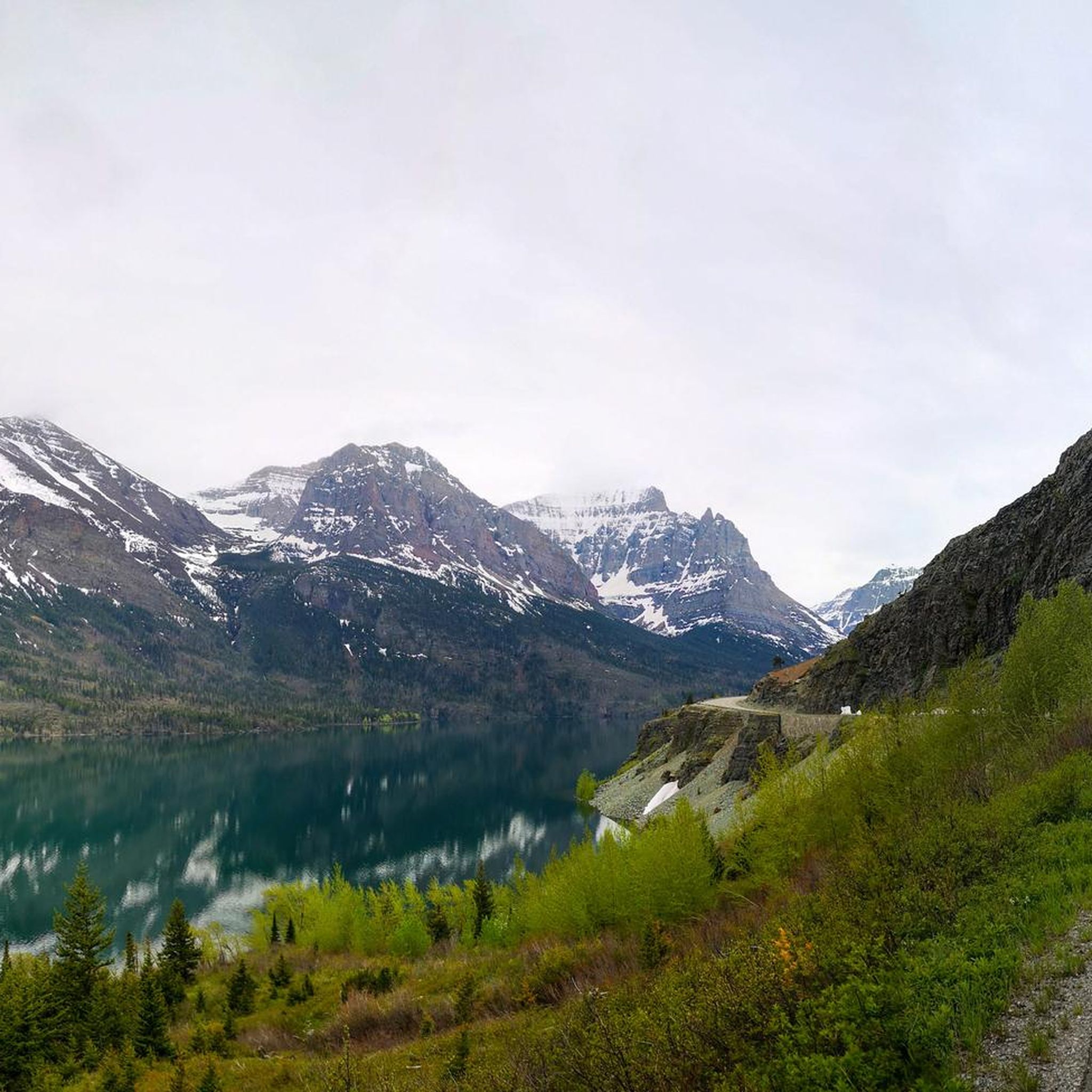
Road Cycling Routes in the Lewis Range
Other adventures in the Lewis Range


Tips from the Community

At about 2100 m you have a wonderful view of both sides of the pass. It is often still snow-covered and you feel like you are in a ski lodge
2
0

This paved path takes you around the town of Waterton, along the lakeshore, and right by the famous Cameron Falls. The path never strays too far from town so you can grab a drink or snack if you feel the urge. The areas natural surroundings mean wildlife are often spotted on the trail, so keep your eyes open and camera handy.
0
0
This beautiful waterfall is easily reached from the Waterton Townsite and is a must see if you're in the area. While the best views are from the base of the falls there is a short side trail you can take to the top of the falls if you'd like to get a different perspective.
0
0

This area is really so incredibly beautiful.
3
0

Big Bend is one of the most iconic curves on Going-to-the-Sun Road, where the pavement sweeps in a dramatic arc beneath towering peaks and open sky. Located just west of Logan Pass, it offers a breathtaking vantage point of the upper Garden Wall and the valley far below. There’s a small pullout where you can pause to take in the view—or catch your breath if you're climbing by bike. In summer, wildflowers often blanket the slopes, and waterfalls thread down the cliffs in the distance. It’s a classic Glacier National Park scene, and one of the road’s most photographed spots.
1
0
Reaching the summit of Logan Pass by bike is a true high point—literally and figuratively—of any ride in Glacier National Park. At 6,646 feet, the pass straddles the Continental Divide and offers sweeping views of alpine meadows, rugged peaks, and likely some mountain goats. The visitor center at the top has restrooms, water, interpretive displays, and rangers on hand to answer questions. It’s also a jumping-off point for iconic hikes like the Hidden Lake Overlook and Highline Trail.
0
0

The trail up to Bear's Hump starts here. This is a popular hike in summer, and in winter you can also do the tour with snowshoes.
1
0

Large hotel directly on the lake shore, restaurant with a view over the lake, large hiking car park 100m away
0
0
Frequently Asked Questions
What kind of terrain can I expect on running routes in the Lewis Range?
The Lewis Range offers a diverse range of terrains for runners. You'll find routes that traverse dramatic mountain peaks and areas shaped by glacial carvings. Many trails wind through dense forests of lodgepole pines, spruces, and firs, opening up into vibrant alpine meadows. Expect varied surfaces, from well-trodden paths to more rugged sections, often featuring geological formations like cirques and arêtes. Some routes, like the Granite Park Trail – Logan Pass loop from Patrol Cabin, involve significant elevation changes, while others, such as the Logan Pass Visitor Center – Hidden Lake Lookout loop from Logan Pass, are relatively flatter.
Are there any easy or moderate running routes suitable for beginners in the Lewis Range?
Yes, the Lewis Range provides options for various fitness levels. While there are 8 difficult running routes, there are also 7 moderate routes available. A good option for a moderate run is the Bear's Hump Information – Cathew - Alderson Trail loop from Waterton Park, which is 4.5 miles (7.3 km) long and features gentle elevation changes. Another moderate choice is the Logan Pass Visitor Center – Hidden Lake Lookout loop from Logan Pass, a 2.8-mile (4.5 km) trail offering scenic views without extreme difficulty.
What natural features or landmarks can I see while jogging in the Lewis Range?
Jogging in the Lewis Range offers constant exposure to breathtaking natural beauty. You can expect to see spectacular, rugged mountain peaks, pristine glacial lakes, and cascading waterfalls. Notable geological features include cirques and arêtes, and the region is home to diverse ecosystems. For specific landmarks, consider routes near Logan Pass or Glacier National Park. You might also encounter gorges like Avalanche Creek Gorge or Sunrift Gorge.
Are there any circular running routes in the Lewis Range?
Yes, many of the running routes in the Lewis Range are designed as loops, offering varied scenery without retracing your steps. Examples include the popular Logan Pass Visitor Center – Hidden Lake Lookout loop from Logan Pass, the Bear's Hump Information – Cathew - Alderson Trail loop from Waterton Park, and the Hidden Lake Overlook loop from Piegan Glacier. These circular paths are excellent for experiencing the region's diverse landscapes.
What is the best time of year to go jogging in the Lewis Range?
The best time for jogging in the Lewis Range is typically during the warmer months, from late spring through early autumn, when trails are generally free of snow and ice. Many higher elevation trails, including sections of the iconic Going-to-the-Sun Road, are only accessible seasonally. During these months, you'll experience pleasant temperatures and the full beauty of the alpine meadows and forests. Always check local conditions and trail statuses before heading out, especially in early season or after significant weather events.
What kind of wildlife might I encounter on a run in the Lewis Range?
The Lewis Range is renowned for its diverse and untouched ecosystems, meaning you have a good chance of spotting various wildlife. Joggers might encounter mountain goats, bighorn sheep, deer, moose, and elk. The area is also home to grizzly and black bears, as well as gray wolves and over 250 species of birds, including bald eagles. It's important to be aware of your surroundings and carry bear spray, especially in more remote areas.
Are there any running routes that feature waterfalls in the Lewis Range?
Yes, the Lewis Range is home to numerous streams and waterfalls that cascade from hanging valleys, offering picturesque sights during your run. One route that specifically highlights a waterfall is the Lower Bertha Falls loop from Waterton Park. This moderate 4.6-mile (7.4 km) route provides an opportunity to experience one of the region's beautiful water features.
How many running routes are available in the Lewis Range?
There are 15 dedicated running routes detailed for the Lewis Range. These routes are categorized by difficulty, with 7 moderate and 8 difficult options, ensuring there's a suitable path for various experience levels.
What are some of the longer, more challenging running routes in the Lewis Range?
For experienced trail runners seeking a challenge, the Lewis Range offers several difficult and longer routes. The Granite Park Trail – Logan Pass loop from Patrol Cabin is a demanding 19.3-mile (31 km) route with significant elevation gain. Another challenging option is the Mount Morgan loop from Two Medicine Creek, spanning 17.6 miles (28.3 km) with over 1000 meters of ascent.
Can I find less crowded running routes in the Lewis Range?
While popular spots like Logan Pass can attract many visitors, the Lewis Range encompasses a vast area, including parts of the Bob Marshall Wilderness Complex, which offers more remote and peaceful running environments. To find less crowded routes, consider exploring trails further from main visitor centers or opting for runs during off-peak hours. The sheer number of trails (over 1,000 miles in the broader area) means that quiet paths are available for those willing to explore beyond the most well-known spots.
Are there any specific viewpoints or scenic overlooks along the running trails?
Absolutely. The Lewis Range is famous for its panoramic views. Many running routes offer spectacular vistas of glaciers, valleys, and enormous mountain peaks. For example, the Logan Pass Visitor Center – Hidden Lake Lookout loop from Logan Pass provides stunning views of glacial features. The Hidden Lake Overlook loop from Piegan Glacier also leads to scenic overlooks, allowing runners to soak in the dramatic landscapes.
What should I know about parking or public transport when planning a run in the Lewis Range?
Access to trailheads in the Lewis Range, particularly within Glacier National Park, often involves driving. Parking can be limited at popular trailheads, especially during peak season, so arriving early is advisable. While specific public transport details for all trailheads are not provided, some areas within Glacier National Park offer shuttle services that can help with access to certain points along the Going-to-the-Sun Road. Always check the park's official website for current information on parking availability and transportation options.
Most popular routes in the Lewis Range
Most popular attractions in the Lewis Range

Get inspired with the komoot mobile app


Explore more
Browse the best Running Trails & Routes in other regions.
