The best running trails in North Yorkshire
4.4
(620)
54,425
runners
3,824
runs
Jogging routes in North Yorkshire traverse a diverse landscape, from the dramatic limestone formations and rolling hills of the Yorkshire Dales National Park to the heather-clad moorland and ancient woodlands of the North York Moors National Park. The region also features a rugged coastline with opportunities for beach runs and coastal paths. This varied terrain offers a wide range of running experiences, from gentle riverside paths to challenging fell runs.
Best jogging routes in North Yorkshire
- The most popular jogging route is Three Peaks Challenge — Yorkshire Dales National Park, a 25.2 miles (40.6 km) trail that takes 5 hours 15 minutes to complete. This challenging route encompasses three prominent hills in the Yorkshire Dales.
- Another top favourite among local runners is Malham Cove, Gordale Scar and Malham Tarn Circular, a difficult 7.2 miles (11.6 km) path. This route showcases impressive limestone formations, a dramatic ravine, and a glacial lake.
- Local runners also love the Cinder Track and Ravenscar Radar Station loop from Ravenscar — North York Moors National Park, a 6.4 miles (10.3 km) trail leading through coastal paths and former railway lines, often completed in about 1 hour 7 minutes.
- Jogging in North Yorkshire is defined by dramatic limestone landscapes, expansive moorland, and a rugged coastline. The extensive network of routes offers options for various ability levels, from easy park runs to advanced fell running challenges.
- The routes in North Yorkshire are highly rated by the komoot community with an average score of 4.4 stars from over 500 reviews. More than 55,000 runners have used komoot to explore North Yorkshire's varied terrain.
Last updated: October 10, 2026
4.6
(12)
1,798
runners
40.6km
05:15
1,420m
1,410m
Embark on the Three Peaks Challenge in Yorkshire Dales National Park, a truly difficult jogging route that spans 25.2 miles (40.6 km) and climbs a significant 4649 feet (1417 metres) of elevation. This demanding journey, which you can aim to complete in around 5 hours and 14 minutes, takes you over the iconic peaks of Pen-y-ghent, Whernside, and Ingleborough. Expect varied and challenging terrain, from rough moorland to rocky scrambles on Pen-y-ghent, and steep descents from Whernside. Along the way, you'll be rewarded with magnificent panoramic views across the Dales, potentially seeing Morecambe Bay and the Lakeland hills on clear days, with the impressive Ribblehead Viaduct as a notable landmark. The route offers a rigorous test of endurance and sure-footedness over its diverse surfaces.
To successfully jog the Three Peaks Challenge, you will need very good fitness and significant training, including long runs with steep hills. The route is seriously tough, so prepare for substantial climbing and often steep descents over uneven ground. Given the likelihood of damp and muddy conditions across the moorland sections, especially on Pen-y-ghent's rocky terrain and Whernside's long ridge, waterproof footwear is highly recommended. This challenge is typically undertaken within 12 hours, even for hikers, so your jogging pace will require excellent physical condition and careful navigation.
The Three Peaks Challenge is notable for its demanding goal of summiting all three iconic peaks within a single effort, making it a popular choice for individuals and groups, often undertaken for charity. The route traverses a designated National Park, showcasing the stunning natural beauty and unique geological landscape of the Yorkshire Dales, shaped by Carboniferous limestone and glacial activity. Each peak, Pen-y-ghent, Whernside, and Ingleborough, offers its own distinctive character and views, contributing to the historical and geological intrigue of this renowned endurance test.
4.0
(2)
701
runners
5.54km
00:36
50m
60m
Moderate run. Good fitness required. Mostly paved surfaces. Suitable for all skill levels.

5.0
(8)
289
runners
10.7km
01:19
450m
450m
Prepare for a difficult jogging challenge on the Three Peaks Walk to Pen-y-ghent, a route that covers 6.6 miles (10.7 km) with a significant elevation gain of 1486 feet (453 metres). You can expect to complete this in about 1 hour and 19 minutes. As you ascend, you will be treated to panoramic views across the stunning Yorkshire Dales National Park. Keep an eye out for the distinctive 'lion-shaped' profile of Pen-y-ghent itself, a prominent landmark in the area. From the summit, you might even glimpse other famous peaks like Ingleborough and Whernside, and on exceptionally clear days, the distant Lake District.
Before you set out, be aware that the trail can become quite boggy, especially after rain. The scramble near the summit demands extra caution when conditions are wet or icy, so always check the weather forecast beforehand. Horton-in-Ribblesdale serves as a popular starting point for this circular route, offering convenient amenities such as parking and cafes to help you prepare for your journey. Planning your visit around drier weather will enhance your experience on the exposed sections of the path.
This trail is notable for its unique geological features, including Hull Pot, which is reputed to be the largest natural hole in England. The distinctive tiered shape of Pen-y-ghent makes it a recognizable and iconic peak within the Yorkshire Dales. This route offers a rewarding experience for those seeking a challenging jog through a landscape rich in natural beauty and geological interest.
5.0
(2)
170
runners
The Simon's Seat & River Wharfe loop from Bolton Abbey is a difficult jogging route, spanning 11.4 miles (18.4 km) with a substantial 1598 feet (487 metres) of elevation gain. Expect to complete this challenging trail in about 2 hours and 10 minutes, requiring a very good fitness level. You will traverse diverse terrain, from well-maintained paths along the River Wharfe to rugged moorland with rocky tracks and potentially boggy sections. The highlight is the climb to Simon's Seat, a cluster of massive gritstone rocks offering panoramic views across the Yorkshire Dales and Wharfedale. Along the way, you'll experience a landscape of contrasts, including the distinctive Valley of Desolation with its waterfall.
This trail begins at Bolton Abbey, a historic estate that serves as an excellent starting point for your adventure. While the research does not specify parking details or public transport options, starting from a well-known location like Bolton Abbey often implies accessible facilities. Be prepared for varied conditions, as the terrain includes paved paths, unpaved sections, gravel, and natural surfaces. Given the significant elevation and rugged sections, especially on the moorland, it's wise to check weather conditions before you go, as boggy areas can be more challenging after rain.
What makes this route particularly notable is its blend of natural phenomena and historical surroundings. You'll encounter The Strid, a dramatic narrowing of the River Wharfe where the water is forced through rocks, creating a powerful and visually striking flow. While beautiful, The Strid is notoriously dangerous due to strong undercurrents, so always stay well back from the edge. The trail also allows you to experience the natural beauty of the Bolton Abbey Estate, providing a rich context to your challenging jog through the Yorkshire Dales National Park.
4.6
(10)
96
runners
9.78km
01:09
120m
120m
Moderate run. Good fitness required. Mostly paved surfaces. Suitable for all skill levels.
3.5
(2)
125
runners
20.7km
02:23
260m
250m
Embark on a challenging jogging adventure with the Whitby & Robin Hood's Bay loop, covering 12.9 miles (20.7 km) and gaining 839 feet (256 metres) in elevation. This route offers a dynamic experience, blending the rugged coastal path with the smoother, tree-lined Cinder Track. You will jog past the historic Whitby Abbey perched on the cliffs and through the charming, cobbled streets of Robin Hood's Bay, all within an estimated 2 hours and 23 minutes.
Planning your visit requires acknowledging the route's difficult grading, primarily due to the coastal sections. Be prepared for uneven ground, craggy steps, and potentially slippery surfaces, especially after rain. While the Cinder Track provides an easier jogging surface, keep an eye out for occasional potholes and areas with poor drainage. Proper footwear and awareness of conditions are essential for an enjoyable run.
This loop is notable for its striking contrasts in scenery and terrain, showcasing the dramatic North Sea views alongside the tranquil Esk Valley. The Cinder Track, a former railway line, offers a unique historical element, including majestic views from the iconic Larpool Viaduct. It's a fantastic way to experience the diverse landscapes and rich heritage of the North York Moors National Park.
5.0
(3)
72
runners
11.6km
01:30
210m
210m
Embark on a challenging jogging route through the heart of the Yorkshire Dales National Park. This 7.2-mile (11.6 km) circular trail takes you past the dramatic limestone cliffs of Gordale Scar, where you will encounter towering rock formations and waterfalls. You will gain 694 feet (212 metres) in elevation, making it a difficult route that typically takes around 1 hour and 29 minutes to complete. The varied terrain includes rocky paths and sections that can be muddy, offering a true test for experienced trail runners.
When planning your visit, be aware that the ascent through Gordale Scar involves a scramble up steep, water-worn rock. This section can be very slippery, especially after rain, so you will need good fitness, sure-footedness, and sturdy shoes. If you prefer to avoid this scramble, an alternative route is available. The limestone pavement at Malham Cove also requires careful footing due to its uneven surface and deep fissures, so watch your step as you enjoy the views.
This route offers a diverse journey through iconic landscapes, showcasing the unique geology of the Dales. Beyond Gordale Scar, you will reach the peaceful Malham Tarn, an upland lake providing serene views before heading towards the impressive Malham Cove. This curved limestone formation features a distinctive pavement at its summit, offering expansive vistas across the surrounding countryside. It is a rewarding experience for anyone seeking a demanding outdoor adventure.
56
runners
11.2km
01:26
330m
330m
Embark on a difficult jogging adventure through the North York Moors National Park, tackling the Captain Cook's Monument & Roseberry Topping loop from Great Ayton. This challenging route spans 7.0 miles (11.2 km) and features a significant 1081 feet (330 metres) of elevation gain. You will experience diverse landscapes, from ancient woodlands to expansive open moorland. The distinctive Roseberry Topping, often called "Yorkshire's Matterhorn," offers panoramic 360-degree views from its summit. Expect varied terrain, including steep climbs and descents, which contribute to the estimated 1 hour and 25 minutes duration.
Before you set out on this difficult jogging route, ensure you are well-prepared. Good fitness levels are essential, and proper footwear is highly recommended due to the steep sections and uneven surfaces you will encounter. Parking is generally available in Great Ayton, which serves as a convenient starting point for the loop. Always consider checking local weather forecasts for the Roseberry Topping area before you go, as conditions on the moors can change quickly.
This route is notable for combining two iconic landmarks of the North York Moors. Beyond the panoramic views from Roseberry Topping, you will also encounter Captain Cook's Monument on Easby Moor. This monument provides superb vistas across the Cleveland Hills and down into Great Ayton, offering a different perspective of the surrounding landscape. The trail's varied terrain and significant elevation make it a rewarding challenge for experienced joggers.
45
runners
This moderate 6.4-mile (10.3 km) jogging loop from Ravenscar offers a varied experience, taking about 1 hour and 6 minutes to complete with 465 feet (142 metres) of elevation gain. You will jog along the historic Cinder Track, a former railway line, which provides fantastic coastal views and glimpses of heather-clad hillsides. The route also incorporates sections of the Cleveland Way, a clifftop path with panoramic vistas across Robin Hood's Bay and out to the North Sea. Expect a mix of surfaces, from well-surfaced track to gravel, dirt roads, and some potentially bumpy or muddy sections, especially on the final ascent to Ravenscar. You will pass through woodlands and moorland, enjoying diverse scenery throughout your run.
While the Cinder Track itself is generally flat, the inclusion of the Cleveland Way introduces more challenging elements, with some steep up and down sections. Some paths connecting the Cinder Track and the coast can be very boggy, so good boots are recommended, especially after rain. The trail can become muddy and rough in winter or after significant rainfall, so plan your visit accordingly. Be prepared for varied terrain that can be rougher in places, requiring careful footing.
This route is rich in history, featuring the well-preserved Ravenscar Radar Station, a significant World War II Chain Home Low site built in 1941. You can explore the remains of several brick buildings, including a transmitter/receiver block and engine house. Ravenscar itself is known as "the town that never was," a fascinating example of a Victorian resort that never fully materialized. The Cinder Track also showcases remnants of its railway past, such as old stations and bridges, adding to the unique character of your jog.
5.0
(3)
31
runners
14.2km
01:51
490m
490m
Get ready for a challenging jogging adventure on The Wainstones, Chop Gate & Round Hill loop. This difficult route covers 8.8 miles (14.2 km) and demands a significant effort, with 1611 feet (491 metres) of elevation gain. You will experience wild heather moorland and expansive views, especially from The Wainstones, which are dramatic sandstone crags, and Round Hill Summit, the highest point of Urra Moor. Expect to complete this demanding jog in about 1 hour and 51 minutes, pushing your limits on varied terrain.
Planning your visit requires good to very good fitness due to the substantial climbs and rugged ground. The trail includes rocky sections, grassy footpaths, and can be quite muddy in places, especially after rain, so be sure to wear sturdy jogging shoes. This route is best tackled when you are prepared for a demanding workout and ready to navigate potentially boggy conditions. Consider starting early to make the most of the daylight and avoid peak times.
This loop offers more than just a workout; it immerses you in the natural beauty of the North York Moors National Park. The Wainstones are a key highlight, known as the largest sandstone crags of their kind in the moors. As you jog, you will also follow parts of the Cleveland Way, a well-known national trail, providing a sense of connection to the wider landscape and its rich history.
Get access to more routes and recommendations from other explorers.
Already have an account?
Our route recommendations are based on thousands of hikes, rides, and runs completed by other people on komoot.
Start today with a free account
Your next adventure awaits.
Popular around North Yorkshire
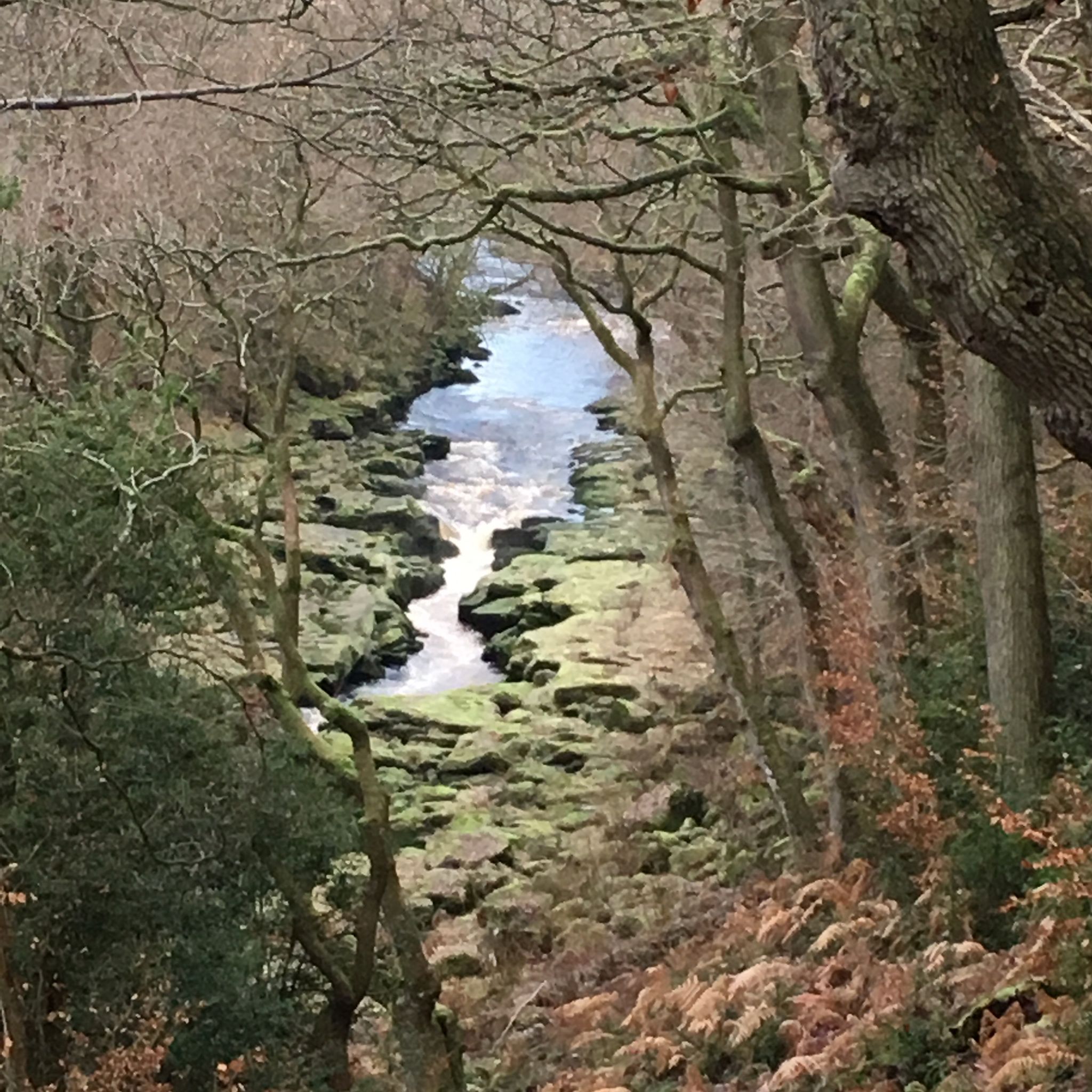
Running Trails in Yorkshire Dales National Park
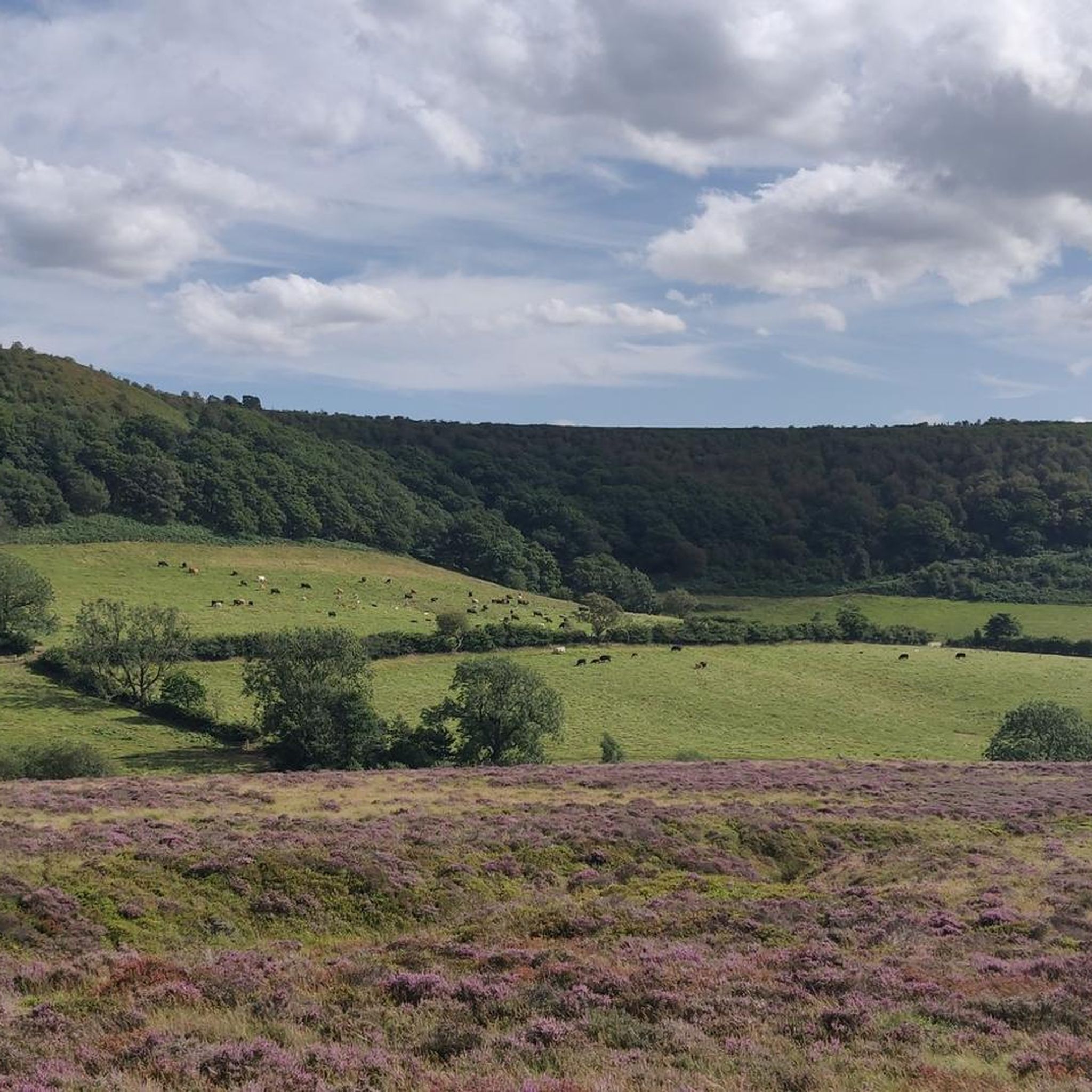
Running Trails around Ryedale
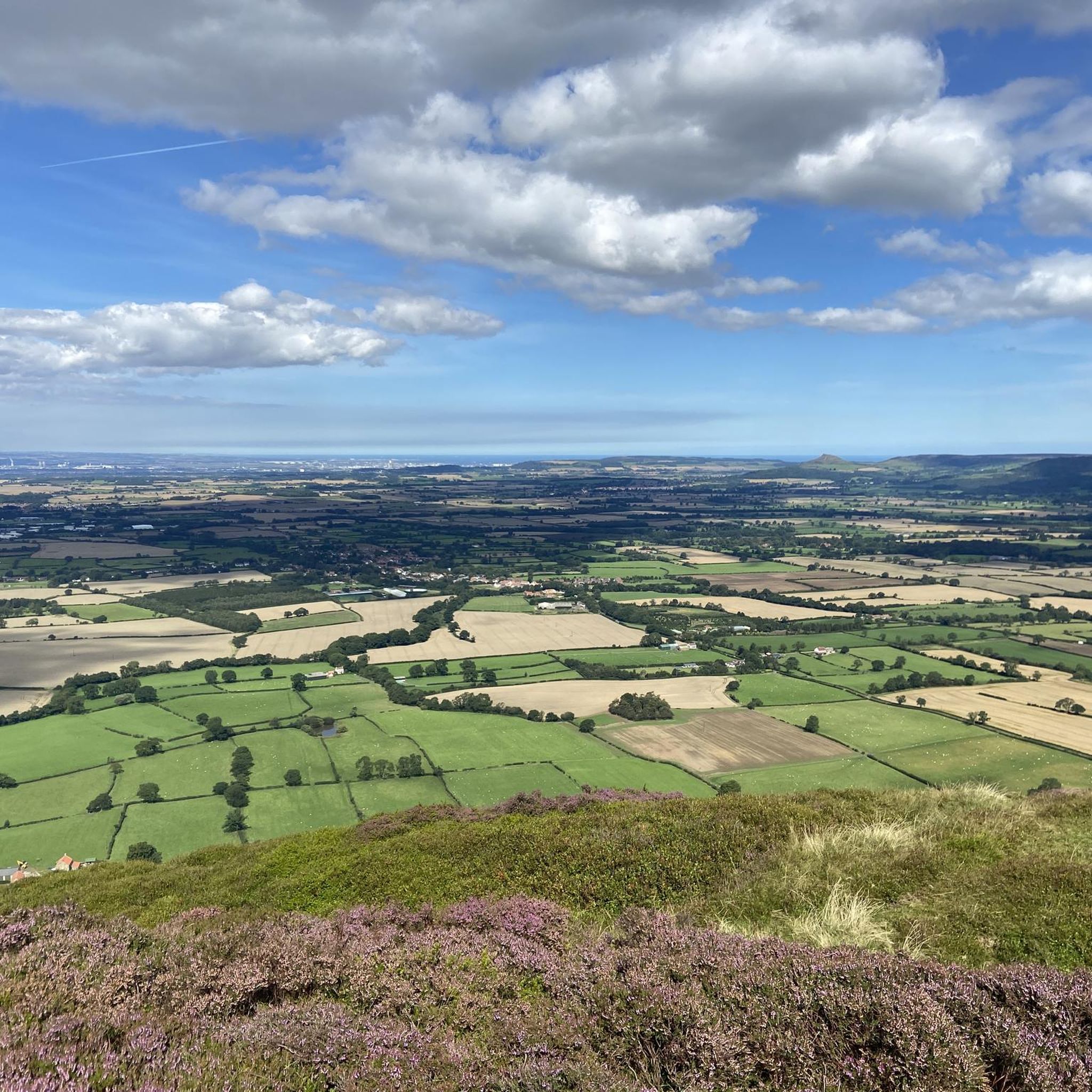
Running Trails around Hambleton
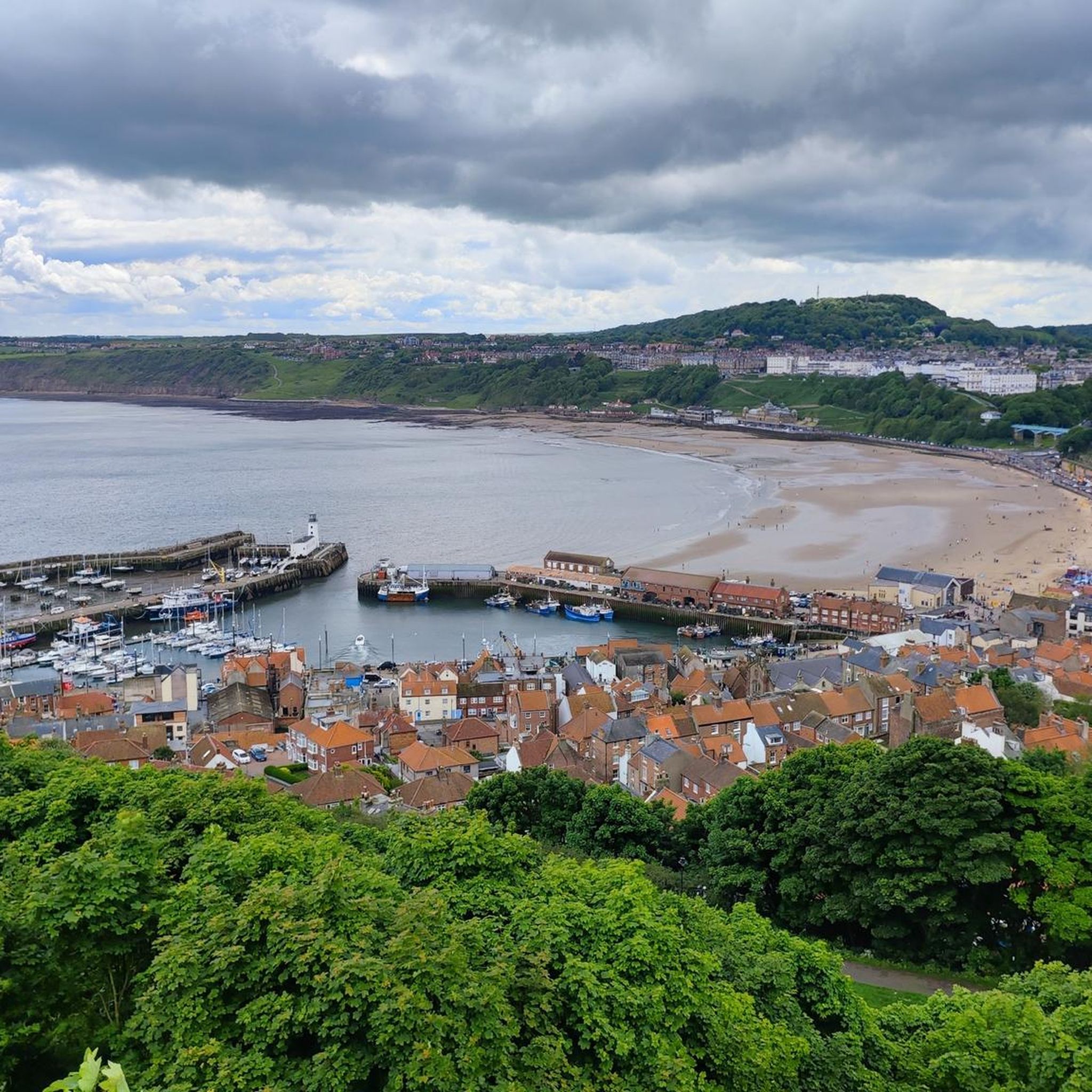
Running Trails around Scarborough
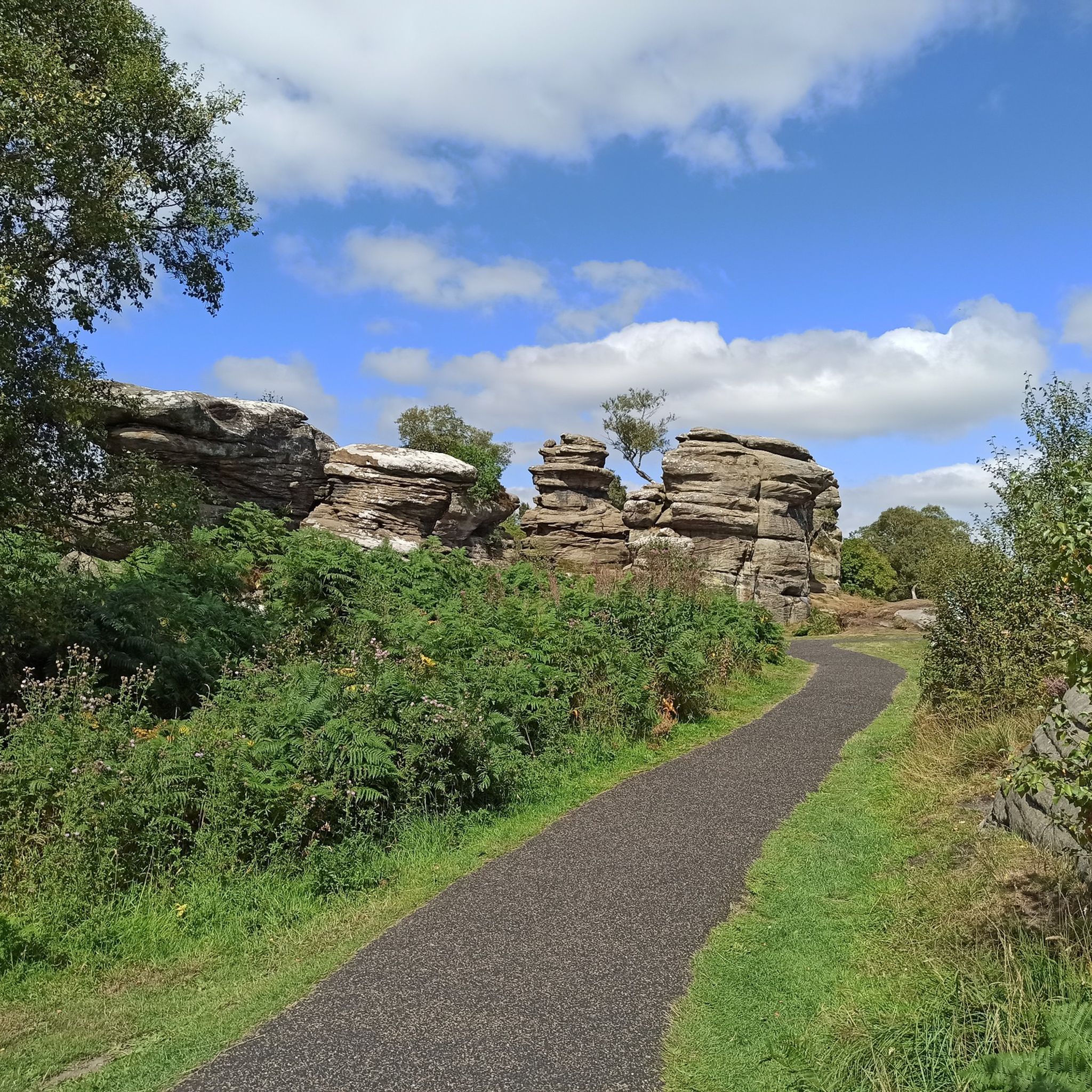
Running Trails around Harrogate
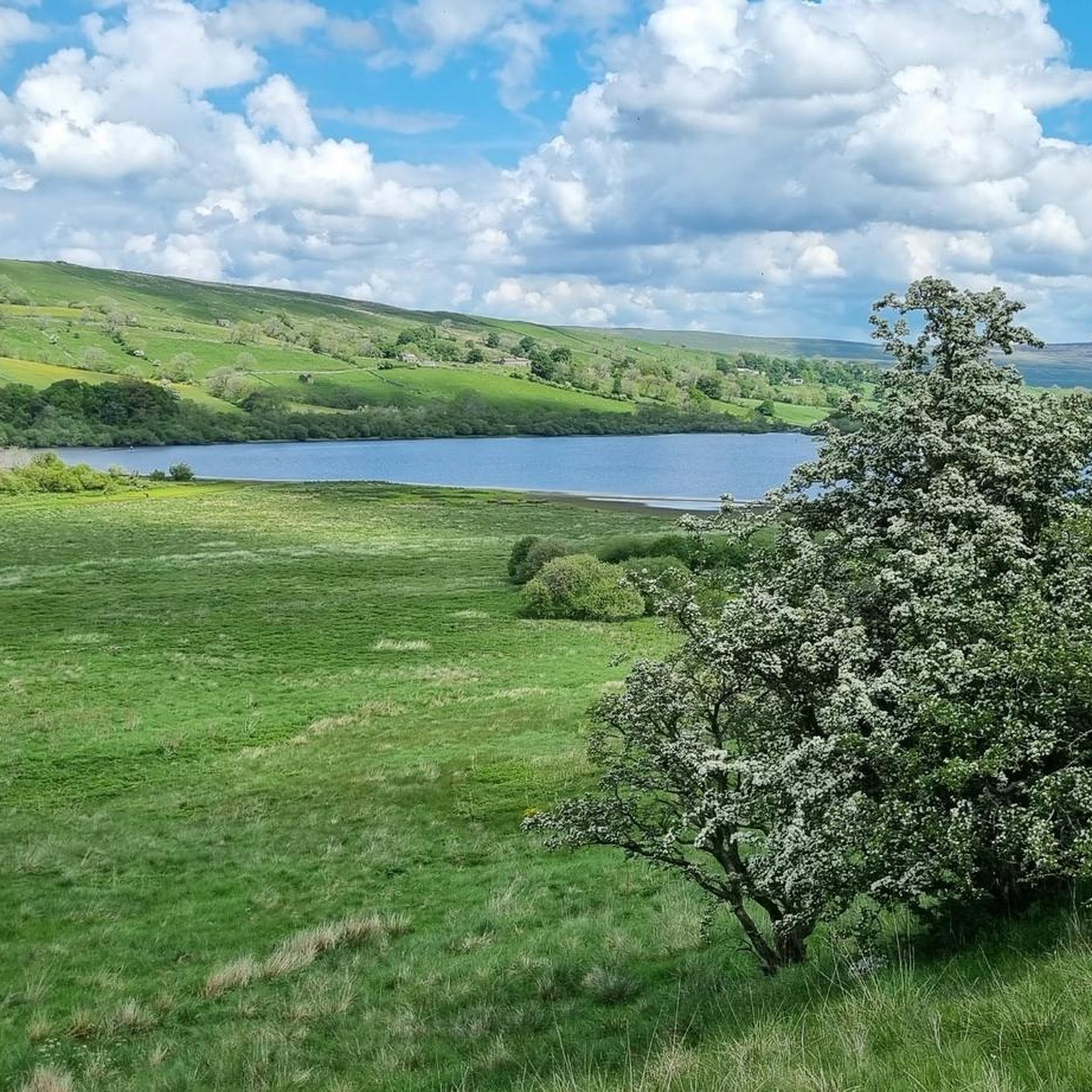
Running Trails around Richmondshire
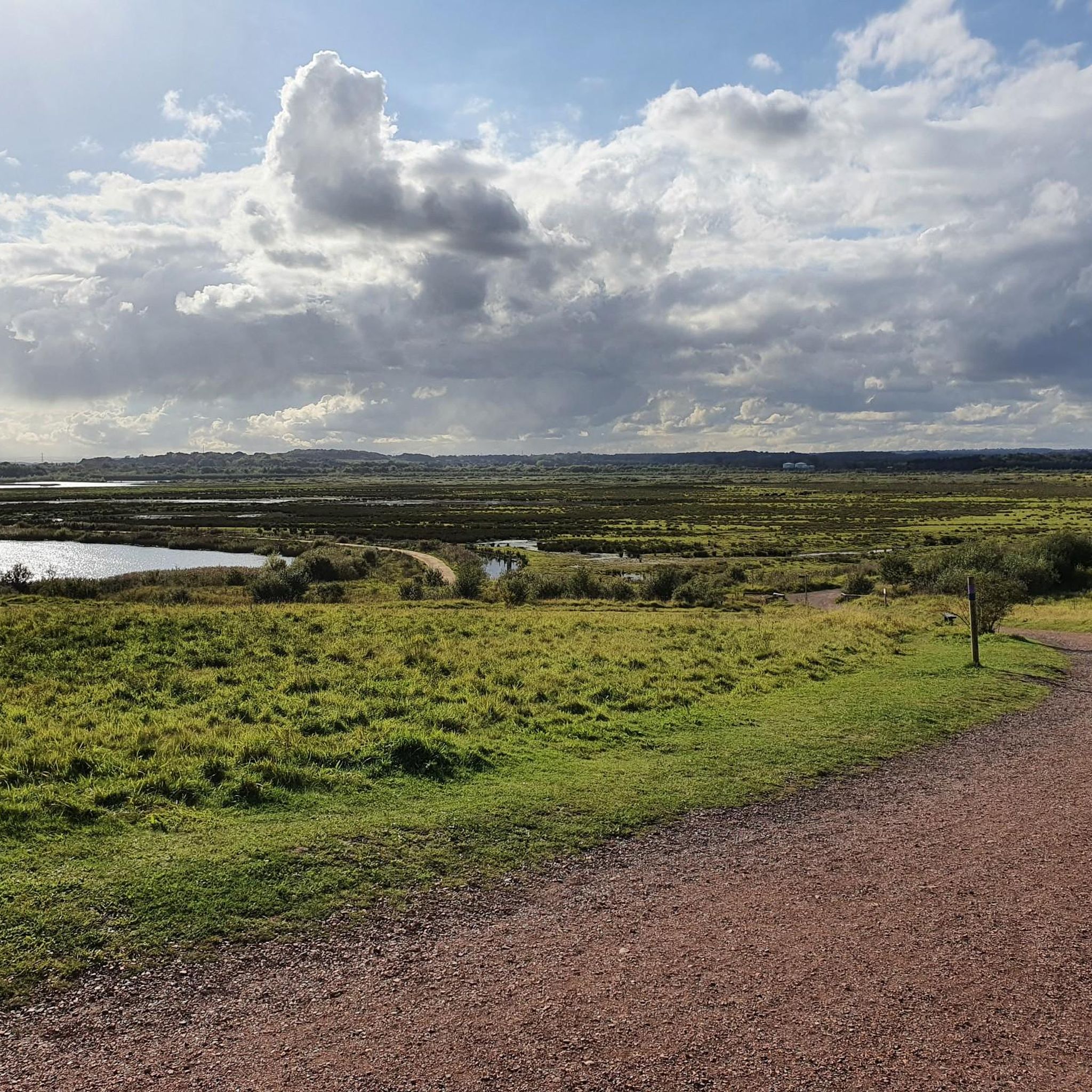
Running Trails around Selby
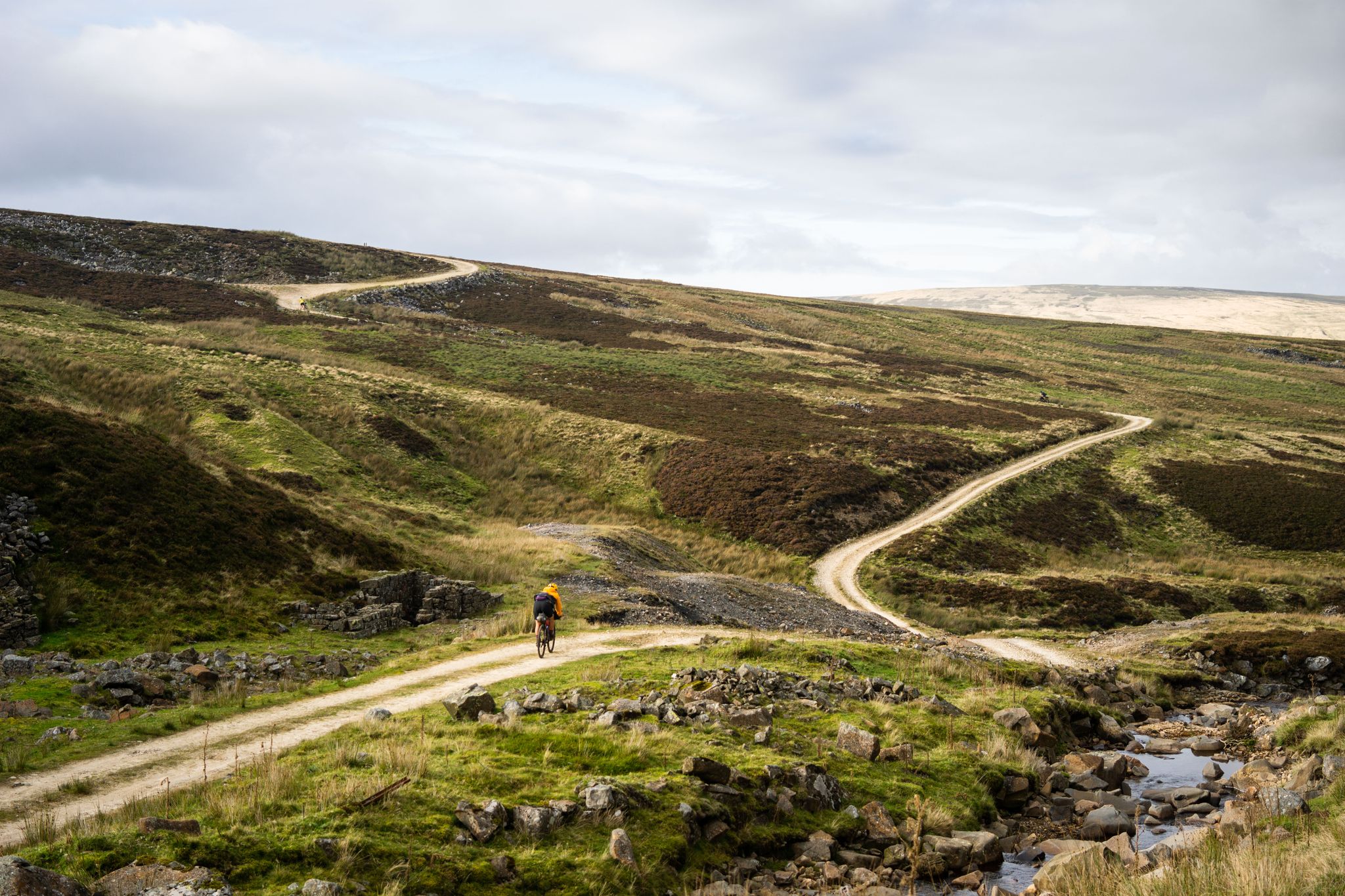
Second City Divide — Rough Stuff Of The North
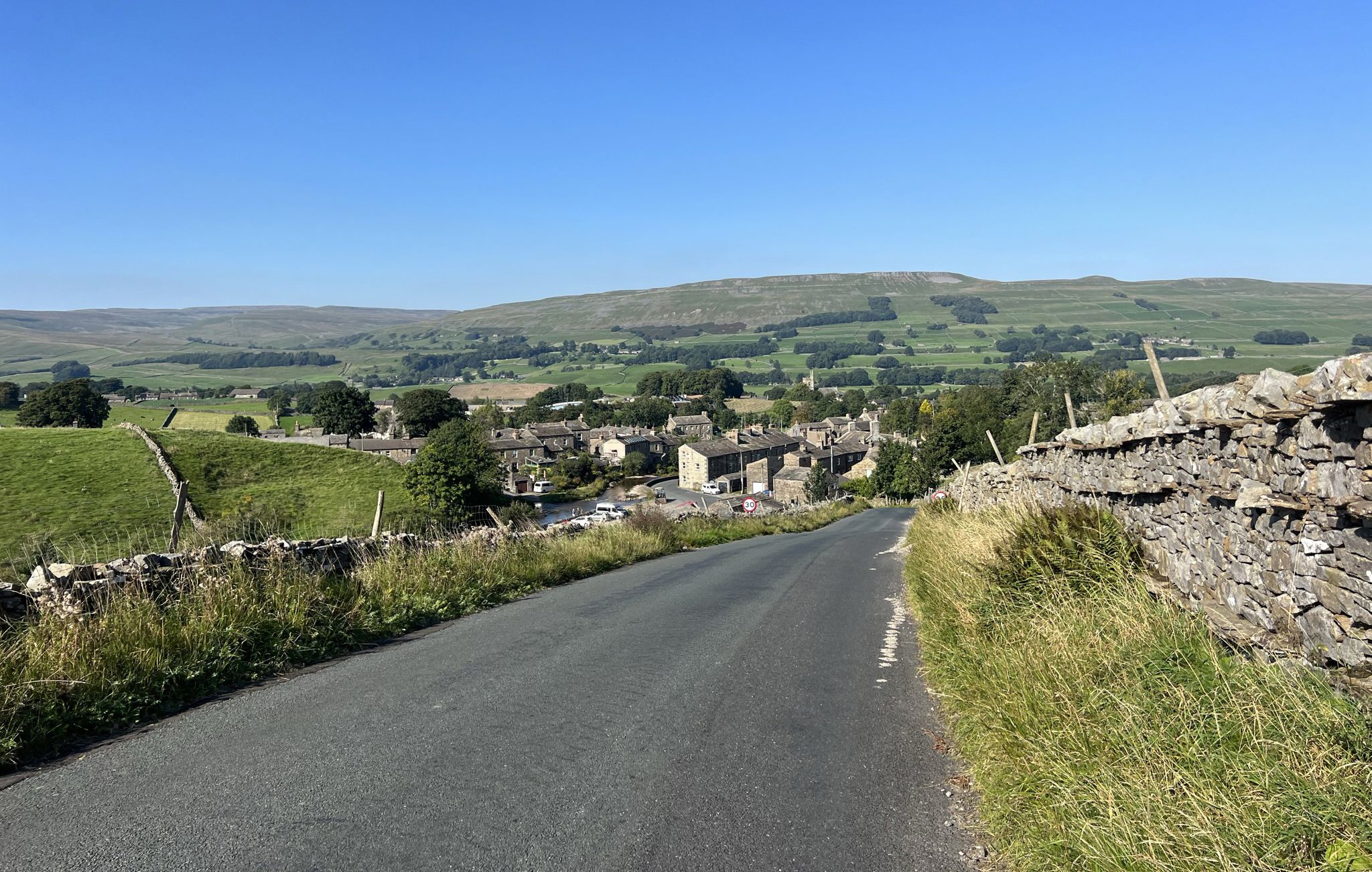
Yorkshire Dales National Park – A Walk in the Parks
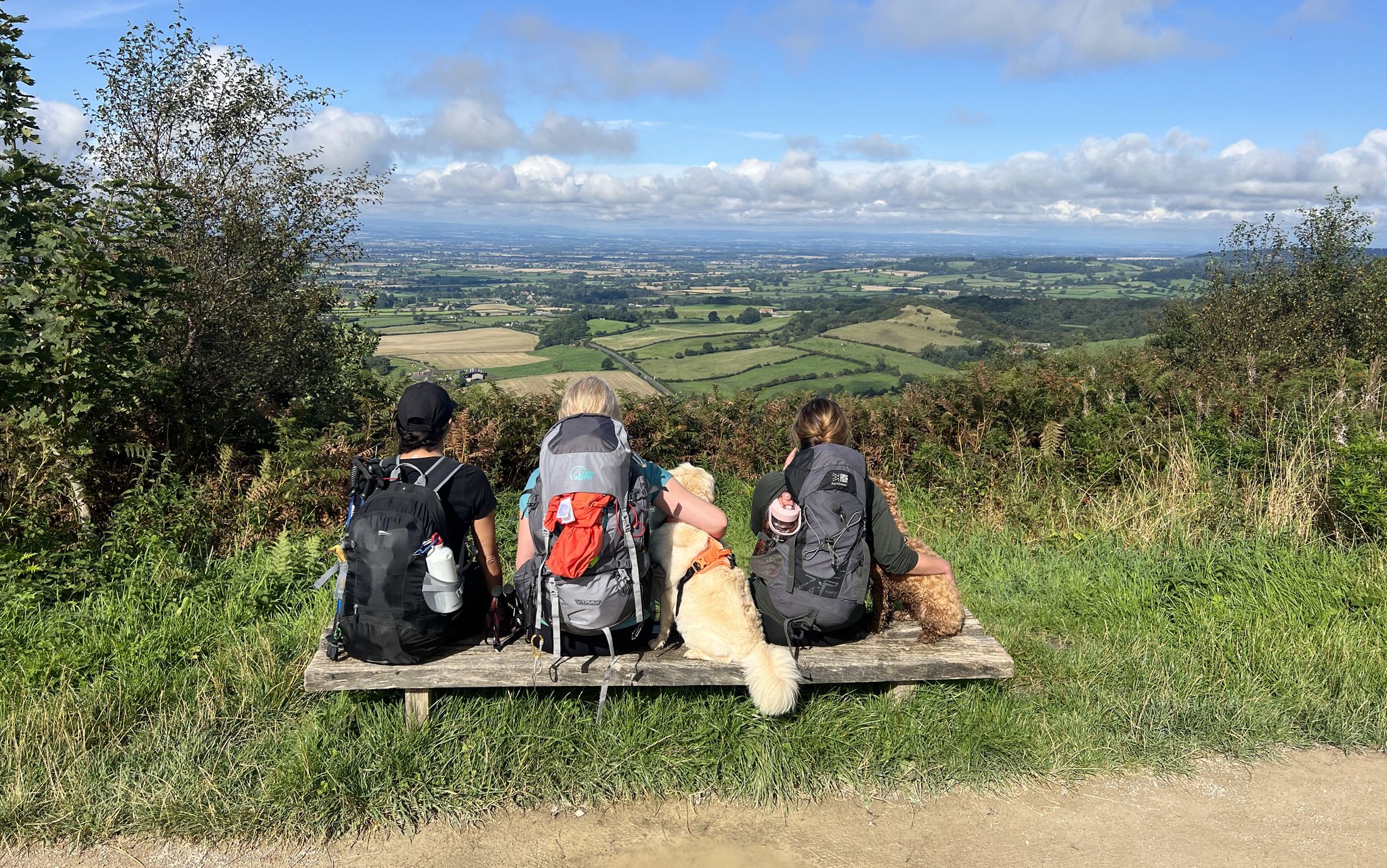
North York Moors National Park – A Walk in the Parks
Other adventures in North Yorkshire


Tips from the Community

Scramble at the top, steep take your time if this is the first of the Three Yorkshire peaks. Nice steady walk down which is a nice grade
0
0

Part of the Yorkshire 3 Peaks and offers stunning views, can be a bit of a scramble to get to the top but worth the effort
0
0
The good old British weather came in so couldn't see anything due to the fog
0
0

Until 1912, Roseberry Topping had a smooth, sugarloaf‑like peak. A geological fault combined with underground mining caused a massive collapse, giving the summit its modern jagged profile. The climb up from the car park is steep and can be very busy, even before sunrise in winter where you can see a small procession of torches slowly ascending.
1
0
Great views and early on a Sunday morning is best to beat the crowds. The obelisk is hollow and originally had a doorway you could walk through, before it was sealed during a 19th‑century restoration. A lightning strike in 1960 almost split the monument down the middle after the lightning conductor installed in 1895 rusted away. Earlier lightning strikes in the 19th century had already blown off the original doorway and obliterated the cast‑iron plaques. Fun fact - allegedly - the monument contains a hidden time capsule. When the foundation stone was laid in 1827, commemorative items were placed inside, including a portrait of Captain Cook and a glass plate etched with details of the event.
1
0

Directly in front of the monument, take a stroll about 30-50 paces and you will have some very decent views of the area!
0
0
Frequently Asked Questions
How many running routes are available in North Yorkshire?
North Yorkshire offers a vast network of over 4,000 running routes, catering to all levels of experience. From gentle paths to challenging fell runs, you'll find a diverse range of options to explore the region's stunning landscapes.
What do other runners enjoy most about jogging in North Yorkshire?
The running routes in North Yorkshire are highly rated by the komoot community, with an average score of 4.4 stars from over 500 reviews. Runners frequently praise the diverse terrain, from dramatic limestone formations to heather-clad moorland, and the well-maintained trails that offer varied and rewarding experiences.
Are there running routes suitable for beginners in North Yorkshire?
Yes, North Yorkshire has plenty of options for beginners. There are over 320 easy-grade routes available, many of which are relatively flat and follow well-defined paths. For example, the Low Dalby Park Run offers a moderate 5.5 km route through Dalby Forest, perfect for those starting out.
Can I find challenging running trails for experienced runners?
Absolutely. North Yorkshire is renowned for its challenging terrain, with over 1,000 difficult-grade routes. Experienced runners can tackle iconic trails like the Three Peaks Challenge in the Yorkshire Dales, a demanding 40.6 km route encompassing three prominent hills. Another challenging option is the Captain Cook's Monument & Roseberry Topping loop in the North York Moors.
Are there running routes that feature waterfalls in North Yorkshire?
Yes, the region is home to several picturesque waterfalls. While not directly on a featured route, the Yorkshire Dales boasts famous waterfalls like Aysgarth Falls and Hardraw Force. The Ingleton Waterfalls Walk is a popular circular route featuring several scenic waterfalls, including Thornton Force. You can also find the dramatic Gordale Scar Waterfall near the Malham Cove, Gordale Scar and Malham Tarn Circular route.
What kind of natural landscapes can I expect to see while running in North Yorkshire?
North Yorkshire offers an incredibly diverse range of landscapes. You can run through the dramatic limestone formations and rolling hills of the Yorkshire Dales, the heather-clad moorland and ancient woodlands of the North York Moors, or along the rugged coastline with opportunities for beach runs. The Howardian Hills also provide well-wooded rolling countryside and scenic villages.
Can I find circular running routes in North Yorkshire?
Yes, many running routes in North Yorkshire are circular, allowing you to start and finish in the same location. A great example is the Malham Cove, Gordale Scar and Malham Tarn Circular, which offers a challenging 11.6 km loop through stunning natural features. Another option is the Fountains Abbey & Studley Royal Park loop, a moderate 8.9 km route.
Are there any historical sites or landmarks along the running routes?
Yes, North Yorkshire is rich in history and landmarks. You can run past impressive ruins like Fountains Abbey on the Fountains Abbey & Studley Royal Park loop. The Cinder Track and Ravenscar Radar Station loop takes you past a former railway line and a historic radar station. Other notable sites include Tan Hill Inn – Britain's Highest Inn and Hag Dyke Hostel, which are near some routes.
Are the running routes in North Yorkshire suitable for families?
Many routes in North Yorkshire are family-friendly, especially those with easier grades and well-maintained paths. Areas like Dalby Forest offer defined trails suitable for all ages. When choosing a route, look for 'easy' or 'moderate' difficulty ratings and shorter distances to ensure it's enjoyable for everyone. Always check the route details for elevation and terrain before heading out with children.
Are there dog-friendly running trails in North Yorkshire?
Most of North Yorkshire's trails are dog-friendly, especially within the National Parks, provided dogs are kept under control, often on a lead, to protect livestock and wildlife. Always check local signage and be mindful of ground-nesting birds, particularly during spring and early summer. Routes through woodlands or along disused railway lines like the Cinder Track are generally good options for running with dogs.
What is the best time of year to go running in North Yorkshire?
North Yorkshire offers great running opportunities year-round, but each season has its charm. Spring brings blooming wildflowers, while summer provides longer daylight hours and warmer temperatures. Autumn showcases stunning foliage across the Dales and Moors. Winter running can be beautiful, especially after a fresh snowfall, but requires appropriate gear and caution on potentially icy or muddy trails. Always check weather forecasts before heading out.
Can I find long-distance running routes in North Yorkshire?
Yes, North Yorkshire is ideal for long-distance running. The region features extensive trails, including sections of the Cleveland Way National Trail, which hosts ultramarathons like the Hardmoors 110. The Three Peaks Challenge is a classic long-distance route at over 40 km. For coastal long runs, consider the Whitby & Robin Hood's Bay loop, which covers over 20 km of scenic coastline.
Most popular routes in North Yorkshire
Most popular attractions in North Yorkshire

Get inspired with the komoot mobile app


Didn’t find what you were looking for?
Check out more Running Trails & Routes throughout North Yorkshire below and find the perfect route in your destination.
Explore more
Browse the best Running Trails & Routes in other regions.
