The best walks and hikes around Soulaires
4.4
(210)
1,301
hikers
119
hikes
Hiking around Soulaires offers trails through the gentle landscapes of the French countryside, characterized by river valleys and agricultural areas. The region features paths along the Eure river and routes connecting historic villages and châteaux. Terrain is generally low-lying with minimal elevation changes, making it suitable for various activity levels.
Best hiking trails around Soulaires
- The most popular hiking route is The Banks of the Eure – Lèves Washhouse loop from Saint-Prest, a 6.3 miles (10.2 km) trail that…
Last updated: July 2, 2026
4.0
(2)
8
hikers
11.9km
03:07
90m
90m
Moderate hike. Good fitness required. Easily-accessible paths. Suitable for all skill levels.
4.7
(3)
10
hikers
Moderate hike. Good fitness required. Easily-accessible paths. Suitable for all skill levels.

Sign up for free
5.0
(1)
5
hikers
7.90km
02:02
40m
40m
Moderate hike. Good fitness required. Easily-accessible paths. Suitable for all skill levels.
2
hikers
Easy hike. Great for any fitness level. Easily-accessible paths. Suitable for all skill levels.
3
hikers
Easy hike. Great for any fitness level. Easily-accessible paths. Suitable for all skill levels.
Get access to more routes and recommendations from other explorers.
Sign up for free
Already have an account?
Our route recommendations are based on thousands of hikes, rides, and runs completed by other people on komoot.
Start today with a free account
Your next adventure awaits.
Login or Signup


Tips from the Community

According to tradition, the church choir covers the remains of an older building, possibly dating back to the 6th century, which was built to house the saint's body. According to current knowledge, the commune of Saint-Piat (Sanctus Piatus in Latin) officially appeared in 1087, mentioned in a charter of the Nottonville Priory (Eure-et-Loir), on which it depended. The current building was rebuilt during the time of Francis I, as suggested by the date 1535 engraved on two buttresses of the apse and the date 1542 engraved on a piece of wood from the vault. This is according to a study by the SAEL (Eure-et-Loir Archaeological Society). The three-sided apses, the dripstone towers (horizontal members projecting from a wall), and the sculpted roof structures are a testament to the importance of the reconstructions carried out in the department during the 16th century. The church of Saint-Piat is one of them. While the church has not been officially recognized, it nevertheless contains objects that have attracted attention both for their antiquity and quality, but not always for good reason. Their artistic value, far from attracting only religious or aesthetic interest, has also aroused a covetousness that, unfortunately, remains for some of them. Fortunately, those still in place are carefully cared for and offer the curious a story to discover, a beauty to slowly ponder as they progress toward the choir.
0
0

A short stroll through fields, suitable for a walk of about two hours for all levels, pleasant, but nothing more, quite "flat". The visit to the park and the castle of Maintenon deserve more attention than this walk.
0
0

The Moulin de Saint-Piat is a water mill located on the Eure and dating from the 11th century where it was once used for the production of flour and the extraction of oil. You can admire the architecture of the mill, which was extended in 1865, and enjoy the view of the river and the nearby church. The mill is also a good place for birdwatching, as you may be able to see herons, kingfishers and ducks along the water.
4
0
The Château de Maintenon is a castle that was once the residence of Madame de Maintenon, the second wife of Louis XIV. You can explore the elegant halls and gardens of the castle, as well as the impressive aqueduct that was built to supply water to the Palace of Versailles. The castle is open from Tuesday to Sunday, from 10:30 a.m. to 6:30 p.m. The entrance price is 9 euros for adults and 6 euros for children. You can also benefit from a guided tour or an audio guide at an additional cost. The castle is surrounded by a beautiful park, where you can stroll along the Eure and admire the view of the aqueduct and the castle.
3
0

Between Maintenon and Saint-Piat. Along the Eure, a hike where water and nature accompany you.
1
0

Pretty mill to contemplate for a refreshing break along the Eure. Its construction is estimated at the 11th century, but its existence is attested only at the end of the 15th century.
1
0
You pass under the remains of the Maintenon aqueduct. This dates from the end of the 17th century. It was to carry water from the Eure to Versailles to supply the fountains in the garden. After three years of work, the site was interrupted because of the war and the work was never completed.
1
0
This beautiful castle owes its fame to the most famous of its occupants, Françoise d'Aubigné, Marquise de Maintenon, wife of Louis XIV. Transformed many times, the castle was created in the 12th century with the role of a fortress. It became a pleasure castle during the Renaissance before becoming the property of the Marquise. During a visit, you discover the rich history of the place. The castle is fully furnished, which makes the visit all the more immersive.
1
0
Frequently Asked Questions
What kind of terrain can I expect when hiking around Soulaires?
Hiking around Soulaires primarily features gentle landscapes of the French countryside. You'll find paths along river valleys, through agricultural areas, and connecting historic villages. The terrain is generally low-lying with minimal elevation changes, making it suitable for various activity levels.
How many hiking trails are available in the Soulaires area?
There are over 100 hiking routes available around Soulaires, catering to different preferences and fitness levels. This includes a good mix of easy and moderate trails.
Are there any easy hiking trails suitable for beginners or a relaxed stroll?
Yes, Soulaires offers numerous easy trails. For example, the Moulin de Plateau – View of the French Countryside loop from Saint-Prest is an easy 7.7 km route, and the shorter Moulin de Plateau loop from Saint-Prest is only 2.7 km, perfect for a quick and easy walk.
What are some notable landmarks or attractions I can see while hiking in Soulaires?
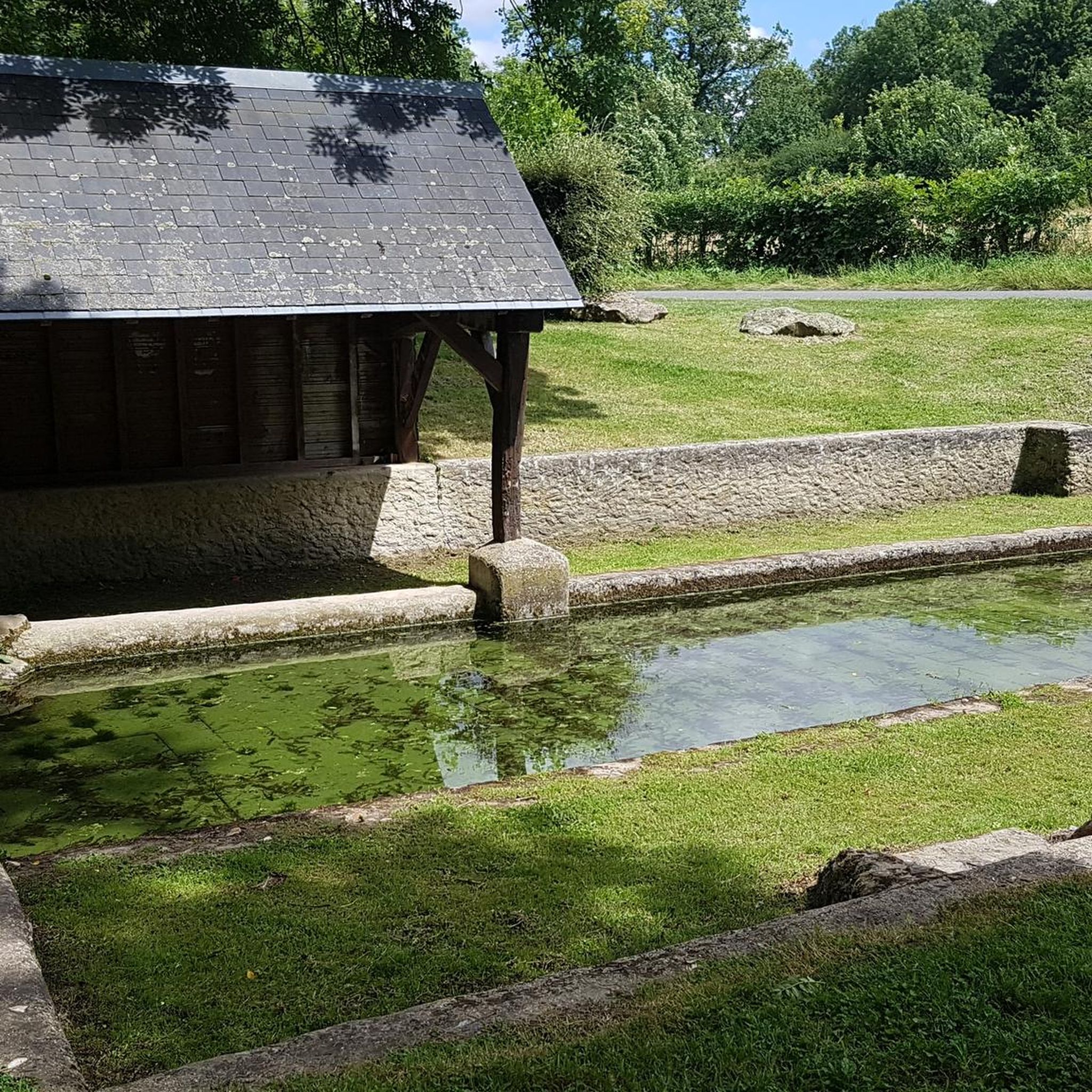
The region offers a blend of natural beauty and historical sites. You can explore routes that pass by historic washhouses, such as The Banks of the Eure – Lèves Washhouse loop from Saint-Prest. Other trails, like the Château de Maintenon – Maintenon Castle loop from Mévoisins, lead you through areas around the historic Château de Maintenon. Additionally, nearby attractions include the iconic Chartres Cathedral and the Pont Rouge on the Louis XIV Canal.
Are there any circular hiking routes around Soulaires?
Yes, many of the trails in Soulaires are designed as loops, allowing you to start and end at the same point. Examples include Le Gland loop from Soulaires, which explores the local countryside, and the Château de Maintenon – Maintenon Castle loop from Mévoisins.
What do other hikers say about the trails in Soulaires?
The hiking routes in Soulaires are highly regarded by the komoot community, with an average rating of 4.4 stars from over 180 reviews. Hikers often praise the well-maintained paths, the peaceful river scenery, and the charming countryside views.
Are the hiking trails around Soulaires suitable for families?
Given the generally low-lying terrain and minimal elevation changes, many trails around Soulaires are well-suited for families. There are numerous easy routes that offer pleasant walks through the countryside and along the Eure river, providing accessible options for all ages.
What is the typical length and duration of hikes in this region?
Hikes in Soulaires vary in length and duration. You can find shorter, easy walks like the 2.7 km Moulin de Plateau loop from Saint-Prest, which takes about 40 minutes. Moderate trails, such as Le Gland loop from Soulaires, are around 12 km and can take about 3 hours to complete.
What kind of natural features can I expect to see on the trails?
The trails in Soulaires are characterized by river paths, open countryside, and agricultural landscapes. You'll encounter the gentle flow of the Eure river, lush fields, and often charming rural scenery, providing a tranquil outdoor experience.
Is there parking available near the trailheads in Soulaires?
While specific parking details vary by trailhead, many popular starting points for hikes in the region, especially those near villages or attractions, typically offer designated parking areas. It's advisable to check the individual route details on komoot for precise parking information.
Are there any trails that offer views of the French countryside?
Absolutely. Many routes are designed to showcase the picturesque rural landscape. The Moulin de Plateau – View of the French Countryside loop from Saint-Prest is specifically highlighted for its views of the surrounding agricultural land and open scenery.
Most popular routes around Soulaires
Most popular attractions around Soulaires

Get inspired with the komoot mobile app


Explore more
Browse the best Hikes in other regions.
