Attractions and Places To See around Saint-Cirgues-En-Montagne - Top 19
Best attractions and places to see around Saint-Cirgues-En-Montagne, nestled in the Ardéchoise Mountain, offers a blend of historical charm, natural beauty, and local culture. The region features fir forests, flourishing meadows, and rivers, providing a setting for outdoor activities. Visitors can explore ancient religious sites, volcanic formations, and scenic lakes. This area provides a variety of points of interest for those seeking both cultural insights and natural exploration.
Best attractions and places to see around Saint-Cirgues-En-Montagne
- The most popular attractions…
Last updated: July 7, 2026
Pont du Diable (Thueyts)
Highlight • Bridge
Translated by Google •
Tip by

Lac d’Issarlès
Highlight • Lake
Translated by Google •
Tip by

Sign up now to discover places like this
Get recommendations on the best single tracks, peaks, & plenty of other exciting outdoor places.
Sign up for free
Mazan-l'Abbaye
Highlight • Settlement
Tip by

Queen's Ladder
Highlight • Natural Monument
Translated by Google •
Tip by

Giant's Causeway
Highlight • Other
Translated by Google •
Tip by

Sign up for free to discover even more attractions around Saint-Cirgues-En-Montagne.
Sign up for free
Already have an account?
Start today with a free account
Your next adventure awaits.
Login or Signup
Popular around Saint-Cirgues-En-Montagne
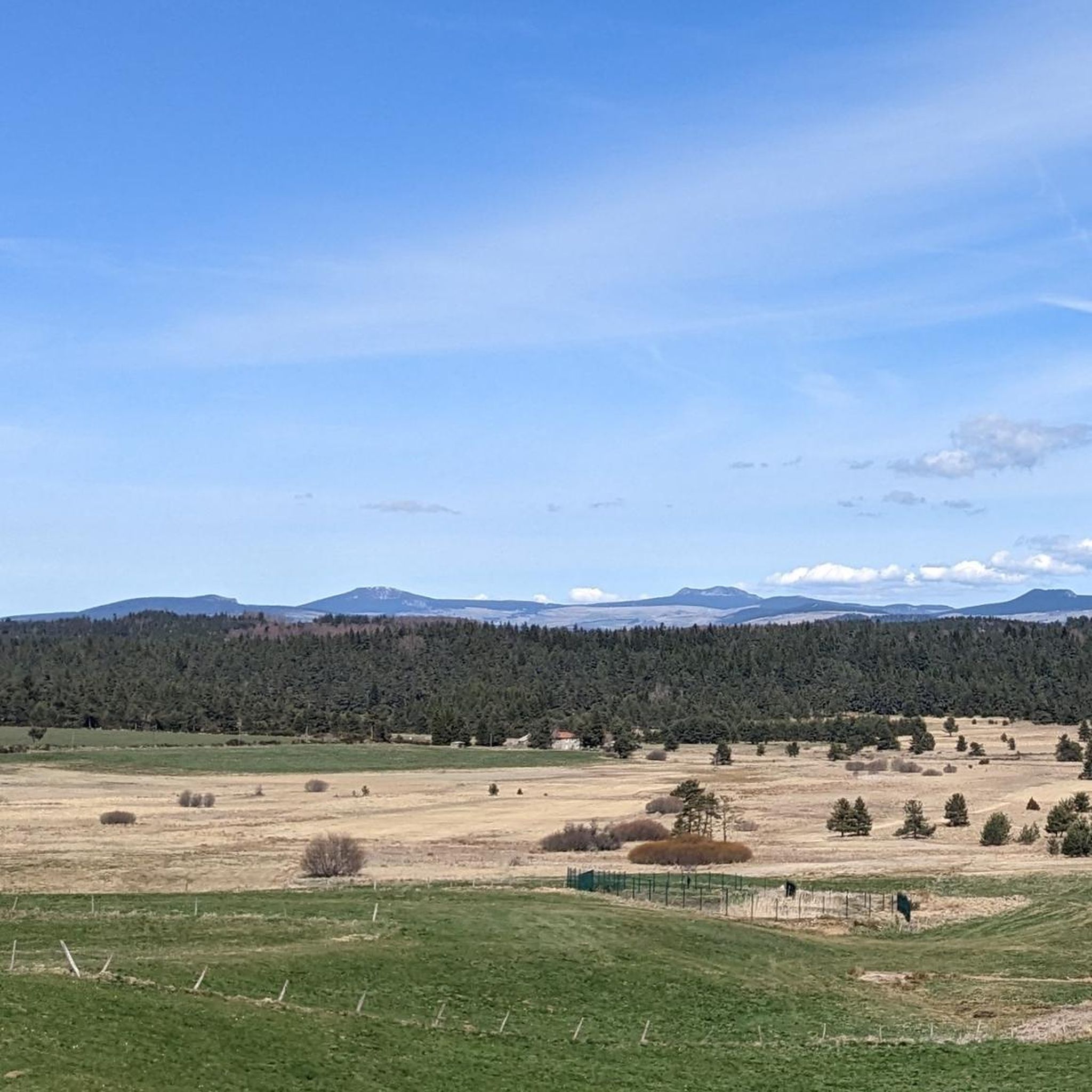
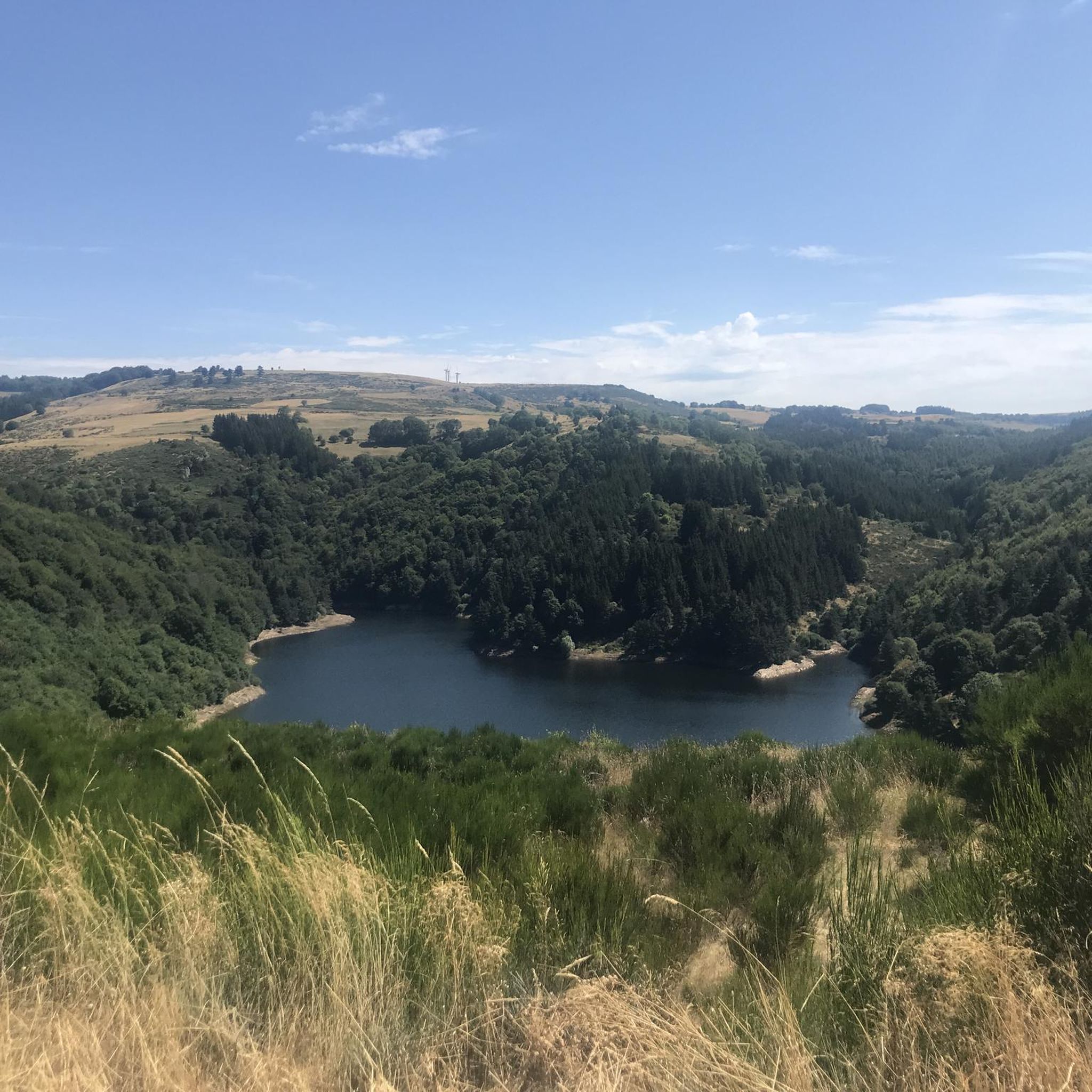
Other adventures around Saint-Cirgues-En-Montagne

Tips from the Community

Etymology: comes from Mas d’Adam, name of the old domain which was located at the site of the current village which was ceded by the lord of Géorant to the bishop of Viviers to allow him to found the abbey of Mazan. It all begins with the foundation of the Cistercian abbey in the heart of the village. This takes place between 1119 and 1122. At the beginning of the 12th century, canons came to settle on the site of Mas d’Adam (toponym that would evolve towards MAZAN), and were joined by monks from the abbey of Bonnevaux. These religious men built an immense abbey, of which only the remains are left today, which experienced a period of apogee that lasted until the Hundred Years' War. It gave birth to four other abbeys which are Bonneval, Sénanque, Sylvanès and le Thoronet as well as establishments of nuns. After this prosperous period, misfortunes followed one another at the abbey of Mazan: it was plundered by the great companies of the Hundred Years' War, then attacked by the Huguenots in the modern period. Before this last pillage, the monks, according to legend, would have melted a golden bell with all their treasures, which they would have buried somewhere, opposite and in front of the bull's eye, within earshot of the cock's crow. https://www.montagnedardeche.com/patrimoine-culturel/village-de-mazan-labbaye-2387/
0
0

The Queen's Staircase is carved into the volcanic rock. A superb view of the surrounding mountains awaits you at the top of the 215 steps. The magnificent Royal Ladders circuit takes you to discover the Devil's Bridge as well as the Queen's Ladder and the King's Ladder.
2
0

The Giant's Causeway in Thueyts is a striking volcanic rock formation that resembles a giant's staircase, offering spectacular views of the Ardèche landscape. As you walk this trail, you'll see towering basalt columns formed by ancient lava flows, creating a natural wonder that appears almost sculpted.
2
0

Very nicely located grotto, you can also go swimming below.
0
1

Stroll around the lake on Sunday July 23, 2023. Very pleasant because it is largely shaded. Provide credit card (no possibility to pay in cash) for paid parking from 01/06 to 30/09, package 3€. Lots of people on the beaches and around.
1
0

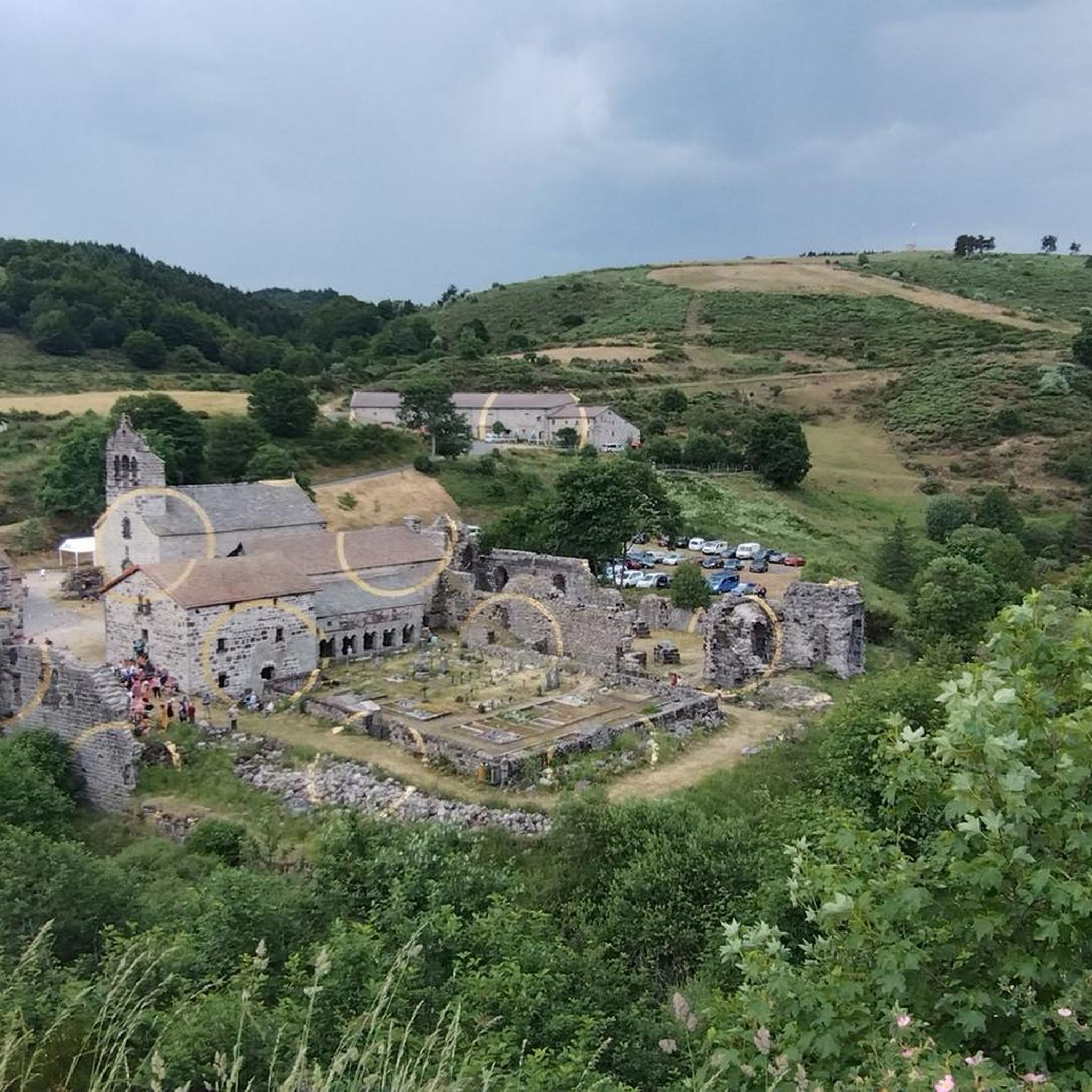
Work "A circle and a thousand fragments" by Felice Varini. https://www.ardeche-guide.com/lieux-de-visites/sites-historical-monuments/oeuvre-un-cercle-et-mille-fragments-de-felice-varini-4827079
0
0

Crater lake, 1,000 meters above sea level with a very pleasant beach for swimming. Very calm. Good food options around and public restrooms.
0
1
While jogging around this lake, be aware that it is extremely deep (138 m)! The lake was created by the escape of magma from a chamber below the lake.
3
0
Frequently Asked Questions
What natural features can I explore around Saint-Cirgues-En-Montagne?
The region is rich in natural beauty, featuring fir forests, flourishing meadows, and streams. You can visit Lac d’Issarlès, a deep lake formed by magma escape, which has a beach for swimming during summer. Another striking natural monument is the Queen's Ladder, a staircase carved into volcanic rock offering superb views. The area is also known for its botanical reserve, offering a variety of flowers, mushrooms, and berries.
Are there any historical or cultural sites to visit in Saint-Cirgues-En-Montagne?
Yes, the village boasts several historical and cultural points of interest. The 12th-century Romanesque Church of Saint-Cyr is a flagship monument with beautiful stained-glass windows and a pre-Romanesque stone. You can also see the remains of the Château des Éperviers, which offers a glimpse into the region's medieval past. The Place du Breuil is the central square, hosting a Sunday market and the annual mushroom and horse fair.
What kind of outdoor activities can I do near these attractions?
The Ardéchoise Mountain setting is ideal for outdoor enthusiasts. You can enjoy hiking through dense forests and verdant meadows, with many signposted trails offering panoramic views. Mountain biking is also popular. During winter, the region transforms into a destination for cross-country skiing and snowshoeing. Fishing is possible in the numerous rivers, particularly for trout and minnows, and in summer, surrounding rivers and lakes are suitable for swimming and canoeing.
Are there family-friendly attractions or activities in the area?
Absolutely. Lac d’Issarlès is a great family-friendly spot, with a monitored beach on its north shore during summer months. The surrounding natural environment, with its forests and meadows, provides ample opportunities for easy walks and exploring nature. The local museum in Saint-Cirgues-En-Montagne also offers an engaging way for families to learn about the region's history.
Where can I go hiking around Saint-Cirgues-En-Montagne?
The area offers a variety of hiking trails. For an easy option, consider the "Tour of Lac d’Issarlès" which is just under 4 km. More challenging routes include the "Suc de Cherchemuse – Lac d’Issarlès loop" or the "Mazan Abbey – Mazan-l'Abbaye loop." You can find more details and routes on the Hiking around Saint-Cirgues-En-Montagne guide.
What are some unique geological formations to see?
Beyond Lac d’Issarlès, which is a volcanic lake, you can visit the Giant's Causeway in Thueyts. This striking volcanic rock formation resembles a giant's staircase, showcasing towering basalt columns formed by ancient lava flows. Another notable site is the Queen's Ladder, carved into volcanic rock, offering a unique natural and historical experience.
Are there any notable bridges or viewpoints in the area?
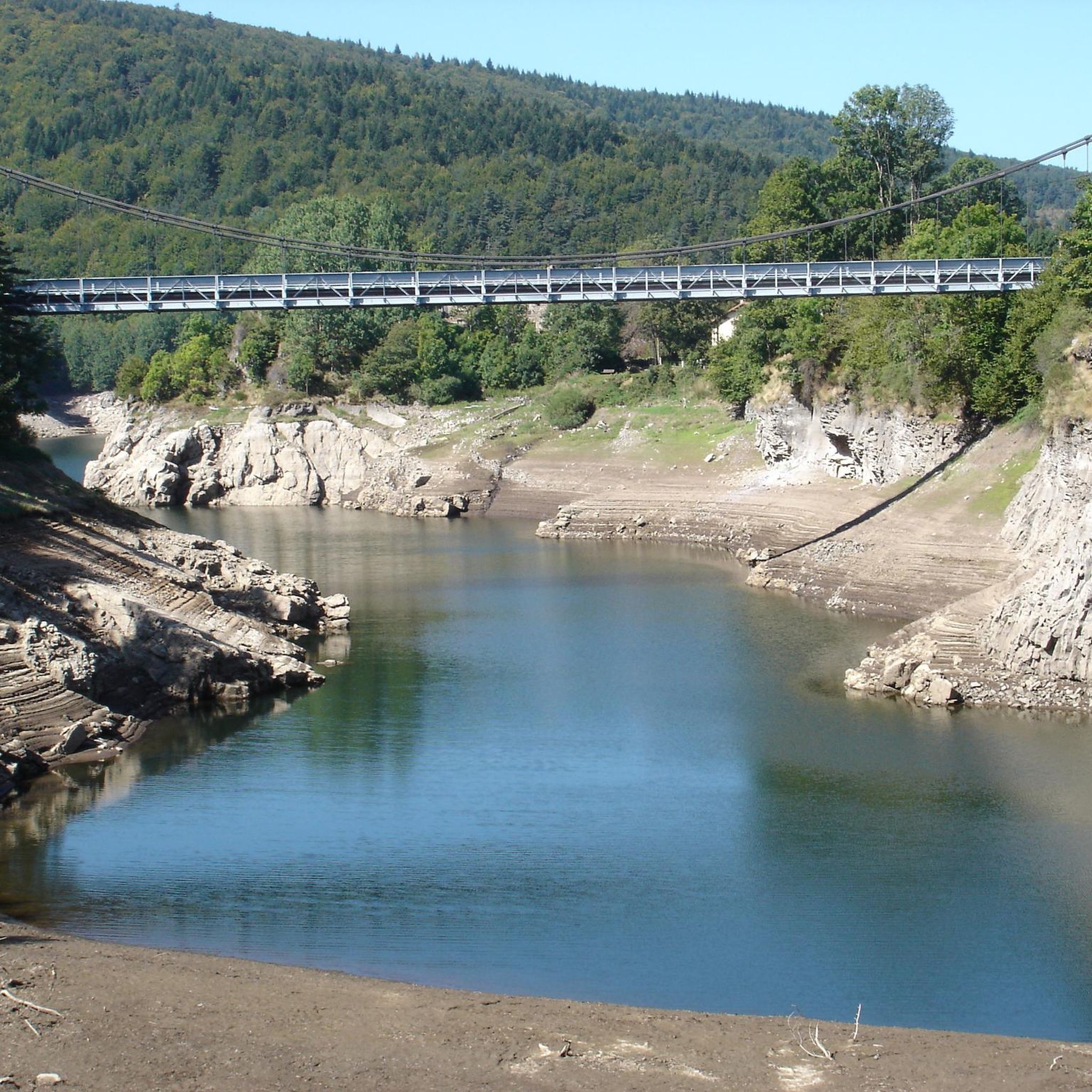
Yes, the Pont du Diable (Thueyts) is a magnificent stone bridge spanning the Ardèche River, known for its deep waters below and accessible via steep paths. It's an emblematic place offering great views. Additionally, the Queen's Ladder provides a superb viewpoint of the surrounding mountains after climbing its 215 steps.
What cycling routes are available around Saint-Cirgues-En-Montagne?
Cyclists can explore various routes, often challenging due to the mountainous terrain. Options include the "Mazan-l'Abbaye – Mont Gerbier de Jonc loop" or the "Lac d’Issarlès – Col de Gage - south side loop." These routes offer scenic rides through the Ardèche landscape. For more detailed cycling routes, refer to the Cycling around Saint-Cirgues-En-Montagne guide.
What is Mazan-l'Abbaye and what can I see there?
Mazan-l'Abbaye features the ruins of a 12th-century abbey. It's notable for an interesting art installation by Felice Varini called “A circle and a thousand fragments,” which uses gold leaf on the mineral ruins. It's a significant historical site and a unique blend of ancient architecture and contemporary art.
What do visitors enjoy most about the attractions near Saint-Cirgues-En-Montagne?
Visitors frequently appreciate the stunning natural landscapes, from the deep blue waters of Lac d’Issarlès to the unique volcanic formations like the Giant's Causeway. The historical charm of sites like the Romanesque Church of Saint-Cyr and the artistic integration at Mazan-l'Abbaye are also highly valued. Many enjoy the opportunities for outdoor activities and the picturesque views from spots like the Queen's Ladder.
Are there running trails available near Saint-Cirgues-En-Montagne?
Yes, there are several running trails for different fitness levels. An easy option is the "Tour of Lac d'Issarlès," which is about 3.9 km. For those seeking a greater challenge, there are moderate and difficult routes such as the "Suc de Cherchemuse – Lac d’Issarlès loop." You can find more running routes and details on the Running Trails around Saint-Cirgues-En-Montagne guide.
Most popular routes around Saint-Cirgues-En-Montagne
Most popular attractions around Saint-Cirgues-En-Montagne

Get inspired with the komoot mobile app


Explore more
Still not found the Highlight you’re looking for? See guides of the top attractions in other regions:
