The best MTB trails around La Chapelle-Fortin
4.7
(20)
135
riders
16
rides
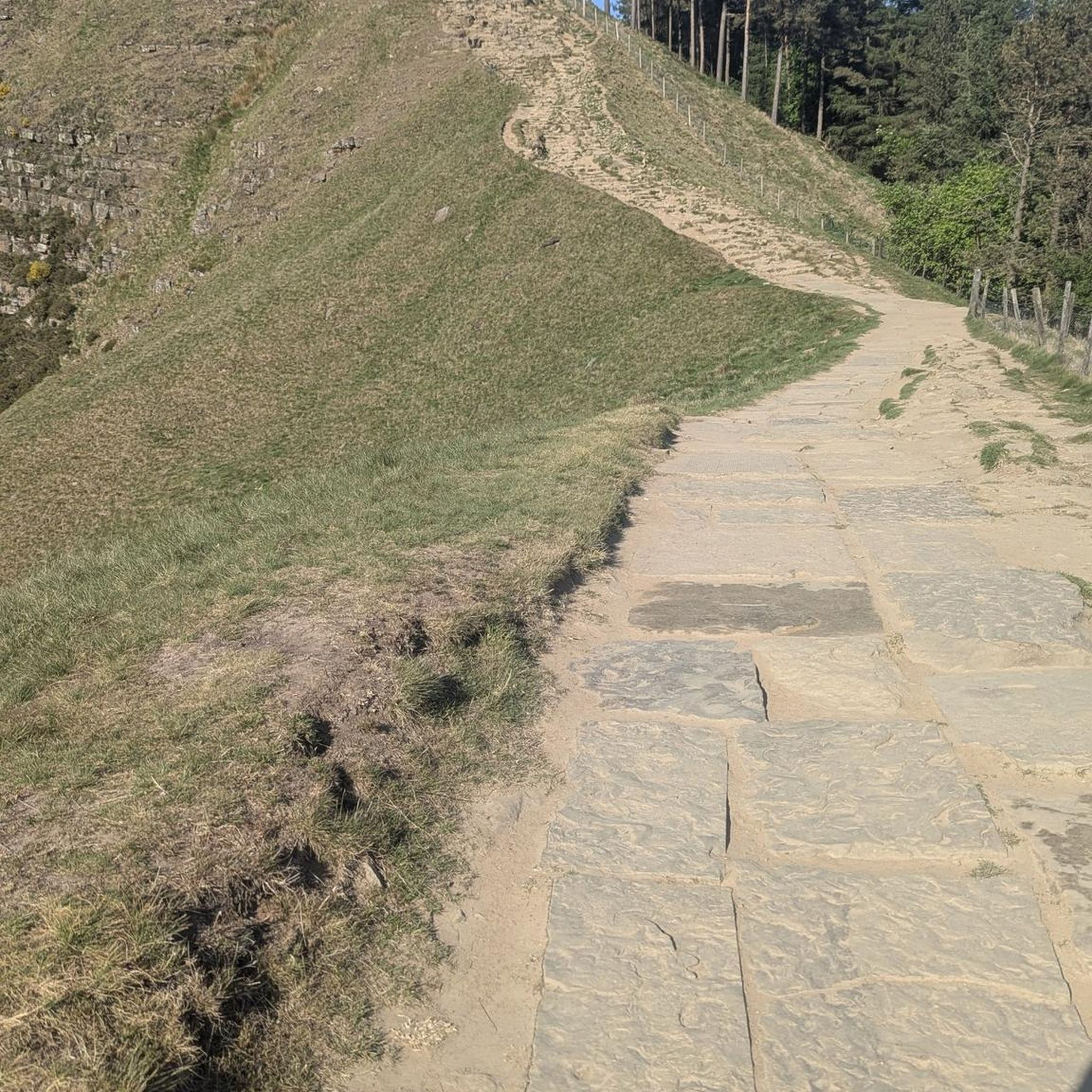
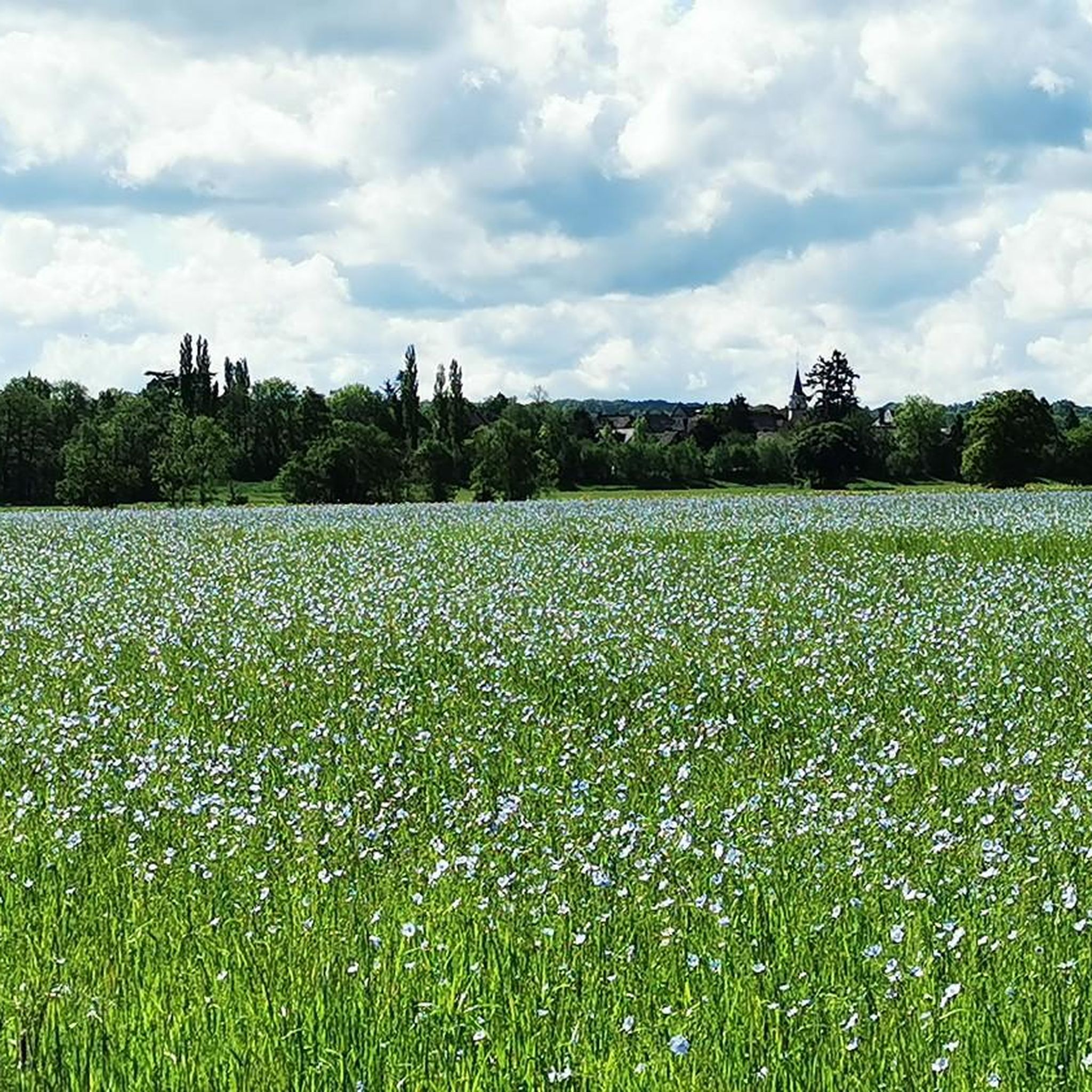
Mountain bike trails around La Chapelle-Fortin offer diverse landscapes within the Perche Natural Regional Park. The region features peaceful countryside, characterized by a mix of well-preserved oak and beech forests, valleys, and numerous ponds. The undulating terrain provides varied cycling experiences, from forest paths to more challenging sections. This area is part of the "Forêts et étangs du Perche" Natura 2000 conservation zone, highlighting its rich natural features.
Best mountain bike trails around La Chapelle-Fortin
- The most popular mountain bike…
Last updated: July 5, 2026
3.7
(3)
11
riders
30.7km
02:03
130m
130m
Moderate mountain bike ride. Good fitness required. Suitable for all skill levels.
4.7
(7)
32
riders
19.6km
01:03
70m
70m
Easy mountain bike ride. Great for any fitness level. Suitable for all skill levels.

Sign up for free
5.0
(1)
10
riders
27.4km
02:08
300m
300m
Moderate mountain bike ride. Good fitness required. Suitable for all skill levels.
7
riders
9.99km
00:45
30m
30m
Easy mountain bike ride. Great for any fitness level. Suitable for all skill levels.
1
riders
28.6km
01:41
140m
140m
Easy mountain bike ride. Great for any fitness level. Suitable for all skill levels.
Get access to more routes and recommendations from other explorers.
Sign up for free
Already have an account?
Our route recommendations are based on thousands of hikes, rides, and runs completed by other people on komoot.
Start today with a free account
Your next adventure awaits.
Login or Signup

Tips from the Community

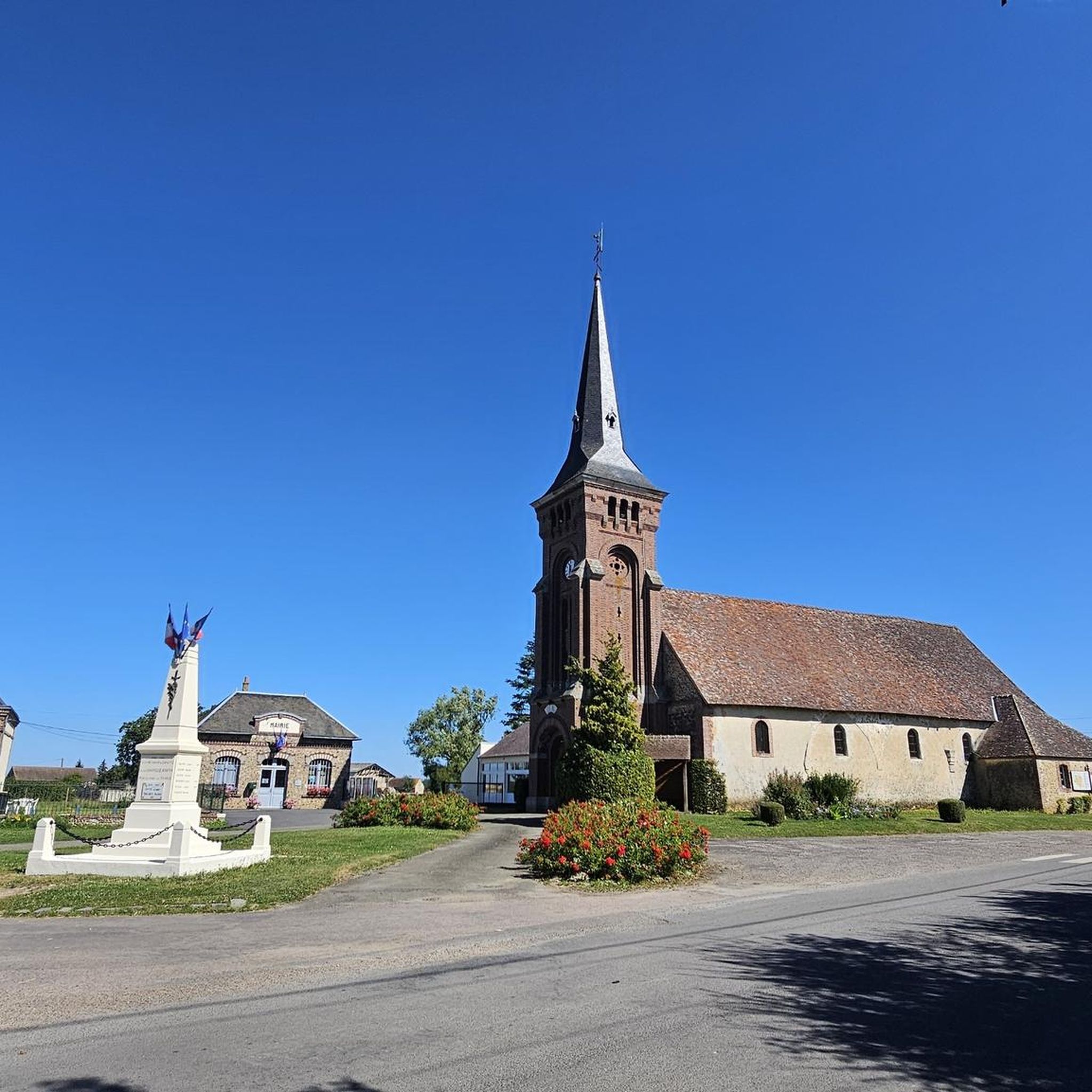
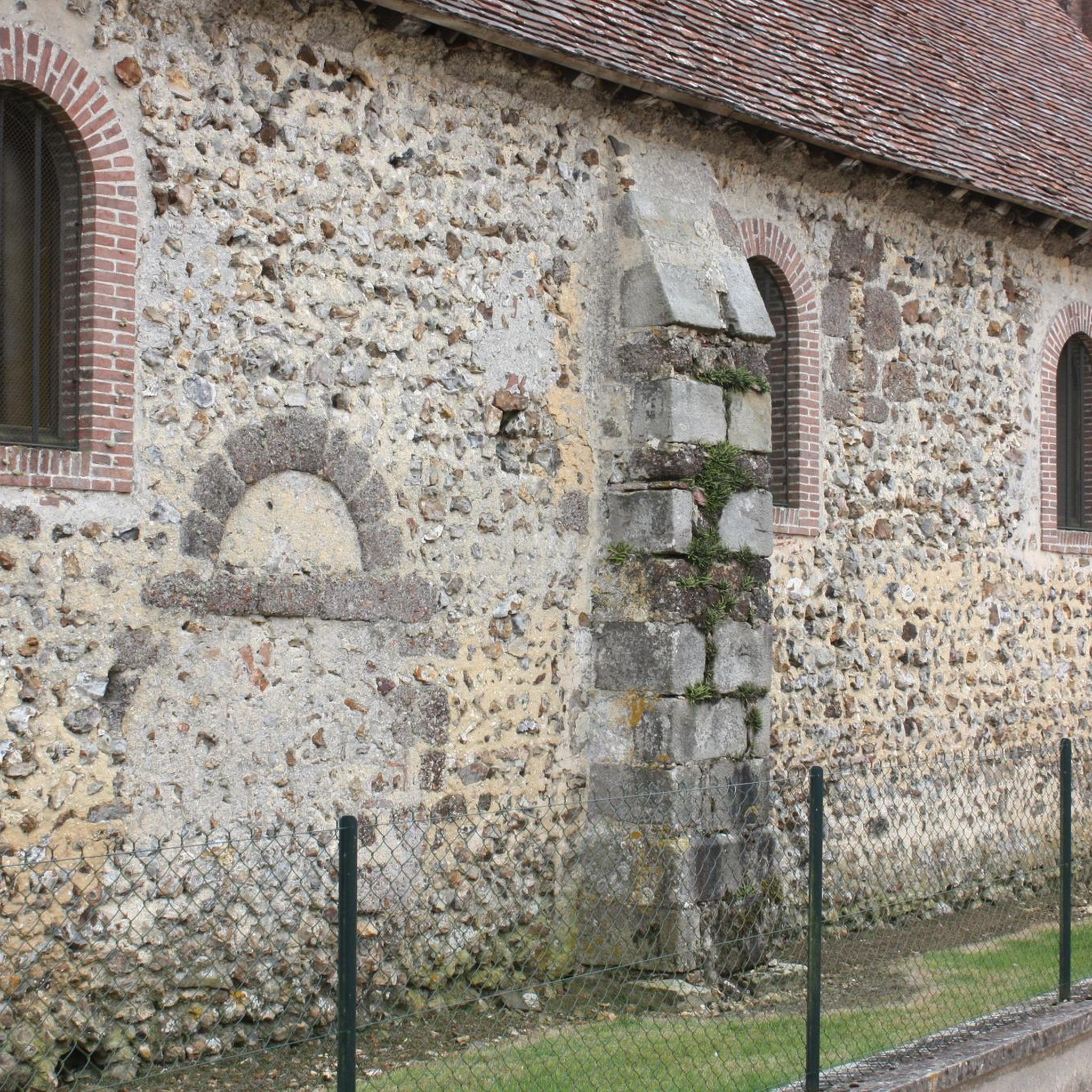
The church dedicated to Saint Christopher was under the patronage of the Abbey of Saint-Père de Chartres in the 12th century. Of Romanesque origin, the building was extensively enlarged and remodeled during the 16th and 19th centuries; it is currently undergoing a general restoration. This church owes its fame to the automobile pilgrimage held on the last Sunday in July. The single-aisled building, preceded by a porch, consists of a nave and a choir with a recessed flat chevet. To the south are the bell tower and a chapel. The use of traditional materials in this part of Normandy—flint and grison, a locally quarried ferruginous stone—indicates that the oldest parts of the building are of medieval origin. The nave is built of rubble masonry (grison and flint) set in mortar. In dressed stone, Grison was used to form, on one side, the corners of the exposed gable of the nave and, on the other, the corner buttresses, to frame the small arched openings, since walled up but still visible on the north and south walls, as well as the pointed arch of the portal. The same approach is found in the choir. The elevations are finished with a quarter-round cornice, part of which is also made of Grison stone. The use of brick corresponds to the 19th-century interventions, in two phases of work whose completion date is unknown. An examination of the construction reveals a first phase of repairs to the openings, particularly in the choir and nave, where large rectangular openings with curved lintels were created, the bricks of which are light in color. This was followed by further interventions with pointed arched openings framed in purplish brick, some of which replaced the rectangular openings of the previous phase. The porch features an ornate gable of light-colored, rendered brickwork, flanked by brick and chipped flint pilasters, and pierced by a central bay framed in brick and topped with a niche; the side sections are timber-framed on a masonry base. The southern flank of the building was added during the 16th century to a vast chapel and a bell tower, made of rubble blockwork, in which bays are pierced, framed in limestone, with curved profiles in the case of the bell tower. Restoration work has revealed several molded courses on the south face of the chapel, corresponding to a bay removed during later restorations, which confirm the dating of this part of the building. This chapel opens onto the nave through a large arcade adorned with several rows of moldings, resting on simple square piers devoid of decoration, with animal figures (reused?) at their bases, unearthed during the restoration work. The interior is remarkably simple, with whitewashed walls and geometric stained-glass windows. Only the choir is more ornate; its entrance is marked by a stone arch resting on hexagonal piers with historiated capitals, where a sculpted frieze of foliate ornaments, figures, and a coat of arms unfolds. The church has a painted faux-marble altarpiece, above which are visible traces of incomplete wall paintings depicting draperies. The rafter frame forming a truss was straightened and reinforced by restoring the removed or weakened kingposts and tie beams. According to tradition, the carpenters left the mark of their work by sculpting a scalloped ... The bell tower's belfry has also undergone a complete restoration. For this restoration, designed to strengthen the church and enhance its architecture, the Sauvegarde de l'Art Français (French Art Protection Agency) granted €10,000 in 2005.
0
0

A beautiful place for a hoppy break! Beautiful trails lead to the brewery.
0
0

Église Saint Madeleine is a church where beautiful various statues of Saints, famous and less famous. The reason for so many different statues is that the school of sculpture was established here.
0
0

Embedded in a beautiful pond, the ruins of Gannes castle offer absolutely delightful views.
1
0
The castle of La Ferté-Vidame impresses with its ruins, the only remains of its destruction during the French Revolution. Its park is also pleasant to visit.
2
0

Château des Bois Francs, in Normandy, is a 19th century castle surrounded by 310 hectares of forest and 15 hectares of lakes. You can admire the architecture of the castle, the French gardens and the wildlife that inhabits the region. Château des Bois Francs is an ideal place to relax and discover the beauty of the Normandy countryside.
2
0
This greenway is a former railway line that has been converted into an asphalt path for cyclists, roller skaters and walkers. It extends for approximately 9 km from Verneuil-sur-Avre to the Center Parc des Bois-Francs, a leisure resort with a lake and spa. Along the route, you can admire views of fields, forests and villages, and learn about the history and culture of the region thanks to the information panels.
2
0
Frequently Asked Questions
How many mountain bike trails are available in La Chapelle-Fortin?
There are 13 mountain bike trails around La Chapelle-Fortin listed on komoot. These routes offer a variety of experiences, from easy rides to more challenging routes through the region's diverse landscapes.
What kind of terrain can I expect on mountain bike trails around La Chapelle-Fortin?
The terrain around La Chapelle-Fortin is characterized by its peaceful countryside, featuring a mix of well-preserved oak and beech forests, valleys, and numerous ponds. You'll encounter undulating paths, forest trails, and sunken lanes, providing varied cycling experiences. Some areas may also feature bogs or sections around ponds, adding to the natural diversity.
Are there mountain bike trails suitable for beginners or families in La Chapelle-Fortin?
Yes, La Chapelle-Fortin offers several easy mountain bike trails perfect for beginners or family outings. For instance, the Bois Francs Castle loop from Les Barils is an easy 19.7 km path that provides a gentle ride through scenic forest landscapes. Another accessible option is the Bois Francs Greenway loop from Les Barils, which is 14.9 km long.
Are there challenging mountain bike routes for experienced riders in La Chapelle-Fortin?
Yes, for more experienced riders seeking a challenge, there are moderate trails with significant elevation gain. The Brasserie du Perche loop from Miserai is a 27.4 km trail with over 300 meters of elevation gain, leading through forests and offering a more demanding ride. Another moderate option is the Bois Francs Castle loop from Les Barils, covering 30.7 km.
When is the best time of year to go mountain biking in La Chapelle-Fortin?
The region's trails are generally enjoyable throughout the warmer months, from spring to autumn, when the forests are lush and the weather is mild. Spring and early autumn offer particularly pleasant conditions with comfortable temperatures and beautiful natural scenery. During winter, some trails might be muddy or less accessible due to weather conditions.
Are there mountain bike trails that are circular routes?
Yes, many of the mountain bike trails around La Chapelle-Fortin are designed as circular routes, allowing you to start and end at the same point. Examples include the Bois Francs Castle loop from Les Barils and the Brasserie du Perche loop from Miserai.
What can I see along the mountain bike trails or nearby La Chapelle-Fortin?
While mountain biking, you'll primarily experience the rich natural beauty of the Perche Natural Regional Park, with its forests, valleys, and ponds. For historical and scenic points of interest, you can explore attractions like the Bois Francs Castle, a 19th-century castle surrounded by extensive forests and lakes. The Ruins of the Château de La Ferté-Vidame, with its vast park, is also a notable historical site nearby.
Are dogs allowed on the mountain bike trails in La Chapelle-Fortin?
Generally, dogs are welcome on trails in natural regional parks like the Perche, especially if kept on a leash to protect local wildlife and ensure the safety of other trail users. It's always advisable to check specific local regulations or signage at trailheads, particularly within the Natura 2000 conservation area, to confirm any restrictions.
What do other mountain bikers enjoy most about mountain biking in La Chapelle-Fortin?
The mountain bike trails around La Chapelle-Fortin are highly rated by the komoot community, with an average score of 4.6 stars from 16 reviews. Riders often praise the diverse landscapes, including dense forests and undulating valleys, and the variety of routes suitable for different ability levels. The peaceful countryside and well-preserved natural features are frequently highlighted as key attractions.
Are there any facilities like cafés or accommodations near the mountain bike trails?
While specific facilities directly on the trails are limited, the broader region of La Chapelle-Fortin and surrounding villages offer various options for cafés, pubs, and accommodations. You'll find local establishments where you can refuel or stay overnight, especially in larger towns within the Perche Natural Regional Park. It's recommended to plan your route and check for services in nearby villages.
Is there parking available at the trailheads for mountain bikers?
Parking is generally available in or near the starting points of many trails, particularly in villages or designated recreational areas. For routes like those around Bois Francs Castle, you can typically find parking in Les Barils. It's advisable to check the specific route details on komoot for recommended parking locations before you set out.
Can I access the mountain bike trails using public transport?
Public transport options directly to the trailheads in La Chapelle-Fortin may be limited, as is common in rural areas of France. Access is generally easier by car. However, regional bus services might connect larger towns in the Perche Natural Regional Park, from which you could potentially cycle to the trails. Checking local transport schedules for the Eure-et-Loir department is recommended if you plan to use public transport.
Most popular routes around La Chapelle-Fortin
Most popular attractions around La Chapelle-Fortin

Get inspired with the komoot mobile app


Explore more
Browse the best MTB trails in other regions.
