Attractions and Places To See around Saint-Brisson - Top 20
Best attractions and places to see around Saint-Brisson are primarily located within the Morvan Regional Natural Park, a region characterized by its wild landscapes, extensive forests, and significant hydrological features. This area offers a blend of natural beauty and cultural sites, including historical monuments and museums. Saint-Brisson serves as a central point for exploring the park's diverse offerings. The region provides opportunities to engage with both its natural environment and its rich history.
Best attractions and places to see around…
Last updated: October 11, 2026
Lake of Settons
Highlight • Lake
Translated by Google •
Tip by

Couezon Franco-British Cemetery
Highlight • Other
Translated by Google •
Tip by

Sign up now to discover places like this
Get recommendations on the best single tracks, peaks, & plenty of other exciting outdoor places.
Morvan Regional Park Visitor Centre
Highlight • Other
Translated by Google •
Tip by

Chevresse Dolmen
Highlight • Other
Translated by Google •
Tip by

La Pierre-qui-Vire Abbey
Highlight • Other
Translated by Google •
Tip by

Sign up for free to discover even more attractions around Saint-Brisson.
Already have an account?
Start today with a free account
Your next adventure awaits.
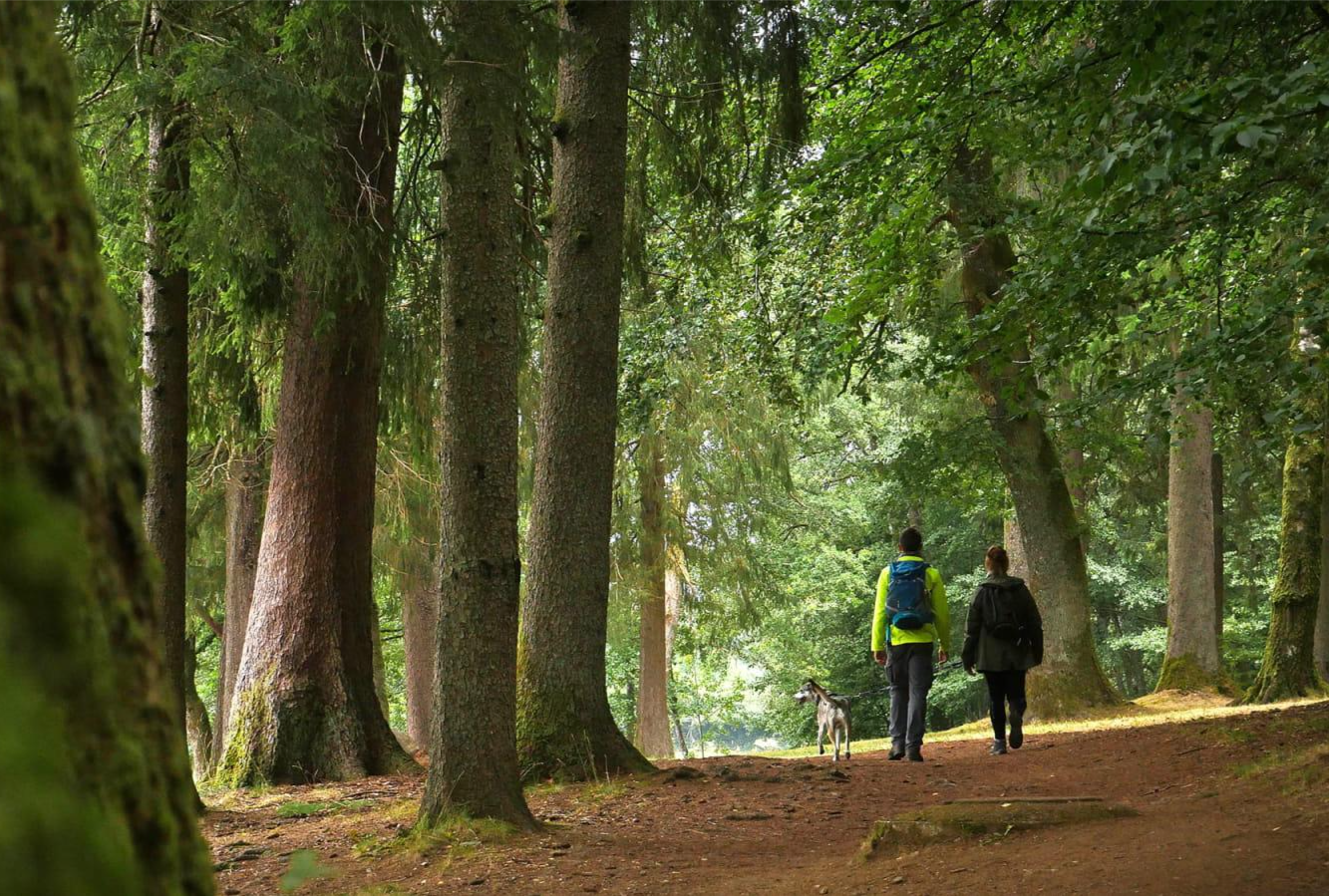
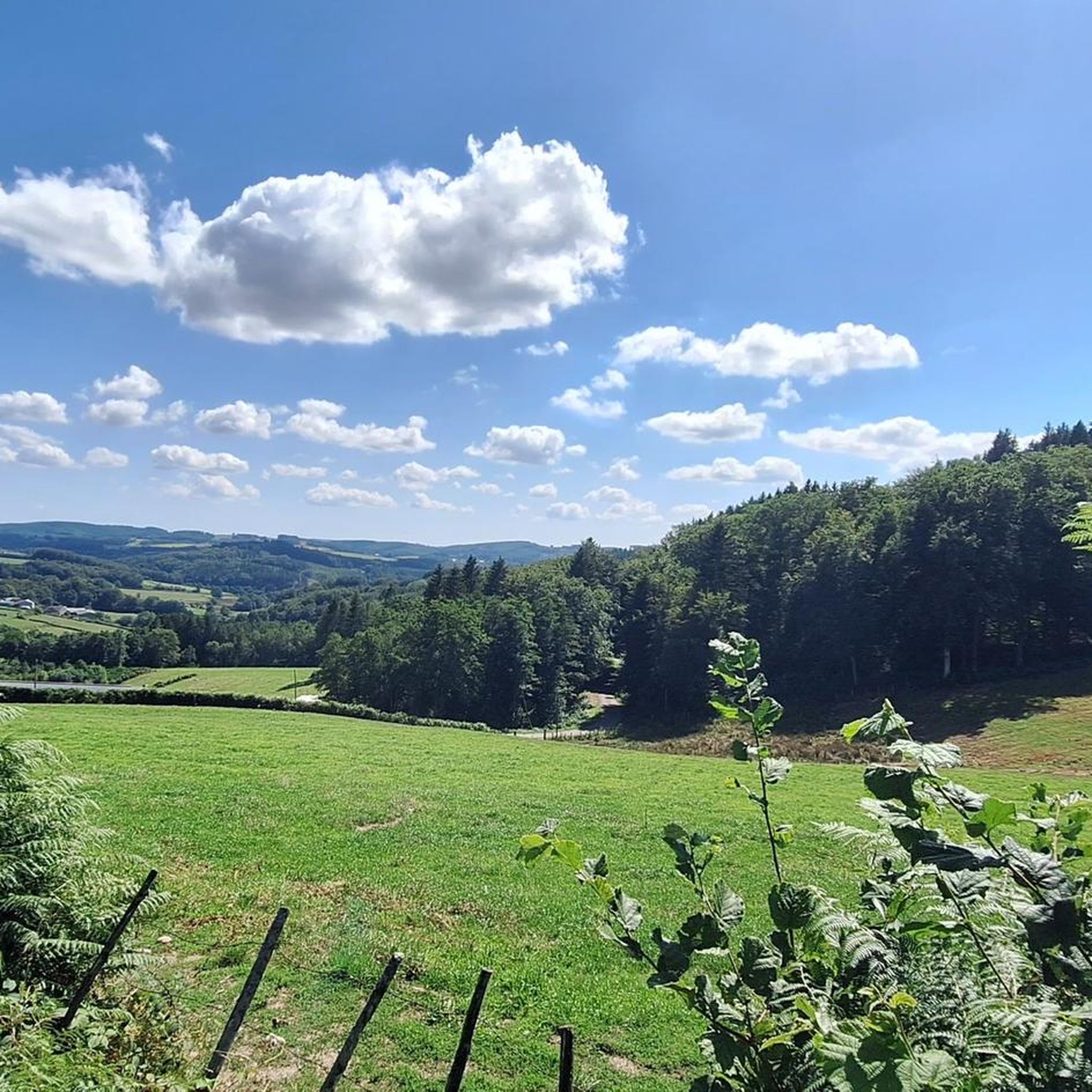
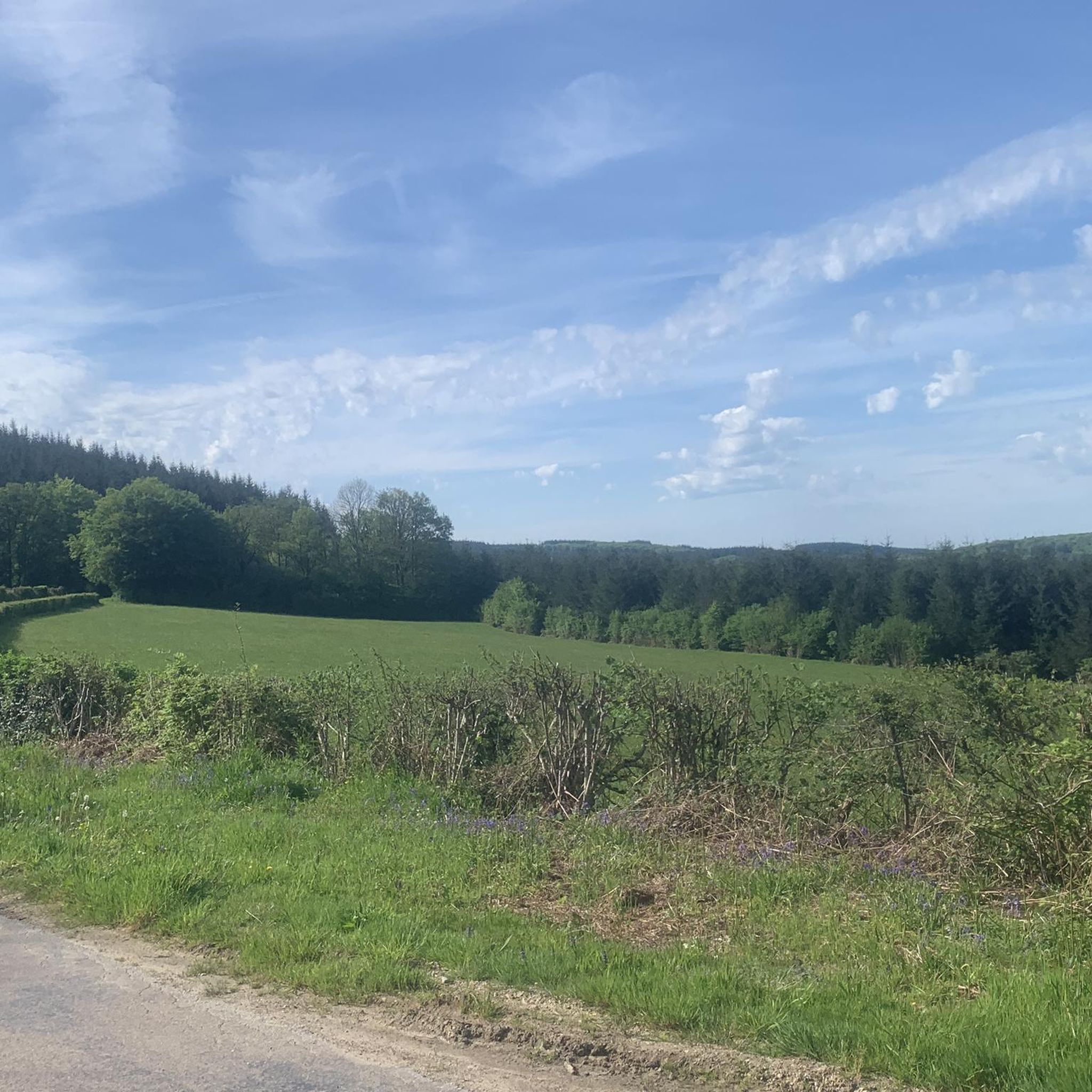
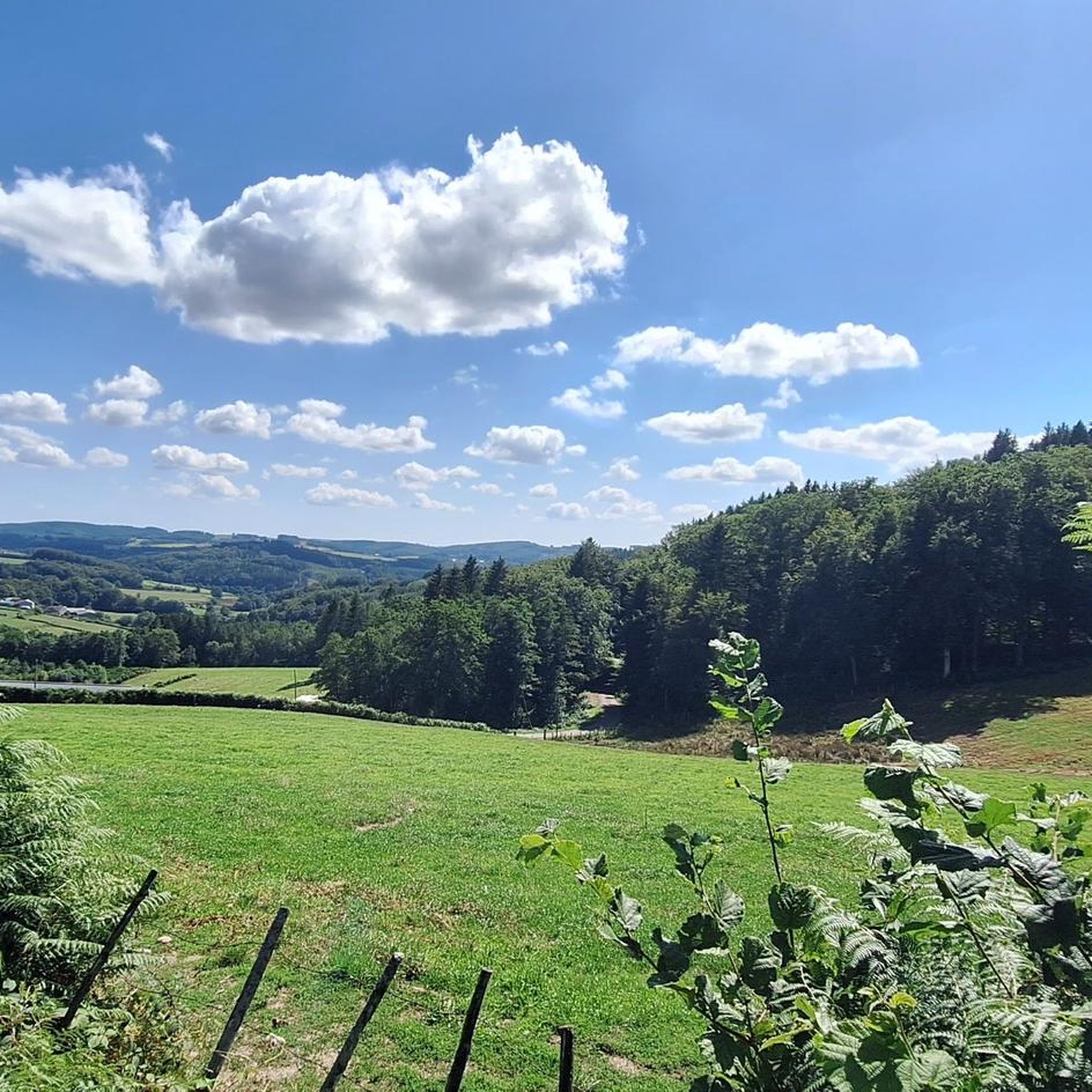
Other adventures around Saint-Brisson

Tips from the Community

The Franco-British cemetery of Couezon, sometimes called the "cathedral of greenery," lies in the heart of the forest. It holds the remains of those who fought against Nazism during the summer of 1944, a time when the Morvan region played a strategic role for the Resistance. In some areas, the maquis groups benefited from the support of the SAS, British special forces parachuted into the massif. The Bernard maquis group chose to bury here the men and women, French and foreign, who fell during these battles.
1
0
The Maison du Parc offers a preserved setting. Located near the Étang Taureau (Taureau Pond), it's a true playground for exploration for young and old alike. Discovery trails, a heritage orchard, a botanical garden... It's an ideal stop for discovering the treasures of the Morvan region. A bistro-tea room is also available for refreshments.
0
1

Located in the heart of the Morvan forest, the Abbey of La Pierre-qui-Vire was founded in the 19th century. It owes its name to an imposing granite block "in equilibrium," an emblem of the place. An almost suspended atmosphere reigns here.
0
0

This cemetery commemorates the men and women of the Morvan resistance movement. In the summer of 1944, the Morvan region became a strategic location in the liberation of the territory and was home to important sites for the organization of the French Resistance. These units were supported by British special forces parachuted into the Morvan region.
0
0

The Bernard maquis, stationed in this forest, established this military cemetery to bury the bodies of the combatants who died during the fighting for liberation. This cemetery, in the heart of the forest, is often called the "Cathedral of Greenery." It's a beautiful forest perfect for a stroll.
0
0

It's a must-see in Burgundy; its 366 hectares make it one of the six large lakes in the Morvan Regional Natural Park. Located in the heart of the Morvan National Park, at an altitude of 590 meters, Lac des Settons (or "chettons" in Morvan) is, like all the lakes in the Morvan region, an artificial lake. Built between 1850 and 1858, south of Montsauche-les-Settons, it facilitated the floating of timber from the Morvan forests to Paris.
0
0
The Maison du Parc in Saint-Brisson is a complex that includes the administrative center of the Morvan Regional Natural Park, a documentation center, two museums, various educational facilities, a bistro, and the Morvan Regional Natural Park Tourist Office. This site is immersed in resplendent nature and a relaxing setting. This group of buildings was built in an original style imported by an English architect. The structure of the house consists of a rectangular block with thick walls and small windows to protect it from the harsh and contrasting climate of the Morvan. In addition to the central block, this complex consists of two symmetrical buildings for storing grain and hay and housing animals. Finally, opposite the end of each wing, there is a chapel and a hunting lodge. The complex is completed by a sheepfold and the last farmer's house, which currently serves as the administrative center of the Park. An agricultural and landscaped park, created in 1858 by the Count of Choulot, completes this group of buildings. Taureau Pond, a fishing pond located below an English-style garden, was once a reservoir for floating logs on the Vignan River, a complementary economic activity for the Morvan people of the 19th century. https://www.parcdumorvan.org/le-parc/la-maison-du-parc/un-peu-dhistoire/
0
0
The Abbey of Sainte-Marie-de-la-Pierre-qui-Vire is a Benedictine abbey founded in 1850 by Reverend Father Jean-Baptiste Muard. The community is located in the heart of nature, in a wild, wooded setting, on the banks of the Trinquelin, a small stream that flows between granite rocks. https://fr.wikipedia.org/wiki/Abbaye_Sainte-Marie_de_la_Pierre-qui-Vire
0
0
Frequently Asked Questions
What natural attractions can I explore in Saint-Brisson?
Saint-Brisson is nestled within the Morvan Regional Natural Park, offering a wealth of natural beauty. You can visit the expansive Settons Lake Dam, a historic pyramid-shaped dam, or explore the Chevresse Dolmen, a unique natural granite formation. The region also features the vast Forest of Saint-Brisson, Lac de Saint-Agnan for water activities, and the Belvédère du Morvan for panoramic views.
What historical and cultural sites are there in Saint-Brisson?
Saint-Brisson offers several significant historical and cultural sites. The Couezon Franco-British Cemetery is a poignant memorial to those who fought in World War II. You can also visit the Morvan Regional Park Visitor Centre, which houses the Musée de la Résistance en Morvan and the Maison des Hommes et des Paysages, detailing the region's history and culture. The local church, dating from the 17th to 19th centuries, features beautiful 18th-century woodwork.
Are there family-friendly activities or places to visit in Saint-Brisson?
Yes, Saint-Brisson is great for families. The Morvan Regional Park Visitor Centre offers discovery trails, a heritage orchard, a botanical garden, and a sensory path, making it an engaging stop for all ages. Lac de Saint-Agnan is another popular spot with a supervised beach and the Activital leisure base, perfect for swimming, canoeing, and paddleboarding.
What outdoor activities can I do near Saint-Brisson?
The Morvan Regional Natural Park surrounding Saint-Brisson is ideal for outdoor enthusiasts. You can enjoy hiking on trails like the 'Chevresse Dolmen Loop' or 'The house of the Morvan park and the Taureau pond' (find more at Hiking around Saint-Brisson). Road cycling is popular, with routes around Lac des Settons and Lac Saint-Agnan (explore more at Road Cycling Routes around Saint-Brisson). There are also running trails, such as the 'Lac de Saint-Agnan loop' (see more at Running Trails around Saint-Brisson).
What is the Morvan Regional Park Visitor Centre and what does it offer?
The Morvan Regional Park Visitor Centre serves as the heart of the Morvan Regional Natural Park. It's a comprehensive resource center featuring an arboretum, a nature trail, a botanical garden, and a conservatory orchard. The site also includes a castle housing the park's ecomuseum, the Maison des Hommes et des Paysages, and the Musée de la Résistance en Morvan, offering insights into the region's natural and human history.
Is there a difference between Saint-Brisson and Saint-Brisson-sur-Loire?
Yes, there are two distinct locations. This guide focuses on Saint-Brisson within the Morvan Regional Natural Park in the Nièvre department. There is also a Saint-Brisson-sur-Loire, located by the Loire River, which is known for its medieval Château de Saint-Brisson-sur-Loire. The attractions mentioned in this guide are specific to Saint-Brisson in the Morvan.
What is the significance of the Settons Lake Dam?
The Settons Lake Dam is a remarkable man-made structure completed in 1858. Unlike many dams, it was built in a pyramid shape, with its weight restraining the water pressure. It was considered one of the most formidable dams of its time and originally facilitated the transport of logs to Paris. Today, it's a popular tourist spot, often included in cycling routes around the lake.
Can I visit a religious site near Saint-Brisson?
Yes, the La Pierre-qui-Vire Abbey is a notable religious site located in the heart of the Morvan forest, founded in 1850. Known for its modern architecture and the community of monks who reside there, the abbey also produces excellent cheeses. Its name comes from a unique natural feature: a large granite block that once moved with simple pressure.
What do visitors enjoy most about the Morvan Regional Park Visitor Centre?
Visitors particularly enjoy the preserved setting of the Morvan Regional Park Visitor Centre, describing it as a 'playground for exploration for young and old alike.' Many appreciate the bistro-tea room for refreshments and the opportunity to learn about the Resistance at the museum. The discovery trails, heritage orchard, and botanical garden are also highly praised for offering an ideal way to explore the Morvan's treasures.
Where can I find panoramic views in the Saint-Brisson area?
For breathtaking panoramic views, the Belvédère du Morvan is an ideal spot for contemplative breaks. Additionally, the areas around Lac de Saint-Agnan and the Morvan Regional Natural Park offer numerous vantage points to appreciate the wild and rolling landscapes of the region.
Are there any unique natural phenomena to see, like the Chevresse Dolmen?
Yes, the Chevresse Dolmen, located in the national forest of Breuil Chenue, is a fascinating natural granite chaos. While not a true dolmen built by humans, it's a remarkable formation shaped by erosion, inspiring local legends. It's a great spot for a break during a forest walk.
What is the Musée de la Résistance en Morvan?
The Musée de la Résistance en Morvan, located within the Morvan Regional Park Visitor Centre, offers a poignant insight into the role of the Resistance in the Morvan region during World War II. Renovated in 2023, it features a collection of objects, archival documents, photographs, and weapons across three rooms, covering the Occupation, Resistance, Liberation, and Remembrance. You can find more information at burgundy-tourism.com.
Most popular routes around Saint-Brisson
Most popular attractions around Saint-Brisson

Get inspired with the komoot mobile app


Explore more
Still not found the Highlight you’re looking for? See guides of the top attractions in other regions:
