Attractions and Places To See around Brousses-Et-Villaret - Top 20
Best attractions and places to see around Brousses-Et-Villaret, nestled in the Montagne Noire region of France, offer a blend of historical charm, cultural insights, and natural beauty. This area provides opportunities to explore local landmarks and engage in various outdoor activities. Visitors can discover significant sites within the village and its immediate surroundings. The region is characterized by its natural landscapes and historical points of interest.
Best attractions and places to see around Brousses-Et-Villaret
- The most popular attractions is Cubserviès…
Last updated: July 7, 2026
Canal Towpath
Highlight (Segment) • Trail
Translated by Google •
Tip by

Cubserviès Waterfall
Highlight • Waterfall
Translated by Google •
Tip by

Sign up now to discover places like this
Get recommendations on the best single tracks, peaks, & plenty of other exciting outdoor places.
Sign up for free
Lac des Cammazes
Highlight • Lake
Translated by Google •
Tip by

Alzeau Water Intake
Highlight • Monument
Translated by Google •
Tip by

Mas-Cabardès Village
Highlight • Settlement
Tip by

Sign up for free to discover even more attractions around Brousses-Et-Villaret.
Sign up for free
Already have an account?
Start today with a free account
Your next adventure awaits.
Login or Signup
Tips from the Community

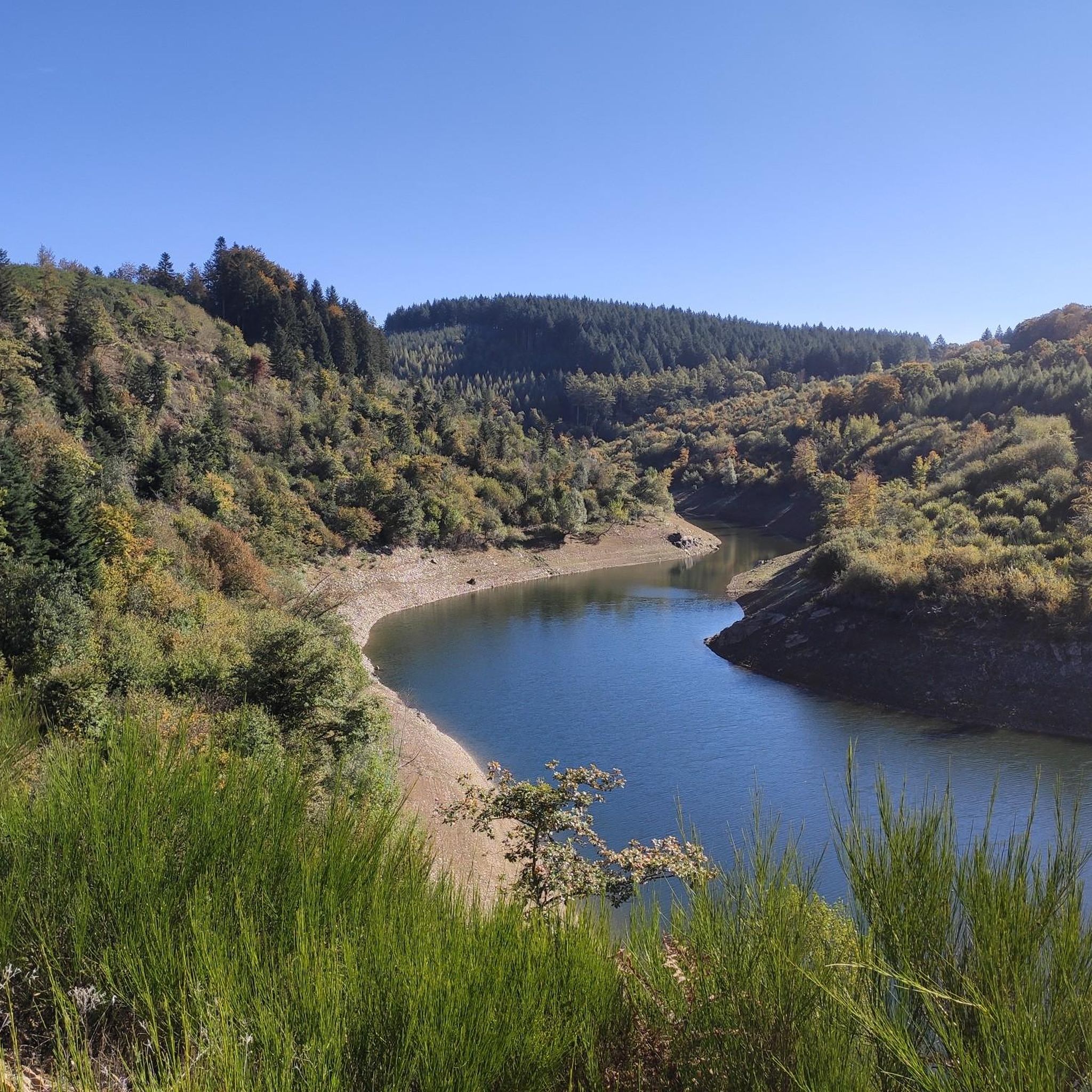
The Alzeau dam (or d'Alzau[1]), located in the commune of Arfons, in the Tarn[2], is the starting point of the rigole de la Montagne, which then feeds the Canal du Midi. It is located on the border with the Aude department, and is accessible via the commune of Lacombe. (Wikipedia)
0
0
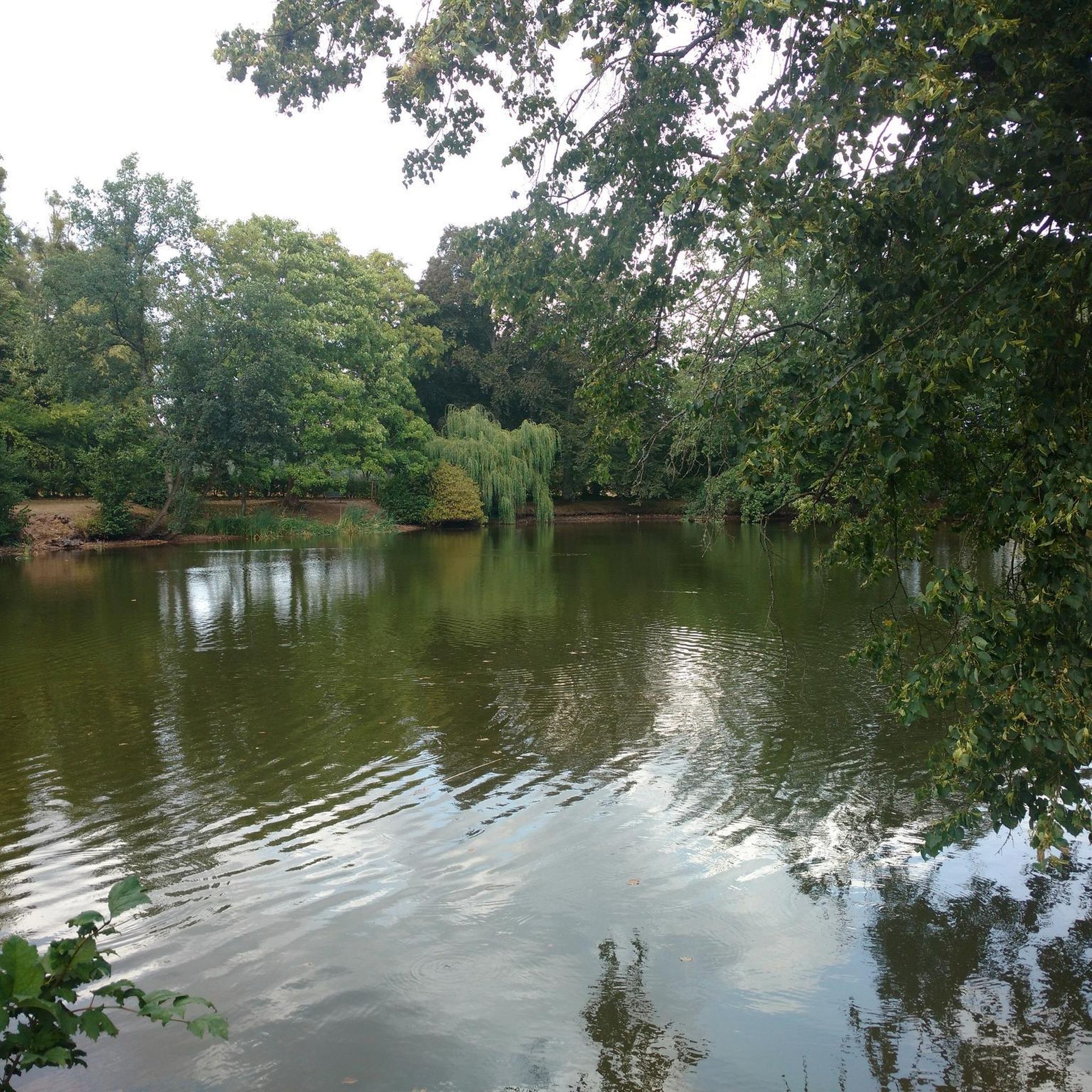
The Cammazes Dam is located in the Montagne Noire massif in the Tarn department. It provides a drinking water reserve for the municipalities around Revel. Built between 1954 and 1957 and commissioned in 1958, the Cammazes Dam is located on the Sor River, between the municipalities of Cammazes and Sorèze in the Tarn department, and the municipality of Saissac in the Aude department. It forms Lake Cammazes, which also receives excess water from the mountain channel via the Conquet spillway. The structure is intended for drinking water supply and irrigation. It supplies 200 municipalities, representing over 170,000 inhabitants. The surface area of the body of water is approximately 90 hectares. Its reservoir volume is 18.8 million cubic meters; the watershed area is 30 km². The operator is the Montagne Noire Water Institution. The water is piped to the Picotalen treatment plant. It also serves as a reserve for the Canal du Midi via a water intake feeding the mountain channel (water rights of 4 million cubic meters) (Wikipedia)
0
0


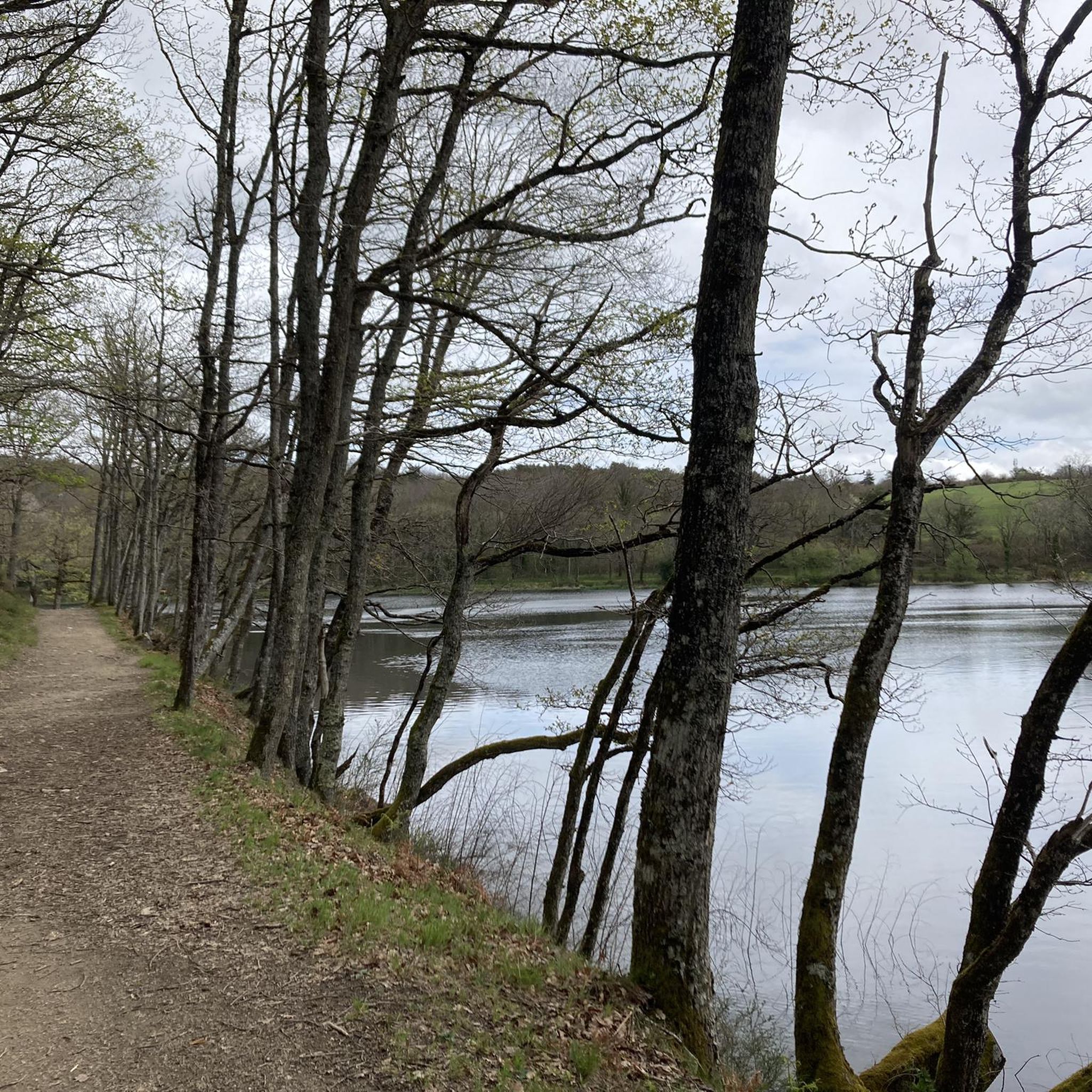
A "chemin de halage", in German "treidelpfad", which runs alongside the waterway right next to the bed of the river or canal, was an indispensable part of the transport infrastructure in earlier times. Before ships could move using motor power, horses ran along the bank and pulled the ship against the current. This was called "treideln", and this is how the "treidelpfads" got their name, which has been passed down to this day. Where these paths directly on the bank have been preserved, they are often used by hikers and cyclists.
0
0

At 90 meters high, it is the highest waterfall in the Aude department. For a bird's eye view of the fall, you have to go to the hamlet of Cubserviès. There is no access to the foot of the waterfall.
0
0

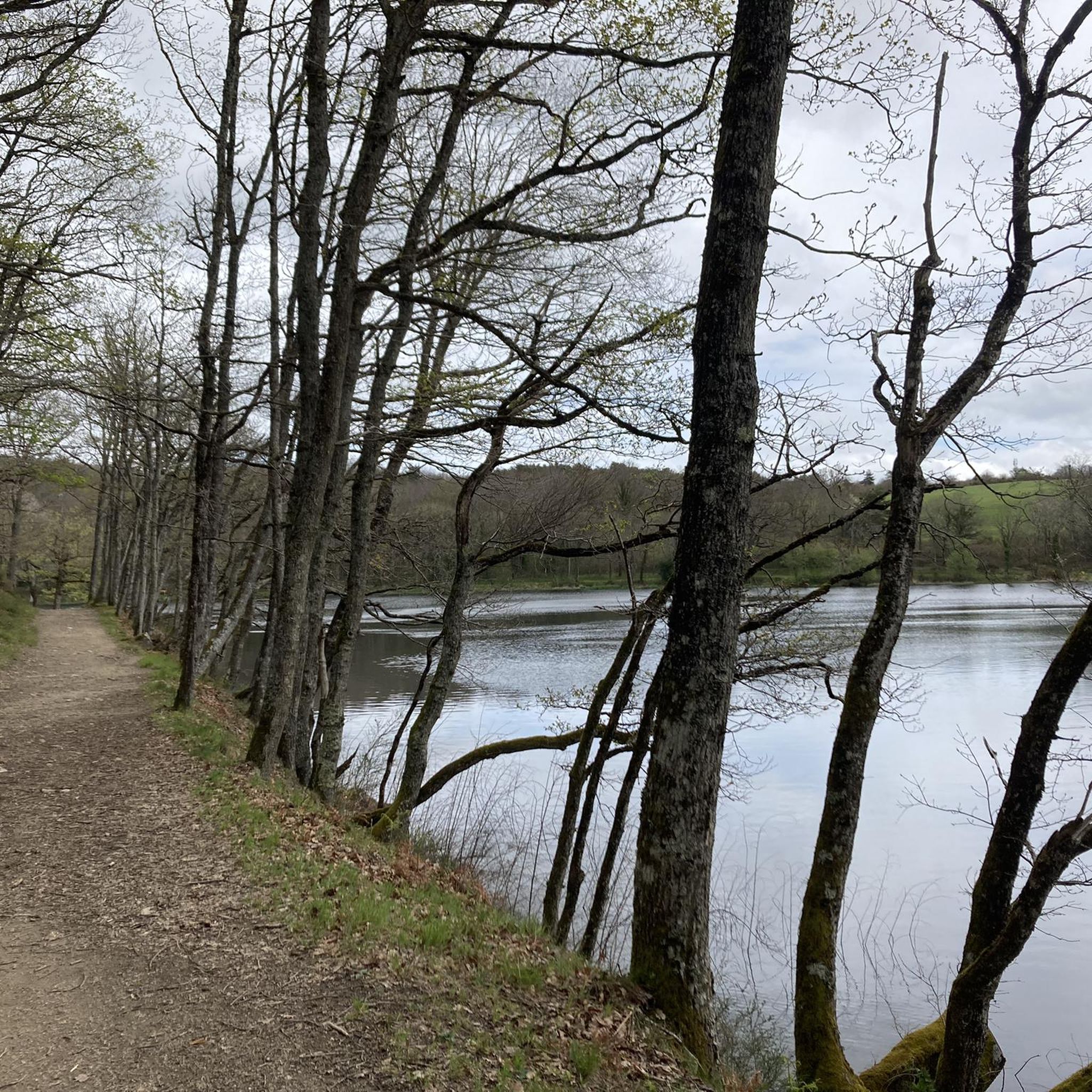
Listen to the silence around the channel.
1
0

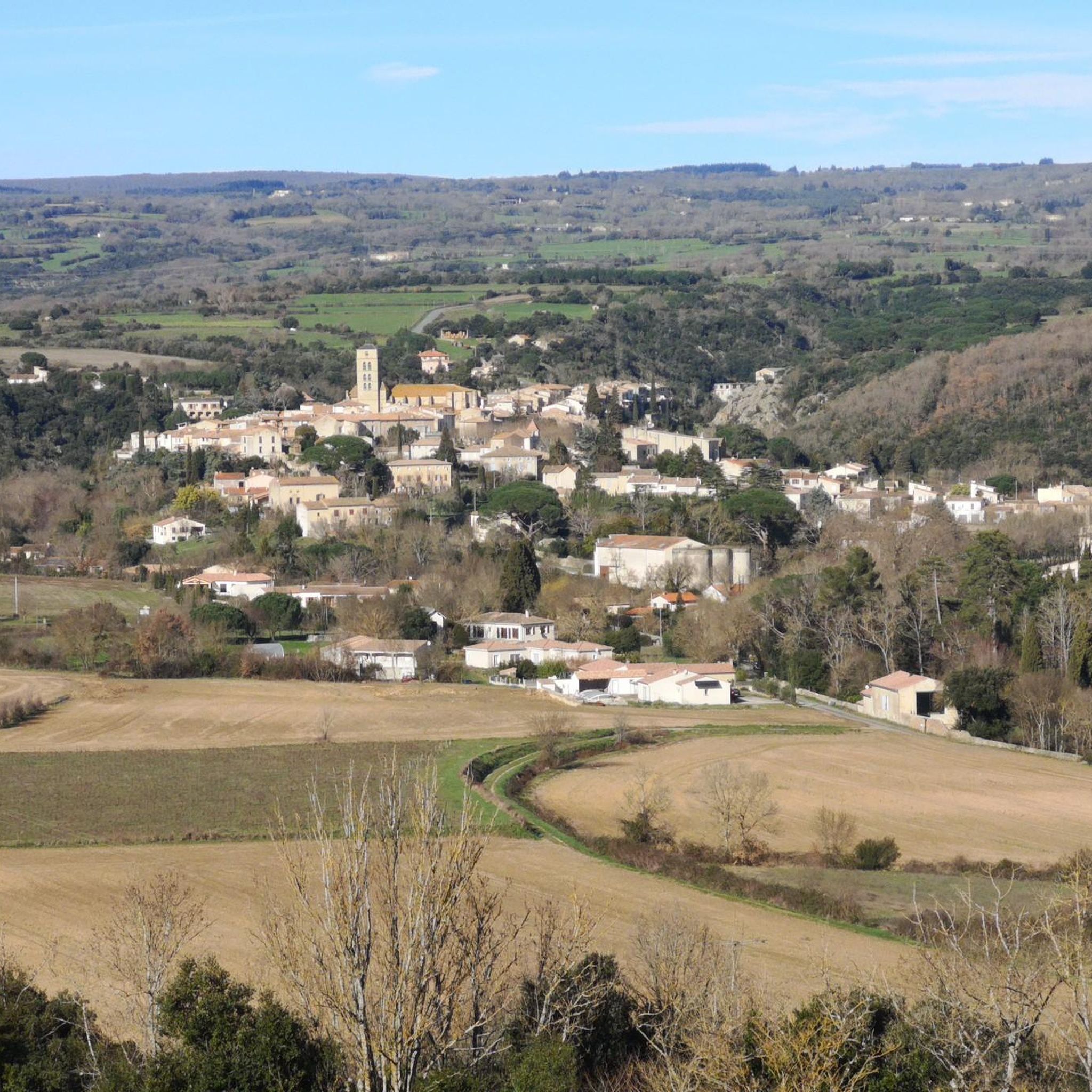
Built lengthwise in the hollow of the valley formed by the Orbiel, this Cathar village is not lacking in charm. Dominated by the remains of a medieval castle that played a strategic role during the wars of religion, you can discover in the town, in addition to the Church, various old corbelled and half-timbered houses testifying to past prosperity. Similarly, the so-called Weavers' Cross evokes a textile activity that has now disappeared, just like the agricultural exploitation which is no longer practiced in the town because of the steepness of the land. After having counted up to 900 inhabitants around 1860, the village only has 177 at the last census.
0
0
Frequently Asked Questions
What historical sites can I explore in and around Brousses-Et-Villaret?
Brousses-Et-Villaret is rich in history. Within the village, you can visit the 18th-century Paper Mill (Moulin à Papier), which is now a museum, the 13th-century Église Sainte-Marie de Brousses, and the accessible Église Saint-Etienne du Villaret. Nearby, don't miss the impressive medieval fortress of Mas-Cabardès Village, the historic Châteaux de Lastours (four ruined Cathar castles), and the 10th-century Château de Saissac.
Are there any natural wonders or scenic viewpoints to visit near Brousses-Et-Villaret?
Absolutely. The region is part of the Montagne Noire, offering breathtaking views. A must-see is the Cubserviès Waterfall, the highest waterfall in the Aude department, with a belvedere in the hamlet of Cubserviès for viewing its 45-meter drop. You can also explore the significant natural wonder of Gouffre de Cabrespine (Giant Abyss) and the impressive Grotte de Limousis cave system.
What outdoor activities, such as hiking or cycling, are available around Brousses-Et-Villaret?
The area offers numerous opportunities for outdoor activities. You can enjoy hiking on several marked trails crisscrossing the Montagne Noire, exploring local flora, fauna, and unique granite rock formations. For cycling or walking, the Lac des Cammazes is ideal for a tour around its perimeter. The Rigole de la Montagne and Alzeau Water Intake, part of the Canal du Midi's water supply, also provide shaded paths for walking. For more specific routes, check out the MTB Trails around Brousses-Et-Villaret or Running Trails around Brousses-Et-Villaret guides.
Are there any family-friendly attractions or activities in the area?
Yes, families can enjoy several attractions. The Paper Mill (Moulin à Papier) offers guided tours that can be engaging for all ages, providing insight into the region's industrial past. Exploring the natural beauty of the Lac des Cammazes or the Mare du Villaret offers tranquil settings for leisurely strolls or picnics. The Alzeau Water Intake, with its historical significance to the Canal du Midi, is also considered family-friendly.
What is the best time of year to visit Brousses-Et-Villaret for outdoor activities?
The Montagne Noire region, including Brousses-Et-Villaret, is generally pleasant for outdoor activities from spring through autumn. Spring offers lush greenery and comfortable temperatures, while summer provides warm weather ideal for lake activities and shaded hikes. Autumn brings beautiful foliage and cooler temperatures perfect for longer walks. In summer, the forest cover around the Cubserviès Waterfall provides appreciated shade and coolness for hikers.
Where can I find local markets or unique shopping experiences?
For a local experience, a market organized by the Association SAFARI takes place on Tuesdays in Brousses-et-Villaret, offering fresh local products. Additionally, the nearby village of Montolieu - Village du Livre (Book Village), about 5 km away, is renowned for its book-related activities and unique shops, making it a great destination for those seeking cultural and literary finds.
Are there any lakes suitable for swimming or other water-based activities?
Yes, the Montagne Noire region features several lakes. The Lac des Cammazes is suitable for cycling or walking around its perimeter, and while not explicitly stated for swimming, it's a popular spot for water-based recreation. The Bassin du Lampy and Lac de Laprade-Basse are also mentioned as ideal for swimming and leisurely strolls.
What are some unique cultural insights or local traditions in Brousses-Et-Villaret?
Brousses-Et-Villaret offers a glimpse into local traditions through its historical sites. The Paper Mill (Moulin à Papier) showcases the area's industrial heritage. The Lavoir de Brousses, a 19th-century wash house, has been redeveloped into a communal space, reflecting local community life. The presence of numerous Calvaires (crucifixes) and the historic Fontaine de Brousses also highlight the village's cultural and religious past.
What do visitors particularly enjoy about the attractions around Brousses-Et-Villaret?
Visitors appreciate the blend of historical charm and natural beauty. The Cubserviès Waterfall is highly regarded for its impressive height and scenic views. The Alzeau Water Intake is noted as a magnificent site and a fascinating historical engineering marvel. The Lac des Cammazes is praised for its tranquil setting, perfect for cycling or walking. Many also enjoy the picturesque and atypical villages like Mas-Cabardès Village.
Are there any specific hiking trails or routes recommended for different difficulty levels?
The Montagne Noire region offers various hiking trails. While specific difficulty levels for individual trails aren't detailed in the general information, the area is known for its diverse terrain. For those interested in more structured routes, komoot offers guides such as MTB Trails around Brousses-Et-Villaret and Running Trails around Brousses-Et-Villaret, which include routes with varying difficulty grades from moderate to difficult. The Canal Towpath is a pleasant, green unpaved path, though it can be muddy after rain.
Where can I find places to eat or drink in Brousses-Et-Villaret?
For a local dining experience, the Bar/restaurant Le Lauthier in Brousses-et-Villaret is known for its regional wines and regular entertainment. This is a great spot to enjoy local flavors and soak in the village atmosphere.
What is the Cité de Carcassonne and how far is it from Brousses-Et-Villaret?
The Cité de Carcassonne is an extensive and exceptionally well-preserved medieval fortress-town, recognized as a UNESCO World Heritage site. It is highly recommended for its historical significance and impressive architecture. It is located approximately 17 km from Brousses-Et-Villaret, making it an easy day trip.
Most popular routes around Brousses-Et-Villaret
Most popular attractions around Brousses-Et-Villaret

Get inspired with the komoot mobile app


Explore more
Still not found the Highlight you’re looking for? See guides of the top attractions in other regions:
