The best road cycling routes around Villanière
4.3
(56)
919
riders
60
rides
Road cycling routes around Villanière traverse a landscape characterized by varied terrain, including significant elevation changes and forested areas. The region features a mix of challenging climbs towards peaks like Pic de Nore and more moderate routes through valleys and past historical sites. Road cyclists can expect to encounter a blend of open roads and winding paths that connect small villages and natural landmarks.
Best road cycling routes around Villanière
- The most popular road cycling route is Mazamet Footbridge –…
Last updated: July 5, 2026
4.3
(3)
40
riders
51.7km
02:54
1,140m
1,140m
Hard road ride. Very good fitness required. Mostly well-paved surfaces and easy to ride.
3.7
(6)
35
riders
60.7km
03:28
1,420m
1,420m
Hard road ride. Very good fitness required. Mostly well-paved surfaces and easy to ride.

Sign up for free
3.0
(1)
27
riders
65.8km
03:41
1,380m
1,390m
Hard road ride. Very good fitness required. Mostly well-paved surfaces and easy to ride.
15
riders
64.1km
02:51
550m
550m
Moderate road ride. Good fitness required. Mostly well-paved surfaces and easy to ride.
16
riders
44.1km
02:04
570m
570m
Moderate road ride. Good fitness required. Some segments of this route may be unpaved and difficult to ride.
Get access to more routes and recommendations from other explorers.
Sign up for free
Already have an account?
Our route recommendations are based on thousands of hikes, rides, and runs completed by other people on komoot.
Start today with a free account
Your next adventure awaits.
Login or Signup
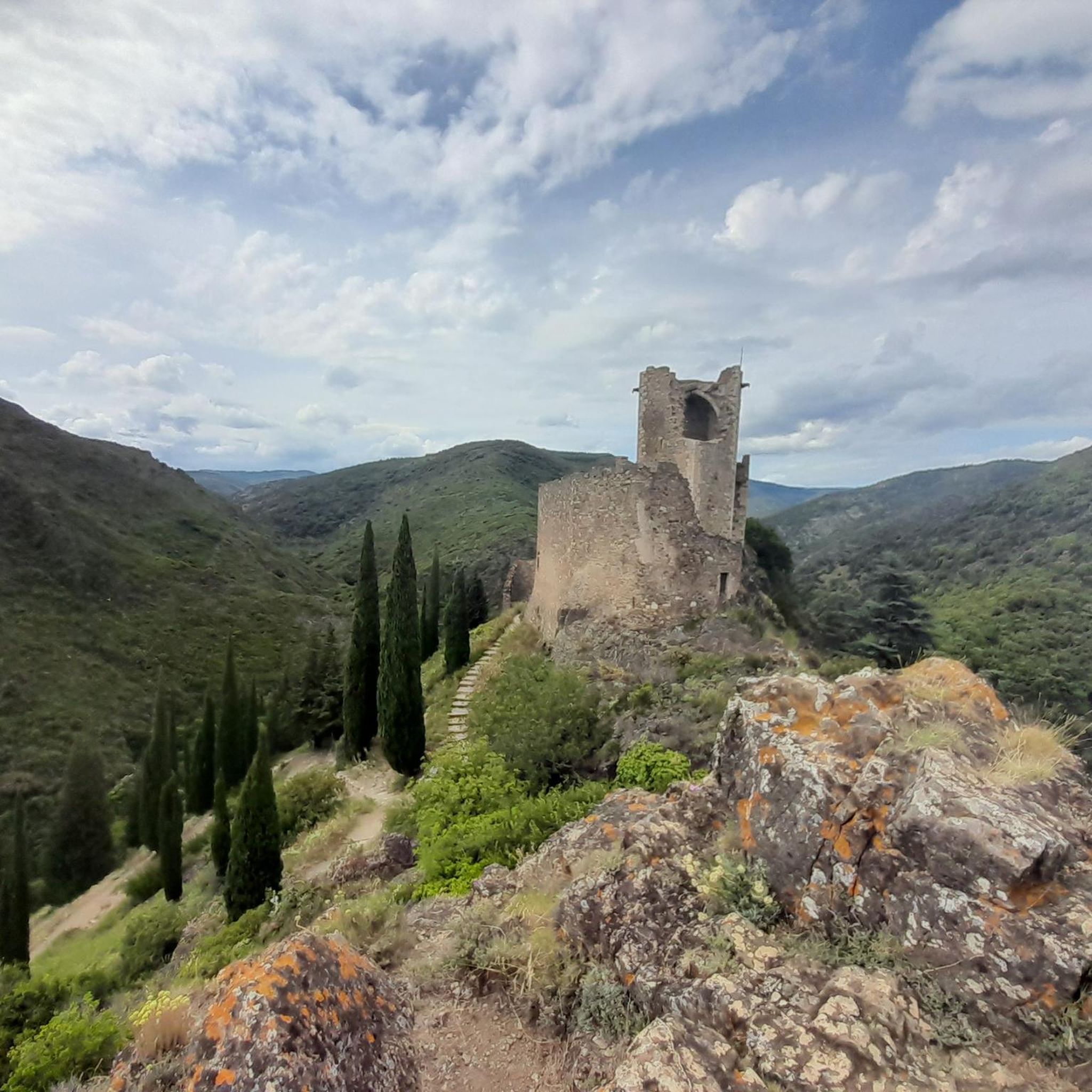
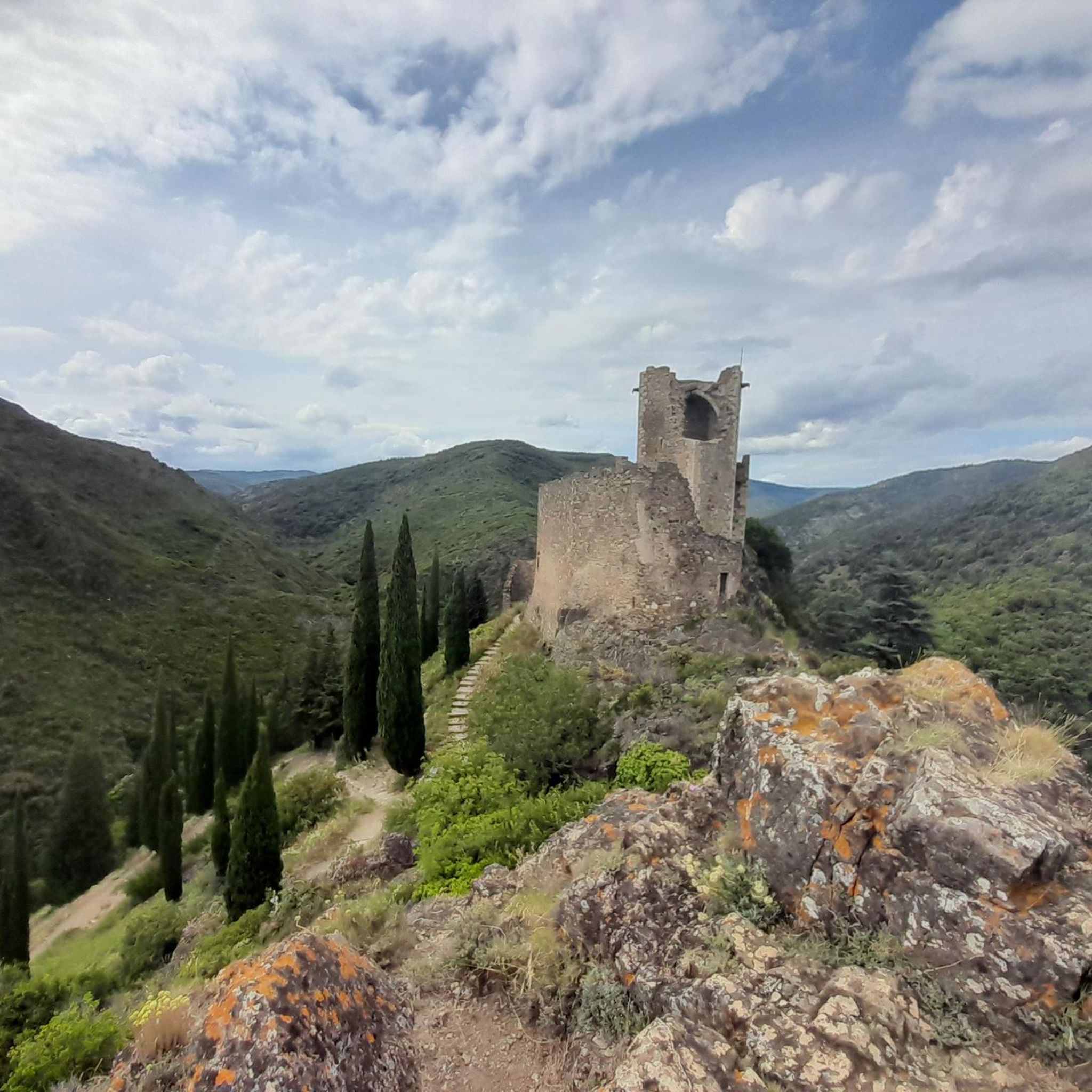
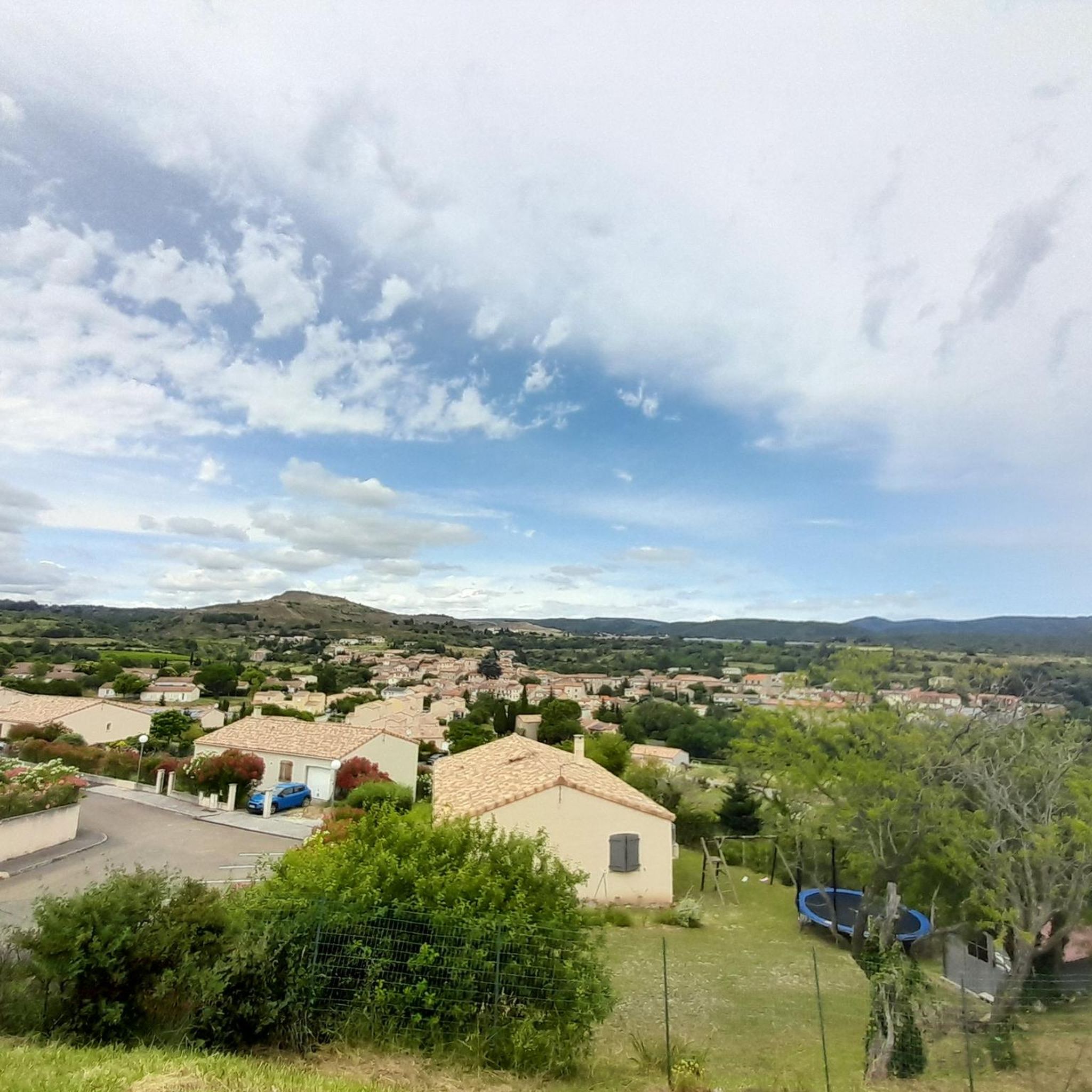

Tips from the Community

"Carcassonne, located in southern France between Montpellier and Toulouse, was founded in the 6th century BC by Iberian Celts. The Romans transformed the hill into a fort by building a defensive wall. In the 5th century, the Visigoths conquered the city, followed by the Arabs in the 8th century, who were expelled by Pepin the Short in 759. In the 12th century, Count Trencavel built a castle on top of the Roman city wall at the highest point of the hill. Carcassonne became a central element in the defense system on France's border with Aragon. In the mid-13th century, the dilapidated wall was protected by a second, outer city wall." This is how the website for the television series "Treasures of the World – Heritage of Humanity" describes the city, which is a UNESCO World Heritage Site. ... The 15-minute film is available – but only in German – in the ARD media library at the following link => https://www.ardmediathek.de/video/schaetze-der-welt/carcassonne-frankreich-folge-125/swr/Y3JpZDovL3N3ci5kZS83MTc1NzUw
0
0

One of the must-sees of the Black Mountain with the Nore (by the Yes)
0
0

Hilly road with some climbs at 9-10%
0
0

Very beautiful pass, not very difficult but very shaded for the great summer heat.
1
0

The last 2.5 km offer beautiful elevation changes exceeding 10%. Passage of the 2025 Tour de France
0
0

Picnic tables and views of the vineyards for a little gourmet break!
0
0

Tough, hard pass that hurts the legs.
0
0
Save your energy for the last 5km, be careful when it's windy.
0
0
Frequently Asked Questions
How many road cycling routes are available around Villanière?
There are over 60 road cycling routes available around Villanière, offering a diverse range of experiences for cyclists of all levels.
Are there easy road cycling routes for beginners in Villanière?
Yes, Villanière offers 7 easy road cycling routes suitable for beginners. These routes typically feature less elevation gain and shorter distances, providing a gentle introduction to the region's beautiful landscapes.
What kind of challenging road cycling routes can I find in Villanière?
For experienced cyclists seeking a challenge, Villanière features 19 difficult road cycling routes. These often include significant climbs towards peaks like Pic de Nore, offering substantial elevation gain and rewarding views. An example is the Pic de Nore – La Tourette Cabardes loop from Cuxac-Cabardès, which covers 37.7 miles with over 1400 meters of ascent.
Are there any moderate road cycling options in the Villanière area?
Absolutely. The majority of routes around Villanière, 42 in total, are classified as moderate. These routes provide a balanced ride through varied terrain, connecting villages and natural landmarks without being overly strenuous. A popular moderate option is the Lastours > Lastours – La Tourette Cabardes loop from Cuxac-Cabardès.
What are some scenic viewpoints or attractions along the road cycling routes?
Many routes offer scenic views and pass by interesting attractions. You might cycle past historical sites like Roquefère Castle, or natural wonders such as the Cubserviès Waterfall. The region also features several beautiful lakes, including Lac de Birotos and Laprade Lake Boardwalk, which can be incorporated into your rides.
Are there road cycling routes that are loops around Villanière?
Yes, many of the road cycling routes in the Villanière area are designed as loops, allowing you to start and finish at the same point. For instance, the Mazamet Footbridge – Roquefère Castle loop from Mas-Cabardès is a well-known circular route.
What do other road cyclists enjoy most about cycling in Villanière?
The road cycling routes in Villanière are highly rated by the komoot community, with an average score of 4.5 stars from over 40 reviews. Cyclists often praise the varied terrain, challenging climbs, and the opportunity to explore historical villages and forested sections.
What is the best time of year for road cycling in Villanière?
The spring and autumn months generally offer the most pleasant conditions for road cycling in Villanière, with milder temperatures and beautiful scenery. Summers can be warm, especially in the valleys, while winters may present colder temperatures and occasional snow at higher elevations like Pic de Nore.
Are there any road cycling routes that pass through villages or offer opportunities for refreshments?
Yes, many routes connect small villages throughout the region. While specific cafes are not listed, planning your route through villages like Mas-Cabardès Village can provide opportunities for breaks and refreshments.
What is the typical length of road cycling routes in Villanière?
The road cycling routes around Villanière vary significantly in length. You can find shorter routes, such as the 22.4-mile Lastours > Lastours – La Tourette Cabardes loop from Cuxac-Cabardès, to longer, more challenging rides like the 39.3-mile Carcassonne – Carcassonne City Center loop from Lastours.
Are there any routes with views of historical structures or ancient paths?
Yes, the region is rich in history. Some routes may offer glimpses of historical structures, and you can even find highlights like a Roman road, providing a unique historical context to your ride.
Most popular routes around Villanière
Most popular attractions around Villanière

Get inspired with the komoot mobile app


Explore more
Browse the best Road cycling routes in other regions.
