Attractions and Places To See around Kemplich - Top 20
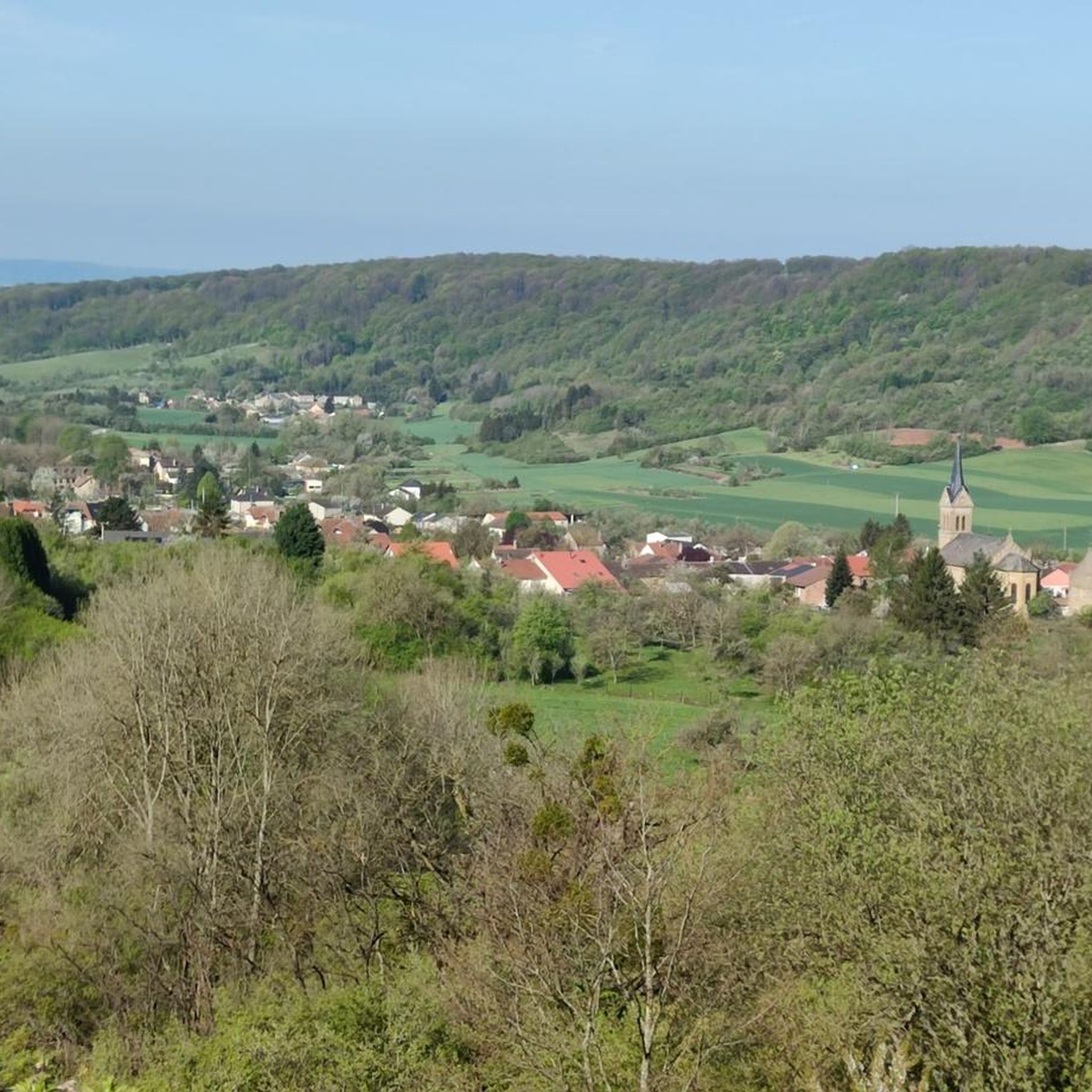
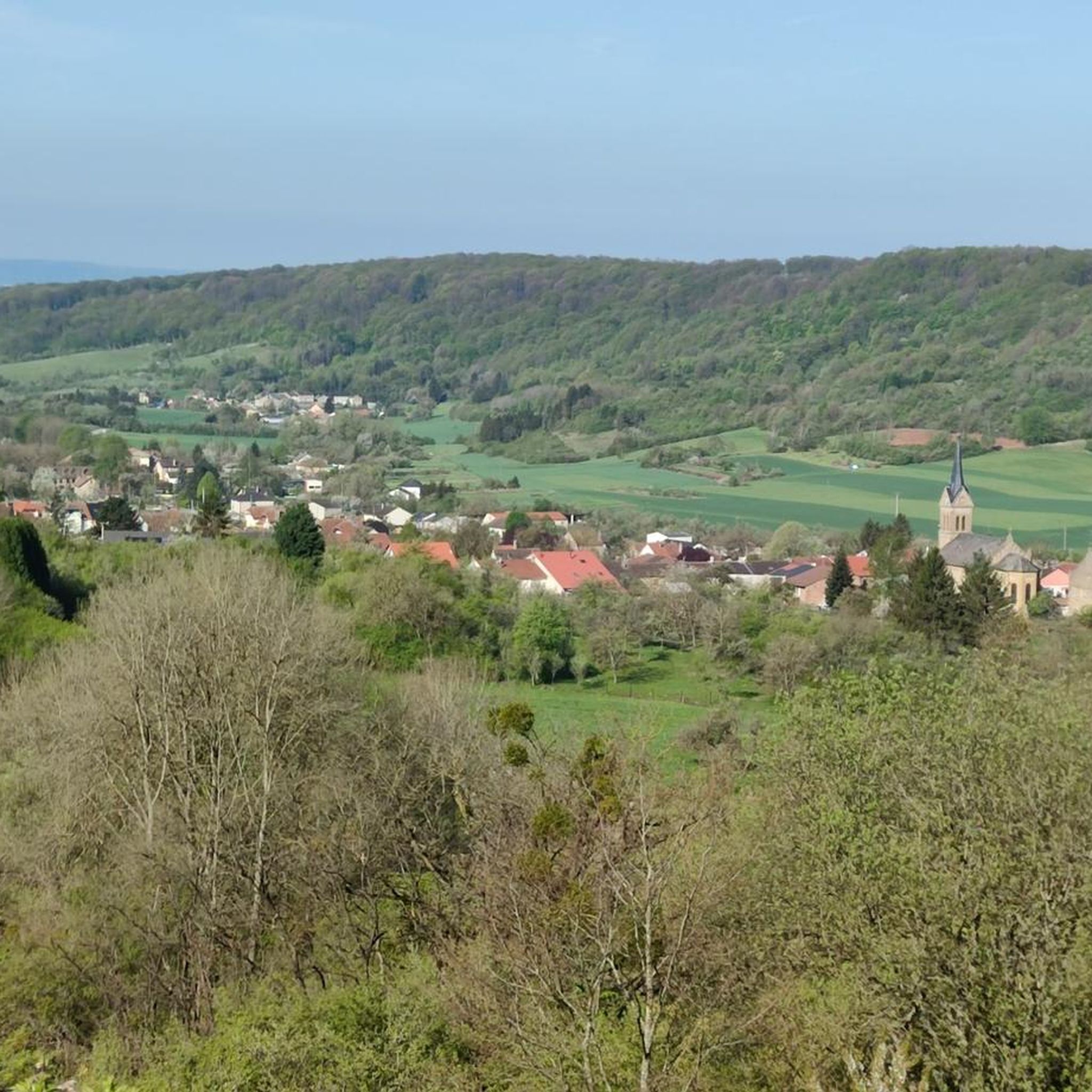
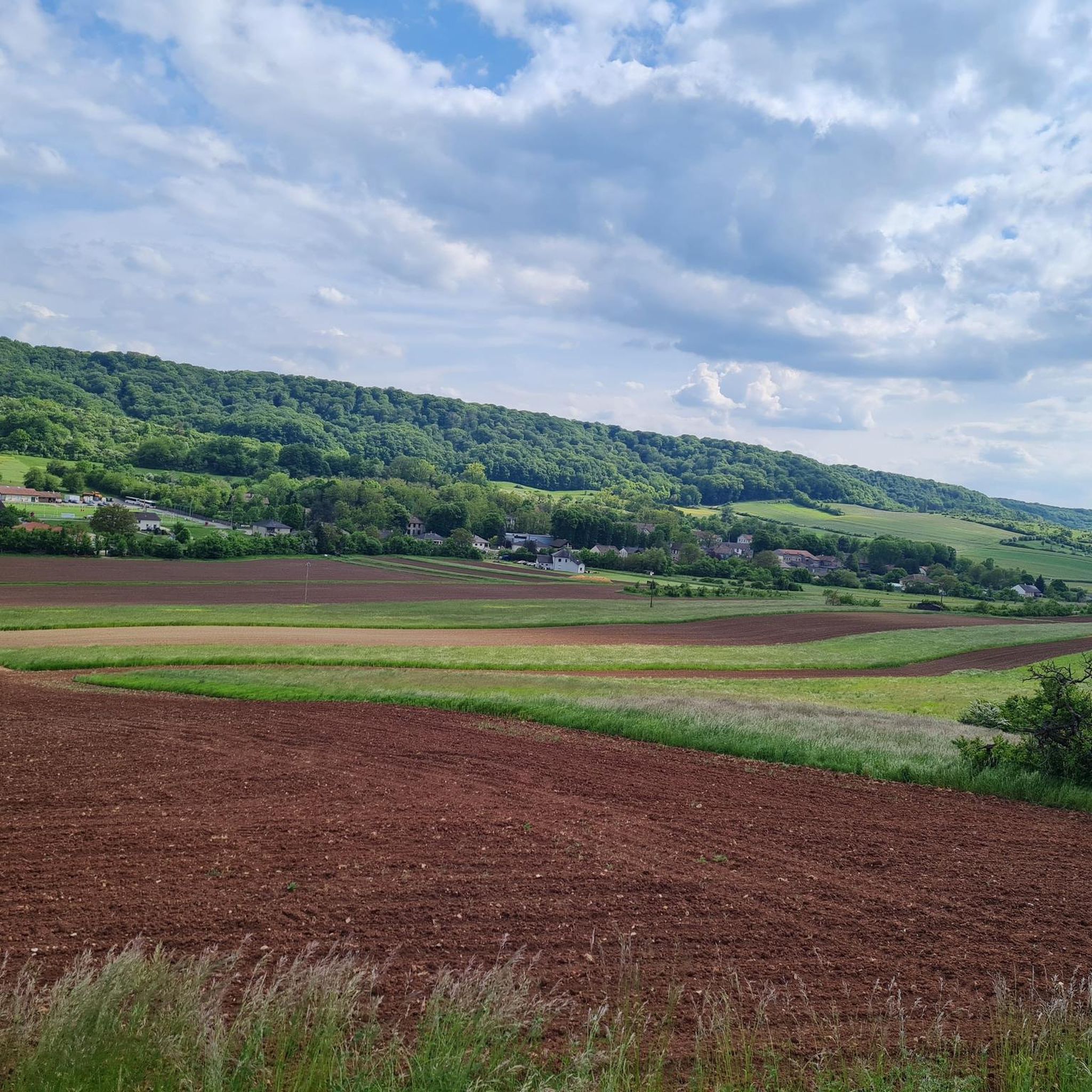
Best attractions and places to see around Kemplich, a commune in the Moselle department of France, offers access to historical sites and diverse attractions within the Grand-Est region. Situated above the Anzeling valley, Kemplich serves as a base for exploring local heritage and nearby landmarks. The area features a blend of historical military structures, religious buildings, and natural landscapes. Visitors can discover fortifications, abbeys, and the wider Moselle Valley.
Best attractions and places to see around Kemplich
- The most popular…
Last updated: October 5, 2026
Hackenberg Fort
Highlight • Historical Site
Translated by Google •
Tip by

Kédange-sur-Canner Church
Highlight • Religious Site
Translated by Google •
Tip by
Sign up now to discover places like this
Get recommendations on the best single tracks, peaks, & plenty of other exciting outdoor places.
Sainte-Croix de Bouzonville abbey
Highlight • Religious Site
The **Saint-Croix Abbey** in **Bouzonville** is one of the oldest monastic complexes in the region. Founded in the …
Translated by Google •
Tip by

Abri des Chênes Brûlés
Highlight • Historical Site
The **Abri des Chênes Brûlés** (German: "Shelter of the Burnt Oaks") is hidden in the forest near **Kemplich** …
Translated by Google •
Tip by
Sainte-Croix Abbey Church
Highlight • Other
Translated by Google •
Tip by

Sign up for free to discover even more attractions around Kemplich.
Already have an account?
Start today with a free account
Your next adventure awaits.


Tips from the Community

⛪ **Église abbatiale Sainte-Croix – Heart of the Abbey in Bouzonville** The **Église abbatiale Sainte-Croix** is the impressive **monastery church of the Benedictine abbey** in **Bouzonville** and a spiritual center with over 1,000 years of history. Originally founded in the **11th century**, the church today combines **Romanesque roots** with **Gothic and Baroque elements**, which have been added through numerous renovations. 🕍 Particularly striking: the massive portal, the tranquil interior with its barrel vault, and the harmoniously simple design, which invites contemplation. Regular services and hymns performed by the religious community lend the place a special depth. **Tip:** The church is open during the day and is a wonderful place of tranquility – particularly impressive by candlelight or in conjunction with a visit to the historic monastery complex.
1
0
⛪ **Saint-Croix Abbey in Bouzonville – Monastic Tradition with a Rich History** The **Saint-Croix Abbey** in **Bouzonville** is one of the oldest monastic complexes in the region. Founded in the **11th century**, it was a spiritual center between the Moselle and Saar rivers for centuries. The Romanesque-Gothic architecture of the monastery church has been rebuilt and restored several times, but its origins remain. 📜 After its dissolution during the French Revolution, the monastery was partially destroyed but later returned to religious use. Today, it is inhabited by a **Benedictine community** that welcomes visitors. **Tip:** The simple, spiritual atmosphere of the complex invites you to pause for a moment. Ideal for a quiet stroll or a quick visit to the monastery shop – featuring handmade products made by the nuns.
0
0
⛪ **Church of Kédange-sur-Canner – A Simple Jewel in the Moselle Valley** The **Église Saint-Martin** in **Kédange-sur-Canner** is a tranquil example of rural church architecture in Lorraine. Its origins date back to the **18th century**, and it has been restored several times over the years. The church is located slightly elevated in the village center and, with its steeple, offers a striking landmark. 🕊️ Its interior is simple, exuding a tranquil atmosphere – with harmonious proportions, light plaster, and a chancel illuminated by discreet glass panels. **Tip:** Those on quiet tours will find a quiet place to rest here with a view of village life – ideal for a moment of reflection or an architectural photo.
1
0
🛡️ **Abri des Chênes Brûlés – Hidden Shelter of the Maginot Line** The **Abri des Chênes Brûlés** (German: "Shelter of the Burnt Oaks") is hidden in the forest near **Kemplich** and was part of the French **Maginot Line**. It served as an **underground shelter for infantry units** stationed along the line. 🕳️ The concrete bunker is partially overgrown but still clearly recognizable – with typical features such as loopholes, ventilation openings, and massive steel reinforcements. Today, it is not accessible, but visible from the outside and impressively preserved. **Tip:** The shelter is quietly located on the edge of the forest – ideal as a quiet, historic stopover on a hike through the former defense area. Please treat it with respect – it is a place of military-historical significance.
3
0
🛡️ **Ouvrage du Hackenberg** – The Largest Fortification of the Maginot Line** The **Ouvrage du Hackenberg** near **Veckring** is the most impressive and largest fortification of the **Maginot Line** – a real must-see for history buffs. Built between 1929 and 1935, it includes: 🔩 **17 combat and entry blocks**, 🚇 over **10 km of underground tunnels**, 🚂 an **internal electric railway**, ⚙️ barracks, ammunition depots, a hospital, and a power supply. During World War II, the fort was combat-ready, but was evacuated without a fight after the armistice in 1940. The French Army later reused the facility during the Cold War. 🎟️ Today, Hackenberg has been beautifully restored and can be visited on guided tours – including a ride on the original narrow-gauge railway. Tip: Be sure to take a guided tour – it lasts about two hours. The underground coolness is pleasant even in summer! It's ideal for a half-day excursion with a historical twist.
0
0

This cemetery, with its partly elaborate gravestones, is located directly on the main road in front of the church of Kedange.
0
0
A super asphalted one-way road leads up to the fort and back down again 🚴👍
1
0
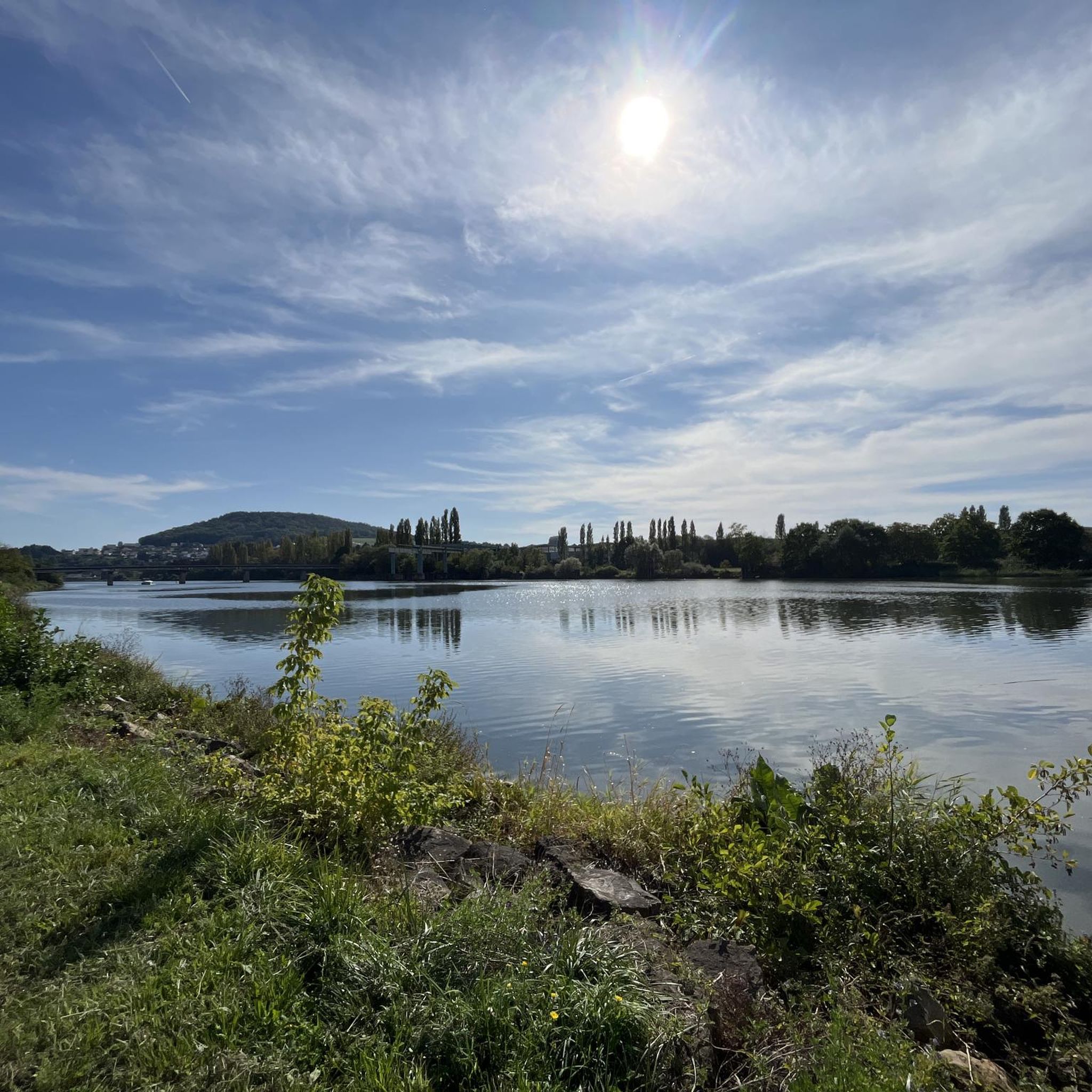
Rest area with a good view of the Nied and the abbey.
0
1
Frequently Asked Questions
What historical sites can I visit around Kemplich?
The region around Kemplich is rich in history, particularly with sites related to the Maginot Line. You can explore the impressive Hackenberg Fort, a significant part of this defensive line, or the hidden Abri des Chênes Brûlés. Further afield, consider visiting the historic Château des Ducs de Lorraine in Sierck-les-Bains, Malbrouck Castle in Manderen, or the fortified village of Rodemack.
Are there specific Maginot Line fortifications to explore near Kemplich?
Yes, Kemplich is ideally located for exploring the Maginot Line. The most popular is the Hackenberg Fort, which offers presentations and demonstrations. Within Kemplich itself, Mont du Coucou conceals another infantry work of the Maginot Line. Additionally, the Abri des Chênes Brûlés, a hidden underground shelter, provides a glimpse into these historical defenses.
What religious buildings are notable in the Kemplich area?
Near Kemplich, you can visit the Sainte-Croix de Bouzonville abbey, known for its Romanesque-Gothic architecture and spiritual atmosphere. The Parish Church of Saint-Urbain in Kemplich, reconstructed in 1755, and the attached Saint-Michel Sepulchral Chapel are also significant. The Kédange-sur-Canner Church is another beautiful example of rural church architecture in the Moselle Valley.
Are there family-friendly attractions near Kemplich?
Absolutely! For family fun, you can visit the Zoo d'Amnéville or Walygator Park, both located about 21 km from Kemplich. SnowWorld Amnéville offers a unique ski resort experience, and Paintball Veckring provides an active outdoor option just 2.4 km away.
Where can I experience nature or find scenic views around Kemplich?
Kemplich is situated above the valley of the Anzeling, with the Anzelingerbach stream flowing through the area, offering pleasant local walks. The wider Moselle region provides green landscapes, ideal for exploring the 'Three-border area' by foot or bike. While further afield, the Vallée de la Pétrusse in Luxembourg City is highlighted as a top natural attraction.
What kind of hiking trails are available near Kemplich?
There are several hiking opportunities around Kemplich. You can find trails like the 'Hackenberg Fort – Hackenberg Bunker Complex loop from Veckring' (easy, 6.06 km) or the 'Hackenberg Fort – Abri des Chênes Brûlés loop from Veckring' (moderate, 16.34 km). For more options, explore the hiking routes around Kemplich.
Are there cycling routes suitable for different skill levels near Kemplich?
Yes, the area offers a variety of cycling routes. You can find moderate trails like the 'Circuit du Hackenburg — loop from Veckring' (23.57 km) or the 'Brasserie Régal'potes – View of Menskirch and Dalstein loop from Chémery-les-Deux' (26.13 km). For an easier ride, consider the 'Moselle cycle path sign – Charles le Téméraire cycle route loop from Hombourg-Budange' (33.28 km). Discover more options on the cycling guide for Kemplich.
What do visitors enjoy most about the attractions near Kemplich?
Visitors particularly appreciate the historical depth of sites like Hackenberg Fort, often describing it as a unique and awesome experience with its presentations and demonstrations. The tranquil atmosphere of religious sites like Sainte-Croix de Bouzonville abbey and the Kédange-sur-Canner Church is also highly valued for quiet reflection. The Stèle de Compostelle is seen as a powerful symbol of pilgrimage and a peaceful stopover.
Can I find places to eat or stay near Kemplich?
While Kemplich itself is a smaller locality, nearby towns offer various options. You can find cafes, pubs, and restaurants in surrounding villages like Monneren, Budling, and Veckring. For accommodation, Camping Capfun Mirabelle in Volstroff is about 10 km away, and other options are available in the wider region.
Are there any markets nearby to experience local life?
Yes, you can experience local life and find fresh produce at various markets in nearby towns. Bouzonville hosts a market on Tuesdays (11 km away), Yutz on Fridays (15 km away), and Thionville on Saturdays (17 km away).
What is the Stèle de Compostelle and where is it located?
The Stèle de Compostelle near Lemestroff (part of Bouzonville commune) is a significant symbol of the pilgrimage tradition in Lorraine. It features a sculpted scallop shell and various coats of arms, marking a stage of the Way of Saint James. It's a place for quiet contemplation amidst nature, history, and spirituality.
What are the main cultural highlights in the broader Moselle Valley region?
The wider Moselle Valley region, influenced by France, Germany, and Luxembourg, is renowned for its vineyards, romantic castles, and historic towns. Cities like Metz, with its Gothic Saint-Étienne Cathedral and medieval Porte des Allemands, and Longwy, known for its Vauban fortifications, offer significant cultural experiences.
Most popular routes around Kemplich

Get inspired with the komoot mobile app


Explore more
Still not found the Highlight you’re looking for? See guides of the top attractions in other regions:
