Highlight • Summit
Cima Colletta
Running
5.0
(1)
Mountain biking
5.0
(1)
Hiking
5.0
(1)
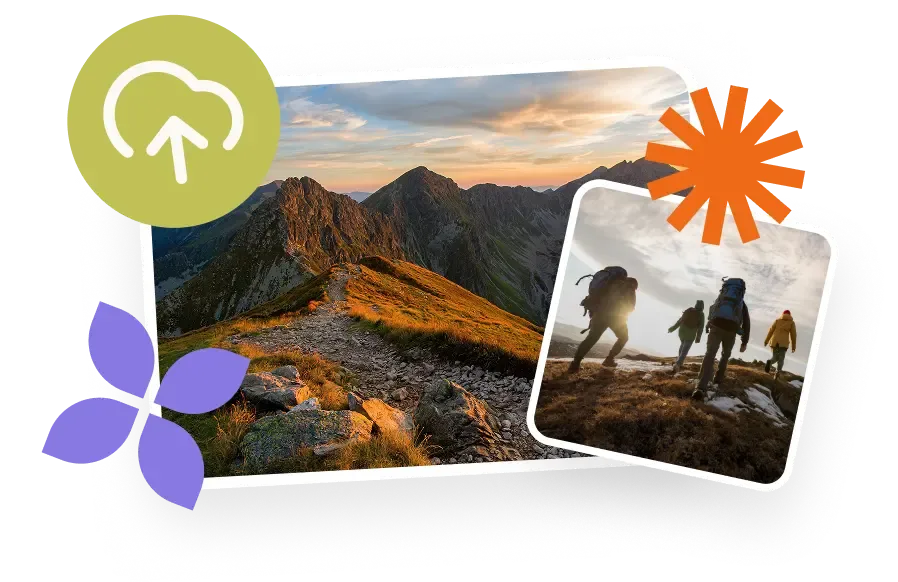
Cima Colletta is a prominent summit rising to 1,493 meters above sea level in the Oltrepò Pavese region of Lombardy, Italy. Situated within the municipality of Brallo di Pregola, this peak forms part of the northeastern ridge of the Monte Antola group in the Ligurian Apennines. It serves as a natural watershed between the Val Trebbia and the upper Valle Staffora, offering a unique vantage point where the provinces of Alessandria, Pavia, Piacenza, and Genoa converge.
Visitors are consistently drawn…
Tips



In the know? Log-in to add a tip for other adventurers!
Sign up for free
Nearby routes
Best routes near Cima Colletta

6
runners
12.8km
01:56
510m
520m
Hard run. Very good fitness required. Sure-footedness, sturdy shoes and alpine experience required.
Details
Informations
Elevation 1,490 m
Frequently Asked Questions
What is the typical hiking difficulty and terrain like for Cima Colletta?
Cima Colletta is generally considered an intermediate hike. The terrain can be varied, ranging from forest paths to more open, exposed sections near the summit. While the overall elevation is 1,493 meters, the ascent difficulty depends on the chosen route. Appropriate footwear is recommended for navigating the trails.
Are there family-friendly or dog-friendly trails available at Cima Colletta?
Yes, Cima Colletta offers routes suitable for families and dogs. Many trails wind through beech forests, providing shaded and relatively gentle paths. When hiking with dogs, always ensure they are leashed and that you carry waste bags. For families, look for routes with less elevation gain and shorter distances, which can be found on komoot.
Is Cima Colletta a good destination for winter hiking or snowshoeing?
Absolutely. While the warmer months are ideal for general hiking, Cima Colletta is also a rewarding destination for winter activities. The area offers opportunities for snowshoeing, particularly towards nearby peaks like Monte Lesima, allowing visitors to experience the quiet beauty of the snow-covered Apennines. Be sure to check weather conditions and pack appropriate winter gear.
Where can I find parking for Cima Colletta, and does it get crowded?
Parking is typically available near trailheads in the vicinity of Brallo di Pregola. While specific parking areas are not detailed, it's advisable to arrive early, especially during peak season (summer) or on weekends, as popular spots can fill up quickly. There is an old ski lift arrival point that can serve as a landmark.
Are there any public transport options to reach Cima Colletta or nearby trailheads?
Direct public transport to the Cima Colletta summit itself is limited. Visitors typically reach the area by car, often starting from towns like Brallo di Pregola. For specific public transport connections to surrounding villages or trailheads, it's best to consult local transport schedules for the Pavia province in Lombardy, Italy.
Are permits required to hike Cima Colletta?
No, permits are generally not required to hike Cima Colletta. The trails are freely accessible to the public. However, always respect local regulations, especially concerning nature conservation and private property.
What amenities, such as cafes or refuges, are available near Cima Colletta?
While the historic Rifugio CAI Nassano on Cima Colletta is currently closed, you may find amenities in nearby villages like Brallo di Pregola. These could include small shops, cafes, or restaurants. It's always a good idea to bring your own water and snacks, especially for longer hikes, as on-trail services are minimal.
What kind of wildlife can I expect to see around Cima Colletta?
The Ligurian Apennines, including the Cima Colletta area, are home to diverse wildlife. Hikers might spot various bird species, including raptors, as well as mammals like deer, wild boar, and perhaps even foxes. The rich flora, including ancient larch trees, also supports a vibrant insect population. Early mornings or late afternoons are often the best times for wildlife spotting.
Are there any hidden viewpoints or particularly scenic circular walks around Cima Colletta?
Cima Colletta itself offers extensive panoramic views from its bare northwest side, looking over the Staffora valley and the Ligurian Apennine ridge. For circular walks, many trails in the area loop through beech forests and offer varied perspectives of the landscape. Exploring routes that connect Cima Colletta with nearby peaks like Monte Lesima can reveal additional scenic spots and provide a fulfilling circular experience.
What is the historical significance of Cima Colletta?
Cima Colletta has a notable history tied to the CAI (Club Alpino Italiano). A wooden bivouac was built in 1939, later destroyed during wartime. In 1946, a former military barracks was transformed into the Rifugio CAI Nassano, honoring Aristide and Vittorio Nassano. Although the refuge is currently closed, these structures reflect the area's past as a significant point for mountaineering and wartime activities.