Attractions and Places To See around La Trinitat - Top 17
Best attractions and places to see around La Trinitat are found within the Aubrac Plateau, a high plateau straddling Aveyron, Lozère, and Cantal in the Massif Central. This region is characterized by its high-altitude landscapes, traditional granite architecture, and medieval heritage. Visitors can explore settlements with rich history and natural areas offering scenic viewpoints. The area provides a variety of experiences, from historical sites to natural wonders.
Best attractions and places to see around La Trinitat
- The most popular attractions…
Last updated: October 18, 2026
Saint Urcize
Highlight • Settlement
Translated by Google •
Tip by

Wolf pit
Highlight • Other
We can understand that in the Middle Ages, the …
Translated by Google •
Tip by

Sign up now to discover places like this
Get recommendations on the best single tracks, peaks, & plenty of other exciting outdoor places.
Laguiole, capital of the Aubrac
Highlight • Other
Do not miss the statue of the ox, …
Translated by Google •
Tip by

Devèz Waterfall
Highlight • Waterfall
Translated by Google •
Tip by
Aubrac Plateau
Highlight • Natural
Translated by Google •
Tip by
Sign up for free to discover even more attractions around La Trinitat.
Already have an account?
Start today with a free account
Your next adventure awaits.

Tips from the Community

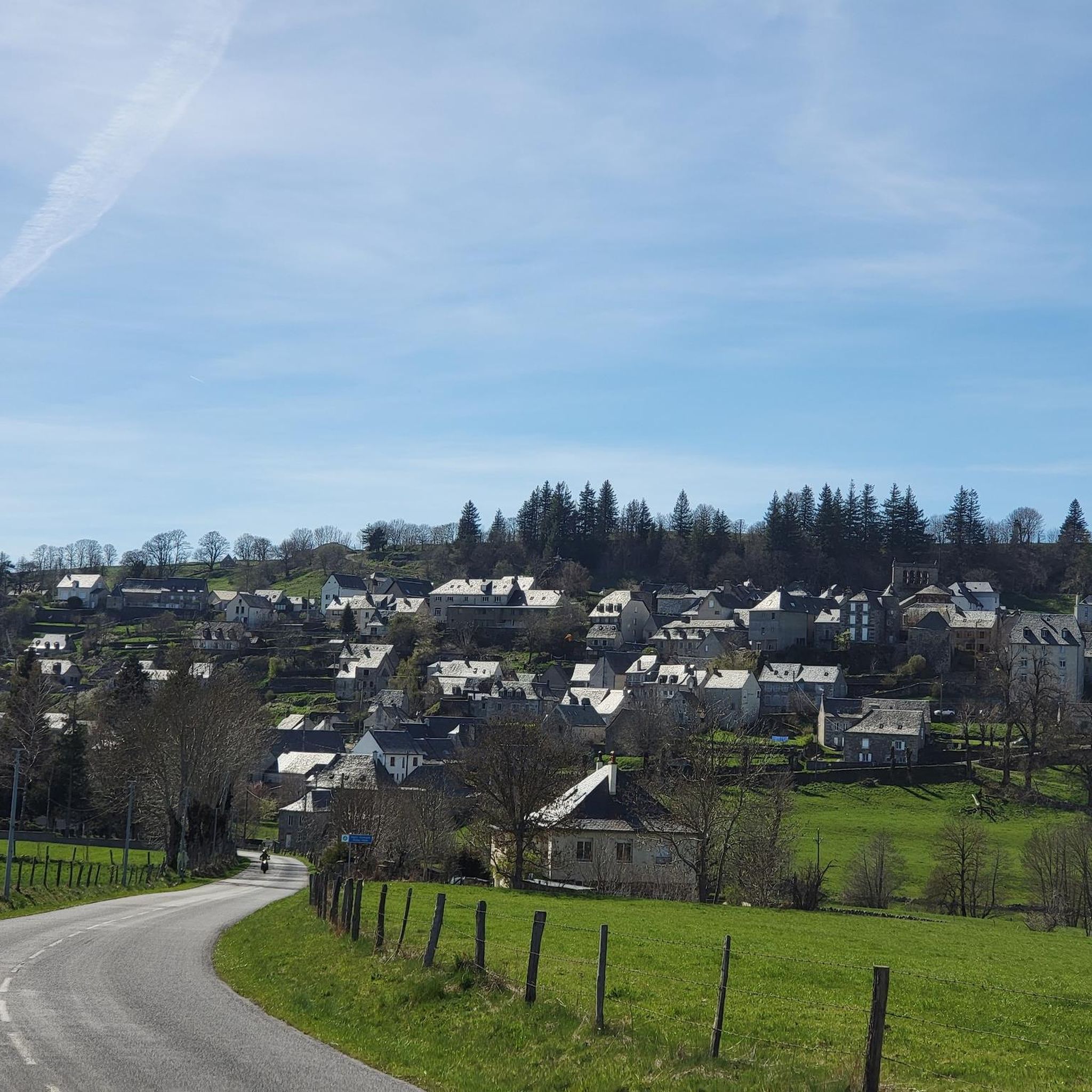
Beautiful, well-kept, and quiet village. Beautiful church. Worth a visit.
0
0

A place worth seeing, I'll go inside tomorrow. Okay, only worth seeing from a distance, the church on the hill is quite pretty. But the large main road and the huge parking lot in the city center didn't encourage me to take a longer break. I've seen other beautiful places.
0
0

It definitely looks great even without snow 😂
2
0

Beautiful waterfall, few people visit it. Calm.
0
0

30 meters high, the Devèz waterfall is also called the "Salt de la Gleiso" waterfall, named after a nearby cave. The clear waters of the Dourtigouse stream flow from the top of the volcanic rock, offering this magnificent spectacle to walkers.
0
0

Many wolf pits were once present throughout the Massif Central in order to trap these animals which once terrorized the populations. We can understand that in the Middle Ages, the very numerous wolves (and having sometimes taken a liking to human flesh following the wars and other epidemics which strewn the countryside with dead people) were a threat. On the other hand, it is quite sad to read that wolves were trapped here until 1956 when there were already hardly more than 500 left in 1900 and that they had even officially disappeared from France in the 1930s. Since the 1990s, the wolf has reappeared, first in the Alps, but it is beginning to establish itself again also in the Massif Central and in Aubrac. Nature therefore takes back its rights, with even a pack (with wolf cubs) identified around Mount Lozère in 2022.
3
1
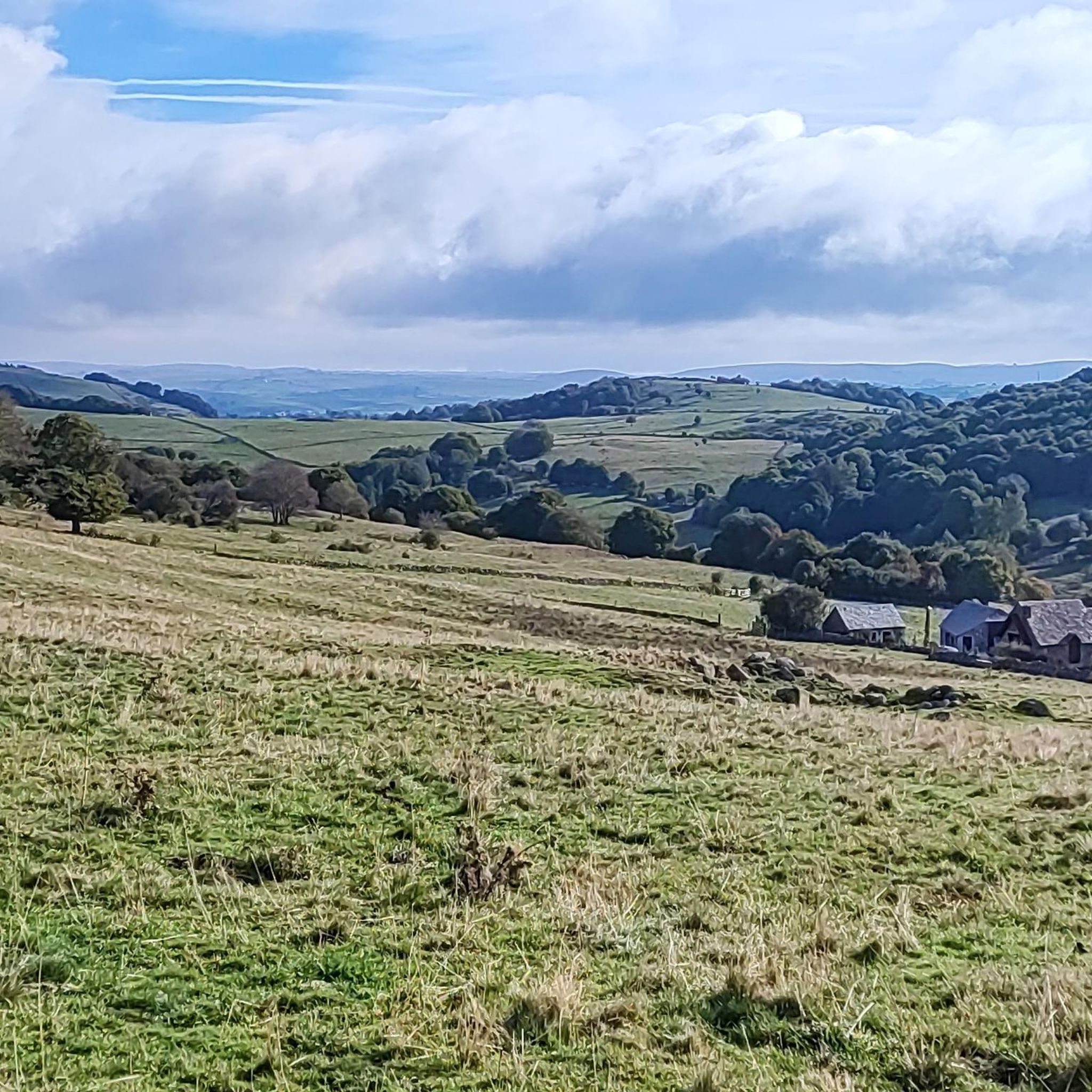
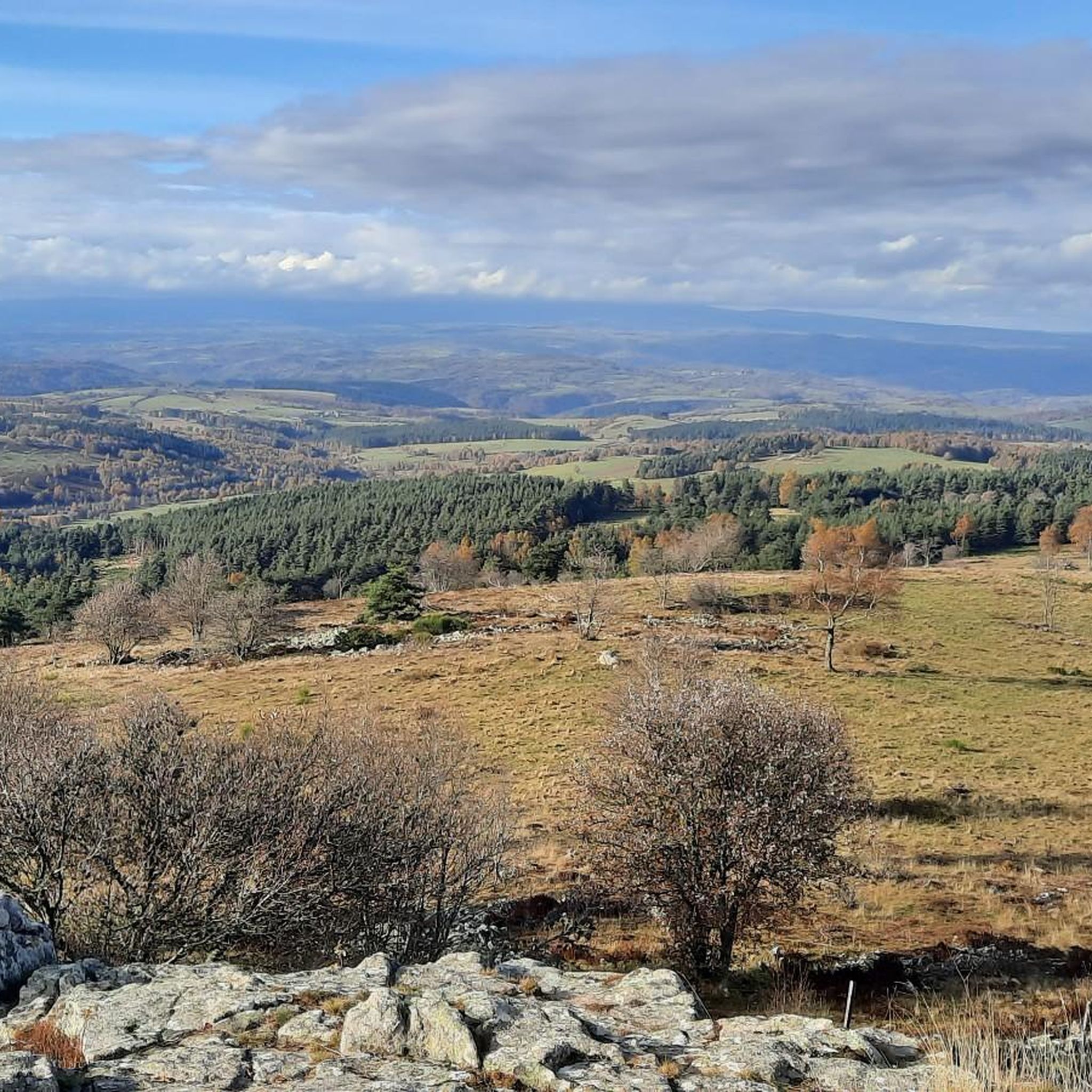
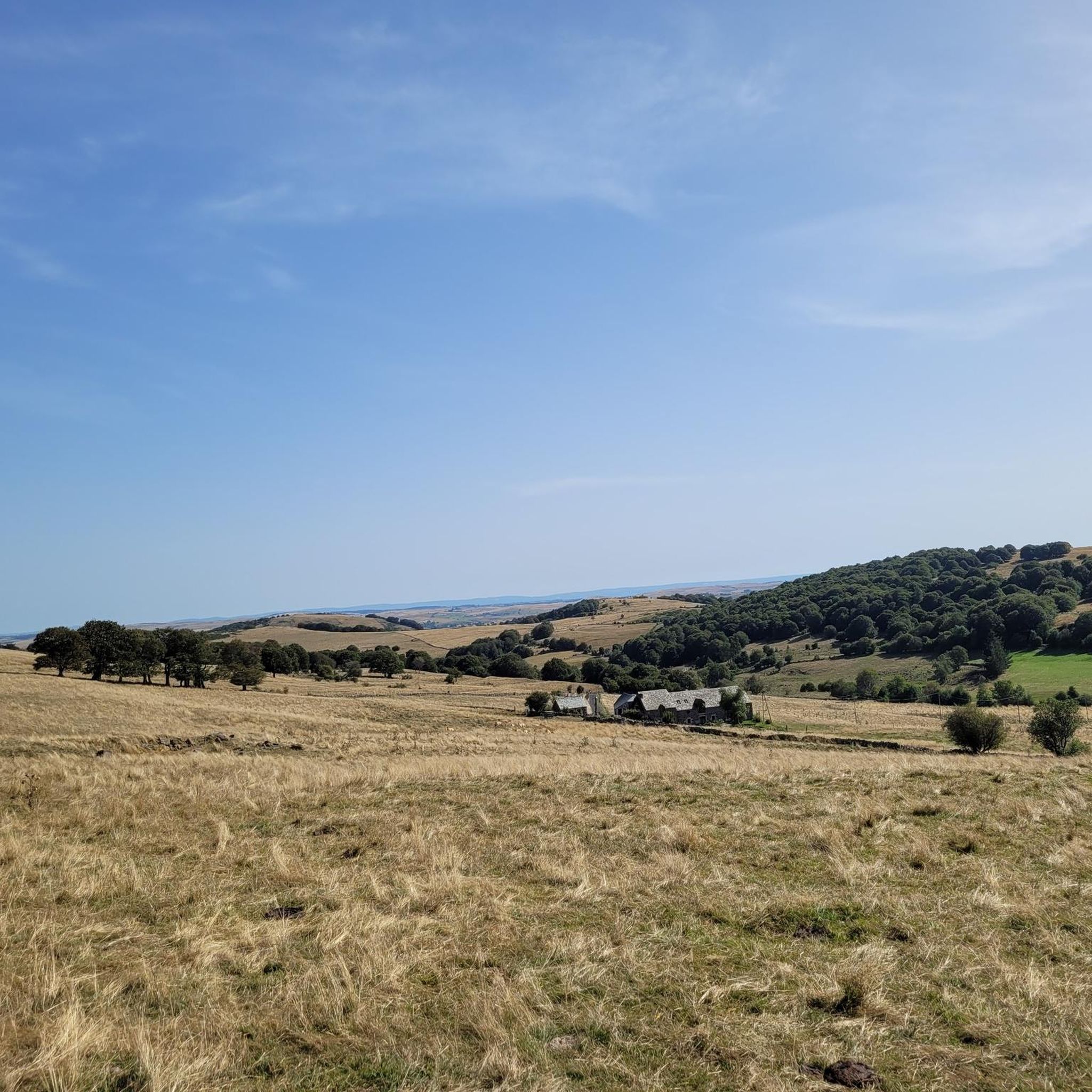
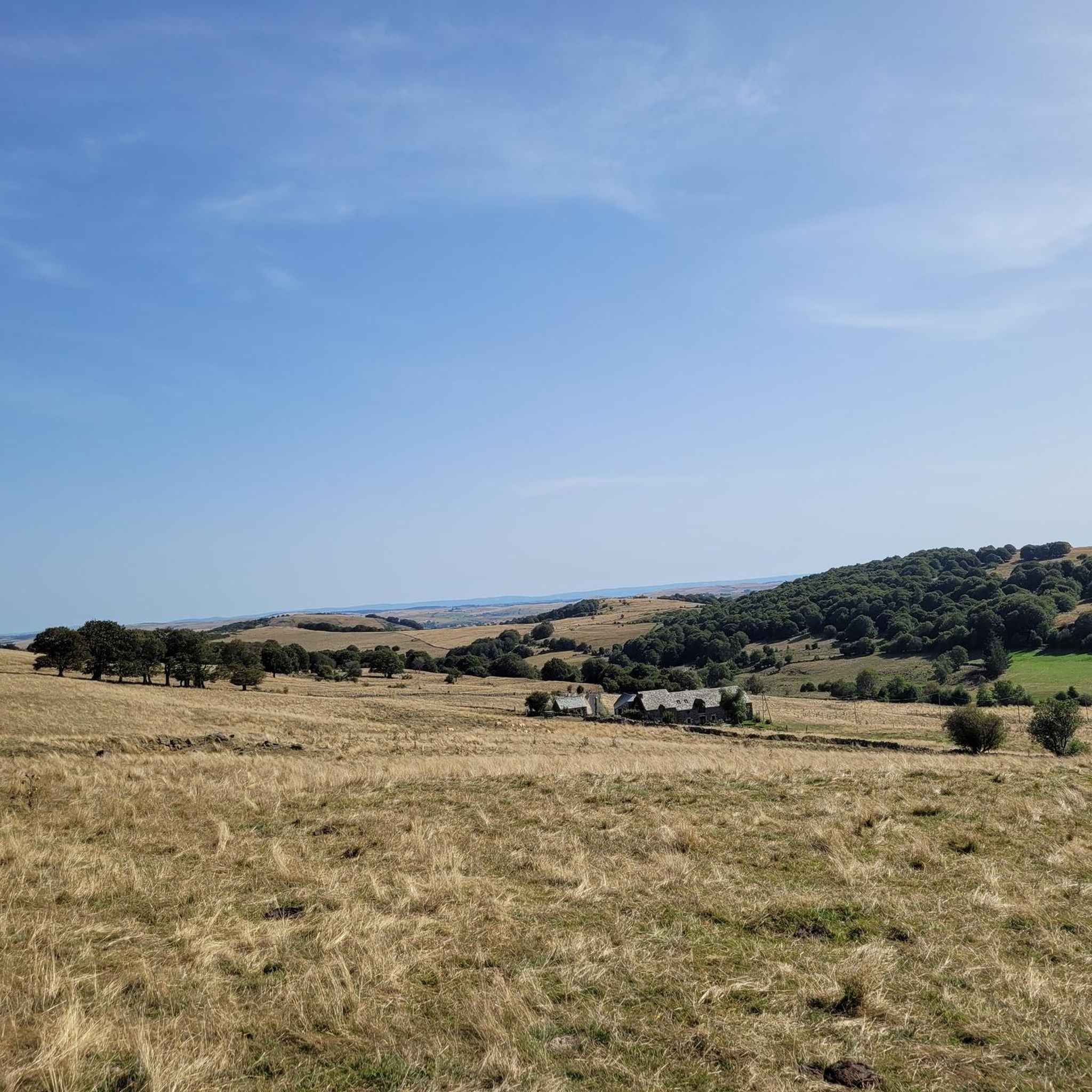
Aubrac is a high plateau straddling Aveyron, Lozère and Cantal. The landscapes of highlands with a harsh climate, dotted with burons, are magnificent.
2
0
Frequently Asked Questions
What natural features and scenic viewpoints can I explore around La Trinitat?
The primary natural attraction is the Aubrac Plateau, known for its high-altitude landscapes, harsh climate, and traditional burons, offering magnificent views. You can also find scenic views from the Saint-Matthieu church in Laguiole Village.
What historical sites and cultural experiences are available near La Trinitat?
You can visit Saint Urcize, a 'Small City of Character' with medieval granite houses, narrow streets, and remains of fortifications, including a remarkable 12th-century Romanesque church. Laguiole Village is also rich in history and famous for its knives.
Are there family-friendly attractions around La Trinitat?
Yes, Laguiole Village is considered family-friendly. Its charming character, the famous Laguiole knives, and the statue of the ox in the center of the fairground can be interesting for all ages. Exploring the medieval streets of Saint Urcize can also be an engaging experience for families.
What outdoor activities can I do near these attractions?
The region offers various outdoor activities. You can find numerous routes for mountain biking, gravel biking, and running. For example, there are several MTB trails like the 'Buyssou loop from Le Suquet' or gravel biking routes such as the 'Aubrac Pass – Aubrac loop from Le Bruagier'. Running trails include loops from 'Le Carrefour de St-Urcize' and 'Puech de Montarquié'. You can explore more options in the MTB Trails around La Trinitat, Gravel biking around La Trinitat, and Running Trails around La Trinitat guides.
Can I spot wildlife around La Trinitat?
The Massif Central, including the Aubrac Plateau, has seen the reappearance of wolves since the 1990s. While direct sightings are rare, the historical Wolf pit serves as a reminder of the region's past wildlife. The natural landscapes of the Aubrac Plateau are home to various other species, though specific wildlife spotting opportunities are not detailed.
What is the best time to visit the attractions around La Trinitat?
The Aubrac Plateau is characterized by high-altitude landscapes and a harsh climate. While specific seasonal recommendations are not provided, the region's natural beauty and outdoor activities are generally best enjoyed during milder weather. Summer and early autumn would likely offer the most pleasant conditions for exploring the plateau and villages like Saint Urcize and Laguiole Village.
Are there any unique historical features related to the region's past?
Yes, the Wolf pit is a unique historical feature. These pits were once common in the Massif Central to trap wolves. It offers a glimpse into the historical relationship between humans and wildlife in the area, with the last wolf trapped here in 1956.
What makes Laguiole Village special?
Laguiole Village is renowned for its iconic knives, which are a significant part of its cultural heritage. Beyond the knives, it's a charming village with buildings that reflect its rich history. The view from the Saint-Matthieu church at the top of the hill is also magnificent, and a market is held every Saturday morning.
What kind of architecture can I expect to see in the settlements?
The settlements in the Aubrac Plateau, such as Saint Urcize, are characterized by traditional granite architecture. The buildings often feature gray slate and schist roofs, blending seamlessly with the natural setting. This ubiquitous granite frame gives the villages a distinct medieval character.
Are there any long-distance walking routes that pass through the area?
While specific long-distance routes are not detailed, Saint Urcize's Romanesque church and its ambulatory suggest that the city was a stage in the pilgrimage to Santiago de Compostela in the Middle Ages, indicating historical long-distance walking paths through the region.
What are the typical landscapes of the Aubrac Plateau?
The Aubrac Plateau features high-altitude landscapes with a harsh climate. It is dotted with traditional burons (stone shelters for shepherds and cheesemakers) and offers expansive, magnificent views across its vast natural areas.
What is the significance of Saint Urcize?
Saint Urcize is recognized as one of the 'Small Cities of Character' due to its well-preserved medieval character. It stands at an altitude of 1,000 meters on basalt rock, showcasing old granite houses, narrow streets, and remnants of fortifications, along with a notable 12th-century Romanesque church.
Most popular routes around La Trinitat

Get inspired with the komoot mobile app


Explore more
Still not found the Highlight you’re looking for? See guides of the top attractions in other regions:
