Attractions and Places To See around Monchiet - Top 19
Best attractions and places to see around Monchiet. Monchiet is a small commune in the Pas-de-Calais department of the Hauts-de-France region, located approximately 13 km southwest of Arras. While Monchiet itself is small, its proximity to larger towns provides access to notable landmarks, cultural sites, and natural features. The area offers a mix of historical monuments, protected natural areas, and architectural points of interest.
Best attractions and places to see around Monchiet
- The most popular attractions is Marais de Maroeuil…
Last updated: June 23, 2026
Marais de Maroeuil
Highlight (Segment) • Natural
Translated by Google •
Tip by

Wall of the Executed at the Citadel of Arras
Highlight • Monument
Translated by Google •
Tip by
Sign up now to discover places like this
Get recommendations on the best single tracks, peaks, & plenty of other exciting outdoor places.
Sign up for free
Castle adjoining the church in Habarcq
Highlight • Castle
Translated by Google •
Tip by
Saint Martin Church
Highlight • Religious Site
stone construction with a sandstone base and
an 8th …
Translated by Google •
Tip by
The Carré des Sources
Highlight • Other
Translated by Google •
Tip by

Sign up for free to discover even more attractions around Monchiet.
Sign up for free
Already have an account?
Start today with a free account
Your next adventure awaits.
Login or Signup

Tips from the Community

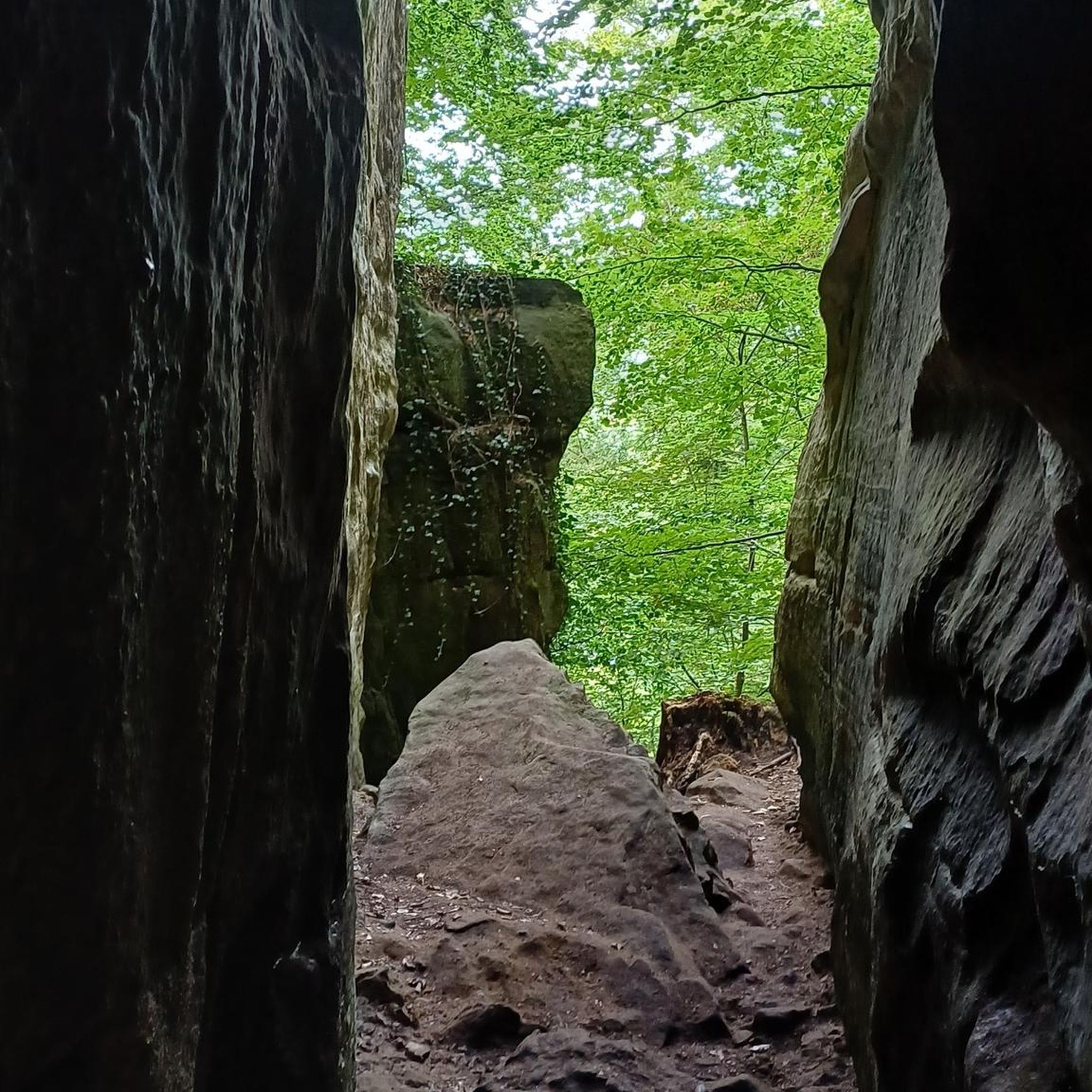
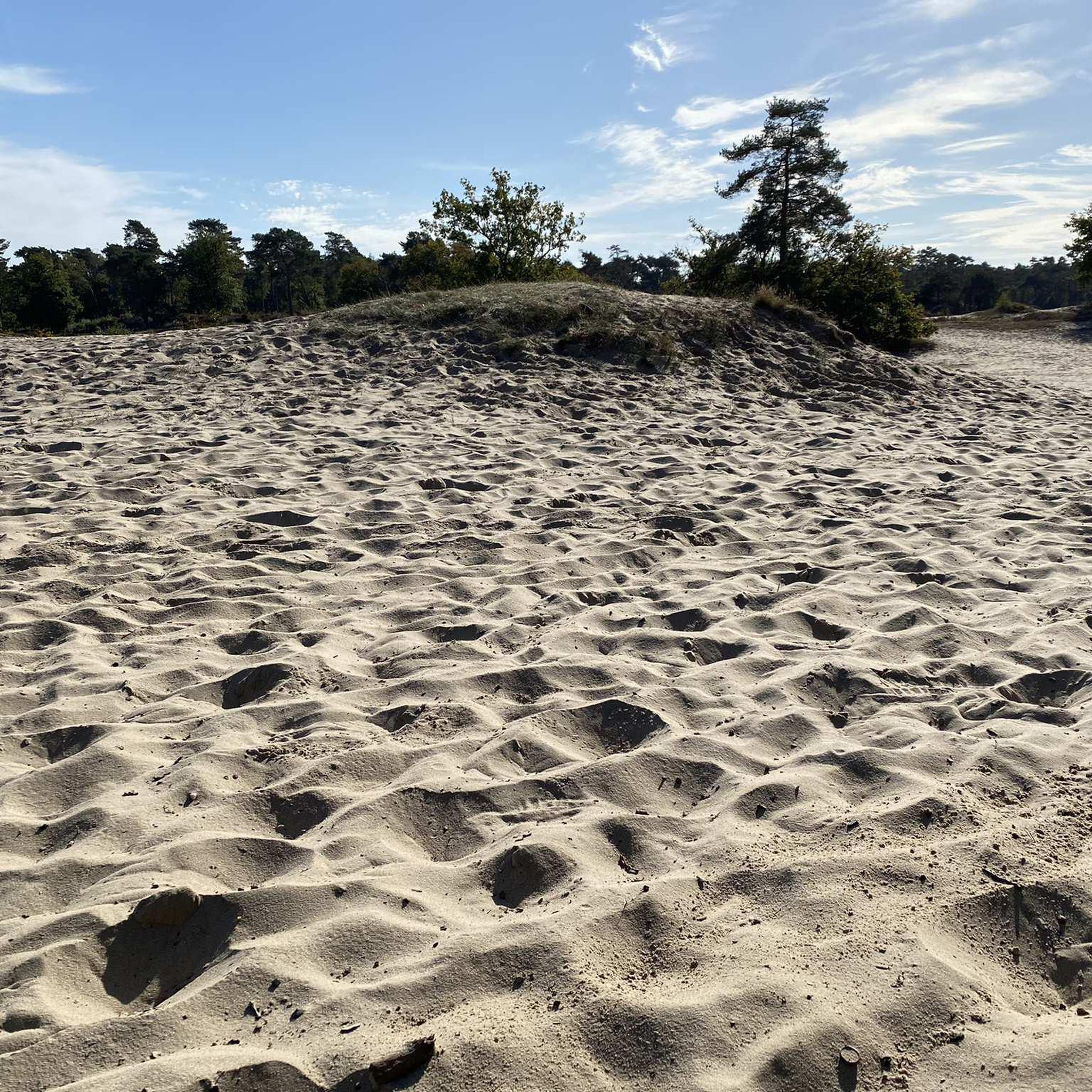
The Marais de Maroeuil is a swamp area of approximately 20 hectares in the municipality of Maroeuil. It is a protected natural area managed by the Conservatoire d'espaces naturels des Hauts-de-France. The swamp is home to a rich and varied flora and fauna, including the fumeterre, a rare species of orchid.
1
0
Listed as a historic monument, it was built in the 15th and 16th centuries. Dominating the village is this important one stone construction with a sandstone base and an 8th century bell tower. The architecture of the ship is remarkable, especially for its vaults and chapels. The first church of Agnez, whose date of construction is unknown, was destroyed in 1475 by the French troops of Louis 12. Only the tower and the choir remain. But traces of the old ship are still visible at the foot of the tower. The 15th century bell tower was raised around 1632 and topped by a stone spire. The building was then restored between 1842 and 1845 by architect A. Grigny. The interior of the church is decorated in Gothic style. The tower has a defensive appearance, which leads us to believe that it served as a lookout post during military tensions. Indeed, we can see a crenellated balustrade at the top of the tower protecting the walkway from enemy fire. Loopholes have also been created in the front of the tower so that spectators can watch without being seen. They could also shoot their attacker from cover. To complicate and delay the siege of the church, diagonal buttresses are placed on the walls of the tower. We can also note that the tower does not have large windows that could facilitate the penetration of attackers into the church. The only openings in the tower are the abat sounds that allowed to spread the sound of the bells, used in certain cases to warn the population of an attack.
2
0
The current castle with a beautiful weathercock.
4
0
The Église Saint-Martin in Habarcq is a historic building with a rich history. It was originally built in the 13th century by Jehan de Habarcq, but was quickly destroyed and burned during the conflicts between Louis the French Revolution. The church has a number of unique features, including the fact that it was originally a chapel attached to the de Habarcq family castle. It only became a parish church in 1806. Inside the church there were windows (which are still visible) that allowed the gentlemen to attend religious ceremonies without having to move. Built in the Gothic style, the church has a number of interesting architectural features, including richly decorated windows depicting vegetative and animal motifs from the medieval bestiary. Above the first window you can see the coat of arms of the Count of Lens, lord of Habarcq. The church is located in the heart of the village and is partly hidden by its proximity to the castle. The interior is completely covered in woodwork and paneling, said to come from a cedar tree from Lebanon that once stood in the castle's park and was uprooted by a storm in 1940.
4
0
The castle adjoining the Habarcq church is a historic monument located in Habarcq. The facades and roofs of the castle are listed as historical monuments by decree of April 5, 1948. The castle is private property
4
0

At the beginning of the 18th century, the flow of the Crinchon (river of about twenty kilometers which flows between Bailleulmont and Saint-Nicolas before flowing into the Scarpe) is weak, irregular and its waters are of poor quality. The city of Arras needs healthy and abundant water for the inhabitants and for the drinking troughs of the cavalry barracks. In 1723, at his request, the springs that gush out in Brétencourt, a hamlet of Rivière, were collected in a reservoir, it is a vast rectangular basin surrounded by brick walls now called "Carré des sources". Its dimensions: 33 m long, 11 m wide and 8 m deep. The works were carried out by the Military Engineering on the orders of the king, who financed them, as recalled by a sandstone sealed in a wall: "In the year 1723, under the reign of Louis XV, the sources of the Crinchon were sought and enclosed in this basin at the expense of the king" Le Carré des sources delivers 64 liters per second of water that is extremely fresh and remarkably clear. The stream thus formed crosses the park of the castle and joins the initial bed of the Crinchon, after a course of 500 m. The flow being capricious, the system was completed by the digging of a few artesian wells, from the end of the 18th century.
1
0
The Mur des Fusillés is a memorial located in the moats of the Citadel of Arras, Hauts-de-France. It is a poignant reminder of the tragic history of 218 patriots who were shot dead by German troops during World War II. The memorial is dedicated to these victims of different nationalities during the years after the Battle of Arras and is worth a visit to understand and remember the brutality of this dark period in history. The memorial is located at the Citadel of Arras, where the patriots were executed between August 21, 1941 and July 21, 1944. The design of the memorial has been deliberately kept simple, to maintain the authenticity of the site and allow visitors to see the setting that witnessed these tragic events. The only monument present in the memorial is a pole, recreated as exactly as possible from the one to which the victims were tied. In addition, 218 plaques mounted along the walls of the citadel commemorate each victim, and a plaque at the entrance to the memorial invites visitors to commemorate the sacrifice of these patriots. The Mur des Fusillés is located near the Citadel (near the old gate), Jardin du Polygone, and another place of remembrance which is the Military Cemetery of Faubourg d'Amiens. The site remains open to the public every afternoon from 2pm to 7pm.
4
0

A very pleasant nature spot where walkers and cyclists meet.
0
0
Frequently Asked Questions
Where is Monchiet located and what is its regional context?
Monchiet is a small commune in the Pas-de-Calais department of the Hauts-de-France region in France. It is situated approximately 13 km southwest of Arras, making it a convenient base for exploring the historical and natural attractions of the wider area, particularly the city of Arras.
What kind of natural areas can I explore near Monchiet?
The region offers several natural spots. A notable example is Marais de Maroeuil, a protected natural swamp area of approximately 20 hectares. It is managed by the Conservatoire d'espaces naturels des Hauts-de-France and is home to a rich and varied flora and fauna, including rare species like the fumeterre orchid.
What historical sites are prominent in the Monchiet area?
The area is rich in history. You can visit the Wall of the Executed at the Citadel of Arras, a poignant memorial dedicated to 218 patriots executed during World War II. Another significant site is the Saint Martin Church, a religious building from the 15th and 16th centuries, listed as a historic monument, whose tower has a defensive appearance.
Are there any notable architectural landmarks to see?
Beyond the historic churches, you can find the Castle adjoining the church in Habarcq, a historic monument with facades and roofs listed by decree. While private, its exterior offers a glimpse into the region's past. The city of Arras itself, just 11 km away, boasts a beautiful town center with a belfry and numerous Baroque-style houses, including the impressive Beffroi de l'Hôtel de Ville d'Arras.
What outdoor activities can I do around Monchiet?
The region around Monchiet is excellent for outdoor enthusiasts. You can explore various cycling routes, including mountain biking, road cycling, and gravel biking. For example, there are numerous MTB trails like the 'English Cemetery loop from Ransart' or road cycling routes such as the 'Memory Cycle Route – Ulster Tower loop'. You can find more details and routes on the MTB Trails around Monchiet, Road Cycling Routes around Monchiet, and Gravel biking around Monchiet guide pages.
Are there family-friendly attractions or activities in the area?
Yes, the region offers options for families. The Wall of the Executed at the Citadel of Arras is categorized as family-friendly, offering an important historical lesson. Additionally, exploring the natural areas like Marais de Maroeuil can be an engaging outdoor activity for families.
What is the best time of year to visit Monchiet and its surrounding attractions?
While specific seasonal recommendations for Monchiet are not detailed, the Hauts-de-France region generally enjoys pleasant weather from late spring to early autumn (May to September), which is ideal for exploring historical sites, gardens, and engaging in outdoor activities like cycling and walking. Gardens like Les Jardins de Sericourt and Les Jardins de Maizicourt are particularly beautiful during these months.
Are there any unique natural or historical water features?
Yes, you can visit The Carré des Sources. This historical site, dating back to 1723, is a vast rectangular basin that collected the springs of the Crinchon river to supply Arras with fresh water. It's an interesting example of historical engineering and a tranquil spot.
What do visitors particularly enjoy about the attractions around Monchiet?
Visitors appreciate the blend of historical depth and natural beauty. The Marais de Maroeuil is noted for its quiet corners and shaded walks, offering a peaceful escape. The historical sites, such as the Wall of the Executed, are valued for their poignant reminders of history and the opportunity for reflection. The overall appeal lies in the region's ability to offer diverse experiences, from serene natural exploration to profound historical engagement.
Are there opportunities for cultural experiences beyond historical monuments?
Yes, the nearby city of Arras offers significant cultural experiences. You can visit the Beaux-Arts Museum of Arras, housed in the former Benedictine Abbey of Saint-Vaast, which provides insights into art and regional history. Additionally, local markets in towns like Arras and Douai offer a glimpse into local life and produce, providing a vibrant cultural experience.
How accessible are the attractions around Monchiet by public transport?
Monchiet itself is a small commune. However, its proximity to Arras (approximately 13 km) means that many of the significant attractions are accessible from this larger hub. Arras has public transport options, and visitors often use a combination of personal vehicles and local transport to reach the various sites in the surrounding region. Specific public transport details for each individual attraction would need to be checked locally.
Most popular routes around Monchiet

Get inspired with the komoot mobile app


Explore more
Still not found the Highlight you’re looking for? See guides of the top attractions in other regions:
