Attractions and Places To See around Farinole - Top 20
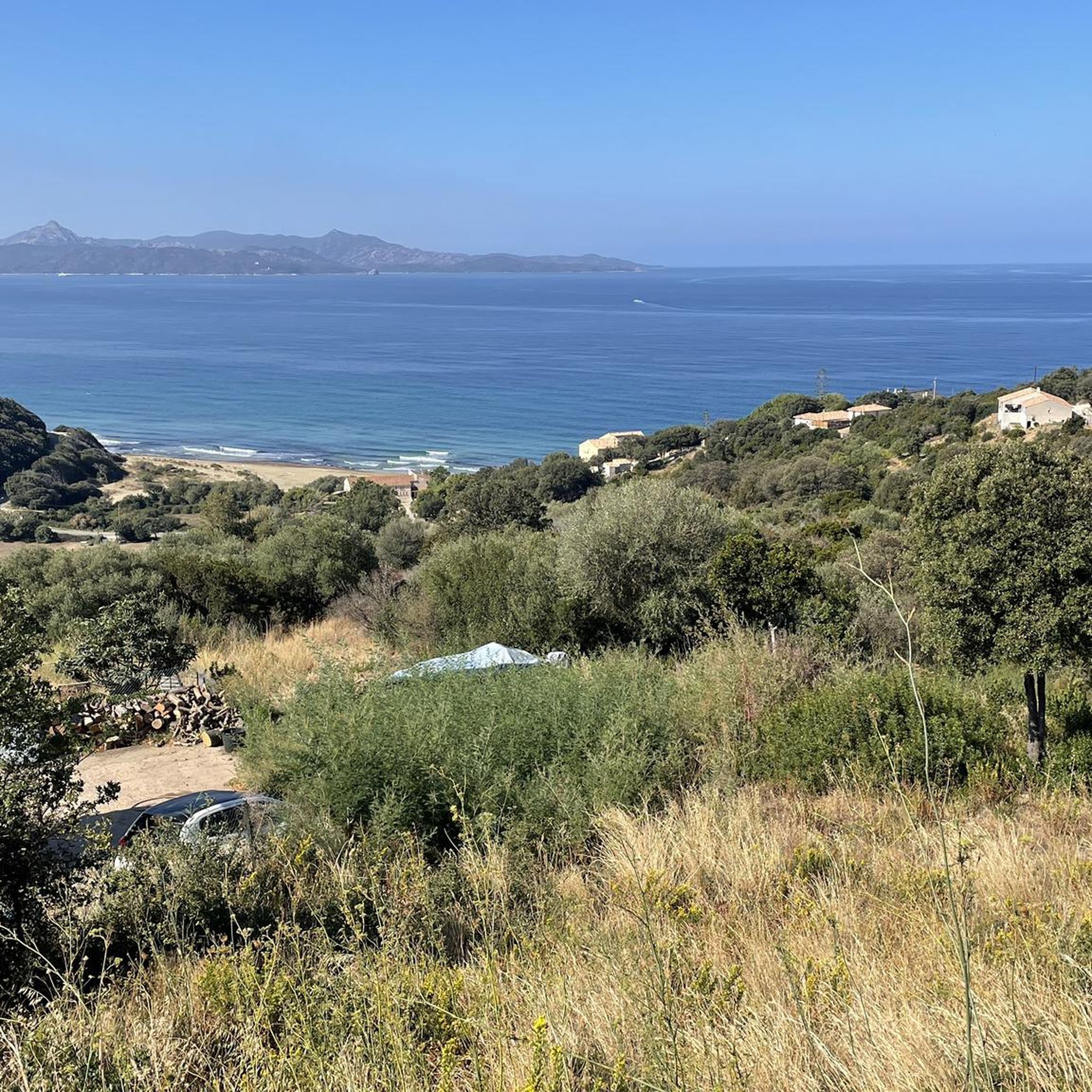
Best attractions and places to see around Farinole include a blend of historical sites, natural beauty, and cultural experiences. Situated between Nebbiu and Cap Corse, Farinole offers a coastline known for its wild and unspoiled character, facing the Gulf of Saint-Florent. The region provides access to mountains and is an excellent base for exploring the Haute-Corse area, including nearby towns and vineyards.
Best attractions and places to see around Farinole
- The most popular attractions is View of Nonza, a…
Last updated: October 9, 2026
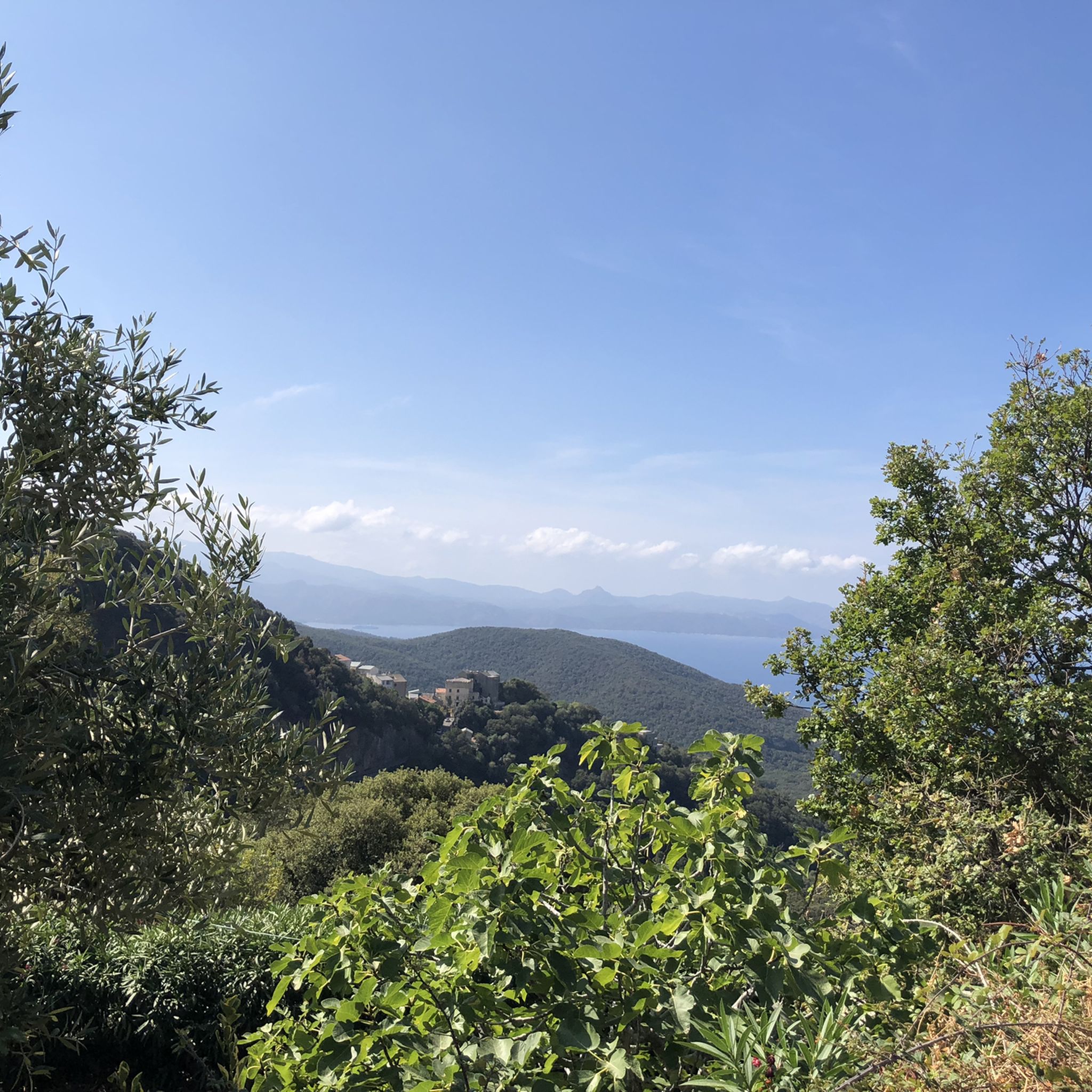
View of Nonza
Highlight • Other
Translated by Google •
Tip by

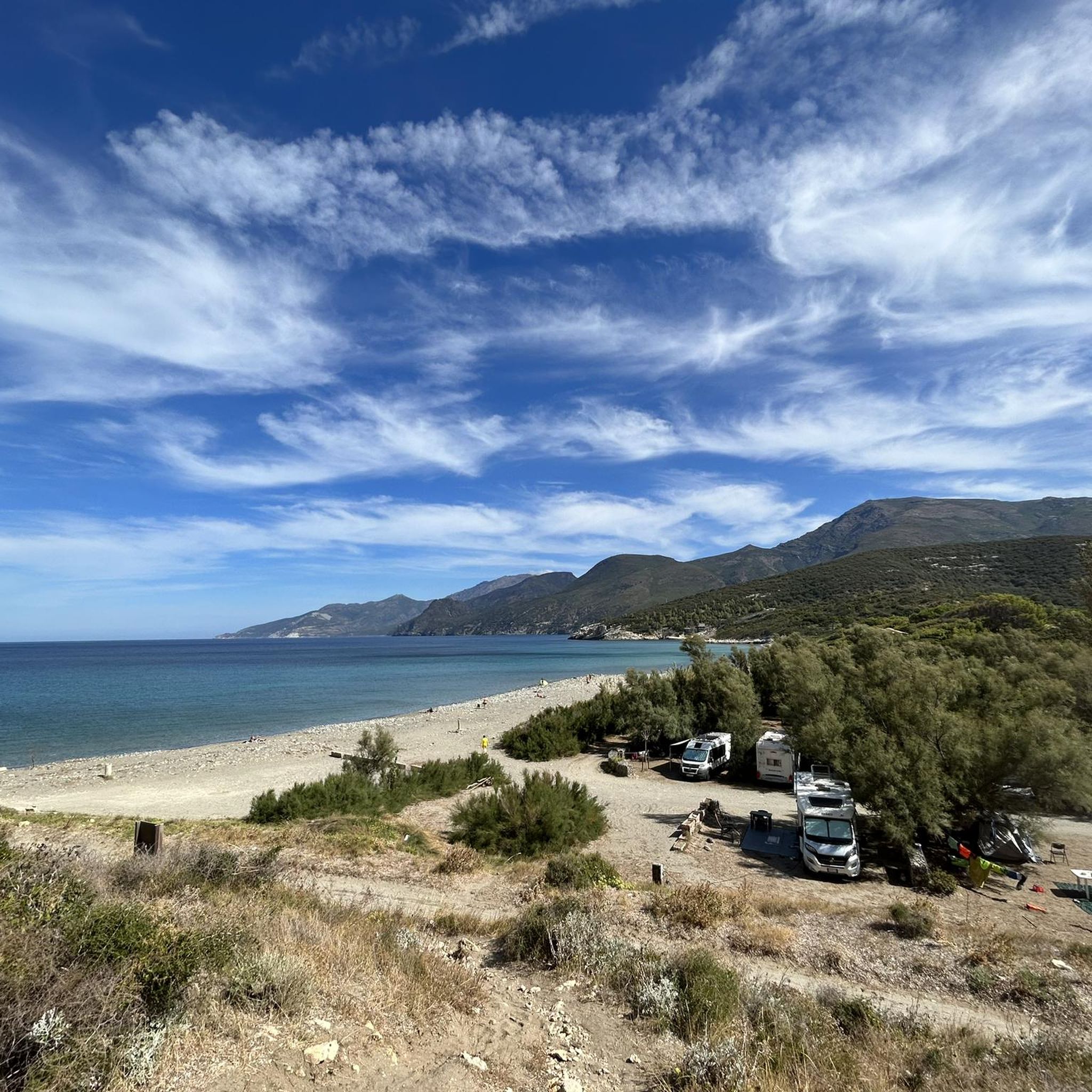
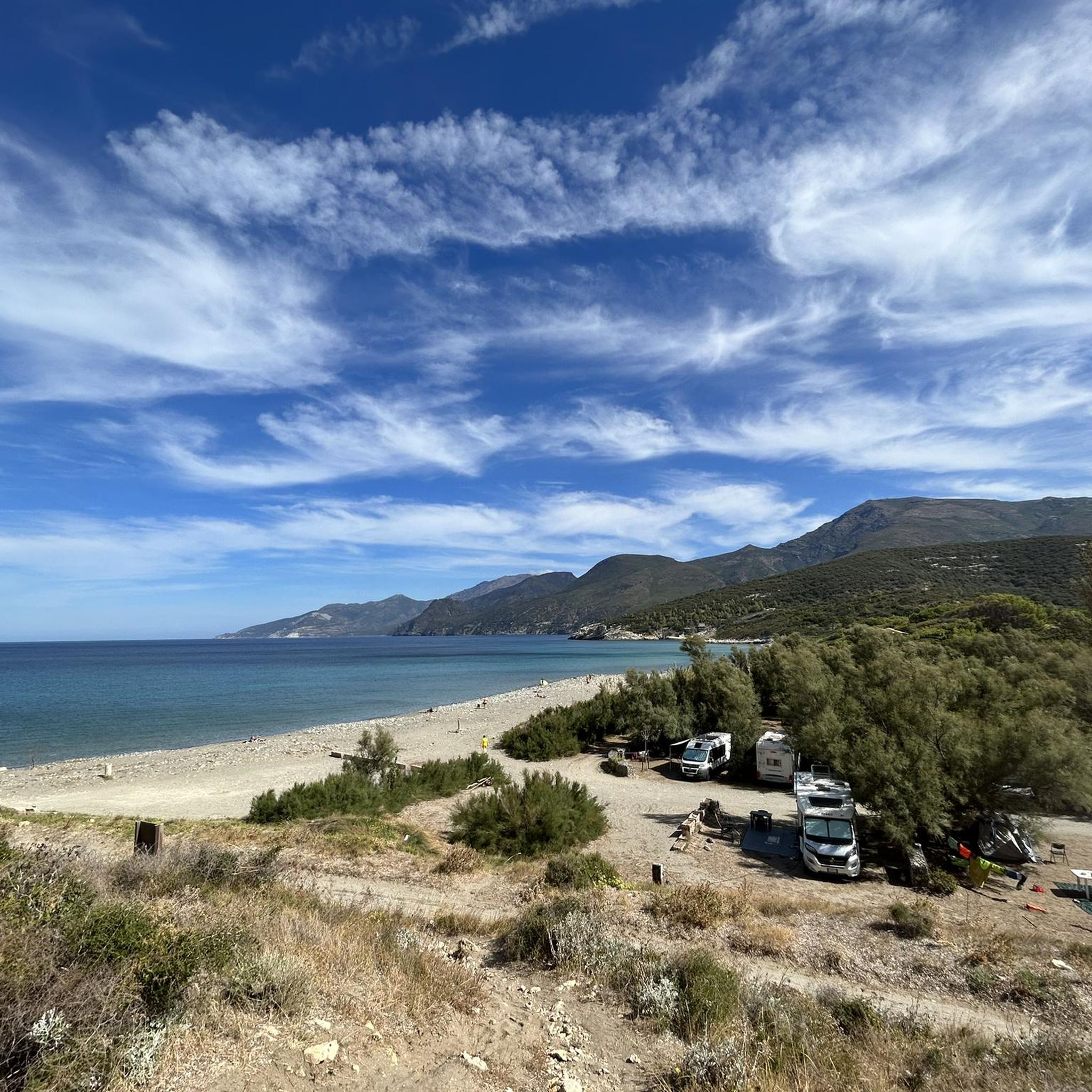
Lotu Beach
Highlight • Beach
Translated by Google •
Tip by

Sign up now to discover places like this
Get recommendations on the best single tracks, peaks, & plenty of other exciting outdoor places.
Saint John the Baptist Church, Bastia
Highlight • Religious Site
Translated by Google •
Tip by

Saint-Florent Frog Fountain
Highlight • Viewpoint
Translated by Google •
Tip by

Mortella Point
Highlight • Other
Translated by Google •
Tip by

Sign up for free to discover even more attractions around Farinole.
Already have an account?
Start today with a free account
Your next adventure awaits.

Tips from the Community

The church is the largest church in Corsica. It was built between 1636 and 1666.
0
0

Saint-Florent is also known as "the Corsican Saint-Tropez" because of its Mediterranean flair. In the 1970s, Saint-Florent was a place for the jet set. The town is located high in the northwest of the island of Corsica on the Gulf of the same name between the almost uninhabited Désert des Agriates and Cap Corse.
2
0
Saint-Florent dates back to a small settlement that once arose in the protection area of the Genoese round fortress. The citadel was built by the Genoese in 1440 and served as the seat of the Bishop of Nebbio and the governor's palace until the 18th century. The small Pianese church from the 12th century, Santa Maria Assunta, was built as a cathedral for the then diocese of Nebbio.
2
0
Although malaria raged devastatingly, the town was fiercely fought over by the French, Genoese and Corsicans in the 16th century. However, little remains of the fortress built in 1439, apart from the round keep. The fortress itself was demolished in the 17th century when Genoa's rule seemed secure and Saint-Florent no longer had any strategic importance. The town experienced a new growth spurt after Napoleon III ordered the draining of the swamps, thus eradicating the cause of malaria.
2
0
Saint-Florent (Corsican: San Fiurenzu; Italian: San Fiorenzo) is a French commune and the capital of the Nebbio region on the Mediterranean island of Corsica with 1,689 inhabitants.
2
0


Saint John the Baptist (Saint Jean Baptiste), to whom this church in Bastia is dedicated, is—like Saint Joseph—a man on the threshold between the Old and New Testaments. His parents are Zechariah and Elizabeth. After announcing the Incarnation through them, the Mother of God visits her relative Elizabeth, who, in her old age, will give birth to a son, John the Baptist. John the Baptist is six months older than Jesus and is considered his forerunner. He lives in the desert, preaches repentance from sin to the Jewish population, and baptizes them in the Jordan River. Jesus also comes there to be baptized, where he is filled with the Holy Spirit, who descends upon him from heaven. The feast day of Saint Jean Baptiste in the calendar of saints is June 24, exactly six months before Christmas Eve.
0
0

Beautiful coastal hike. Be sure to take your swimming costume with you - there are many beautiful bays.
0
0
Frequently Asked Questions
What historical landmarks can I visit in and around Farinole?
Farinole and its surroundings are rich in history. You can explore the 16th-century Genoese Tower of Farinole, which guarded the entrance to the Gulf of Saint-Florent. In the village center, visit the Church of Saint-Côme and Saint-Damien, rebuilt in the 18th century. Further afield, the remains of the Mortella Point tower, built in the 16th century, offer a glimpse into coastal defense history. The nearby town of Saint-Florent also features a 15th-century citadel and the 12th-century Santa Maria Assunta church.
Are there any natural attractions or beaches near Farinole?
Yes, Farinole boasts beautiful natural features. The commune has a golden sandy beach, which is very family-friendly and easily accessible, as well as a less crowded pebble beach. These are popular for water sports. You can also visit Lotu Beach, known for its natural beauty and part of the wild lands of Agriate. The disused magnetite mine, 'A Ferrera', offers a unique natural and archaeological experience with a botanical trail.
What kind of outdoor activities can I do around Farinole?
Farinole is an excellent base for outdoor enthusiasts. You can find numerous hiking trails originating from the various hamlets, including a botanical path to 'A Ferrera'. For more structured routes, explore options like the 'Coastal Cave – Coastal Path loop from Punta di Saeta' or the 'Route du Troillage – Farinole Village loop from Farinole'. You can find detailed hiking routes in the Hiking around Farinole guide. Cycling is also popular, with routes such as the 'Panorama View – View of Nonza loop from Farinole' available in the Cycling around Farinole guide.
Are there family-friendly attractions or activities in Farinole?
Absolutely. The golden sandy beach in Farinole is very family-friendly and easily accessible for a day of relaxation and water activities. In the nearby town of Saint-Florent, the Saint-Florent Frog Fountain is a charming spot in the lively old town that families often enjoy. The Saint John the Baptist Church in Bastia is also listed as family-friendly and offers a cultural experience.
Where can I find the best viewpoints or scenic spots near Farinole?
For breathtaking panoramas, head to the View of Nonza, which offers a remarkable vista of the large beach below and the village crowned by the Paoline tower. The Mortella Point also provides a nice view of Saint-Florent and Cap Corse. Farinole itself, situated between the sea and mountains, faces the Gulf of Saint-Florent, offering picturesque scenery.
What cultural sites or nearby towns are worth visiting from Farinole?
Farinole is an ideal starting point for exploring the Haute-Corse region. The nearby town of Saint-Florent, often called 'the Corsican Saint-Tropez,' features a 15th-century citadel and historical churches. The village of Nonza, with its cliff-top tower and remarkable views, is a recommended stop on the road to Cap Corse. Farinole is also part of the Grand Site de France Conca d'Oru, Patrimonio vineyard and Gulf of Saint-Florent, offering wine-tasting experiences in Patrimonio.
What is the best time to visit Farinole for outdoor activities?
While specific seasonal weather details are not provided, the region is generally appreciated for its landscapes, beaches, and boating opportunities. For hiking and cycling, spring and autumn typically offer pleasant temperatures, avoiding the peak heat of summer. However, caution is advised on beaches during strong Mistral winds.
Are there any unique historical or archaeological sites to explore?
Yes, beyond the well-known landmarks, you can explore 'A Ferrera', a disused magnetite mine. First exploited by the Genoese in the 16th century and later by the French, its double entrance separated by a large rock pillar is particularly striking. The path leading to the mine has been transformed into a botanical trail, blending history with nature.
What do visitors enjoy most about the attractions around Farinole?
Visitors frequently praise the remarkable panoramas, such as the View of Nonza, and the natural beauty of places like Lotu Beach. The lively atmosphere of Saint-Florent's old town, home to the Saint-Florent Frog Fountain, is also a highlight. Many appreciate the blend of historical sites, unspoiled coastline, and the opportunities for hiking and exploring the diverse landscapes.
Can I find accommodation or dining options near Farinole's attractions?
Farinole itself is a peaceful village, but its strategic location means dining and accommodation options are available in the surrounding area. The nearby town of Saint-Florent is known for its lively old town and port, offering great food and a variety of places to stay. You'll find cafes and restaurants, particularly in the more bustling centers like Saint-Florent.
Are there opportunities for wine tasting near Farinole?
Yes, Farinole is situated near the Patrimonio vineyard, which is part of the Grand Site de France Conca d'Oru. This region is highly valued by nature lovers and also offers excellent wine-tasting experiences, making it a great cultural and gastronomic excursion from Farinole.
Most popular attractions around Farinole

Get inspired with the komoot mobile app


Explore more
Still not found the Highlight you’re looking for? See guides of the top attractions in other regions:
