The best road cycling routes around Givry-Lès-Loisy
5.0
(2)
88
riders
15
rides
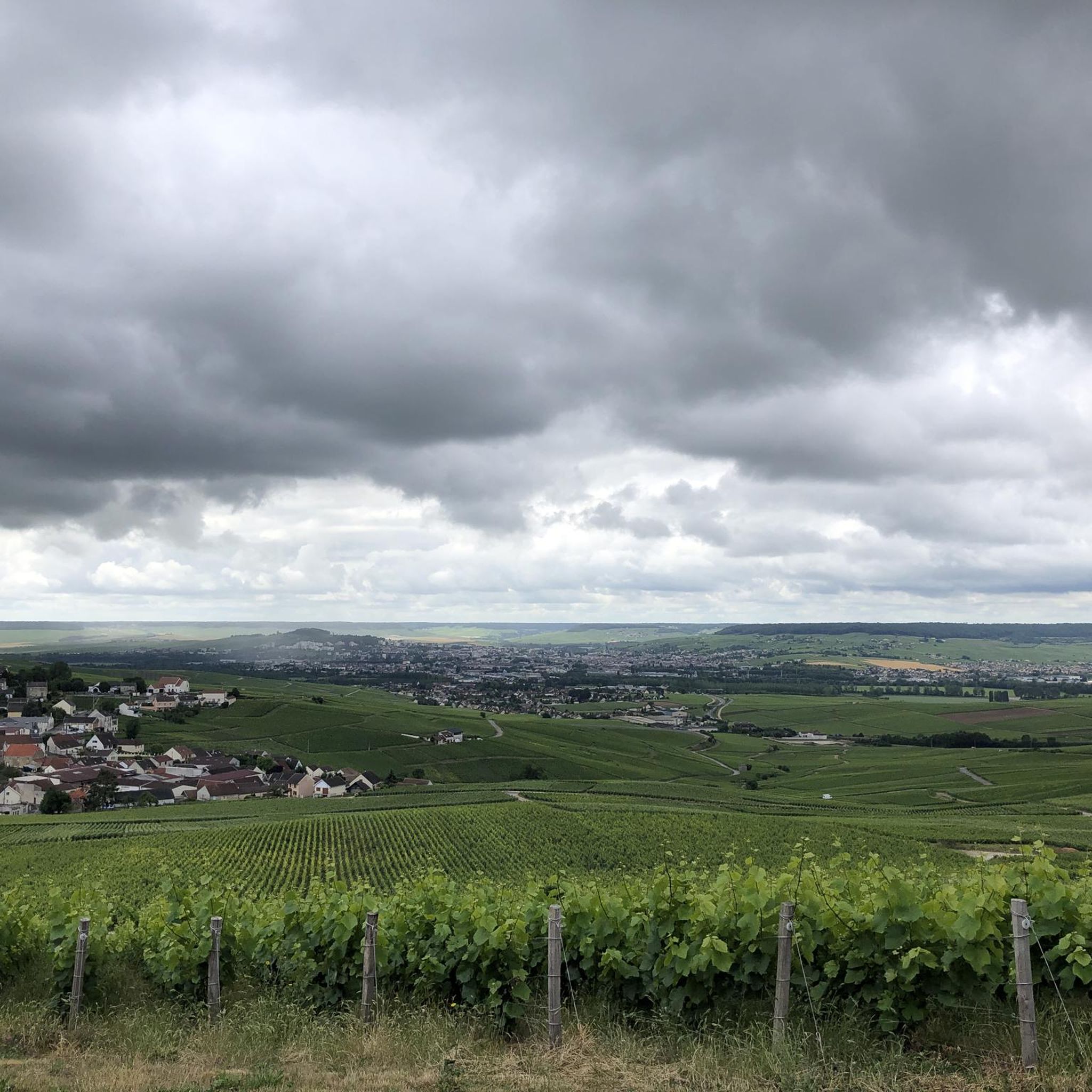
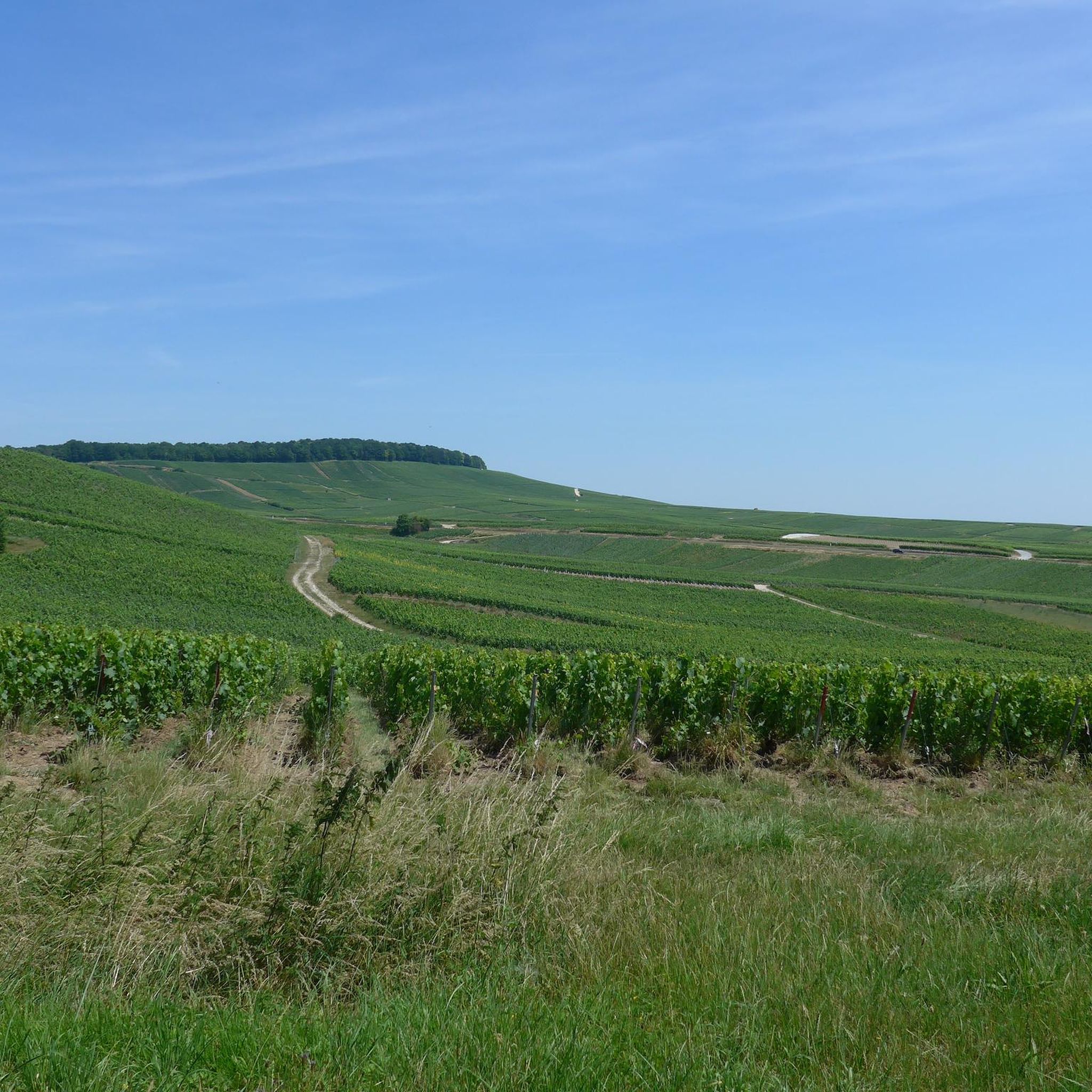
Road cycling routes around Givry-Lès-Loisy traverse the rolling terrain of the Marne department, characterized by expansive vineyards and significant forest areas. The landscape features scenic vistas of the Champagne wine-producing region. Cyclists encounter routes that wind through these diverse natural settings, including fields and areas with natural springs. The region offers a blend of natural beauty and cultural heritage, providing varied terrain for road cycling.
Best road cycling routes around Givry-Lès-Loisy
- The most popular road cycling route is Hautvillers height…
Last updated: July 9, 2026
18
riders
105km
05:13
1,430m
1,430m
Hard road ride. Very good fitness required. Mostly well-paved surfaces and easy to ride.
5.0
(1)
13
riders
50.9km
02:35
690m
690m
Moderate road ride. Good fitness required. Mostly well-paved surfaces and easy to ride.

Sign up for free
7
riders
54.5km
02:34
470m
470m
Moderate road ride. Good fitness required. Mostly well-paved surfaces and easy to ride.
8
riders
163km
07:33
1,830m
1,830m
Hard road ride. Very good fitness required. Mostly well-paved surfaces and easy to ride.
4
riders
52.9km
02:32
500m
500m
Moderate road ride. Good fitness required. Mostly well-paved surfaces and easy to ride.
Get access to more routes and recommendations from other explorers.
Sign up for free
Already have an account?
Our route recommendations are based on thousands of hikes, rides, and runs completed by other people on komoot.
Start today with a free account
Your next adventure awaits.
Login or Signup


Tips from the Community

The Holy Father known as Pope Urban II was born here around 1035. His name is known as Odon de Lagery, also Eudes de Châtillon, or Otton de Châtillon. He joined the Benedictine Order named after Benedict of Nursia (OSB for the Latin "Ordo Sancti Benedicti") and became prior of the highly important Cluny Abbey. In 1088, he was elected pope, taking the name Urban II. As the supreme shepherd of the Roman Catholic Church, he supported the Reconquista in Spain and the First Crusade in support of Byzantium. His theological reasoning was based on the second chapter of the Old Testament Book of Daniel, which describes a turning point in history. He died in 1099. His feast day in the calendar of saints is July 29, the recorded date of his death.
0
0

A beautiful complex, including a hotel, where you can even just enjoy a drink in the castle courtyard. A very pleasant place for a break. Only the champagne, at €12.50 a glass, is a bit overpriced.
0
1

The view from the beautiful rest areas around the monument of Pabst Urban II over the Marne valley and the vineyards of Champagne is magnificent ☺️
2
0

very interesting to see absolutely!
0
0

Magnificent spot for a breathtaking view.
0
0


Simply great 😊 please enjoy the view 😌
2
0
The pope known as Pope URBAN II was born here around the year 1035. The versions of his name that are circulating are Odon de Lagery, also: Eudes de Châtillon, Otton de Châtillon. He joined the Benedictine Order named after Benedict of Nursia (OSB for the Latin "Ordo Sancti Benedicti") and became prior of the very important Cluny Abbey. In the year of our Lord 1088 he was elected pope and took the name URBAN II. As the supreme shepherd of the Roman Catholic Church, he supported the Reconquista in Spain and the first crusade in support of Byzantium. His theological justification was based on the second chapter of the Old Testament book of Daniel, where a turning point is described. He died in 1099. His memorial day in the calendar of saints is July 29, the recorded date of his death.
2
1
Frequently Asked Questions
How many road cycling routes are available around Givry-Lès-Loisy?
There are over 15 road cycling routes around Givry-Lès-Loisy, catering to various skill levels. You'll find options ranging from easy to difficult, with 8 routes classified as moderate and 6 as difficult.
What kind of terrain can I expect on road cycling routes in Givry-Lès-Loisy?
The terrain around Givry-Lès-Loisy is characterized by rolling hills, extensive vineyards, and significant forest areas. Cyclists can expect scenic vistas of the Champagne wine-producing region, with routes winding through diverse natural settings, including open fields and areas with natural springs.
Are there any challenging road cycling routes with significant climbs?
Yes, Givry-Lès-Loisy offers several challenging routes with significant elevation gains. For instance, the Hautvillers height – Saint Martin Church of Reuil loop from Vertus is a difficult 105.8 km trail with over 1460 meters of elevation gain. Another demanding option is the Church and viewpoint – Route du vignoble loop from Vert-la-Gravelle, which spans 170.4 km with over 2080 meters of climbing.
What natural features can I see while cycling in the region?
Beyond the expansive vineyards, you'll encounter significant forest areas, natural springs, and picturesque ponds. The region is also known for the "jolie falaises de Cuis et Grauves" (pretty cliffs of Cuis and Grauves) and offers magnificent views of the Marais de Saint Gond along some routes.
Are there any historical landmarks or points of interest along the road cycling routes?
Yes, several routes pass by historical landmarks. For example, the Route d'Épernay – Étoges Castle loop from Étoges takes you past the impressive Étoges Castle. You might also encounter the historical menhir of Congy, and the Château de Congy – Saint-Denis Church loop from Congy leads through vineyards and past historical sites.
Are there any circular road cycling routes around Givry-Lès-Loisy?
Many of the routes in the area are designed as loops, offering circular journeys. Examples include the Hautvillers height – Saint Martin Church of Reuil loop from Vertus, the Route d'Épernay – Étoges Castle loop from Étoges, and the Champagne Tourist Route – past Mareuil-sur-Ay loop from Villers-aux-Bois.
What is the best time of year for road cycling in Givry-Lès-Loisy?
The region is generally pleasant for road cycling from spring through autumn. During these seasons, the vineyards are vibrant, and the weather is typically mild, offering ideal conditions to explore the scenic routes. Summer provides longer daylight hours, while spring and autumn offer cooler temperatures and beautiful seasonal colors.
Are there any viewpoints along the road cycling routes?
Yes, the rolling terrain and vineyard landscapes provide numerous opportunities for scenic viewpoints. Routes often offer magnificent views of the Champagne region, including vistas of Avize and the Marais de Saint Gond. The Church and viewpoint – Route du vignoble loop from Vert-la-Gravelle specifically highlights a viewpoint.
Can I find family-friendly road cycling options in Givry-Lès-Loisy?
While many routes feature rolling hills, there are easier options suitable for families or those seeking a more relaxed ride. The region's network includes 2 easy routes and 8 moderate routes, which can be adapted for family outings depending on the children's experience. An old railway line between Montmort-Lucy and Étoges also offers a flatter, historical path suitable for cycling.
What do other road cyclists appreciate most about cycling in Givry-Lès-Loisy?
Road cyclists frequently praise the diverse landscape, which combines the beauty of expansive vineyards with tranquil forest sections and open fields. The blend of natural beauty and cultural heritage, including historical landmarks, is also highly valued, offering varied experiences for all ability levels.
Are there any long-distance road cycling routes available?
Yes, for those seeking longer rides, the region offers routes that extend over significant distances. The Church and viewpoint – Route du vignoble loop from Vert-la-Gravelle, for example, is a substantial 170.4 km route, while the Hautvillers height – Saint Martin Church of Reuil loop from Vertus covers 105.8 km, providing ample opportunity for extended cycling adventures.
What is the difficulty distribution of road cycling routes in Givry-Lès-Loisy?
The routes around Givry-Lès-Loisy offer a good mix of difficulties. Out of approximately 16 routes, 2 are considered easy, 8 are moderate, and 6 are difficult, ensuring options for cyclists of all experience levels.
Most popular attractions around Givry-Lès-Loisy

Get inspired with the komoot mobile app


Explore more
Browse the best Road cycling routes in other regions.
