Attractions and Places To See around Belleray - Top 20
Best attractions and places to see around Belleray include historical sites and natural landscapes. Situated in the Meuse department of northeastern France, Belleray lies on the left bank of the Meuse River. The area offers a blend of historical sites, natural beauty, and cultural insights, with convenient access to the significant historical sites of Verdun, located 4 km away.
Best attractions and places to see around Belleray
- The most popular attractions is Douaumont Ossuary, a man-made monument that serves…
Last updated: June 22, 2026
Douaumont Ossuary
Highlight • Monument
Let us never forget this horror!
Translated by Google •
Tip by

Monument to the Dead and the Children of Verdun
Highlight • Other
Translated by Google •
Tip by

Sign up now to discover places like this
Get recommendations on the best single tracks, peaks, & plenty of other exciting outdoor places.
Sign up for free
Verdun Memorial
Highlight • Historical Site
Translated by Google •
Tip by
Verdun War Memorial
Highlight • Monument
Translated by Google •
Tip by

Monument to Victory and the Soldiers of Verdun
Highlight • Other
Translated by Google •
Tip by

Sign up for free to discover even more attractions around Belleray.
Sign up for free
Already have an account?
Start today with a free account
Your next adventure awaits.
Login or Signup
Tips from the Community

The Ossuary of Douaumont is an impressive memorial that holds the remains of more than 130,000 unknown French and German soldiers who died during the Battle of Verdun (1916). The bones are visible through small windows in the base – a confronting reminder of the horrors of war. In front of the ossuary is the Nécropole nationale de Douaumont, the largest French military cemetery of the First World War, with 16,142 graves, including a Muslim and Jewish plot. The complex was recognized as a UNESCO World Heritage Site in 2023.
8
0
The Mémorial de Verdun, located near the ruined village of Fleury-devant-Douaumont, is a leading museum and commemoration site for the Battle of Verdun (1916). The museum displays more than 2,000 objects and uses authentic objects, photographs and audiovisual installations to show how French and German soldiers experienced this battle – in the exact same place where they fought.
8
3
Inaugurated in 1928, this war memorial in Verdun honours the city’s inhabitants who died for France in both world wars. It was built on the remains of a military butcher’s shop, on the crescent of the Chaussée, a 17th-century fortification. The sculpture depicts five soldiers – a cavalier, an engineer, an infantryman (poilu), an artilleryman and a territorial – forming a symbolic wall under the motto of Verdun: “On ne passe pas”.
8
0

A huge monument honoring the fallen soldiers in and around Verdun. From the top, there's a magnificent view of the city.
6
0

The monument consists of five figures representing the five corps of the army involved in the 1916 battle: a horseman, an engineer, a territorial man, an infantryman and an artilleryman.
5
0
The monument to the dead and children of Verdun, built in 1928, rests on the crescent-shaped road built in the 17th century by order of Marshal Vauban. It stands on the site of the military butchery that was destroyed in 1916.
6
0
The War Memorial in Honour of the Citizens of Verdun, erected in 1928, is built in the La Chaussée demi-lune, part of the fortifications built in the 17th century by Marshal Vauban. The monument stands on the site of the former military slaughterhouse that was destroyed in 1916. The statues represent the five weapons of the French army that were involved in the battle of 1916. From left to right we can see: a cavalryman, a sapper-engineer, an infantryman, also known as a "poilu", an artilleryman and a reservist. These five soldiers form a human wall that symbolises the motto of the city: "They shall not pass". The names of the soldiers of Verdun who died in the First and Second World Wars are inscribed on the base of the monument. See also: A statue of General Sarrail opposite the monument and a bust of General Mangin on the wall of the city wall on the right. NOTE: Verdun's patriotic calendar is full and the commemorative ceremonies of 1 and 11 November take place in front of this monument. Be sure to visit in the evening, when the War Memorial Verdun is illuminated in the French national tricolour. Source: Tourism Verdun
6
0
This monument was built in 1929 in the city centre. The 73 steps lead to a crypt where the names of the soldiers were recorded in the Verdun Medal. Above the 30-metre high tower is a tower that leads east and back east. This monument is a permanent feature of the city. Beneath the warrior's feet is a crypt that is accessible to the public. From there, a soldier can search or go to the Mediterranean (from April to November). On 1 November, a ceremony was held at the Victory Monument to welcome the Holy Land under the Arc de Triomphe in Paris. This ceremony is a reflection of the sacrifices of the warlords and the desire of the incredible soldier. The anonymous soldier was killed on 10 November 1920 in the underground citadel of Verdun. Source: Tourism Verdun
6
0
Frequently Asked Questions
What historical sites can I visit directly in Belleray?
Within Belleray itself, you can explore the site of The Necropolis of Belleray, which holds the remains of 111 French soldiers from the Battle of France. The Belleray Bridge, rebuilt in 1962, also has historical significance, replacing an older structure vital for connecting the community. Additionally, the Aviators' Stele is a monument dedicated to aviators.
What significant World War I sites are easily accessible from Belleray?
Given Belleray's close proximity to Verdun (just 4 km away), numerous major WWI sites are readily accessible. These include the solemn Douaumont Ossuary, the comprehensive Verdun Memorial, and the impressive Monument to Victory and the Soldiers of Verdun. Other notable sites nearby are the Underground Citadel of Verdun, Fort Douaumont, Fort de Vaux, and the preserved Trench of the Bayonets.
What natural attractions are there in Belleray?
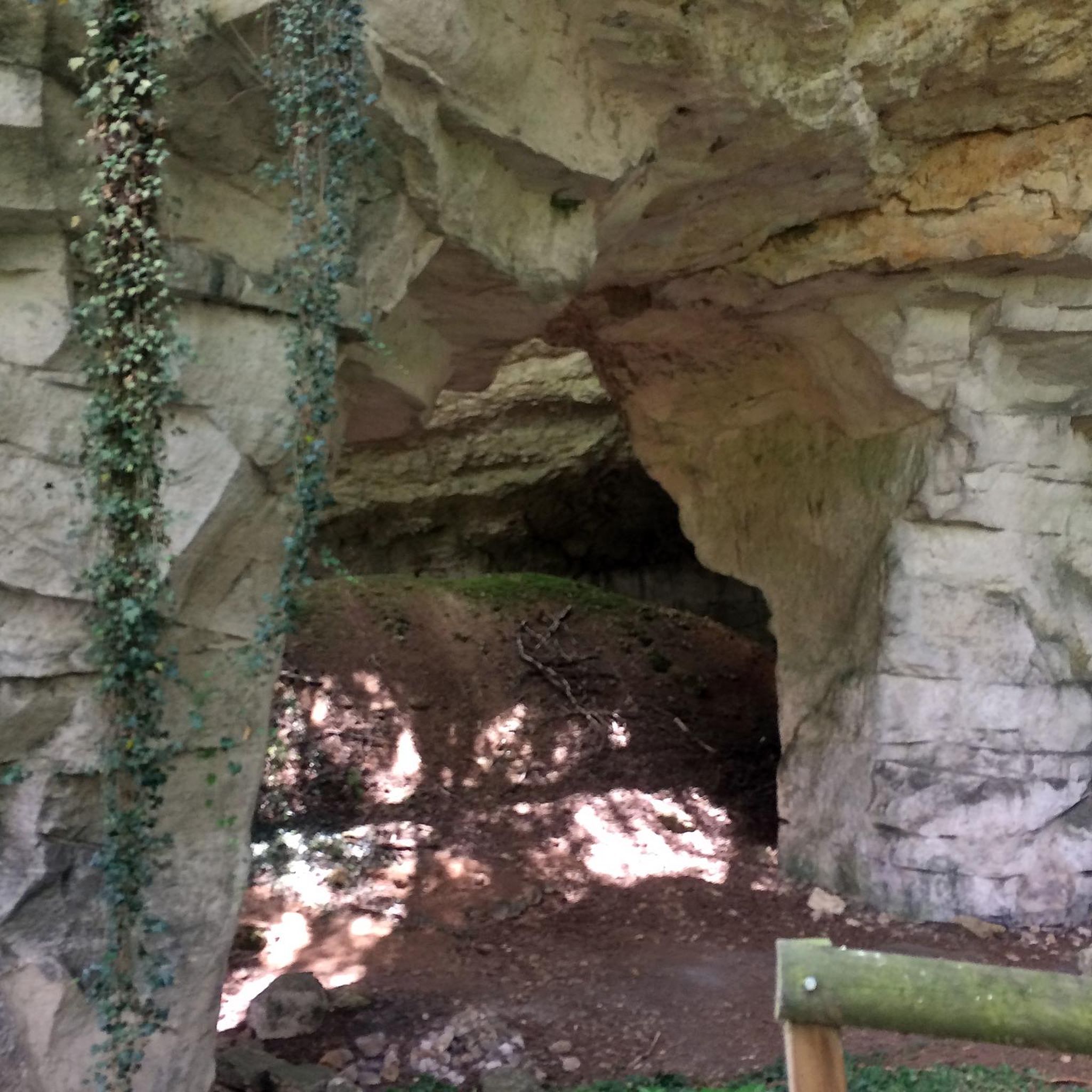
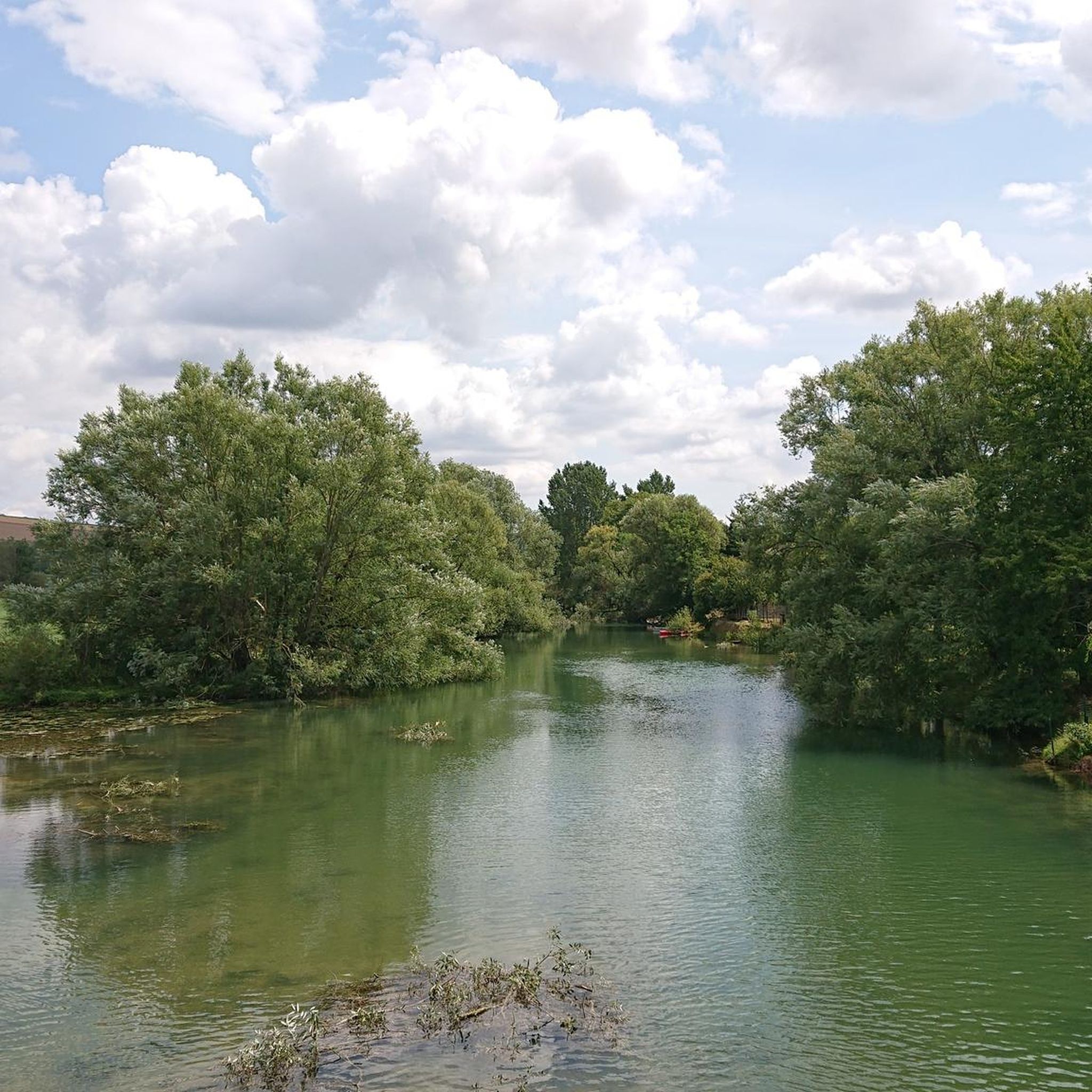
Belleray is rich in natural beauty, particularly along the Wild Meuse River, which flows through the commune and offers serene landscapes. You can also explore the Falouze Caves, located on a scenic site linking Belleray to Dugny, perfect for walks along the cliff and river. The municipality also encompasses approximately thirty hectares of Belleray Wood, providing further opportunities to enjoy nature.
Are there hiking trails in Belleray?
Yes, Belleray offers several hiking trails that traverse the commune's territory in the Val de Meuse. Popular options include "La Pierre," "The Aviator," and "The Falouze." The Falouze site, in particular, is highlighted for walking and running. For more details on local hiking routes, you can explore the Attractions and Places To See around Belleray guide.
Can I go cycling near Belleray?
Absolutely! The area around Belleray is well-suited for cycling. You can find various routes, including easy rides along the Meuse River. For detailed cycling routes, including options for road cycling and general touring, check out the Cycling around Belleray guide.
Are there opportunities for mountain biking around Belleray?
Yes, mountain biking enthusiasts will find trails near Belleray. There are routes ranging from moderate to difficult, offering diverse terrain. For specific MTB trails and their difficulty levels, refer to the MTB Trails around Belleray guide.
Are there family-friendly activities or attractions in Belleray?
Belleray offers a few family-friendly options. There is a playground for children with benches and tables located at the beginning of the Falouze alley. Many of the historical sites, such as the Douaumont Ossuary and the Verdun Memorial, are also considered family-friendly, offering educational experiences for older children.
What are the Falouze Caves, and can I explore them?
The Falouze Caves are a natural feature located on a beautiful site connecting Belleray to Dugny. They invite exploration and walks along a cliff and the Meuse River. The Falouze area also has a history of continuous human occupation dating back to the Neolithic period, making it an interesting spot for both nature and history enthusiasts.
What is the best time to visit Belleray for outdoor activities?
The best time to visit Belleray for outdoor activities like hiking and cycling is generally during the spring (April-June) and autumn (September-October) when the weather is mild and pleasant. Summer (July-August) is also suitable, though it can be warmer. These seasons offer ideal conditions for exploring the natural features and trails.
Are there any unique local art or architectural features to see?
Yes, Belleray has some unique local cultural elements. The Mayor's Office displays works by local artist Madame Yvette Duval. Additionally, the chapel in Billemont, a nearby area, features notable Billemont Chapel Windows, which are worth seeing for their artistic and architectural merit.
Are there dog-friendly trails in Belleray?
Many of the natural trails in and around Belleray, such as those in Belleray Wood and along the Wild Meuse, are generally dog-friendly. However, it's always recommended to keep dogs on a leash and be mindful of local regulations, especially in protected natural areas or near historical sites.
Where can I find parking when visiting attractions in Belleray?
While specific parking details for every attraction are not provided, Belleray is a small commune, and parking is generally available in the village center or near major points of interest. For the Falouze alley playground, there are benches and tables, suggesting accessible parking nearby. When visiting sites in Verdun, dedicated parking facilities are usually available.
Is Belleray accessible by public transport?
Belleray is a small commune, and direct public transport options might be limited. It is located 4 km from Verdun, which is a larger town with more public transport connections. Visitors typically reach Belleray by car, which offers the most flexibility for exploring the surrounding attractions and natural sites.
Most popular routes around Belleray

Get inspired with the komoot mobile app


Explore more
Still not found the Highlight you’re looking for? See guides of the top attractions in other regions:
