Attractions and Places To See around Le Fidelaire - Top 13
Best attractions and places to see around Le Fidelaire include historical landmarks, natural beauty, and cultural events. This charming commune in the Eure department of Normandy offers a glimpse into rural French life. Visitors can explore various hiking circuits through forests and open plains, or discover historical sites reflecting the area's past. The region provides diverse opportunities for outdoor activities and cultural engagement.
Best attractions and places to see around Le Fidelaire
- The most popular attractions is Conches-en-Ouche Keep,…
Last updated: October 11, 2026
Conches-en-Ouche Keep
Highlight • Castle
Translated by Google •
Tip by

Champignolles
Highlight • Settlement
This village has been in a new commune with La Vieille Lyre since the end …
Translated by Google •
Tip by

Sign up now to discover places like this
Get recommendations on the best single tracks, peaks, & plenty of other exciting outdoor places.
Saint-Éloi Church of Le Fidelaire
Highlight • Religious Site
Translated by Google •
Tip by

La Ferrière-sur-Risle Village Center
Highlight • Settlement
Translated by Google •
Tip by
Le Val Gallerand
Highlight • Monument
Translated by Google •
Tip by

Sign up for free to discover even more attractions around Le Fidelaire.
Already have an account?
Start today with a free account
Your next adventure awaits.


Tips from the Community

The town of Goms is rather pretty, too bad it is populated by inbreds
0
1

Le Fidelaire … the origin of the toponym is clearer than it seems when we know that the Latin fagus (the beech) gave fayou fi: the Fidelaire is therefore the Fi of the Aire, that is to say the beech near which is the area where the peasants thresh the wheat. In the twelfth. There was one of the five chapels in the forest of Goms, dedicated to Saint Eloi. All were given in 1123 to the abbey of Conches which henceforth had the patronage. This was confirmed to the monks by the bishop of Évreux in 1239. Source https://www.sauvegardeartfrancais.fr/projets/fidelaire-le-eglise-saint-eloi/
0
0

Built at the end of the 11th century by Roger III de Tosny, Lord of Conches. The thickness of the walls is 2.60m. The walls and window embrasures were coated with a layer of mortar mixed with lime and fine sand in order to give a more noble appearance to this flint construction. On the ground floor: it was the food reserve, there were no windows. 1st floor: A central well was used to supply the Château with drinking water. It was emptied in 1849. A fireplace was in each room. It was around 1417, when Conches was in English hands, that the defensive power of the keep was increased under the orders of Captal de Buch. He built an additional tower with the particularity of starting on a square base. Main seats of the castle: 1093: War of the Beautiful Ladies (fight between the Lords of Tosny and the Lords of Breteuil, Beaumont and Evreux) 1199: Philippe Auguste is king of France and he makes the domain of Conches available to his cousin Robert de Courtenay in 1202. 1364: first English occupation. 1371: 100 years war, Bertrand Dugesclin, captain of King Charles V, seizes Conches. 1420: Conquest of Normandy by the English, Henry V, King of England seizes Conches. The castle was taken over in 1440 by Charles VII, King of France. 1441: New English occupation. 1449: The French under the command of Robert de Floques, bailiff of Evreux storm the town of Conches.
0
0
La ferrière sur Risle, a beautiful little village.
0
1
Very beautiful typical village but be careful ⚠️ it climbs well
1
0

In our youth 🤣 there was a cyclo-cross with the ascent of the dungeon 😋 where we did our "classes" in this discipline 🚴😀
1
1

Yes it is a magnificent country village, beautiful panoramas, along the Risle. An indescribable charm. This village has been in a new commune with La Vieille Lyre since the end of 2018. La Vieille Lyre, a charming town with a small flowered village center and the lodging of Trou Normand, a famous inn where the film Le Trou Normand was shot with Bourvil and Brigitte Bardot. You can stop for a picnic at the La Vieille Lyre leisure park on the edge of the Risle. Tables await you with games for children. You can also go from the Vieille Lyre to Champignolles via the valley, you can beautiful homes all along the Valley and discover the Moulin Rouge, magnificent buildings on the banks of the Risle. You will arrive at Champignolles after having discovered the superb valley!
1
0
Frequently Asked Questions
What historical sites can I visit in Le Fidelaire?
Le Fidelaire is rich in history. The most prominent historical site is the Saint-Éloi Church of Le Fidelaire, a listed Monument Historique with a unique L-shaped plan and 16th-century panelled vaulting. The church's history is tied to the area's past iron mining. You can also find a notable funeral yew tree and several archaeological sites within the commune.
Are there any castles or ancient fortresses nearby?
Yes, a significant historical site nearby is the Conches-en-Ouche Keep. This castle is the last remnant of the fortress of Conches-en-Ouche, built at the end of the 11th century. It played a crucial role in many historical battles, including sieges during the Hundred Years' War.
What kind of outdoor activities can I do around Le Fidelaire?
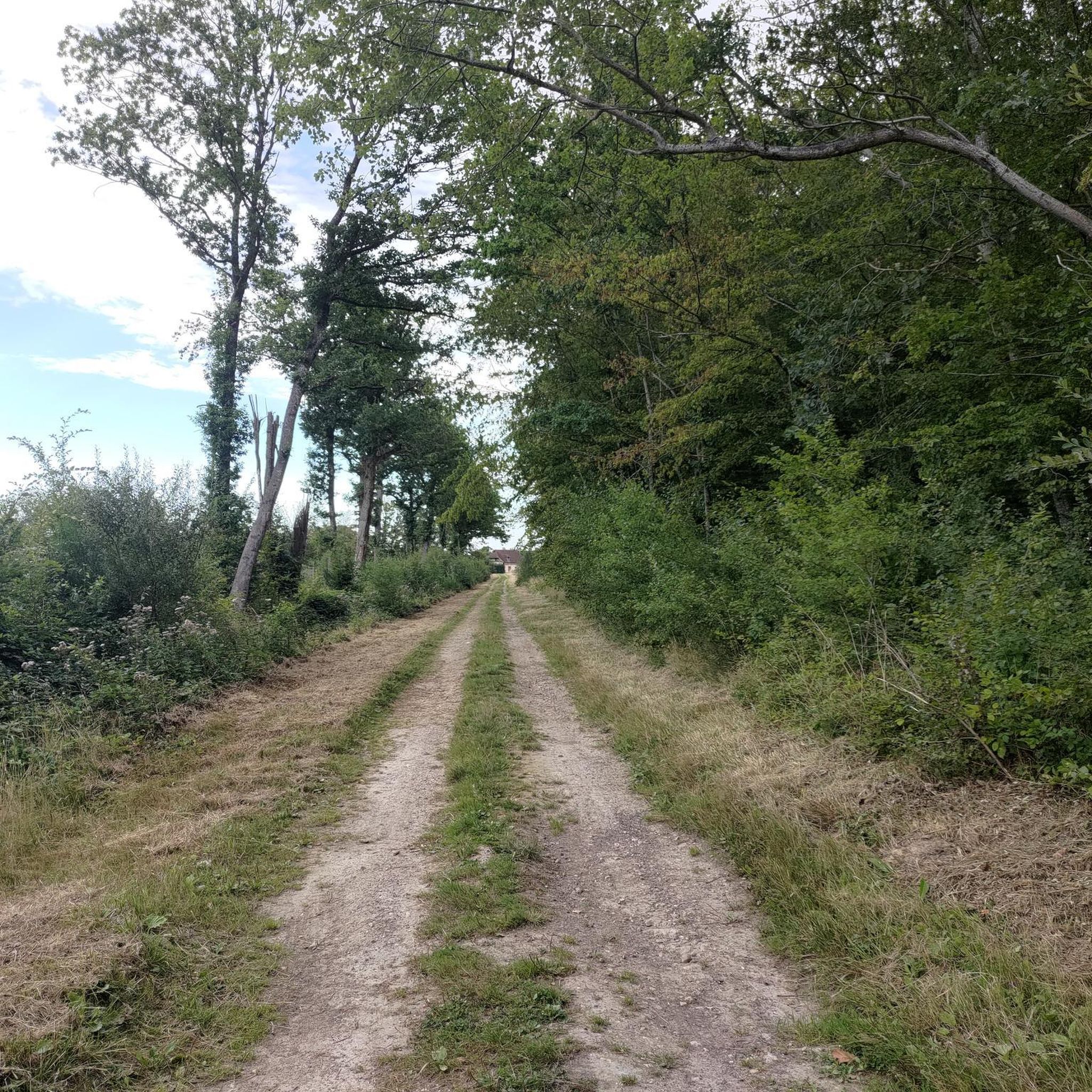
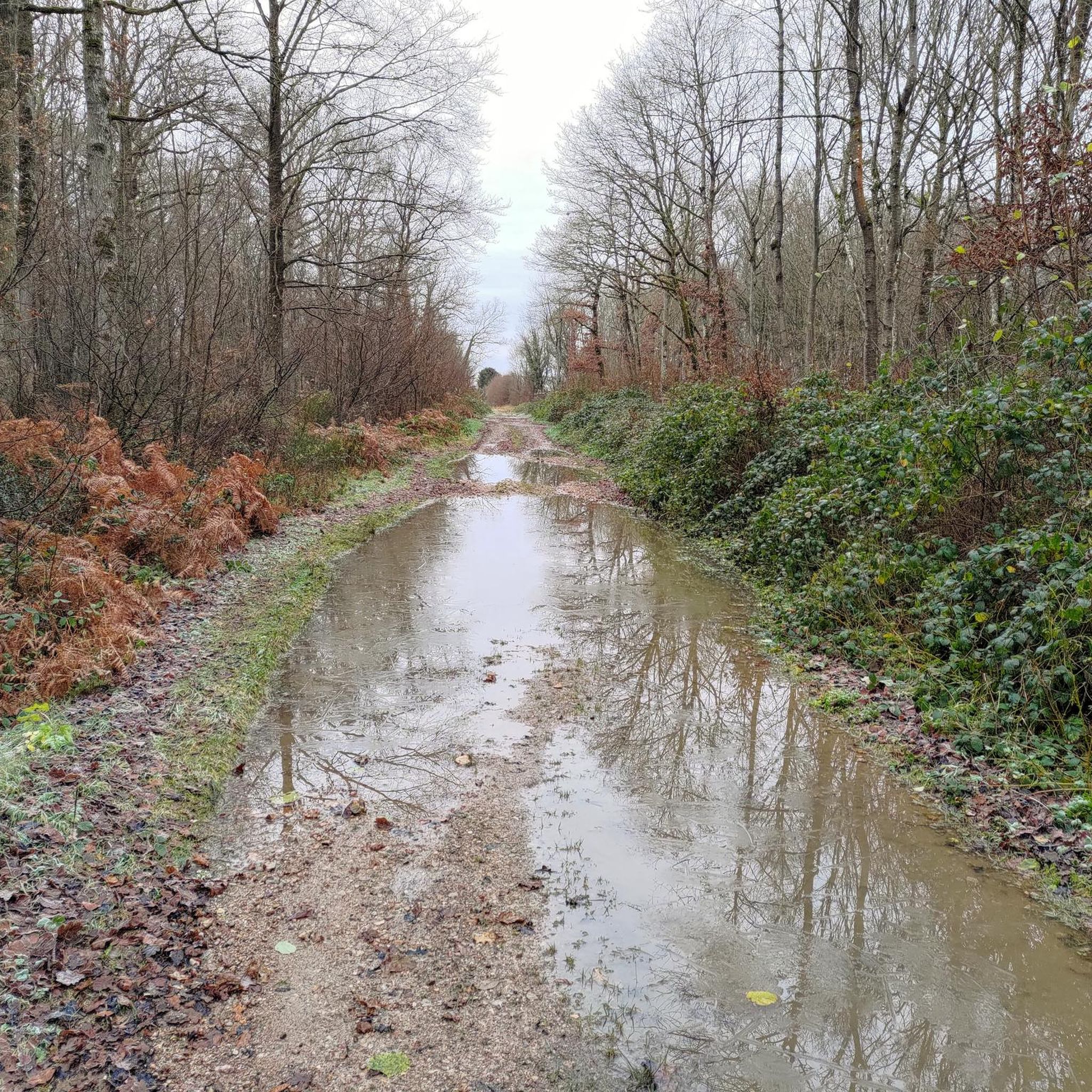
The area around Le Fidelaire is perfect for outdoor enthusiasts. You can explore various hiking circuits that range from 3 km to 12 km, traversing forests and open plains. There are also numerous cycling routes and MTB trails available. For detailed routes, you can check out the hiking guide, cycling guide, and MTB trails guide for Le Fidelaire.
Are there family-friendly attractions in the area?
Yes, the La Ferrière-sur-Risle Village Center is considered family-friendly, offering a glimpse into typical Norman architecture with its market hall and corbelled houses. Additionally, near La Vieille Lyre (close to Champignolles), you can find a leisure park along the Risle with tables for picnics and games for children, making it a great spot for families.
Where can I experience traditional Norman village life?
For a taste of traditional Norman village life, visit La Ferrière-sur-Risle Village Center. This charming settlement is known for its typical Norman architecture, including a market hall and corbelled houses, reflecting its prosperous past. Another beautiful example is Champignolles, a picturesque village along the Risle, praised for its quiet preservation and tidy Norman houses.
What natural features can I explore in Le Fidelaire?
Le Fidelaire's name itself suggests a connection to nature, likely meaning 'beech grove'. The commune is situated within the 'pays d'Ouche', known for its natural landscapes. You can explore various hiking circuits that traverse forests and open plains, allowing you to discover local flora and fauna. One route, the Circuit des Pinsons, passes by a 'mare Natura 2000', highlighting protected natural habitats. The Risle river also flows through the area, offering scenic views.
What cultural events or festivals take place in Le Fidelaire?
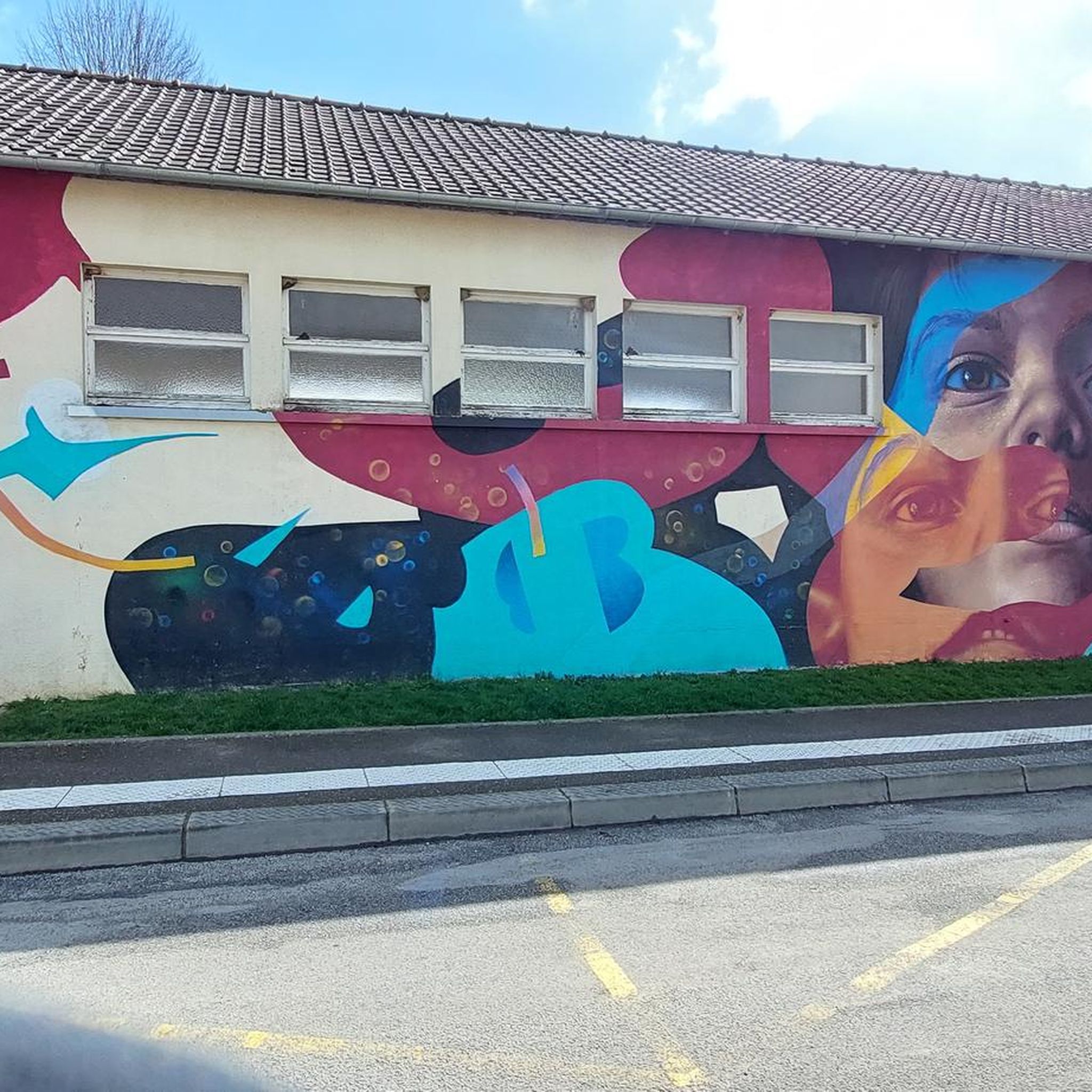
Le Fidelaire has a vibrant cultural scene with several annual events. These include the Aliza'Fest, a concert event featuring multiple music groups, and the Festival Tropicalize, an interdisciplinary cultural event blending urban arts, music, sports, and community engagement, often featuring street art. The municipal agenda also frequently lists events like a Salon du Livre (Book Fair), Fête de la Nature (Nature Festival), and a Marché de Noël (Christmas Market).
Are there any unique architectural sights or hidden gems?
Beyond the well-known sites, Le Val Gallerand is a unique architectural ensemble. Built in the early 1930s, its buildings have an old and unusual look, constructed using materials salvaged from various demolition sites. The village of Champignolles is also considered a hidden gem, described as a 'dreamed rural space' with its preserved natural beauty and traditional Norman houses.
What is the best time to visit Le Fidelaire for outdoor activities and events?
The best time to visit Le Fidelaire depends on your interests. For outdoor activities like hiking and cycling, spring and summer offer pleasant weather. Summer is also when major cultural events like Aliza'Fest and Festival Tropicalize take place. If you're interested in nature, the Fête de la Nature is held annually. For a festive atmosphere, consider visiting during the Christmas season for the Marché de Noël.
What do visitors enjoy most about the attractions around Le Fidelaire?
Visitors particularly appreciate the blend of historical significance and natural beauty. The Conches-en-Ouche Keep is valued for its rich history and strategic importance. The village of Champignolles is loved for its 'indescribable charm,' beautiful panoramas along the Risle, and its quiet, preserved rural character. The typical Norman architecture found in places like La Ferrière-sur-Risle Village Center also receives high praise.
Are there any easy hiking trails suitable for beginners or casual walkers?
Yes, there are several easy hiking options around Le Fidelaire. For instance, the 'Manoir Saint-Calais loop from Louversey' and the 'Old Railway Line loop from Sébécourt' are both rated as easy. These trails offer a gentle way to explore the local landscapes. You can find more details and other easy routes in the hiking guide for Le Fidelaire.
Where can I find local food or drinks near the attractions?
While specific cafes or pubs are not detailed for every attraction, the commune of Le Fidelaire encourages visitors to discover its village life, which includes local commerce like food trucks and a grocery store. Near La Vieille Lyre, which is close to the Champignolles highlight, you can find the 'Trou Normand,' a famous inn. This provides options for local refreshments and meals.

Get inspired with the komoot mobile app


Explore more
Still not found the Highlight you’re looking for? See guides of the top attractions in other regions:
