Attractions and Places To See around Coustaussa - Top 20
Best attractions and places to see around Coustaussa offer a blend of historical sites and natural landscapes in the Aude department of France. The village is situated in the Sals River valley, within the Corbières massif, marking a transition between the Massif Central and the Pyrenees. This region is characterized by its medieval past, including its role in Cathar country history, and features a diverse natural heritage. Visitors can explore a variety of viewpoints and historical landmarks.
Best attractions and…
Last updated: October 18, 2026
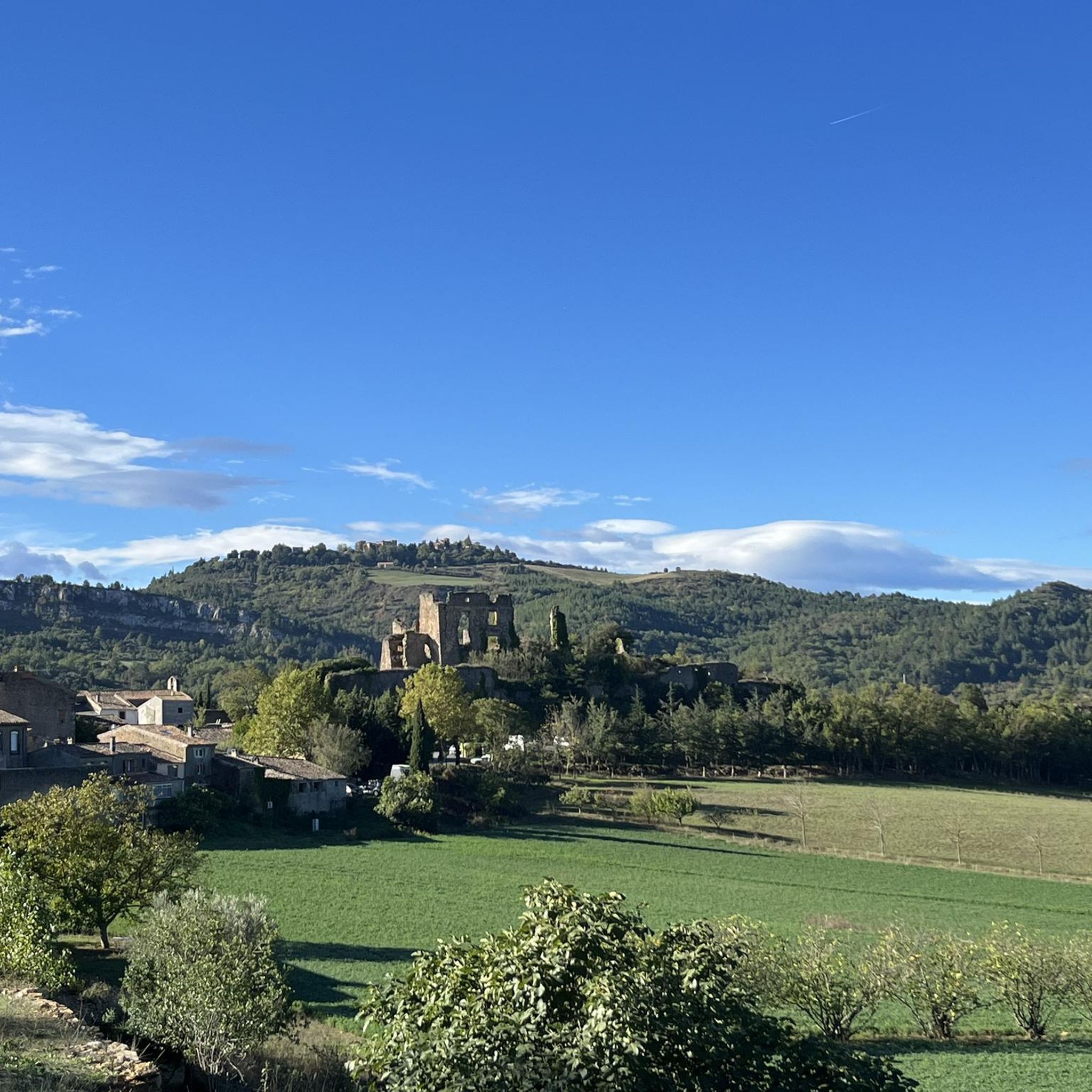
Rennes-le-Château Village and Church
Highlight • Historical Site
This hilltop town has been famous since Father Saunière (village priest) undertook work at …
Translated by Google •
Tip by

Brau Peak
Highlight • Viewpoint
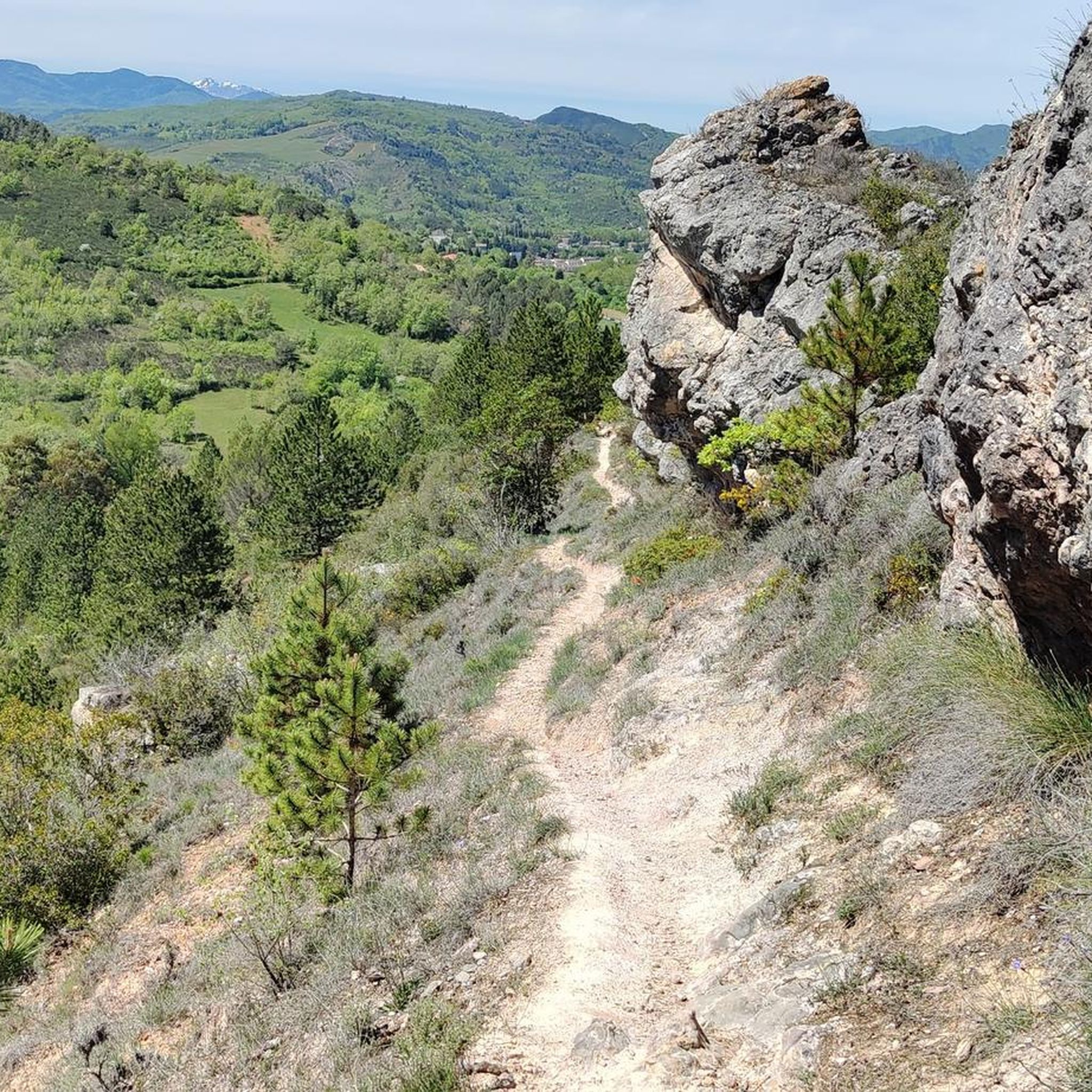
The snowy peaks of the Pyrenees are breathtaking to view without hindrance for as long as you want. Unwind completely on the Pic Du Brau.
Translated by Google •
Tip by

Sign up now to discover places like this
Get recommendations on the best single tracks, peaks, & plenty of other exciting outdoor places.
Pech Cardou
Highlight • Summit
Translated by Google •
Tip by

Climb to Parahou Grand
Highlight (Segment) • Other
Translated by Google •
Tip by

Pech de Bugarach
Highlight • Summit
Translated by Google •
Tip by
Sign up for free to discover even more attractions around Coustaussa.
Already have an account?
Start today with a free account
Your next adventure awaits.

Tips from the Community

Large section above Alet les Bains is fenced off and blocks the route - even slipping around the fence isn’t worth it as the ridiculously steep climb is up a boulder field and unrideable in the direction shown. Some parts of the route are really nice but (1) private land and (2) impassable section makes it a bad day out - avoid
0
0

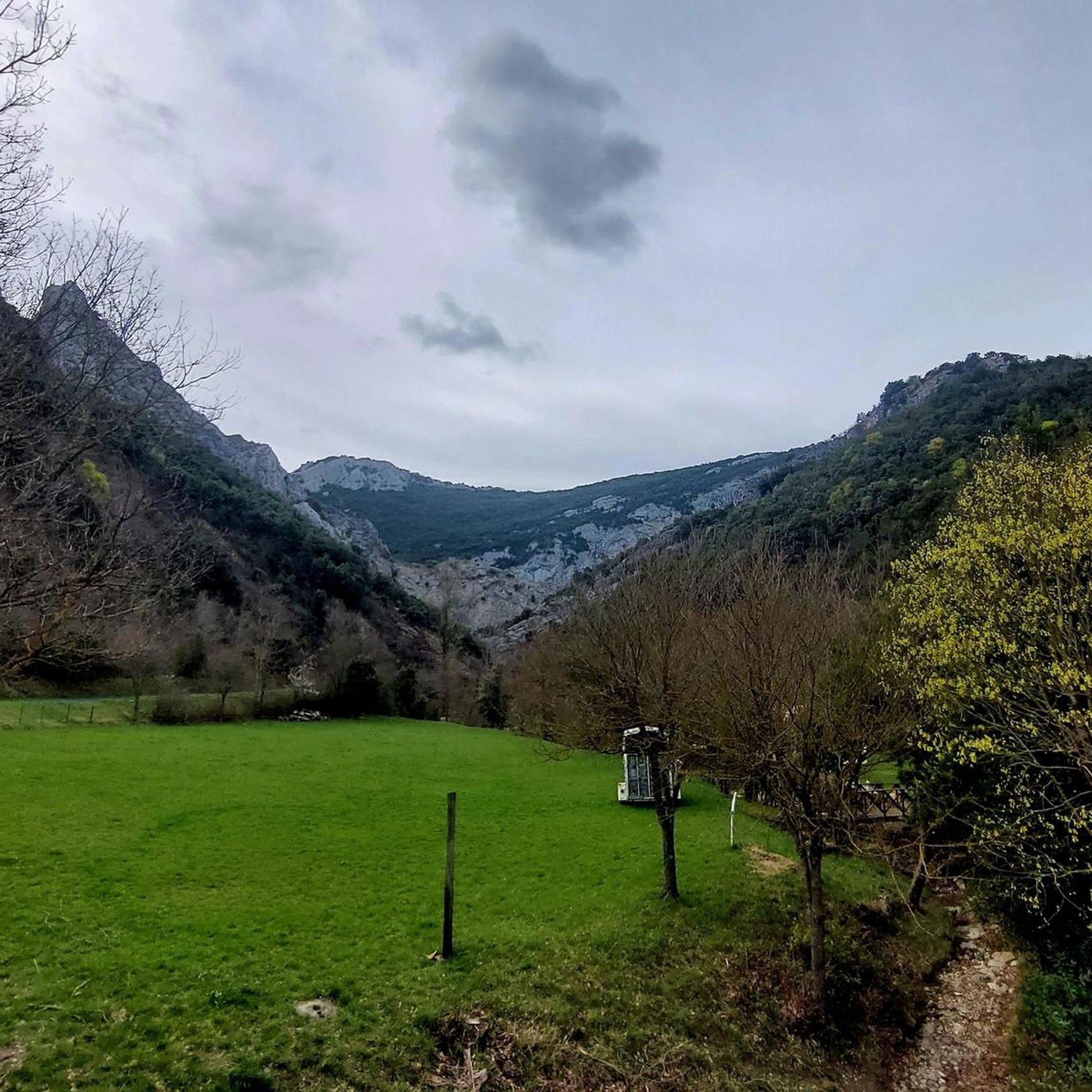
At 1,230 m, it's the highest peak in the Corbières. A very beautiful vantage point. However, the ascent from the southwest requires sturdy shoes and surefootedness.
2
2
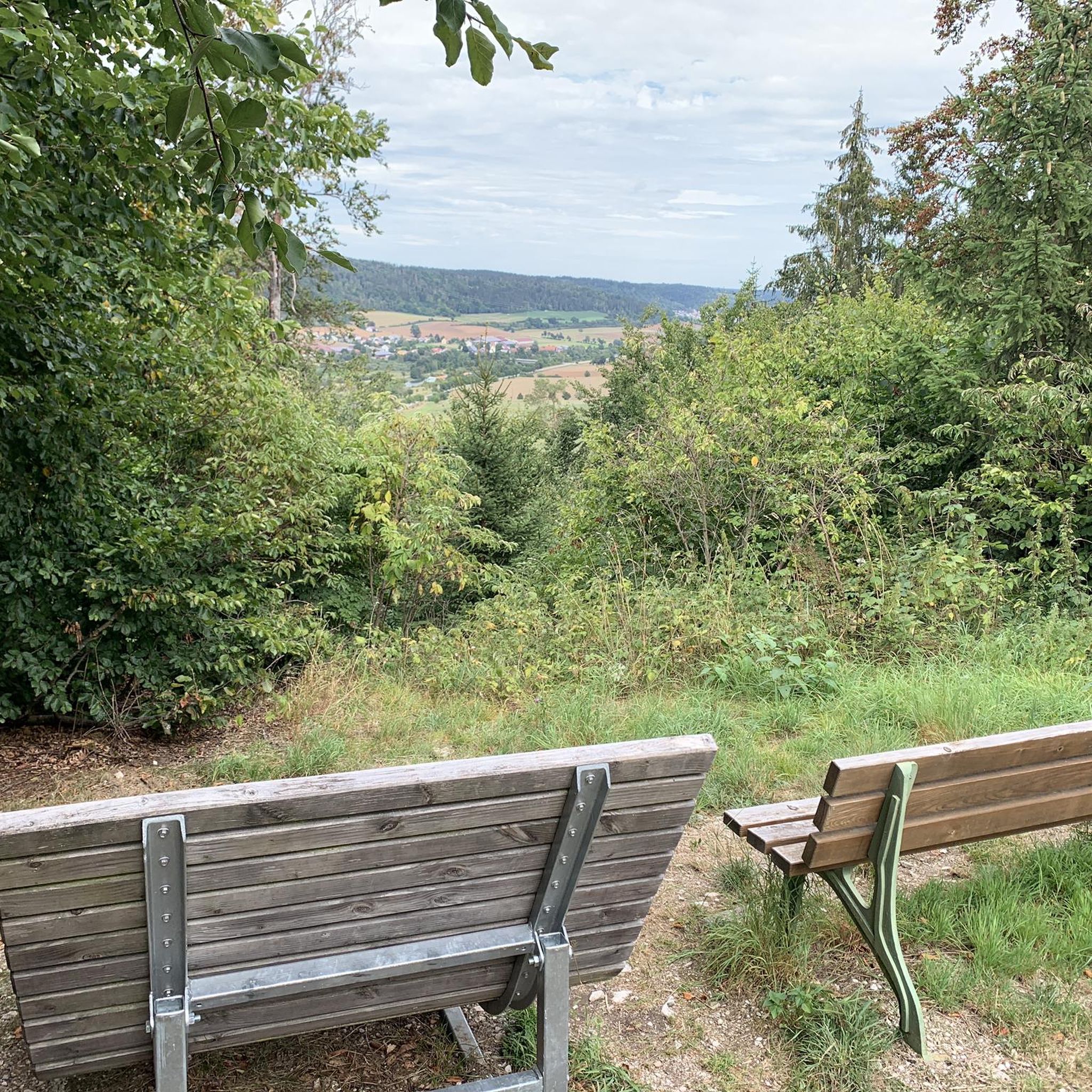
Somehow a magical place with a great view (for the altitude). Unfortunately, you can't see the Pech de Bugarach at this point because of the forest. However, you can see this peak earlier on the eastern ascent route. Caution! The direct route on the Komoot maps from the south is overgrown and barely visible. I wanted to take it on the descent at dusk and turned back. In contrast, the longer, partially signposted route, initially along wide tracks and finally along a path from the east, is clear and easy to follow.
4
0

Located in the Corbières massif, Rennes-le-Château offers lovely views of the Corbières massif from its belvedere. This hilltop town has been famous since Father Saunière (village priest) undertook work at his expense, revealing a mysterious personal fortune. The media hype that followed placed the village at the heart of numerous more or less conspiracy theories and myths of forgotten treasures (ranging from a Gallic treasure from the Volques to the treasure of the Templars).
2
0
Located in the Corbières massif, Rennes-le-Château has been famous since the Abbé Saunière (village priest) undertook work at his own expense, thus revealing a mysterious personal fortune. The ensuing media frenzy placed the village at the heart of many more or less conspiracy theories and myths of forgotten/supposed treasures (ranging from a Gallic treasure from the Volques to the Templar treasure). In any case, it offers pretty views of the Corbières massif from its belvedere.
0
0
The Pic de Bugarach, with its 1230 m altitude, is the highest point of the Massif des Corbières. It is therefore the ideal summit to contemplate the massif.
4
1


Frequently Asked Questions
What historical sites can I explore in Coustaussa?
Coustaussa is rich in history, primarily centered around its medieval past. The most significant historical site is the Château de Coustaussa, a 12th-century medieval castle registered as a historical monument. It played a crucial role in Cathar country history. You can explore its majestic ruins and enjoy stunning views. The village also features a simple stone church with an engraving from 1660 and a 17th-century altarpiece. Additionally, the nearby Rennes-le-Château Village and Church is a famous historical site known for its enigmatic history and mysteries.
Are there any notable natural features or viewpoints in the Coustaussa region?
Yes, the Coustaussa region offers several remarkable natural features and viewpoints. The village itself is perched on a ridge overlooking the Sals River Valley, known for its slightly salty water and picturesque scenery. It's also situated within the Corbières massif, a limestone landscape. For panoramic views, you can visit Pech de Bugarach, the highest point of the Massif des Corbières at 1230 m, offering extensive vistas. Another great viewpoint is Brau Peak, which provides breathtaking views, including the snowy peaks of the Pyrenees.
What kind of hiking opportunities are available around Coustaussa?
The region around Coustaussa offers diverse hiking opportunities. You can find trails that loop through the Sals valley and into the surrounding Corbières massif. For example, the 'Great views on Pyrenees – View of Château de Coustaussa loop from Couiza' is a moderate hike. The Capitelles Trail, featuring dry stone shelters, offers a pleasant and educational walk. For more detailed routes and options, you can explore the Hiking around Coustaussa guide, which includes trails like the 'Ritou Trail' and 'Crêtes loop from Rennes-le-Château'.
Are there family-friendly activities or trails in Coustaussa?
Yes, Coustaussa offers family-friendly options. The Capitelles Trail is a pleasant and educational walk suitable for families, allowing you to observe dry stone shelters. The Château de Coustaussa also features a 15,000 m² semi-natural park with an informative trail, perfect for observing local flora and fauna of the upper Aude valley. While some parts of the castle site may have stairs, the park offers an accessible outdoor experience.
What is the significance of the Château de Coustaussa?
The Château de Coustaussa is a significant 12th-century medieval castle, registered as a historical monument since 1948. It was once as important as the castles of Termes and Puivert, commanding the route between the Aude Valley and the Corbières. The site has a long history, occupied since 730 by Visigoths, and played a crucial role during the Albigensian Crusade, notably taken by Simon de Montfort's crusaders in 1210. A safeguard project is underway, offering guided tours of the monument and its park.
Can I visit Rennes-le-Château from Coustaussa?
Yes, Coustaussa is located just a stone's throw from Rennes-le-Château. This village is famous for its enigmatic history and mysteries surrounding its former priest, Bérenger Saunière. The mysterious death of Abbé Antoine Gélis, a priest in Coustaussa, is also linked to the Rennes-le-Château enigma, making Coustaussa an intriguing stop for those interested in this local mystery.
What is the best time of year to visit Coustaussa attractions?
The Château de Coustaussa is generally open year-round, with varying hours depending on the season. For outdoor activities like hiking and exploring natural features, spring and autumn typically offer pleasant weather. These seasons avoid the peak heat of summer and the colder, potentially wetter conditions of winter, making them ideal for enjoying the region's trails and viewpoints.
Are there any unique natural areas like Natura 2000 sites near Coustaussa?
Yes, the commune of Coustaussa is home to a remarkable natural heritage, including a Natura 2000 site known as the 'hautes Corbières' (upper Corbières). This designation signifies an area of ecological, faunistic, and floristic interest, highlighting its importance for biodiversity. The 15,000 m² semi-natural park at the Château de Coustaussa also provides an opportunity to observe the local flora and fauna of the upper Aude valley.
Are there any accessible paths or attractions in Coustaussa?
While the site of the Château de Coustaussa is generally easy to access, some parts, particularly those with stairs, are not suitable for wheelchairs or strollers. However, the semi-natural park at the Château offers an informative trail that may be more accessible for visitors seeking gentler terrain. It's advisable to check specific accessibility details for individual attractions if mobility is a concern.
Where can I find information about the Château de Coustaussa's opening hours or guided tours?
For the most up-to-date information on opening hours and guided tours for the Château de Coustaussa, it is best to consult the local tourism office's website. You can find details on their official page: Château de Coustaussa on Limouxin Tourisme. A safeguard project is currently underway, which includes offering guided tours of the monument and its park.
What are some popular routes for outdoor activities near Coustaussa?
Beyond hiking, the area around Coustaussa offers various outdoor activities. For running enthusiasts, the Running Trails around Coustaussa guide features routes like the 'Ritou Trail Loop' and 'Pont du Diable loop from Alet-les-Bains'. Mountain biking is also popular, with trails such as 'Rennes-le-Château – La Pique loop from Quillan' and 'Flowiger Singletrail loop from Espéraza' available in the MTB Trails around Coustaussa guide.
What makes the Sals River Valley unique?
The Sals River Valley is unique due to its slightly salty water, which gives it a distinct character. The village of Coustaussa is perched on a ridge overlooking this valley, providing picturesque scenery and contributing significantly to the area's charm. It's a beautiful natural setting that adds to the region's appeal for visitors.
Are there any specific tips for visiting the peaks like Pech de Bugarach or Pech Cardou?
When visiting peaks like Pech de Bugarach or Pech Cardou, sturdy shoes and surefootedness are recommended, especially for the ascent to Pech de Bugarach from the southwest. Pech Cardou is described as a magical place with great views, though the direct route from the south can be overgrown. It's often better to take the longer, partially signposted route from the east for a clearer path. Always be prepared for steep climbs and sharp drops at viewpoints like Brau Peak.
Most popular routes around Coustaussa

Get inspired with the komoot mobile app


Explore more
Still not found the Highlight you’re looking for? See guides of the top attractions in other regions:
