Top 6 Mountain Passes around Dorres
Mountain passes around Dorres are located in the French Pyrenees, providing access to the Cerdagne valley. This region is characterized by its natural landscapes and cultural heritage, including the 13th-century Chapelle Sainte Marie de Bell-Lloc. The terrain features various elevations, offering diverse routes for exploration.
Best mountain passes around Dorres
- The most popular mountain pass is Puymorens Pass, a mountain pass that connects the Ariège valley with Cerdanya. It is known for its moderate incline and attractive route with…
Last updated: May 13, 2026
Puymorens Pass
Highlight • Mountain Pass
Translated by Google •
Tip by

Col du Calvaire (Font-Romeu)
Highlight • Mountain Pass
Translated by Google •
Tip by

Sign up now to discover places like this
Get recommendations on the best single tracks, peaks, & plenty of other exciting outdoor places.
Sign up for free
Porteille des Bésines
Highlight • Mountain Pass
Translated by Google •
Tip by

Coma d'Anyell Pass
Highlight • Mountain Pass
Historically, the pass has long served as a …
Translated by Google •
Tip by
Portella de la Grava
Highlight • Mountain Pass
Translated by Google •
Tip by

Sign up for free to discover even more mountain passes around Dorres.
Sign up for free
Already have an account?
Start today with a free account
Your next adventure awaits.
Login or Signup
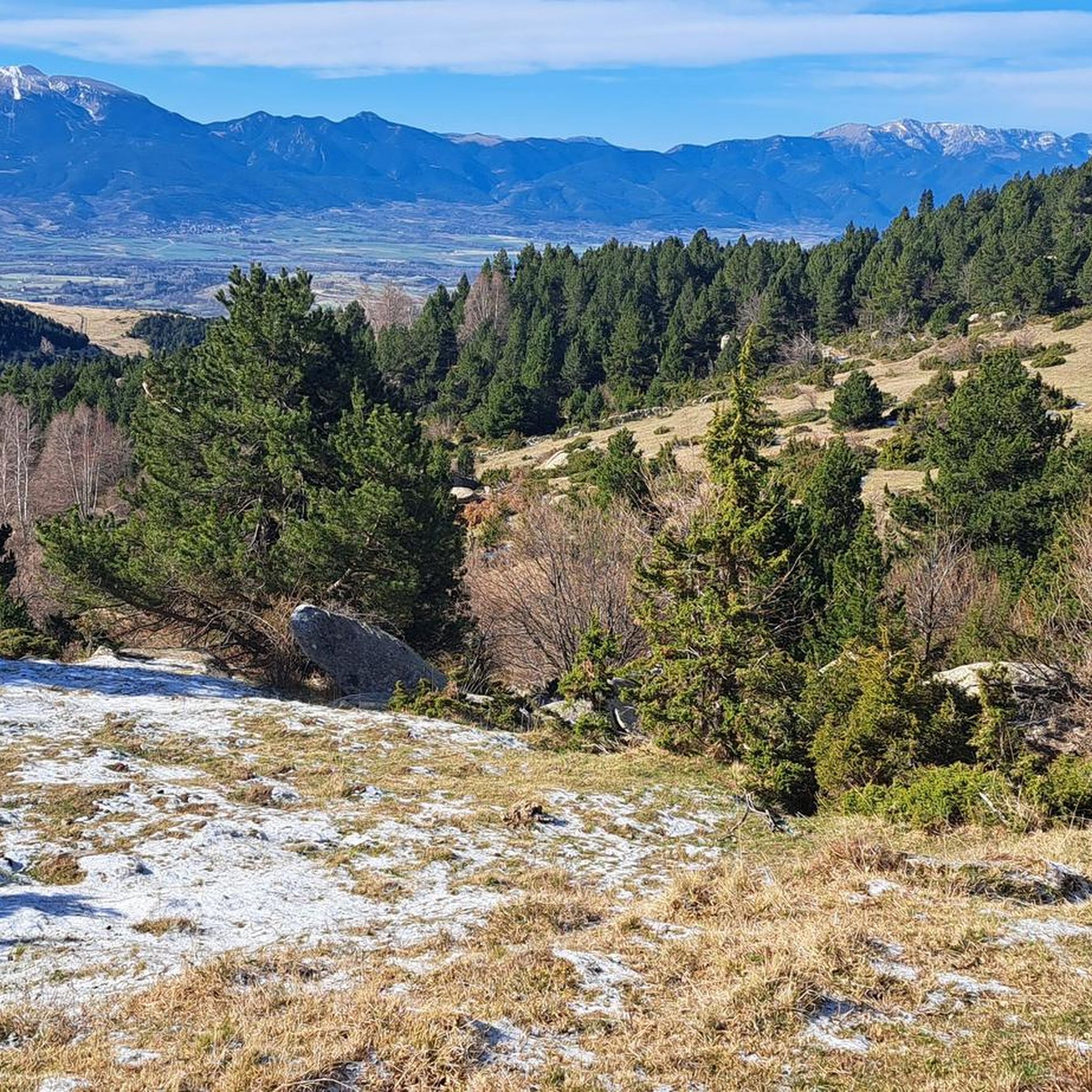
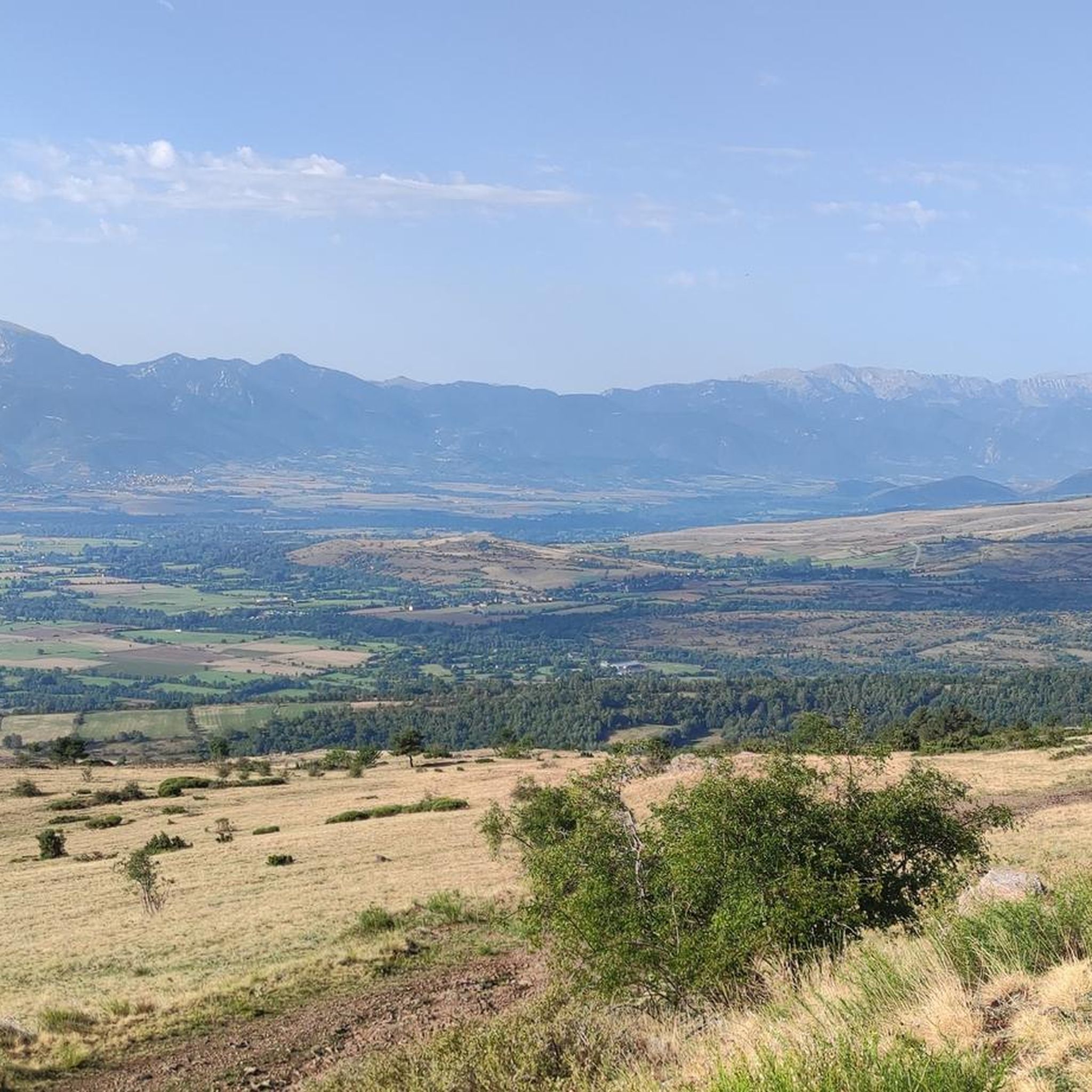

Other adventures around Dorres

Tips from the Community

The only positive thing about this pass is its relatively moderate gradient. The traffic (until the road to Andorra turns off) is horrific. Hordes of motorcyclists, trucks, cars... If you can, you should avoid this pass.
1
0

Although limited to 70 km/h, the tunnel is not passable by bicycle. There's even an electronic toll system.
1
0

Well, starting from Font Romeu and breaking legs from Mont Louis
0
0


Still some snowfields in May
1
0

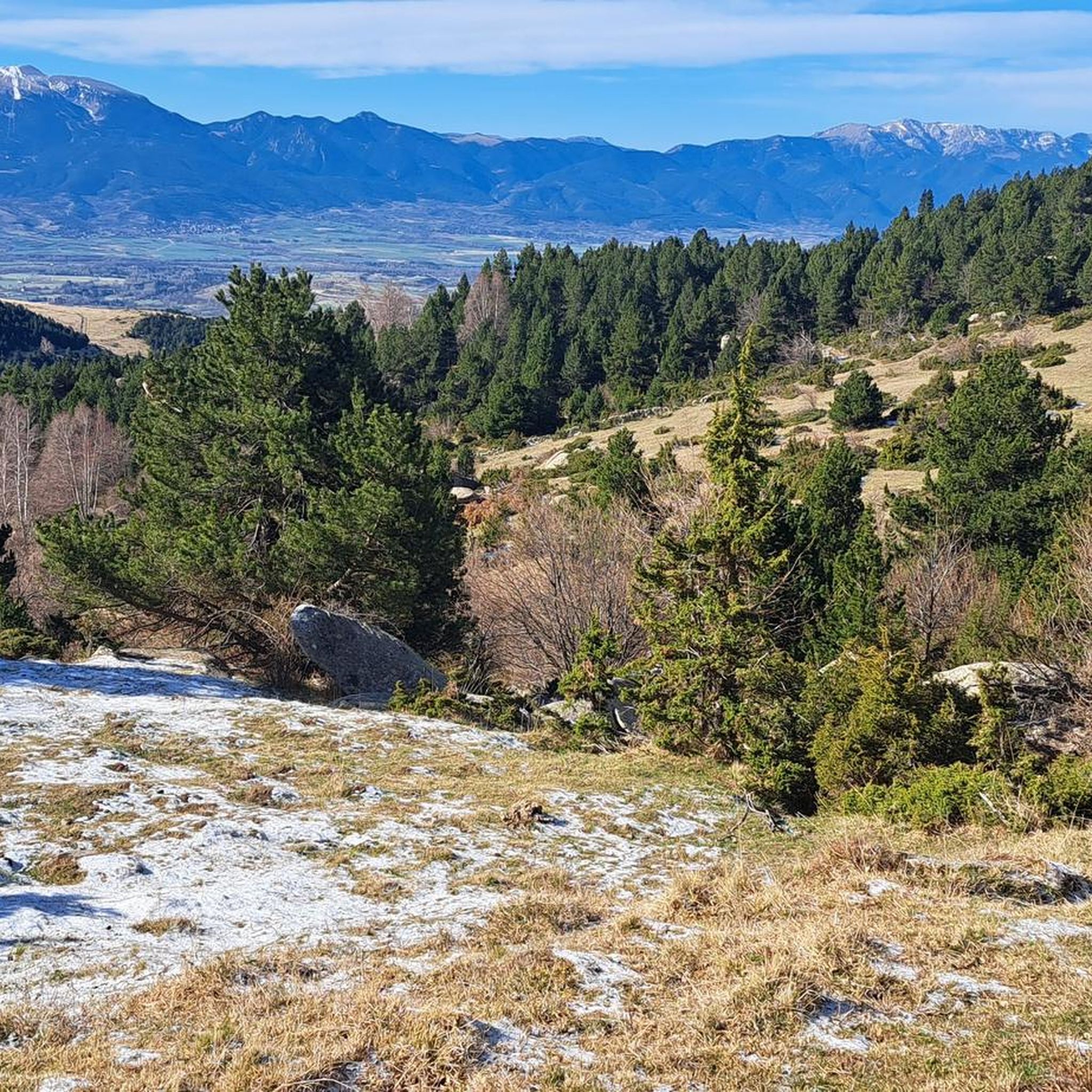
The Col de la Calvaire de Font Romeu is a mountain pass in French Cerdanya, next to the town and ski resort of Font Romeu. This port connects the Bolquère valley with the Cerdanya valley. The port is within the same town of Font Romeu, next to the station's ski lifts. There are many slopes to reach Col de la Calvaire: - the western slope that starts from Ur is approximately 16 km and crosses the town of Targasone and the Col d'Egat. It is a very steep climb along a road in perfect condition, although on holidays there is a lot of traffic. - The southern slope starts from Llívia and crosses Estavar and joins the previous one at the Col d'Egat. Unlike the first, the first section of the climb is very hard, with several horseshoe curves and with wonderful views of the entire Cerdanya and the Tosa d'Alp. - The eastern slope stops at Olette, and after approximately 28 km it reaches the top of the pass, passing through the town of Mont-Louis and Bolquère. It is a very steep climb, like the first, on a road in perfect condition but with a lot of traffic. I don't like going up here. - the eastern slope that starts from Olette and passes through the Col de la Perche, reaching the town of Font-Romeu and from there to the top. Of all the slopes, the one I like the most is the slope that starts from Llívia and crosses Estavar.
0
0

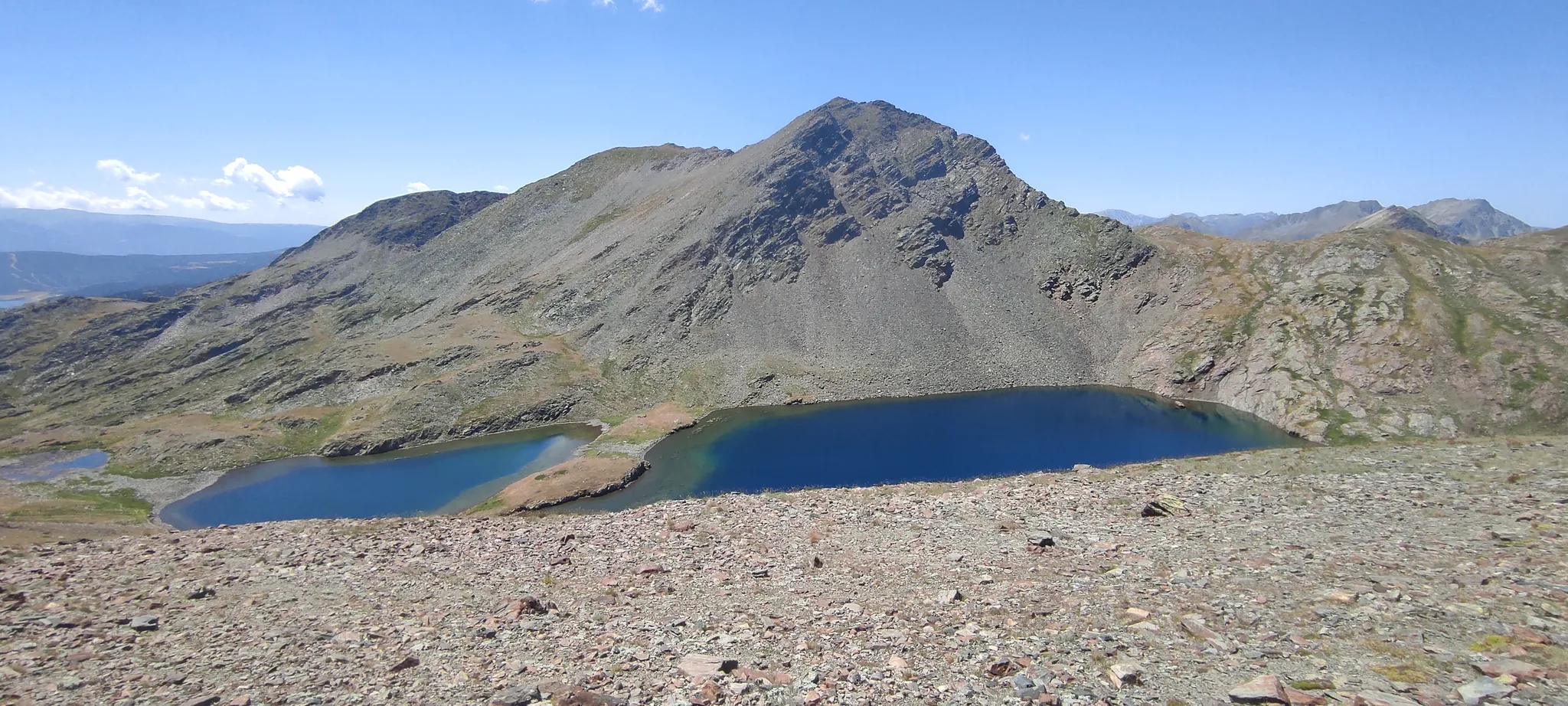
The Porteille of Bésines, a mysterious pass in the depths of the Catalan Pyrenees, tells stories of hikers in search of adventure and silence. Whether you come from the south via the Bésines refuge or from the north via the shimmering Estagnas pond, the path takes you into a world of rugged beauty. The south wall is rougher, as if it had been shaped by centuries of unpredictable weather, while the north wall has a gentler face. And although the climb does not pose any major technical challenges, the moody mountain weather can certainly make the route more demanding. But once you get to the top, it's worth stopping and lingering. The view opens to the gentle peaks of the Catalan Pyrenees Regional Natural Park, which rise majestically. It is as if the mountains in the distance sing a silent melody that touches the heart of every hiker. Every view, every play of light on the peaks tells a story - an invitation to delve even deeper into the heart of this wonderful country.
1
0

The Portella de la Grava is a pass located at an altitude of 2,426 meters. It offers breathtaking views and is an iconic passage for mountain enthusiasts. Through this pass you have scenic access between the northern and southern slopes of the Pyrenees. Its steep path and exceptional panoramas make it a popular place for adventurers in search of natural discoveries.
2
0
Frequently Asked Questions
What are the most popular mountain passes around Dorres?
The most popular mountain pass is Puymorens Pass, known for its moderate incline and attractive route. Other highly regarded passes include Col du Calvaire (Font-Romeu), offering smooth roads and views of the Cerdagne, and Porteille des Bésines, a viewpoint with stunning vistas of the Catalan Pyrenees.
Are there family-friendly mountain passes or walks near Dorres?
Yes, the Col de Juell, directly associated with Dorres, offers an accessible hiking experience. The trail from Dorres is considered light, covering about 3.54 kilometers with a 230-meter ascent, taking approximately 1 hour and 8 minutes, making it suitable for families.
What natural features and viewpoints can I expect to see from the mountain passes?
From the Col de Juell, you can enjoy magnificent views over the Cerdagne valley, including prominent peaks like Canigou, Puigmal, and Carlit Peak. Porteille des Bésines offers views of the peaks within the regional natural park of the Catalan Pyrenees, while Portella de la Grava provides breathtaking panoramas and scenic access between the northern and southern slopes of the Pyrenees.
What outdoor activities can I do near these mountain passes?
The region around Dorres offers a variety of outdoor activities. You can find numerous running trails, such as the 'Ermita de Bell-lloc – Dorres loop', or explore MTB trails like 'Sainte Marie de Belloc – Dorres loop'. For more challenging adventures, there are mountain hikes, including routes to Peak Carlit. You can find more details on these activities in the dedicated guides: Running Trails around Dorres, MTB Trails around Dorres, and Mountain Hikes around Dorres.
Are there any historical or cultural sites near the mountain passes?
Yes, the trail to Col de Juell passes through the charming village of Dorres, known for its sulphurous hot springs and the 13th-century Chapelle Sainte Marie de Bell-Lloc. The Cerdagne region itself holds cultural significance as an area shared by both France and Spain.
What is the best time to visit the mountain passes around Dorres?
The region is generally enjoyable for hiking during warmer months. However, be aware that even in May, some passes like Porteille des Bésines can still have snowfields, and mountain weather can be moody and unpredictable. Always check local conditions before heading out.
How long do hikes to mountain passes around Dorres typically take?
The hike to Col de Juell from Dorres is relatively short, taking about 1 hour and 8 minutes for a 3.54 km ascent. Other passes, especially those used by major hiking routes like the Haute Route des Pyrénées (HRP) or Hexatrek, such as Coma d'Anyell Pass, will require significantly longer and more strenuous efforts.
What are the difficulty levels of the mountain passes in the Dorres area?
The difficulty varies. The Col de Juell is considered a light hike. Passes like Puymorens Pass and Col du Calvaire (Font-Romeu) are often described as having moderate inclines or smooth roads. However, passes like Porteille des Bésines and Portella de la Grava can involve rougher terrain or steep paths, especially on certain faces or in challenging weather conditions.
What is the elevation of the mountain passes in this region?
The elevations vary significantly. The Col de Juell is at 1,632.5 meters. Puymorens Pass culminates at 1,920 meters. Higher passes include Portella de la Grava at 2,426 meters and Coma d'Anyell Pass at 2,470 meters.
What do visitors enjoy most about the mountain passes around Dorres?
Visitors appreciate the stunning panoramas and the diverse routes catering to different activity levels. The moderate incline and attractive curves of passes like Puymorens Pass are often highlighted. The breathtaking views from viewpoints like Porteille des Bésines and the accessible nature of trails like the one to Col de Juell also receive high praise.
Are there any advanced hiking routes through the mountain passes?
Yes, for experienced hikers, passes like Coma d'Anyell Pass are part of major hiking routes such as the Haute Route des Pyrénées (HRP) or the Hexatrek. These routes offer more challenging terrain and longer distances, connecting different valleys and ponds.
Most popular routes around Dorres
Most popular attractions around Dorres

Get inspired with the komoot mobile app


Explore more
See even more epic mountain passes by checking out these guides around Dorres:
