Top 14 Mountain Passes around Formiguères
Mountain passes around Formiguères are situated in the French Pyrenees, offering routes for cyclists, hikers, and drivers. The region is characterized by its mountainous terrain and high-altitude passes. Formiguères provides access to several notable passes that connect valleys and plateaus. This area features a range of elevations and natural landscapes.
Best mountain passes around Formiguères
- The most popular mountain passes is Pailhères Pass, a mountain pass that is one of the emblematic passes of the Pyrenees and the Tour de France. It is one of the few passes in the Pyrenees to exceed the symbolic bar of 2,000 meters, culminating at 2,001 meters above sea level.
- Another must-see spot is Col de la Creu, a mountain pass that culminates at 1579 meters, on the plateau of La Perxa, in Alta Cerdanya. This pass unites the regions of Conflent and Capcir, offering a spectacular route.
- Visitors also love Col de la Llose, a mountain pass with an altitude of 1866 m. This pass separates the plateau from the Quillane pass with the Capcir region and has been featured in professional road cycling races.
- Formiguères is known for its mountain passes, climbs, viewpoints, and trails. The area offers a variety of mountain passes to see and explore, catering to different activity levels.
- The mountain passes around Formiguères are appreciated by the komoot community, with 185 upvotes and 91 photos contributed by users.
Last updated: June 26, 2026
Pailhères Pass
Highlight • Mountain Pass
The climb from Mijanès is 10.6 kilometers long with an average of 8.2%, including some passages at more than 10%.
It is also possible to climb from Ax-les-Thermes by means of a climb of 18.6 kilometers with an average of 6.9%.
Translated by Google •
Tip by

Col du Calvaire (Font-Romeu)
Highlight • Mountain Pass
Translated by Google •
Tip by

Sign up now to discover places like this
Get recommendations on the best single tracks, peaks, & plenty of other exciting outdoor places.
Sign up for free
Col de la Llose
Highlight • Mountain Pass
Translated by Google •
Tip by

Col de la Creu
Highlight • Mountain Pass
From this point you have a fantastic view with the Canigó in the background.
Translated by Google •
Tip by

Porteille des Bésines
Highlight • Mountain Pass
The south face is slightly rougher than the north face without the ascent imposing any great technical difficulties. Be careful though with the weather which can make the passage more challenging.
Do not hesitate to take a break to observe, to the south, the surging peaks that spring from the regional natural park of the Catalan Pyrenees.
Translated by Google •
Tip by

Sign up for free to discover even more mountain passes around Formiguères.
Sign up for free
Already have an account?
Start today with a free account
Your next adventure awaits.
Login or Signup
Popular around Formiguères
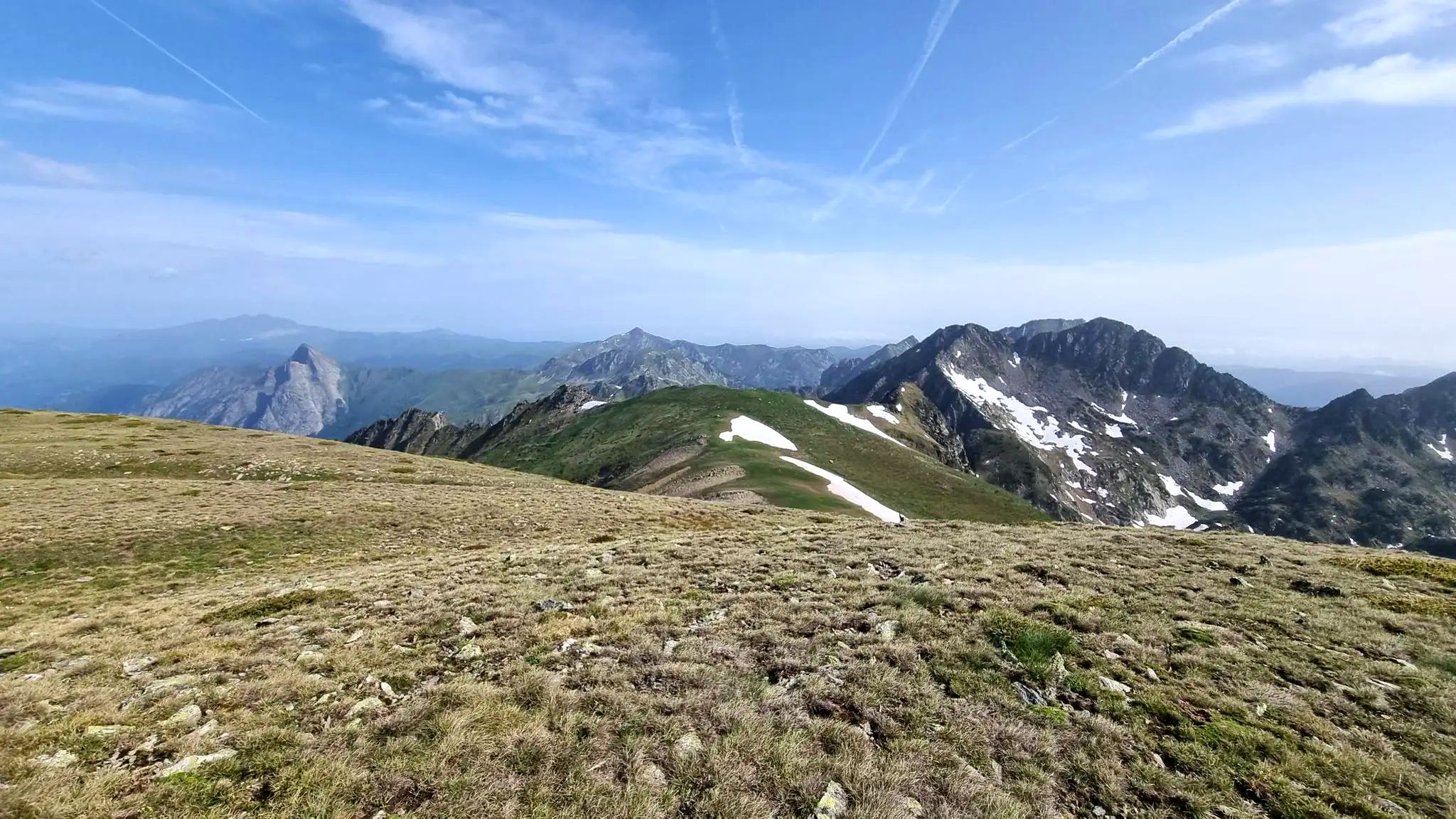
From refuge to refuge — Tour des Pérics
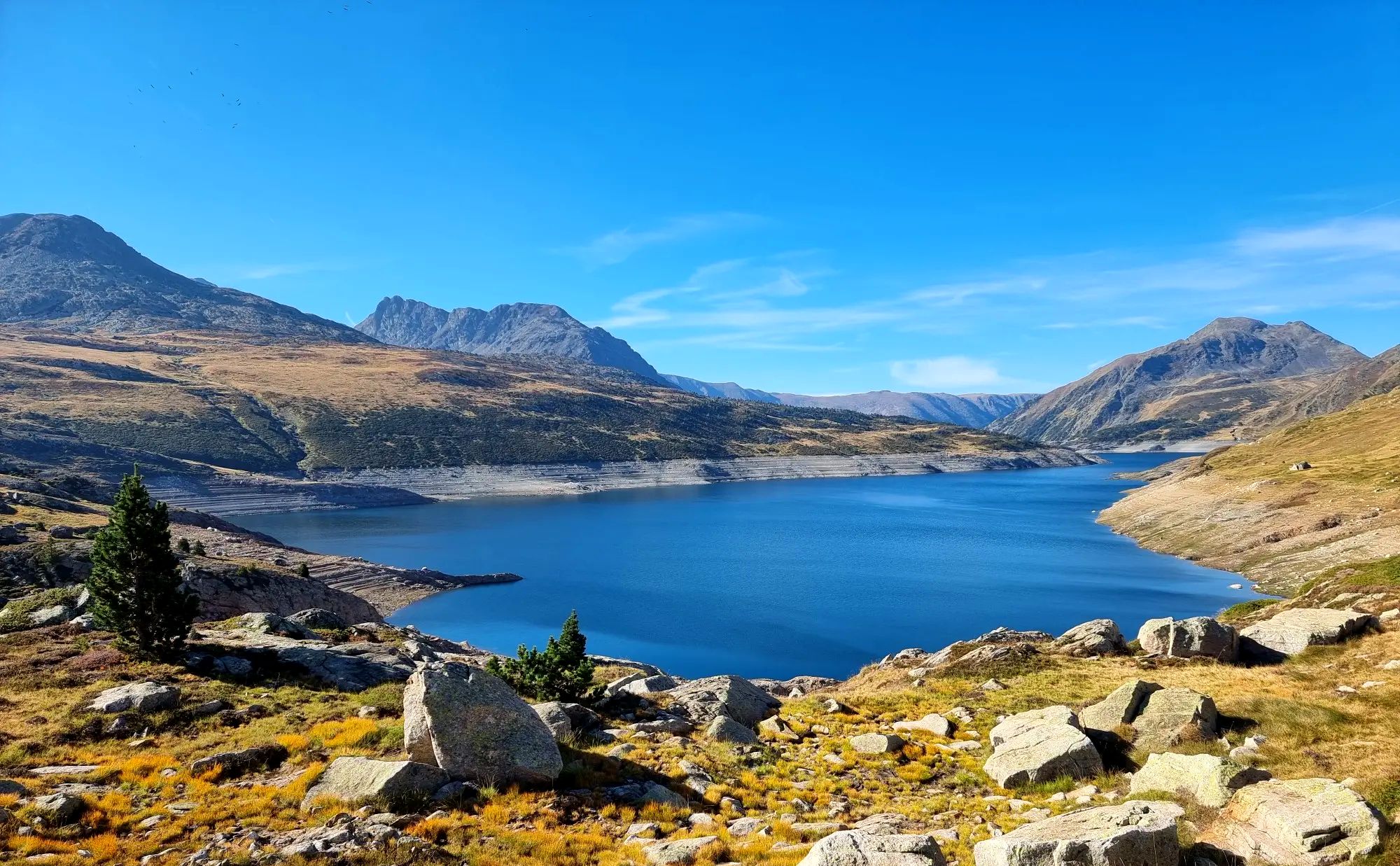
Tour des Pérics – Carlit and Grand Péric variants
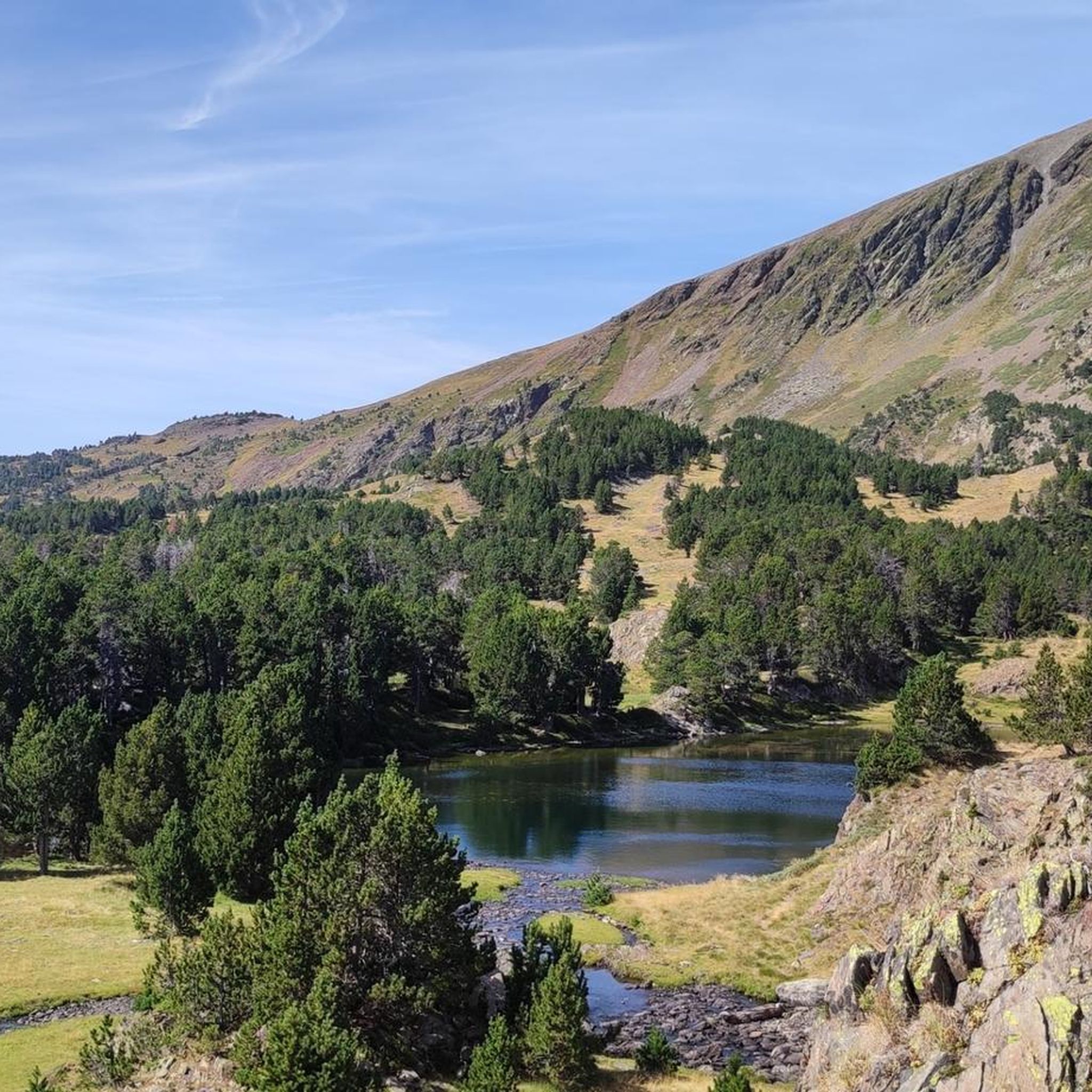
Road Cycling Routes around Formiguères
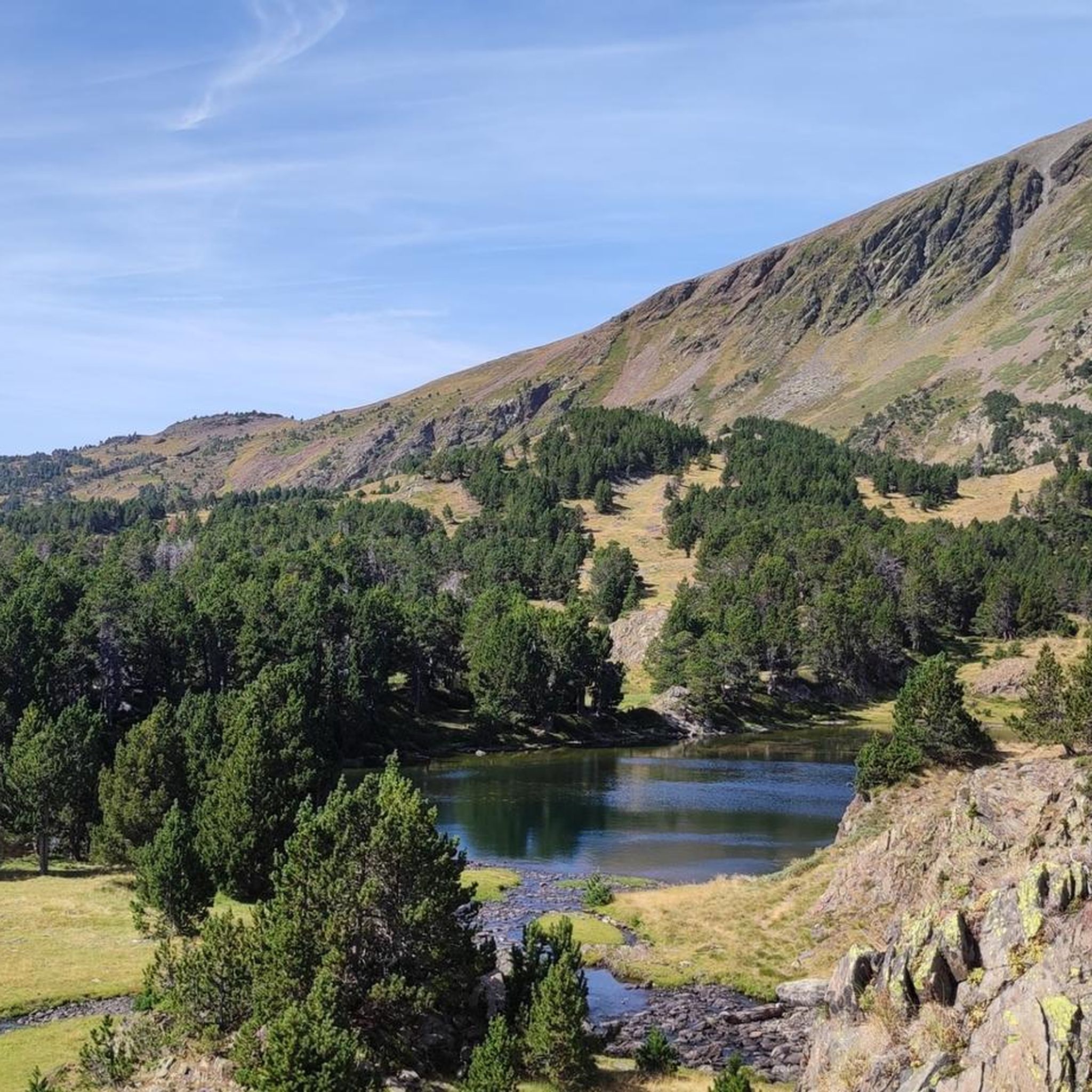
Hiking around Formiguères
Running Trails around Formiguères
MTB Trails around Formiguères
Cycling around Formiguères

Gravel biking around Formiguères

Mountain Hikes around Formiguères


Tips from the Community

Well, starting from Font Romeu and breaking legs from Mont Louis
0
0

Still some snowfields in May
1
0

It is a simply spectacular port that unites the regions of Conflent and Capcir. It is one of the most beautiful ports in the easternmost Pyrenees. It is very close to the Col de la Llosa, and you can take a circular route that is known as the "Route des Cols". It is also indicated on nearby road signs. The hardest slope is the one that begins in Olette (Conflent) and goes up through Aiguatèbia. There are almost 22 km of ascent and 1,089 meters of elevation gain. It has 3 very different zones: (1) the first is a constant 5 km at 7%; (2) the second is 10 km at 4% and with some very pleasant rest areas, with beautiful views; (3) The final part is 6 km on average at 7%, since it passes the town of Railleu, although the hard part is the last 3 km, with several ramps that exceed 10%. The road is narrow and has uneven asphalt, with hardly any cars and motorcycles. For me, the final part of this port is truly spectacular and should not be missed. The west slope begins in the town of Matamala (Capcir) and is 3 km with an average of close to 8%. It is a long irregular stretch along a narrow and very quiet road, with panoramic views of the valley when the thick black pine forest gives some opportunity.
0
0

A little disappointing: the pass is in the middle of the forest and offers no view. The climb from (and to!) Railleu is nevertheless superb. A nice picnic area to have a bite to eat.
1
0

One of the best experiences on my entire tour. I have this picture with the view of the mountains as my screen background. The roads are still closed, the snow is piled up meters high on the sides and at the same time there is not a single car on the road. Simply fantastic
1
0
The Col de la Calvaire de Font Romeu is a mountain pass in French Cerdanya, next to the town and ski resort of Font Romeu. This port connects the Bolquère valley with the Cerdanya valley. The port is within the same town of Font Romeu, next to the station's ski lifts. There are many slopes to reach Col de la Calvaire: - the western slope that starts from Ur is approximately 16 km and crosses the town of Targasone and the Col d'Egat. It is a very steep climb along a road in perfect condition, although on holidays there is a lot of traffic. - The southern slope starts from Llívia and crosses Estavar and joins the previous one at the Col d'Egat. Unlike the first, the first section of the climb is very hard, with several horseshoe curves and with wonderful views of the entire Cerdanya and the Tosa d'Alp. - The eastern slope stops at Olette, and after approximately 28 km it reaches the top of the pass, passing through the town of Mont-Louis and Bolquère. It is a very steep climb, like the first, on a road in perfect condition but with a lot of traffic. I don't like going up here. - the eastern slope that starts from Olette and passes through the Col de la Perche, reaching the town of Font-Romeu and from there to the top. Of all the slopes, the one I like the most is the slope that starts from Llívia and crosses Estavar.
0
0
It is a mandatory port for anyone who wants to visit Upper Cerdanya by bicycle. On the southern slope it is very affordable; However, the charm of this port is on the northern slope, the one that goes up from Olette. It has all the incentives for good cycle tourism.
0
0

The Porteille of Bésines, a mysterious pass in the depths of the Catalan Pyrenees, tells stories of hikers in search of adventure and silence. Whether you come from the south via the Bésines refuge or from the north via the shimmering Estagnas pond, the path takes you into a world of rugged beauty. The south wall is rougher, as if it had been shaped by centuries of unpredictable weather, while the north wall has a gentler face. And although the climb does not pose any major technical challenges, the moody mountain weather can certainly make the route more demanding. But once you get to the top, it's worth stopping and lingering. The view opens to the gentle peaks of the Catalan Pyrenees Regional Natural Park, which rise majestically. It is as if the mountains in the distance sing a silent melody that touches the heart of every hiker. Every view, every play of light on the peaks tells a story - an invitation to delve even deeper into the heart of this wonderful country.
1
0
Frequently Asked Questions
What are some challenging mountain passes for cyclists near Formiguères?
For experienced cyclists seeking a challenge, the Pailhères Pass is a must-do, frequently featured in the Tour de France and reaching 2,001 meters. It offers ascents with average gradients of over 8%. The Col de Jau is another demanding climb, considered a highest category (HC) ascent from some approaches, with sections up to 9.5%. Additionally, the Col de la Llose, at 1,866 meters, is known for its significant length and steady gradient, also having been featured in professional races.
Are there mountain passes with exceptional views around Formiguères?
Absolutely. The Pailhères Pass offers breathtaking 360-degree views of the Pyrenees, with alpine vegetation transitioning to rugged peaks. The Col de Jau, particularly the ascent from Prades, provides stunning views as the road winds along a balcony overlooking a dramatic gorge. The Col de la Llose also provides panoramic views of the surrounding mountain landscapes.
What is the best time of year to visit the mountain passes around Formiguères?
The best time to visit the mountain passes around Formiguères for cycling and hiking is generally from late spring to early autumn (May to October). During these months, the passes are typically clear of snow, and the weather is more stable, offering pleasant conditions for outdoor activities. Some passes, like the Pailhères Pass, can still have snowfields in May, so checking local conditions is always advisable.
Are there any family-friendly mountain passes or areas for nature exploration near Formiguères?
While many passes offer challenging routes, the Camporells Area is ideal for nature lovers and families seeking high-altitude exploration. It's a classified natural site with numerous natural ponds and a rich biodiversity, including eagles and marmots. Access is typically on foot from the Formiguères ski station, offering exceptional hiking opportunities with magnificent viewpoints over 12 lakes.
Where can I find hiking trails near the mountain passes of Formiguères?
Formiguères is an excellent base for hiking. You can find numerous trails, including those around the Camporells area, which offer routes like the Chemin du Mortiers with magnificent viewpoints. For a comprehensive list of hiking routes, explore the Hiking around Formiguères guide, which includes trails like the 'Lakes of Camporells – Serra da Mauri loop'.
What kind of outdoor activities can I do near the mountain passes around Formiguères?
Beyond road cycling and hiking, the area around Formiguères offers diverse outdoor activities. You can explore gravel biking routes, such as the 'Col de la Creu – Lake Matemale loop' detailed in the Gravel biking around Formiguères guide. Mountain biking is also popular, with trails like 'Lac d'Aude – Refuge Bernardi loop' found in the MTB Trails around Formiguères guide.
Are there any mountain passes that offer a quieter, less-trafficked experience?
The Col de Jau is often described as one of the 'best lesser-known' cycling climbs in the Pyrenees. It provides a quieter experience compared to more famous passes, while still offering challenging gradients and fantastic scenery, particularly the ascent from Prades.
What historical significance do some of these mountain passes hold?
Many of the mountain passes in the Pyrenees, including those around Formiguères, have a rich history, often serving as ancient trade routes or strategic military points. Passes like the Pailhères Pass have gained modern historical significance through their frequent inclusion in the Tour de France, making them iconic for cycling enthusiasts.
Can I find cafes or facilities at the summit of any mountain passes?
At the summit of the Col de la Llose, you'll find a ski resort, Site de ski de fonds du Capcir, and a large parking lot, which may offer facilities depending on the season. Some visitor tips for Col de la Llose also mention 'incredible coffee and stop to enjoy nature', suggesting there might be options available. For the Camporells Area, there is a guarded refuge, the Refuge des Camporells, located at 2,240 meters altitude.
What makes the Camporells Area unique for visitors?
The Camporells Area, located in the Carlit massif, is a classified natural site known for its striking beauty and numerous natural ponds. It's an authentic high mountain area with a heritage forest recognized for its biodiversity. Visitors can enjoy exceptional high-altitude hiking, spot emblematic regional animals like eagles and marmots, and stay at the Refuge des Camporells. The stunning views of the Pics Peric and the many lakes make it ideal for nature lovers and hikers.
What is the <a href="https://www.komoot.com/highlight/2639234" target="_blank" rel="noopener">Col de la Creu</a> known for?
The Col de la Creu culminates at 1,579 meters on the plateau of La Perxa, uniting the regions of Conflent and Capcir. It's considered a spectacular route, especially the ascent from Olette, which features challenging sections and beautiful views. While the pass itself is in the middle of a forest, the journey to it offers a rewarding experience for cyclists and hikers, and it's part of the 'Route des Cols'.
Are there any mountain passes that are good for beginners or less experienced hikers/cyclists?
While many passes in the Pyrenees present significant challenges, some routes to passes like Col du Calvaire (Font-Romeu) offer smoother roads or less steep sections, making them more accessible. For instance, one tip describes it as a 'smooth road port, ideal to avoid going through the main road'. It's always recommended to check the specific ascent profiles and choose routes that match your fitness level.
Most popular routes around Formiguères
Most popular attractions around Formiguères

Get inspired with the komoot mobile app


Explore more
See even more epic mountain passes by checking out these guides around Formiguères:
