Attractions and Places To See around Junay - Top 18
Best attractions and places to see around Junay, a commune located in the Yonne department of France's Burgundy region, offer a blend of historical sites and natural landscapes. The area is characterized by its proximity to the town of Tonnerre and the Canal de Bourgogne. Visitors can explore the rich heritage of the Yonne department, which provides various opportunities for walks and historical discoveries. This region is known for its historical significance and scenic routes.
Best attractions and places to…
Last updated: June 24, 2026
Towpath of the Canal de Bourgogne
Highlight (Segment) • Trail
Translated by Google •
Tip by

Fosse Dionne and the town of Tonnerre
Highlight • Historical Site
Translated by Google •
Tip by

Sign up now to discover places like this
Get recommendations on the best single tracks, peaks, & plenty of other exciting outdoor places.
Sign up for free
Notre-Dame Church
Highlight • Religious Site
Translated by Google •
Tip by

Saint Peter's Church
Highlight • Other
Translated by Google •
Tip by
Hôtel-Dieu de Tonnerre
Highlight • Historical Site
The Hôtel-Dieu was donated by Margaret of Burgundy and built from …
Translated by Google •
Tip by
Sign up for free to discover even more attractions around Junay.
Sign up for free
Already have an account?
Start today with a free account
Your next adventure awaits.
Login or Signup



Tips from the Community

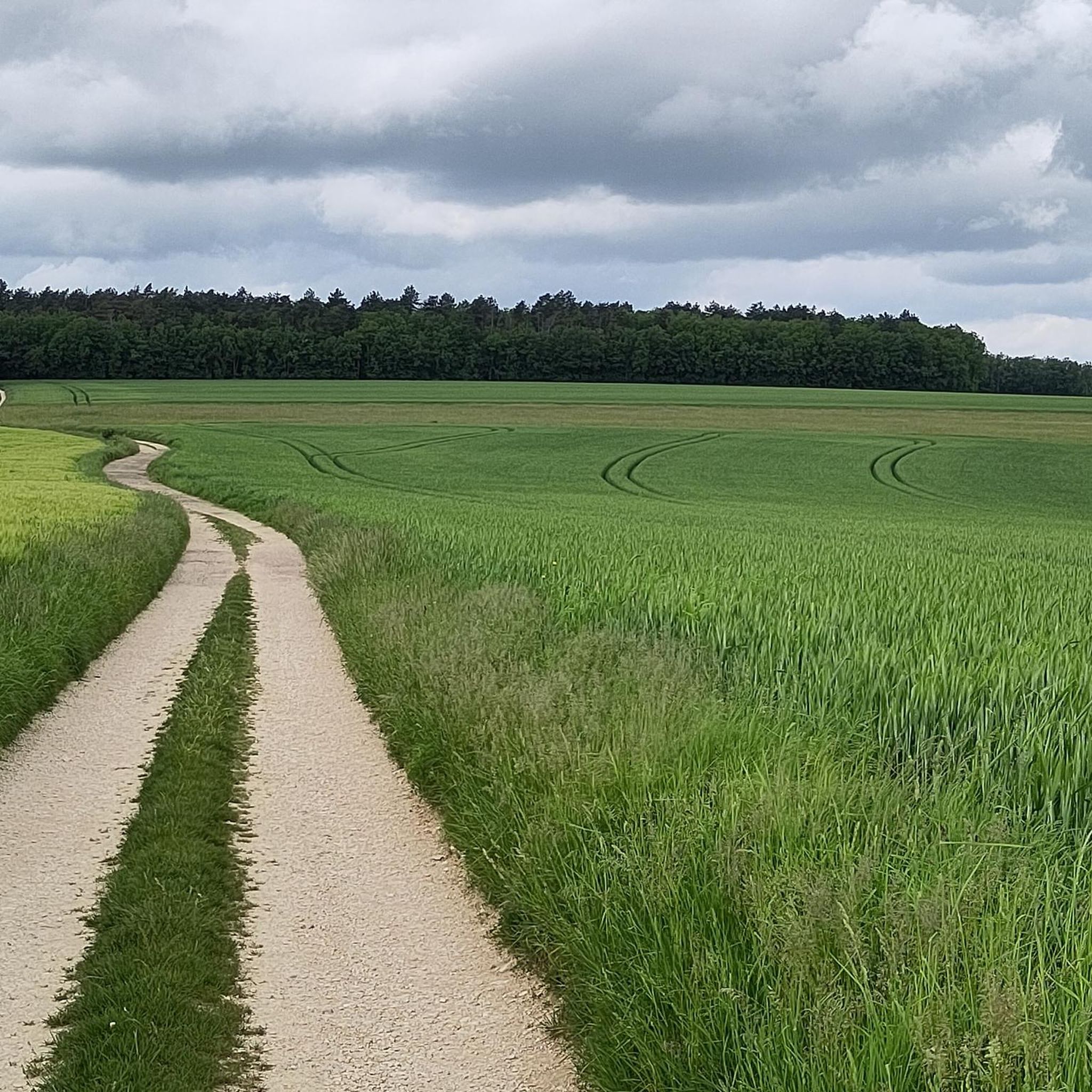
A "chemin de halage", in German "treidelpfad", which runs alongside the waterway right next to the bed of the river or canal, was an indispensable part of the transport infrastructure in earlier times. Before ships could move using motor power, horses ran along the bank and pulled the ship against the current. This was called "treideln", and that is how the "treidelpfad" got its name. Where these paths directly on the bank have been preserved, they are now popular with hikers and cyclists.
1
0

The Dionne pit is a karst source called the Vauclusian source, located in the city center of Tonnerre. It is fed by the infiltration of precipitation into the surrounding limestone plateau as well as by the losses of at least one river. The Dionne pit is remarkable for its flow and the size of its hydrogeological network which extends to more than 40 km. His presence is at the origin of the creation of the city of Tonnerre. An elaborate washhouse was built around the spring in the 18th century. Wikipedia
0
0

A real must-see - this round wash house around a turquoise green source is unique in its kind and well worth the detour.
0
0
The church in Tonnerre was dedicated to Saint Peter / “Saint-PIERRE”. Simon, nicknamed Peter (the word means "rock"), was a fisherman on the Sea of Galilee when he - together with his brother Andrew - was called by Jesus Christ to be "fishers of men". According to Catholic understanding, he is the supreme apostle, and the two millennia-long line of popes - currently Francis - are his successor. On statues and paintings, Peter is almost always depicted with two keys in his hand; this attribute refers to the biblical saying in Matthew: “I will give you the keys of the kingdom of heaven; Whatever you bind on earth will be bound in heaven, and whatever you loose on earth will be loosed in heaven” (Chapter 16, verse 19). Saint-Pierre is - together with Saint-Paul - also known as the “Princes of the Apostles”, their common feast day in the saints' calendar is on June 29th.
0
0

The Hotel Dieu is the work of Marguerite de Bourgogne. it is the longest medieval hospital in Europe. It was built in the XIII century.
0
1
The mystery of this pit is complete. The city was built around it.
0
2
We enjoyed a remarkable guided tour.
0
0

We were there in the morning and the church was still closed. The building from the outside and the beautiful view of the city from there made up for it.
3
0
Frequently Asked Questions
What historical sites can I explore near Junay?
The region around Junay is rich in history. You can visit the impressive Fosse Dionne and the town of Tonnerre, known for its unique karst spring and 18th-century washhouse. Tonnerre also features the medieval Hôtel-Dieu de Tonnerre, a former hospital founded in 1293. Other notable historical sites include the Notre-Dame Church and Saint Peter's Church, both in Tonnerre. Further afield, you'll find the stunning Château de Tanlay, the Cistercian Abbaye de Pontigny, and the UNESCO World Heritage site Fontenay Abbey.
Are there opportunities for outdoor activities like hiking or cycling near Junay?
Yes, the area offers excellent opportunities for outdoor activities. The Towpath of the Canal de Bourgogne is particularly popular with hikers and cyclists, featuring historic locks and scenic views. For more structured routes, you can explore various trails. For hiking, consider routes like the 'Hôtel-Dieu de Tonnerre – Tonnerre Lock loop' or the 'Saint Peter's Church – Notre-Dame Church loop'. Cyclists can enjoy the 'Burgundy Canal and Tonnerrois Vineyards Loop' or longer routes like 'Tonnerre – Buffon's Big Forge loop'. You can find more details on these and other routes in the Hiking around Junay and Cycling around Junay guides.
What natural attractions can I visit in the Junay area?
Beyond the historical sites, Junay is surrounded by natural beauty. The Fosse Dionne in Tonnerre is a remarkable karst spring and natural monument. The Yonne department, where Junay is located, provides numerous opportunities for walks and enjoying the natural landscapes. You can also explore beautiful gardens such as Jardin du prieuré and Jardin du moulin de Athie, or visit the source Saint-Edme, which is associated with Junay.
Are there any family-friendly attractions around Junay?
Absolutely! Many attractions in the area are suitable for families. The Towpath of the Canal de Bourgogne is a great option for easy walks or bike rides. The Fosse Dionne and the town of Tonnerre offers an interesting natural and historical site that can captivate children. The Hôtel-Dieu de Tonnerre, a medieval hospital, provides an engaging historical experience for all ages.
What are some charming towns or villages to visit near Junay?
Several charming towns and villages are within easy reach of Junay. Tonnerre, just 3 km away, is a key nearby attraction with its historical sites. The renowned wine town of Chablis, about 13 km distant, offers a delightful atmosphere and, of course, its famous wines. Further out, Noyers-sur-Serein, recognized as one of France's 'Most Beautiful Villages,' boasts picturesque half-timbered houses and a riverside setting. Auxerre, about 30 km away, features a stunning cathedral and an extensive historic center.
What kind of architecture can I expect to see in the region?
The architecture around Junay showcases a rich tapestry of history. You'll find medieval structures like the Hôtel-Dieu de Tonnerre and the Notre-Dame Church. The region also features impressive castles such as the Château de Tanlay with its frescoes, and the 15th-century Renaissance-style Château d'Ancy-le-Franc. In towns like Noyers-sur-Serein and Auxerre, you can admire well-preserved half-timbered houses.
Can I find wine-related attractions near Junay?
Yes, the region is famous for its wine. Chablis, a world-renowned wine region, is only about 13 km from Junay. You can explore the charming town and its vineyards, making it an ideal destination for wine enthusiasts. Many local establishments offer tastings and tours.
What do visitors enjoy most about the attractions around Junay?
Visitors particularly appreciate the blend of historical significance and natural beauty. The Towpath of the Canal de Bourgogne is loved for its peaceful walks and cycling opportunities. The unique Fosse Dionne and the historical depth of Tonnerre's sites like the Hôtel-Dieu are frequently highlighted for their well-preserved nature and engaging stories. The komoot community has shown its appreciation with 92 upvotes and 19 photos shared for the attractions in this guide.
Are there any UNESCO World Heritage sites accessible from Junay?
Yes, the magnificent Fontenay Abbey, a UNESCO World Heritage site and a significant heritage site in Burgundy, is located approximately 42 km from Junay. It offers a profound historical and architectural experience.
What are the best options for cycling around Junay?
The area around Junay is excellent for cycling, especially along the Towpath of the Canal de Bourgogne. This path offers flat, scenic routes perfect for leisurely rides. For more challenging options, you can explore the 'Burgundy Canal and Tonnerrois Vineyards Loop' or the longer 'Tonnerre – Buffon's Big Forge loop'. You can find detailed cycling routes in the Cycling around Junay guide.
Can I find mountain biking trails near Junay?
Yes, there are mountain biking trails available in the vicinity of Junay. Routes like the 'Tonnerre – Château de Tanlay loop' offer an easy mountain biking experience, while the 'Béru Castle loop' and 'Maligny castle – Moulin de Maligny loop' provide moderate challenges. For more options, refer to the MTB Trails around Junay guide.
What is the significance of the Canal de Bourgogne in the region?
The Canal de Bourgogne is a historically significant shipping channel that connects the Yonne with the Saône, linking the Atlantic and the Mediterranean. Its towpath, the Towpath of the Canal de Bourgogne, is now a popular route for hikers and cyclists, allowing visitors to experience its historic locks and Schleusnerhouses firsthand. It played a crucial role in transport infrastructure in earlier times.
Are there any religious landmarks worth visiting?
Yes, the area features several significant religious landmarks. In Tonnerre, you can visit the Notre-Dame Church, which evolved from a simple oratory to the main church of the town, and Saint Peter's Church, known for its unique architectural facets. Further away, the Abbaye de Pontigny is an important Cistercian abbey, and Asquins église St Jacques is a notable monument on French pilgrim routes.

Get inspired with the komoot mobile app


Explore more
Still not found the Highlight you’re looking for? See guides of the top attractions in other regions:
