Attractions and Places To See around Sournia - Top 20
Best attractions and places to see around Sournia include a blend of historical landmarks, natural beauty, and cultural points of interest in the Pyrénées-Orientales department of France. The village is nestled within the Fenouillèdes region, offering access to diverse landscapes from gorges to mountains. Visitors can explore ancient religious sites, historical ruins, and unique natural formations. The area provides opportunities for exploring both the local heritage and the wider natural environment.
Best attractions and places to see around Sournia
- The…
Last updated: June 22, 2026
Mosset — Listed Village
Highlight • Settlement
Translated by Google •
Tip by

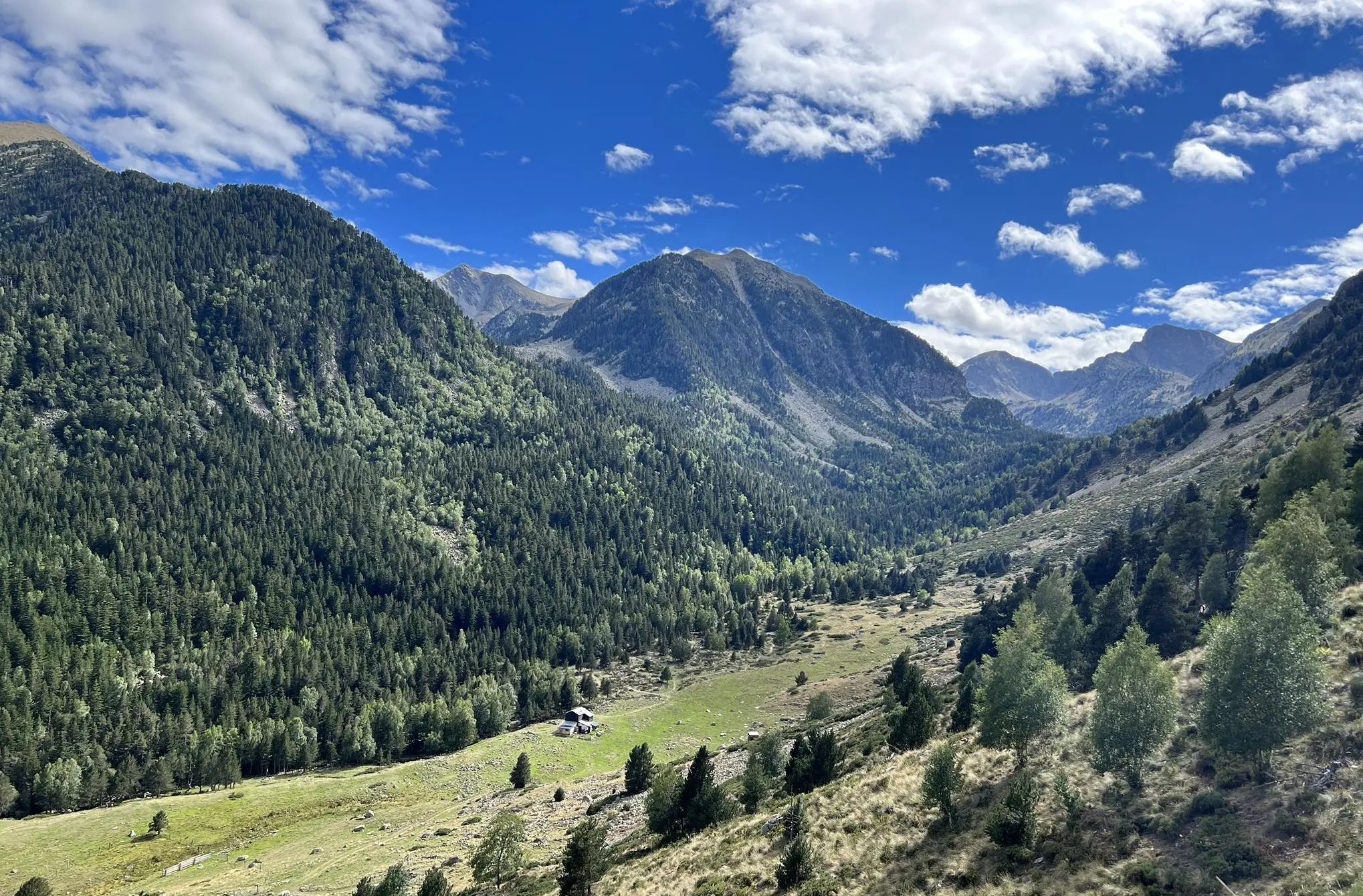
Guilléra Gorges and Rodès Canal
Highlight (Segment) • Gorge
Tour to the highlight: komoot.de/tour/340848344?ref=itd
Translated by Google •
Tip by

Sign up now to discover places like this
Get recommendations on the best single tracks, peaks, & plenty of other exciting outdoor places.
Sign up for free
Saint-Michel de Cuxa Abbey
Highlight • Other
Translated by Google •
Tip by

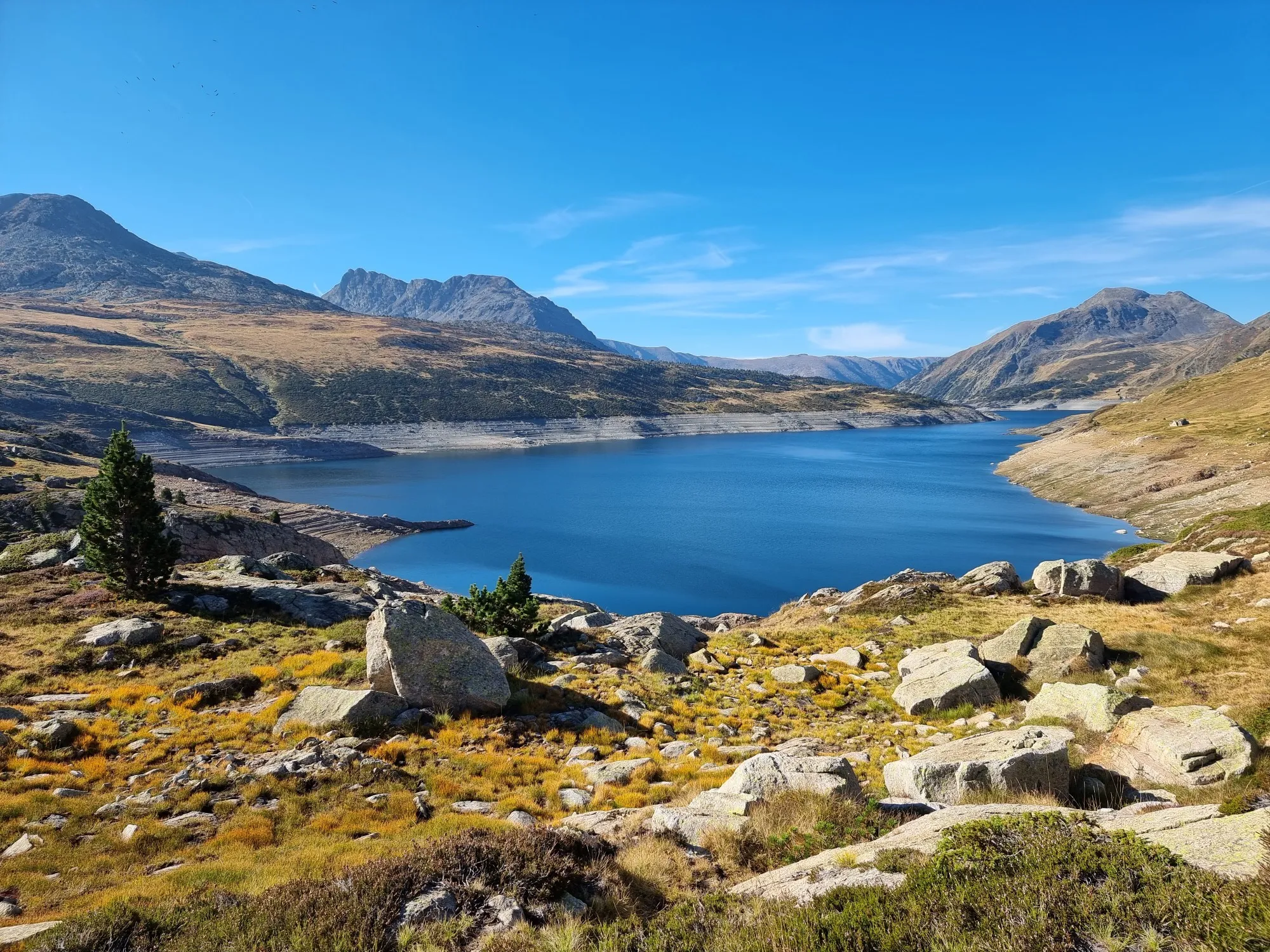
Col de Jau
Highlight • Mountain Pass
Translated by Google •
Tip by

Saint Peter's Church, Prades
Highlight • Religious Site
Translated by Google •
Tip by

Sign up for free to discover even more attractions around Sournia.
Sign up for free
Already have an account?
Start today with a free account
Your next adventure awaits.
Login or Signup
Popular around Sournia
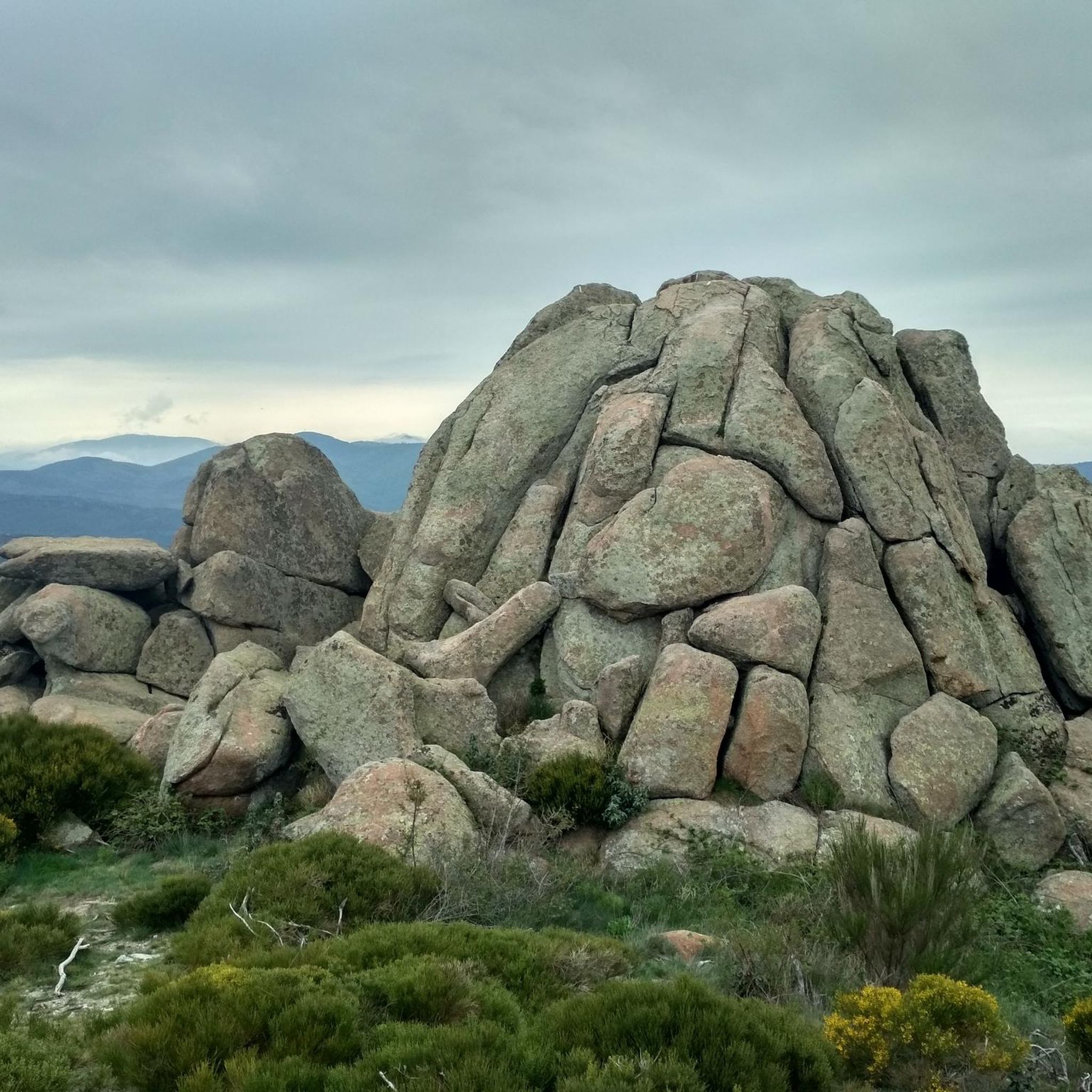
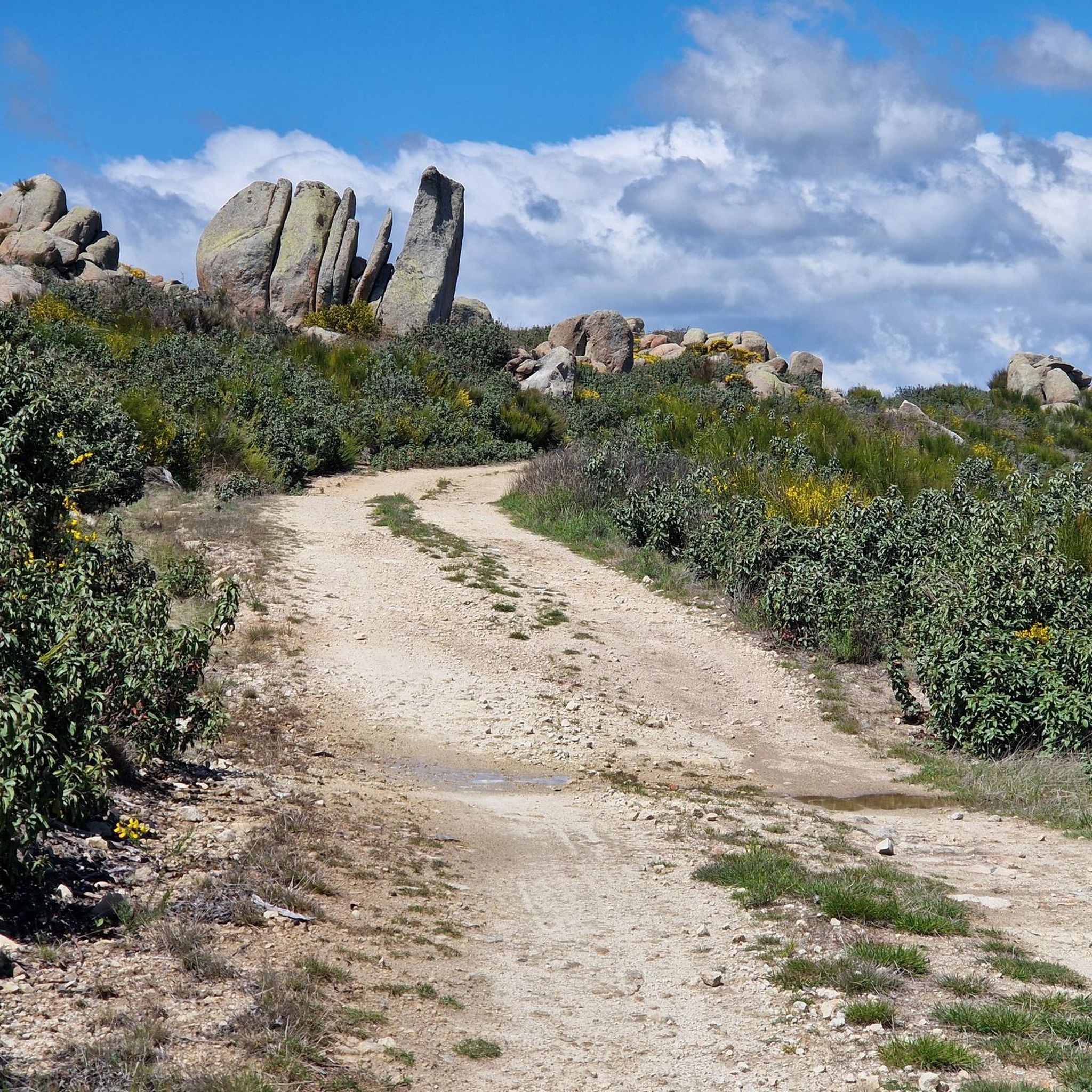
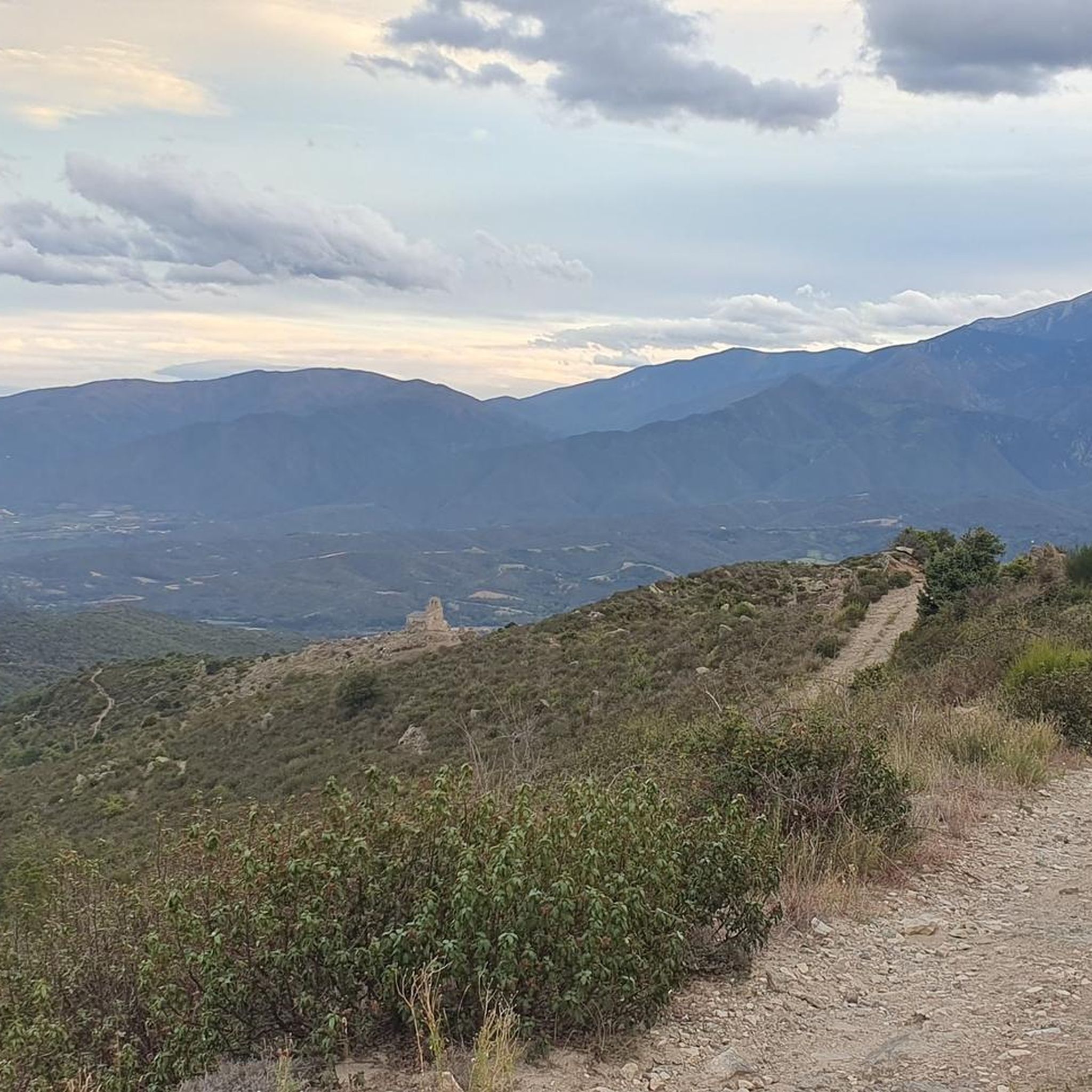



Tips from the Community

Very nice small village, which once had significantly more inhabitants.
1
0

This church was built in the 17th century on the foundations of a Romanesque church, of which only the Lombard-style bell tower, dating from the 12th century, remains today. The church has a large nave flanked on either side by fourteen chapels. The vault is pointed, the transept arches are basket-handle, while those of the side chapels are semicircular. From an architectural point of view, this church, whose construction took place over a hundred years (1606-1696), is remarkably simple.
0
0
The great cellist Pablo Casals lived (in exile) in Prades. Every year there is a great festival in his honour.
2
0

Easy access and very beautiful route
0
0

Beautiful village, worth a stop
1
0


Mosset is a village perched on a rocky spur at more than 600 m which dominates the Castellane Valley. In this superb village, everything bears the mark of time. Because Mosset was for a long time a border marker between France and Catalonia, hence its fortifications. The road offers a spectacular view when arriving from Prades. The city experienced economic and demographic development thanks to its immense forests which provided the energy necessary for processing iron ore from the Canigou peak. The population thus rose to 1,350 inhabitants in the middle of the 19th century. There are now only a little more than 300 left. The ramparts, towers and curtain walls of the old castle which still remain, the Capelleta, an old restored chapel, the small streets, the “portals” and even the fountains of The spring water bears witness to this historical past. We will also note the St Julien church, with this tree perched at the top of its bell tower, which seems to stand guard over the surroundings of the village.
1
0

Nice little church, small center, otherwise very bustling place.
4
0
Frequently Asked Questions
What historical sites can I explore in and around Sournia?
Sournia and its surroundings are rich in history. You can visit the ruins of the Château de Sournia, which dates back to 1537, or explore the ancient Hameau de Pug, a former Templar stronghold. Nearby, don't miss the fortified village of Mosset — Listed Village, known for its historical fortifications and ancient chapels. Further afield, the impressive Cathar castles of Château de Puilaurens and Château de Peyrepertuse offer a glimpse into the region's past.
Are there any notable religious buildings to visit near Sournia?
Yes, Sournia has a significant religious heritage. Within the village, you can see the Parish Church of the Nativity of Notre-Dame with its 17th-century stucco and 18th-century altarpieces. The ruins of the pre-Romanesque Saint-Michel Chapel and the 9th-century Carolingian Sainte-Félicité Chapel are also listed Historic Monuments. The 12th-century Romanesque Saint-Laurent d'Arsa Church is another notable site. A short drive away, the historic Saint-Michel de Cuxa Abbey and Prieuré de Serrabone are significant religious monuments.
What natural attractions are there in the Sournia area?
The Sournia area is surrounded by natural beauty. You can explore the dramatic Guilléra Gorges and Rodès Canal, which offers a pleasant hike along the canal. The impressive Gorges de Galamus are just 12 km away, and the unique 'fairy chimney' rock formations of the Orgues d'Ille-sur-Tet are about 16 km distant. For mountain enthusiasts, the iconic Pic du Canigou, a 'Grand Site of France,' is within reach, offering stunning views and hiking opportunities. The region is also part of the Parc Naturel Régional des Pyrénées Catalanes.
Can I find hiking trails suitable for different skill levels near Sournia?
Absolutely. The Sournia region is excellent for hiking. The GR 36 Long-Distance Footpath passes through the area, providing numerous options. For specific routes, you can find moderate trails like the 'Ancient Beech Tree loop from Prats-de-Sournia' or the 'Camping La Source – Sournia Inn loop from Sournia'. More challenging options include the 'Remarkable Beech Buckle – Camping La Source loop from Sournia'. You can explore more hiking routes in the Hiking around Sournia guide.
What are some unique cultural points of interest within Sournia village?
Within Sournia, you can discover the La Fontaine du Pòu, a baroque fountain built in 1865 with a statue of the Virgin Mary, which still supplies drinking water. Visitors can follow the 'Chemin du Pou' alongside the irrigation canals it feeds. In the local cemetery, look for Les Anges de Sournia, impressive angel sculptures carved from storm-damaged tree trunks by artist Philippe Bottollier. The Grotte du Menièr, transformed into a chapel in the 19th century, also offers a unique cultural experience.
Are there any 'Most Beautiful Villages in France' close to Sournia?
Yes, Sournia is conveniently located near several villages recognized as 'Most Beautiful Villages in France.' These include Eus (9 km away), Mosset — Listed Village (10 km away), and Villefranche-de-Conflent (17 km away), a fortified village famous for its Vauban fortifications.
What outdoor activities can I do near these attractions?
Beyond hiking, the Sournia area offers excellent opportunities for cycling and gravel biking. You can find various routes for road cycling, such as the 'View of Eus – Arboussols loop from Trévillach' or the 'Roque Jalère Pass – Col de Jau loop from Campoussy'. For gravel biking, consider routes like the 'Gabre Forest Area – Mosset — Listed Village loop from Campôme'. Explore more options in the Cycling around Sournia and Gravel biking around Sournia guides.
What do visitors enjoy most about the attractions around Sournia?
Visitors particularly appreciate the blend of historical charm and natural beauty. The Guilléra Gorges and Rodès Canal are loved for their shaded, pleasant hikes, even in summer, with the tunnels and the Têt river providing a delightful experience. The historical and architectural value of sites like Saint-Michel de Cuxa Abbey is highly regarded, and the picturesque setting of Mosset — Listed Village, with its ancient streets and fortifications, is a community favorite.
Are there any markets in nearby towns where I can find local produce?
Yes, several nearby towns host weekly markets where you can find local produce and goods. Prades (12 km), Ille-sur-Tet (16 km), and Quillan (27 km) are good options for experiencing the local market culture.
What is the Col de Jau, and is it worth visiting?
The Col de Jau is a mountain pass offering beautiful climbs and excellent views. It's a popular spot for cyclists, with routes climbing from 357 m to 1513 m. The pass itself is described as a smooth transition rather than a spectacular peak, but the journey through meadows and sparse forests, especially from Campome, is highly recommended for its scenic beauty.
Are there family-friendly attractions around Sournia?
While Sournia itself offers historical sites like the Château ruins and the charming La Fontaine du Pòu, nearby attractions like Saint Peter's Church in Prades are noted as family-friendly. The general area, with its numerous hiking trails and picturesque villages, provides ample opportunities for family outings and exploration in nature.
Most popular routes around Sournia
Most popular attractions around Sournia

Get inspired with the komoot mobile app


Explore more
Still not found the Highlight you’re looking for? See guides of the top attractions in other regions:
