The best running trails around Douaumont
4.5
(5)
355
runners
26
runs
Jogging routes around Douaumont traverse a landscape rich in historical significance and natural regrowth, characterized by green surroundings, forests, and open grasslands. The terrain features varied elevations, ranging from approximately 240 to 395 meters (787 to 1,296 feet), offering a mix of flat sections and challenging inclines. Runners will encounter unique historical remnants, such as shell-scarred plateaus and craters, now softened by nature, alongside preserved trenches and the layouts of ruined villages. This blend provides a distinctive environment for running…
Last updated: June 22, 2026
5.0
(1)
43
runners
25.7km
03:06
480m
480m
Hard run. Very good fitness required. Mostly paved surfaces. Suitable for all skill levels.
25
runners
14.4km
01:42
260m
260m
Hard run. Good fitness required. Sure-footedness, sturdy shoes and alpine experience required.

Sign up for free
3.0
(1)
16
runners
13.7km
01:40
260m
260m
Hard run. Good fitness required. Sure-footedness, sturdy shoes and alpine experience required.
14
runners
11.6km
01:22
200m
200m
Moderate run. Good fitness required. Mostly paved surfaces. Suitable for all skill levels.
17
runners
16.9km
02:04
320m
320m
Hard run. Very good fitness required. Sure-footedness, sturdy shoes and alpine experience required.
Get access to more routes and recommendations from other explorers.
Sign up for free
Already have an account?
Our route recommendations are based on thousands of hikes, rides, and runs completed by other people on komoot.
Start today with a free account
Your next adventure awaits.
Login or Signup


Tips from the Community

Fort Douaumont is a relic of the First World War. One of the most powerful structures and a symbol of the Battle of Verdun.
2
0

This beautiful gravel path, known as the Tacot path, connects the Verdun Memorial to Vaux-devant-Damloup. It's the perfect track for picking up speed in a lovely natural setting steeped in history.
0
0

Fort Duomont is an interesting historical site. Here you can practically feel the claustrophobia the soldiers must have experienced while fighting here. It's also impressive to think how many died trying to capture this hill.
1
0

The weight of history and sacrifice. Not to be missed.
1
0

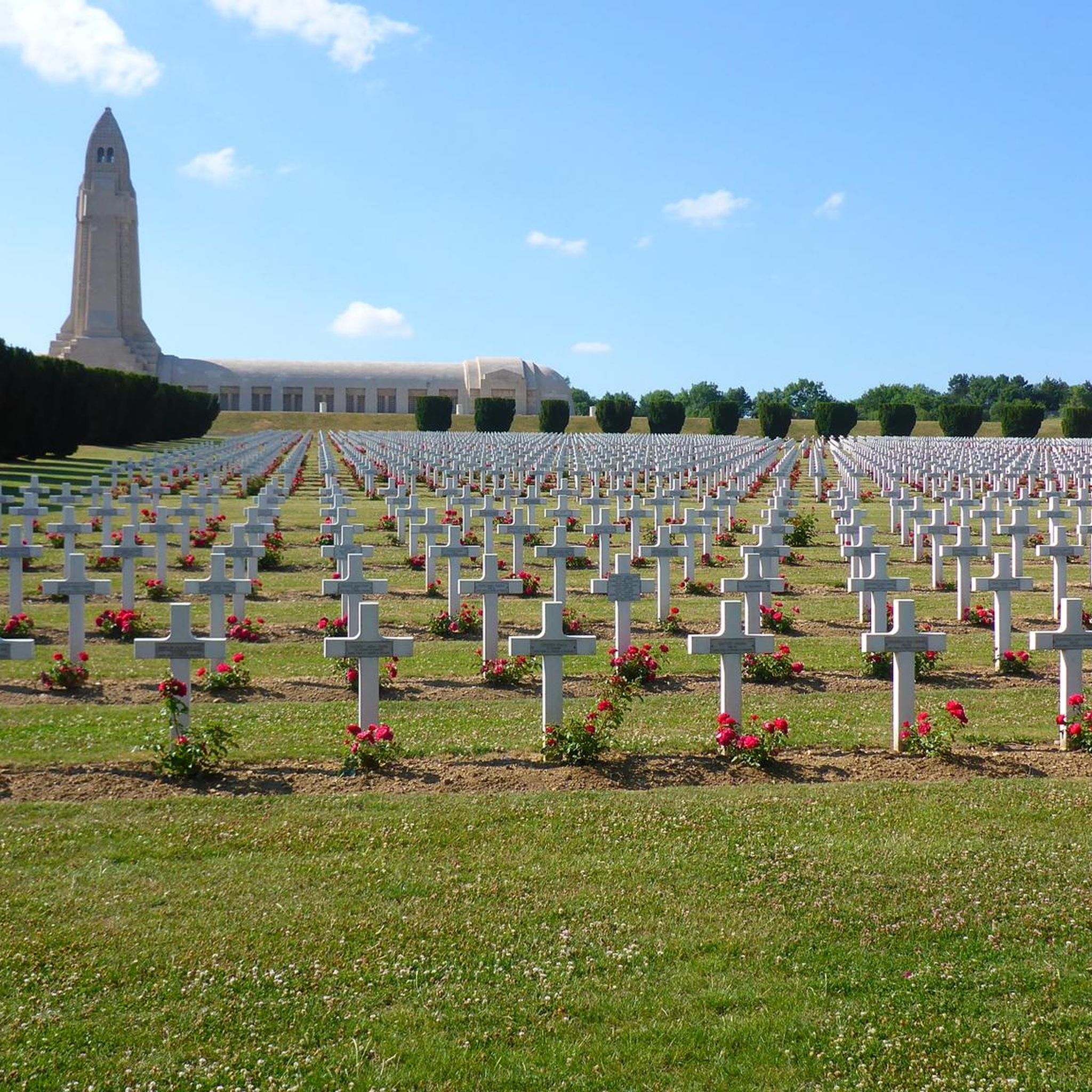
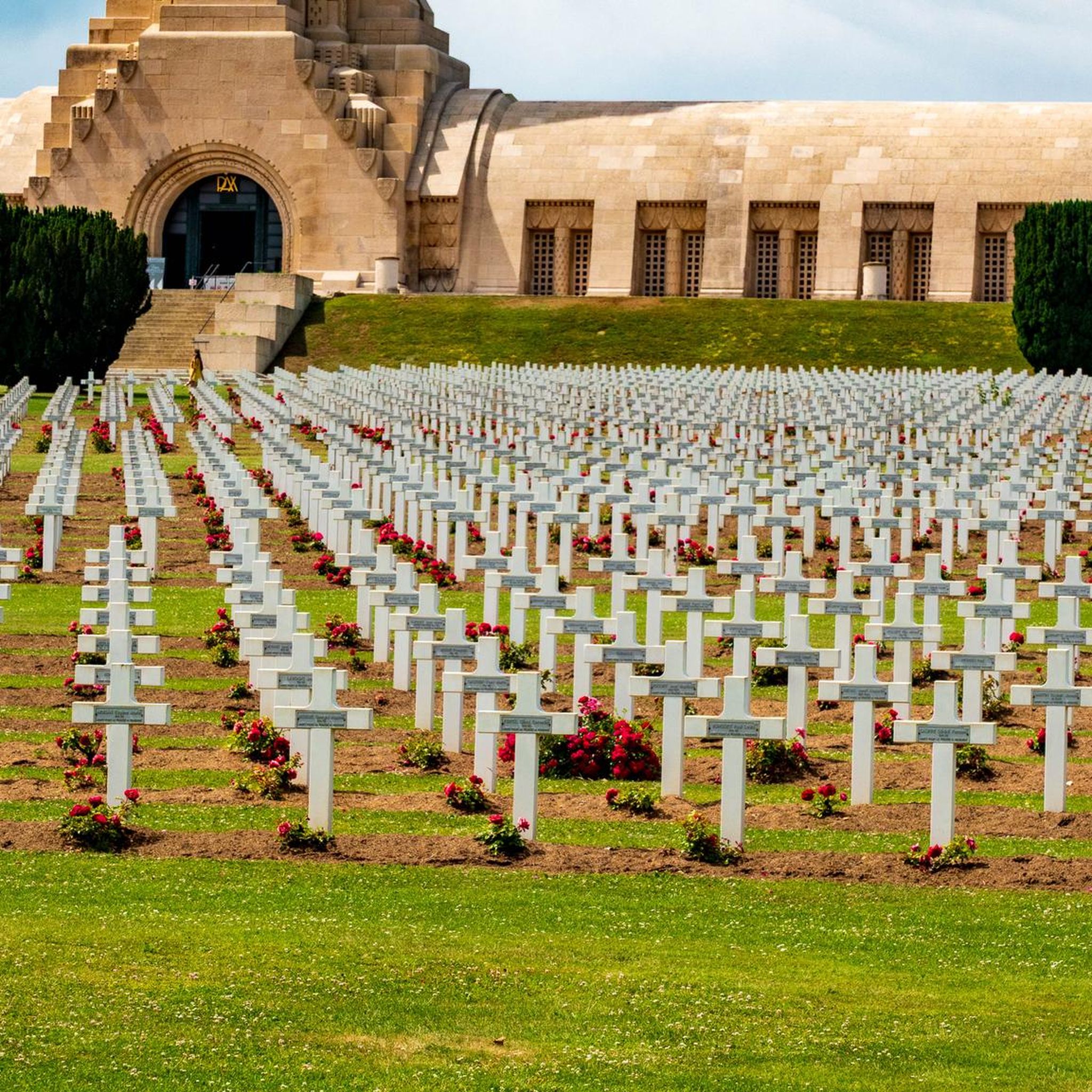
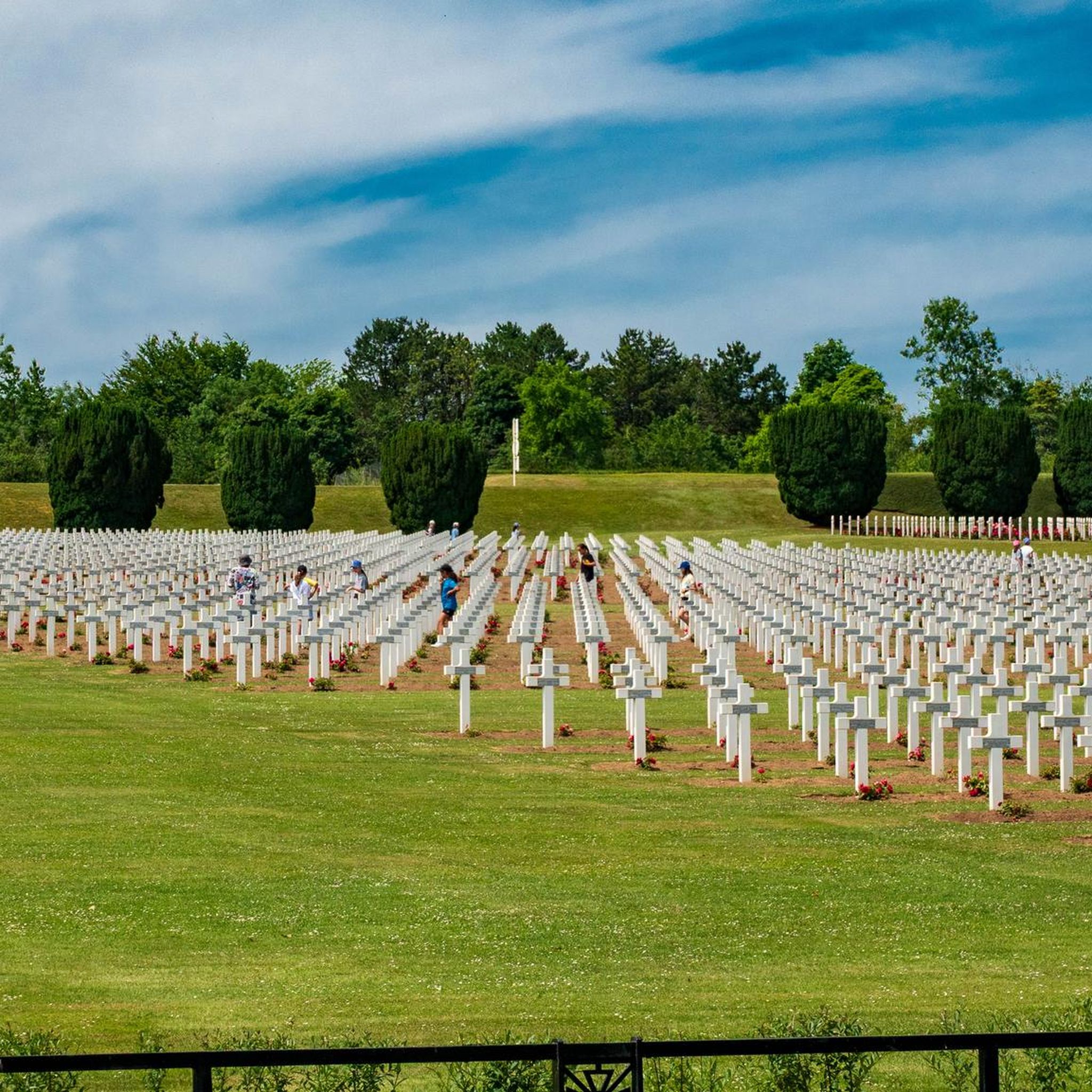
The Ossuary of Douaumont is an impressive memorial that holds the remains of more than 130,000 unknown French and German soldiers who died during the Battle of Verdun (1916). The bones are visible through small windows in the base – a confronting reminder of the horrors of war. In front of the ossuary is the Nécropole nationale de Douaumont, the largest French military cemetery of the First World War, with 16,142 graves, including a Muslim and Jewish plot. The complex was recognized as a UNESCO World Heritage Site in 2023.
8
0
The Mémorial de Verdun, located near the ruined village of Fleury-devant-Douaumont, is a leading museum and commemoration site for the Battle of Verdun (1916). The museum displays more than 2,000 objects and uses authentic objects, photographs and audiovisual installations to show how French and German soldiers experienced this battle – in the exact same place where they fought.
8
3
Built between 1876 and 1879 as part of the defensive belt around Verdun. The fort played a crucial role during the Battle of Verdun (1916), especially in July when German troops almost took it. Strategically located on a hill, it offered a view of the Meuse valley and was connected to other forts by telephone lines. The fort contained an underground shelter (abri sous roc) and a Bussière tower with a 155 mm gun. Despite heavy shelling, it remained in French hands and became a symbol of steadfastness.
8
0

A very beautiful area full of history for running. For those who like peace and quiet, you should go very early in the morning, otherwise there are quite a few visitors.
0
0
Frequently Asked Questions
How many running routes are available in Douaumont?
There are over 25 running routes around Douaumont, offering a diverse range of experiences for joggers. These routes vary in difficulty, from easy paths to more challenging trails.
What kind of terrain can I expect on the running trails around Douaumont?
The terrain in Douaumont is quite varied, characterized by green surroundings, forests, and open grasslands. You'll encounter a mix of flat sections and challenging inclines, with elevations ranging from approximately 240 to 395 meters (787 to 1,296 feet). Many paths also feature unique historical remnants like shell-scarred plateaus and craters, now softened by nature.
Are there running routes suitable for beginners or those looking for an easier jog?
Yes, while many routes are moderate to difficult, there is at least one easy running route available in Douaumont. These paths are perfect for beginners or those seeking a more relaxed pace through the area's unique landscape.
What historical landmarks can I see while running in Douaumont?
Douaumont's running routes are deeply intertwined with its history. You can explore significant sites such as the Douaumont Ossuary, which commemorates the soldiers of WWI, and the Verdun Memorial. Many trails also pass through preserved trenches and the layouts of ruined villages, offering an open-air history lesson. Consider the route Verdun Memorial – Ouvrage of the Froideterre loop from Douaumont for a comprehensive historical experience.
Are there any circular running routes in Douaumont?
Yes, many of the running routes in Douaumont are designed as loops, allowing you to start and finish at the same point. For example, the Douaumont Ossuary – Verdun Memorial loop from Douaumont is a popular circular option, offering a reflective experience through memorial sites.
What do other runners say about the trails in Douaumont?
The running routes in Douaumont are highly rated by the komoot community, with an average score of 5.0 stars from more than 3 reviews. Runners often praise the unique blend of natural beauty and profound historical significance, making for a truly memorable experience.
Can I bring my dog on the running trails in Douaumont?
While specific regulations for dogs on every trail may vary, the natural and open landscapes of Douaumont generally welcome responsible dog owners. It's always recommended to keep your dog on a leash, especially near historical sites and in areas where wildlife might be present.
What are some of the longer running routes available in Douaumont?
For those seeking a longer challenge, routes like the Verdun Memorial – Ouvrage of the Froideterre loop from Douaumont span approximately 15.9 miles (25.6 km). This route is considered difficult and takes around 3 hours and 8 minutes to complete, exploring significant historical sites.
Are there any running routes that offer scenic viewpoints?
Absolutely. The region's varied elevation and historical sites often provide sweeping country views. For instance, running around Fort Douaumont offers panoramic vistas from its crater-pocked roof, blending natural beauty with historical context.
What is the best season for running in Douaumont?
Douaumont's green surroundings and forests make it appealing across multiple seasons. Spring and autumn offer pleasant temperatures and beautiful foliage. Summer provides shaded routes through the forests, while winter running can offer a stark, reflective experience amidst the historical landscape, though conditions may be more challenging.
Are there any amenities like cafes or places to rest along the running routes?
While the focus of many routes is on the natural and historical landscape, some trails may pass near the Douaumont Ossuary or Verdun Memorial, where visitor facilities, including cafes, might be available. It's advisable to carry your own water and snacks, especially on longer routes, as amenities can be sparse in the more remote battlefield areas.
How long does it typically take to complete a running route in Douaumont?
The duration varies significantly depending on the route's length and difficulty. For example, a moderate 7.3-mile (11.8 km) route like the Douaumont Ossuary – Fort Douaumont loop from Douaumont can be completed in about 1 hour and 27 minutes, while longer, more difficult trails can take over 3 hours.
Are there any family-friendly running paths in Douaumont?
While the historical context can be profound, many of the easier and shorter routes through the green forests and grasslands can be suitable for families. It's recommended to choose paths with less elevation gain and to be mindful of the historical significance of the area when running with children.
Most popular attractions around Douaumont

Get inspired with the komoot mobile app


Explore more
Browse the best Running Trails & Routes in other regions.
