Attractions and Places To See around Laparade - Top 20
Best attractions and places to see around Laparade include historical landmarks, natural features, and cultural sites. This 13th-century bastide town, perched at an altitude of 190 meters, offers panoramic views over the Lot Valley. The area retains its original military bastide layout and provides access to the Lot River and several nearby lakes. Laparade serves as a base for exploring the Lot-et-Garonne department, with various hiking and cycling routes available.
Best attractions and places to see around Laparade
- The most…
Last updated: June 18, 2026
Saint-Germain Church Ruins, Le Temple-sur-Lot
Highlight • Historical Site
Translated by Google •
Tip by

Historic Center of Clairac
Highlight • Historical Site
Translated by Google •
Tip by

Sign up now to discover places like this
Get recommendations on the best single tracks, peaks, & plenty of other exciting outdoor places.
Sign up for free
Notre-Dame Church
Highlight • Other
Translated by Google •
Tip by
Voie Verte from Temple-sur-Lot to Sainte-Livrade-sur-Lot
Highlight • Other
Translated by Google •
Tip by
Gibra Mill
Highlight • Other
Translated by Google •
Tip by

Sign up for free to discover even more attractions around Laparade.
Sign up for free
Already have an account?
Start today with a free account
Your next adventure awaits.
Login or Signup


Other adventures around Laparade

Tips from the Community

The community, often referred to as the "Order of the Templars" for short, whose full name is "Poor Knights of Christ and of Solomon's Temple in Jerusalem", takes us back to the 13th century. Founded in the Holy Land, it spread surprisingly quickly with numerous branches in many countries in Central Europe. The order gained notoriety through the fact that it was dissolved in 1312 by the French king and the pope and its members were accused of being heretics. The main reason for the dissolution, however, was not the human and religious misconduct (heresy) of the members, which was merely a pretext, but the legendary wealth of this order. King Philip IV of France (1268 to 1314) wanted to use this measure primarily to improve his coffers and secure its treasures.
0
0
Nowadays, they are rarely used for their original purpose, but are often just technical and historical monuments to a long tradition of craftsmanship. But here is fortunately proof of the opposite: the heavy millstones inside are moved solely by the power of the wind as the driving force, and grain is ground into flour (so-called grain mills). These old windmills are therefore the best proof that people were clever enough a number of centuries ago - long before the discovery of electricity and the inventions that followed it - to harness the natural power of the elements.
2
0

The history of Clairac is inseparable from that of its Benedictine abbey, which was internationally renowned in the Middle Ages. The abbey, as well as the town which was formed around its walls, reached their peak in the 12th and 13th centuries. There were then 120 monks who worked both in the fields and as copyists of manuscripts. The abbot of Clairac was also the lord of the village and commanded two bastides, five priories and around fifty parishes. The monks also owned two mills on the Lot. The income generated by the abbey was then considerable. But the most important heritage is unexpected: the plum tree of Damascus, brought back from the crusades, was in fact "enté", that is to say grafted, by them for the 1st time. They also discovered the sun-drying process, inventing the Ente plum and the Agen prune in one fell swoop!
1
0
The Bourdeille mill, known as the Gibra mill, benefits from the prevailing winds coming from the west on its mound at the top of a hill. From Pech-de-Bère in the south – where the Lot flows into the Garonne – to the town of Marmande in the northwest, it offers you from its privileged location a profound panorama of the Garonne valley. Listed in the inventory of Historic Monuments in 1979, the Gibra windmill benefited from a restoration in the early 1980s, a perfect example of safeguarding local heritage. It has all the equipment for turning in the wind and grinding grain, and on windy days (and open to the public), you can watch milling demonstrations.
1
0

The Saint-Germain church is a Romanesque church located in the town of Temple-sur-Lot, in the Lot-et-Garonne department in New Aquitaine. Built in the 12th century, it has been enlarged and modified over the centuries. The church is famous for its 15th century frescoes, which were rediscovered in 1952 and restored in 1961. The frescoes depict biblical scenes, holy figures, angels and demons. The church is also known for its richly carved portal, which features figures of lions, sirens and griffins, as well as scenes from the life of Saint Germain. It has been classified as a historical monument since 1979.
0
0

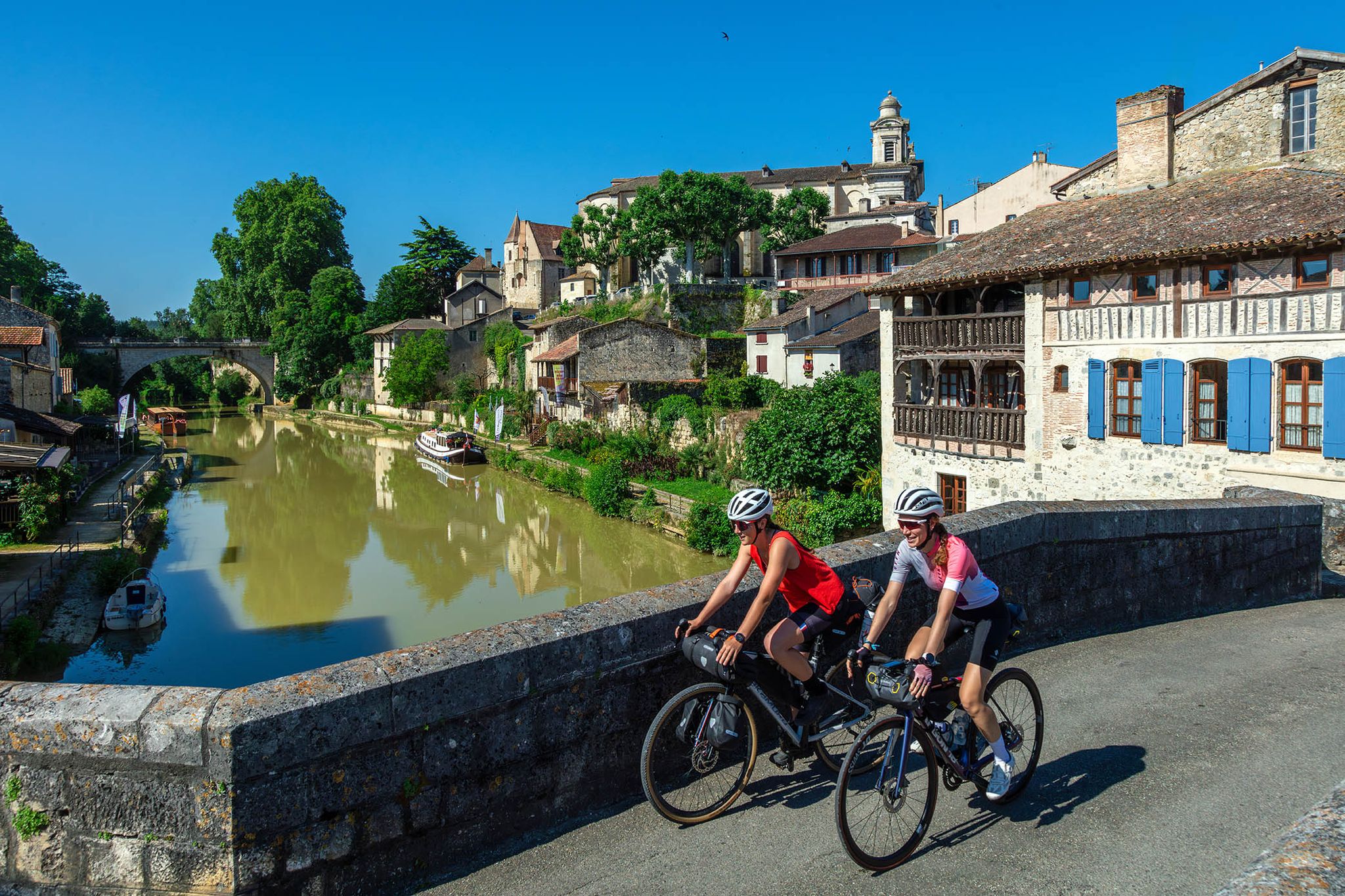
Like many small towns located along the Lot River, Clairac has its own beach. But it also boasts some of the region's most beautiful half-timbered houses, as well as the Saint-Pierre-ès-Liens church, known for its remarkable maître d'hôtel.
0
0

Clairac is a commune in the Lot-et-Garonne department of France and has 2,506 inhabitants. The place is part of the district of Marmande
0
0
very nice house in the center
0
1
Frequently Asked Questions
What historical landmarks can I explore in Laparade?
Laparade is a 13th-century bastide town with a well-preserved original military layout. You can explore its ancient ramparts, which offer 180-degree panoramic views, and visit the central square featuring an intact timber-framed market hall and two wells with remarkable ironwork, both classified as historical monuments. Don't miss the "mur des fusillés" for its historical significance.
What natural features and viewpoints are there around Laparade?
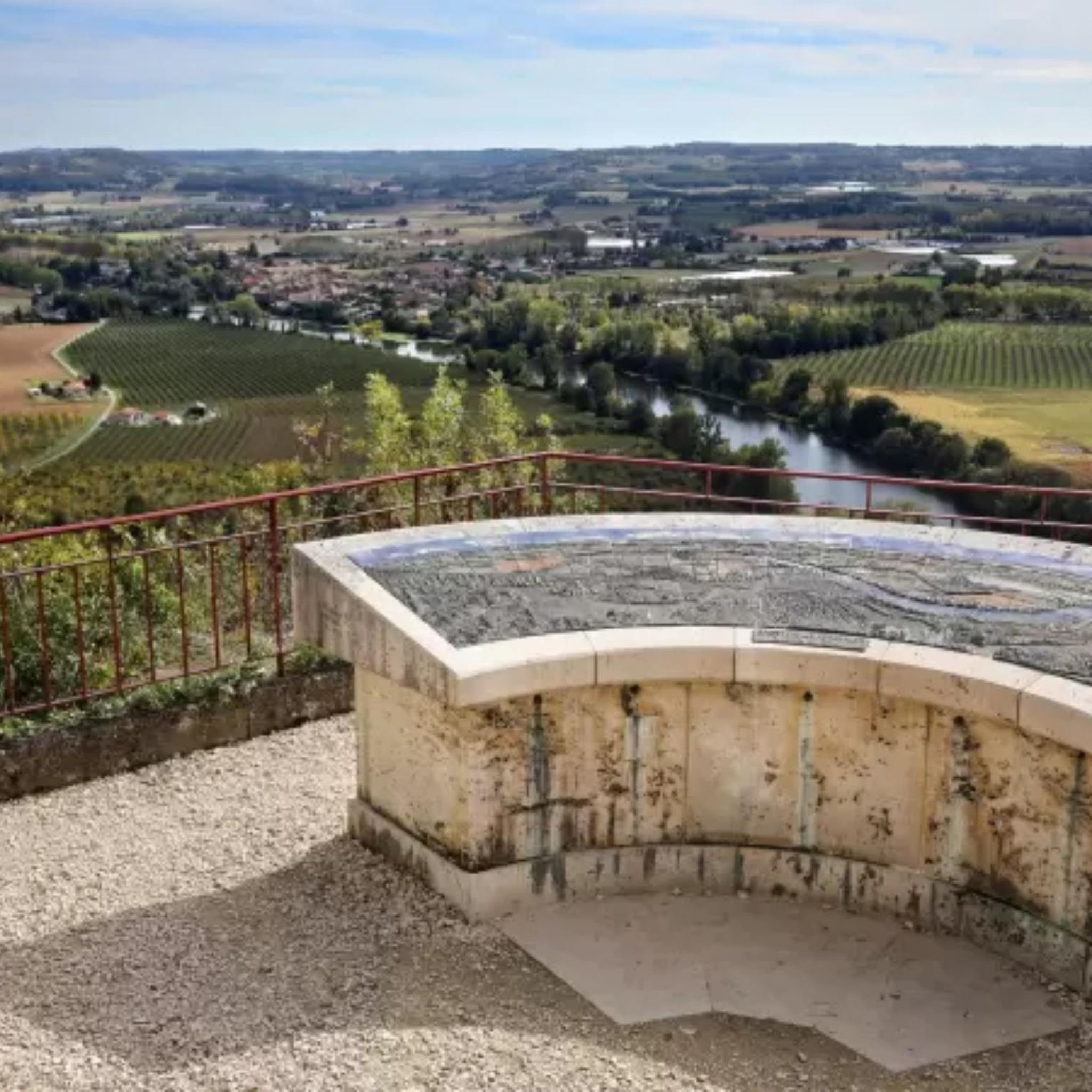
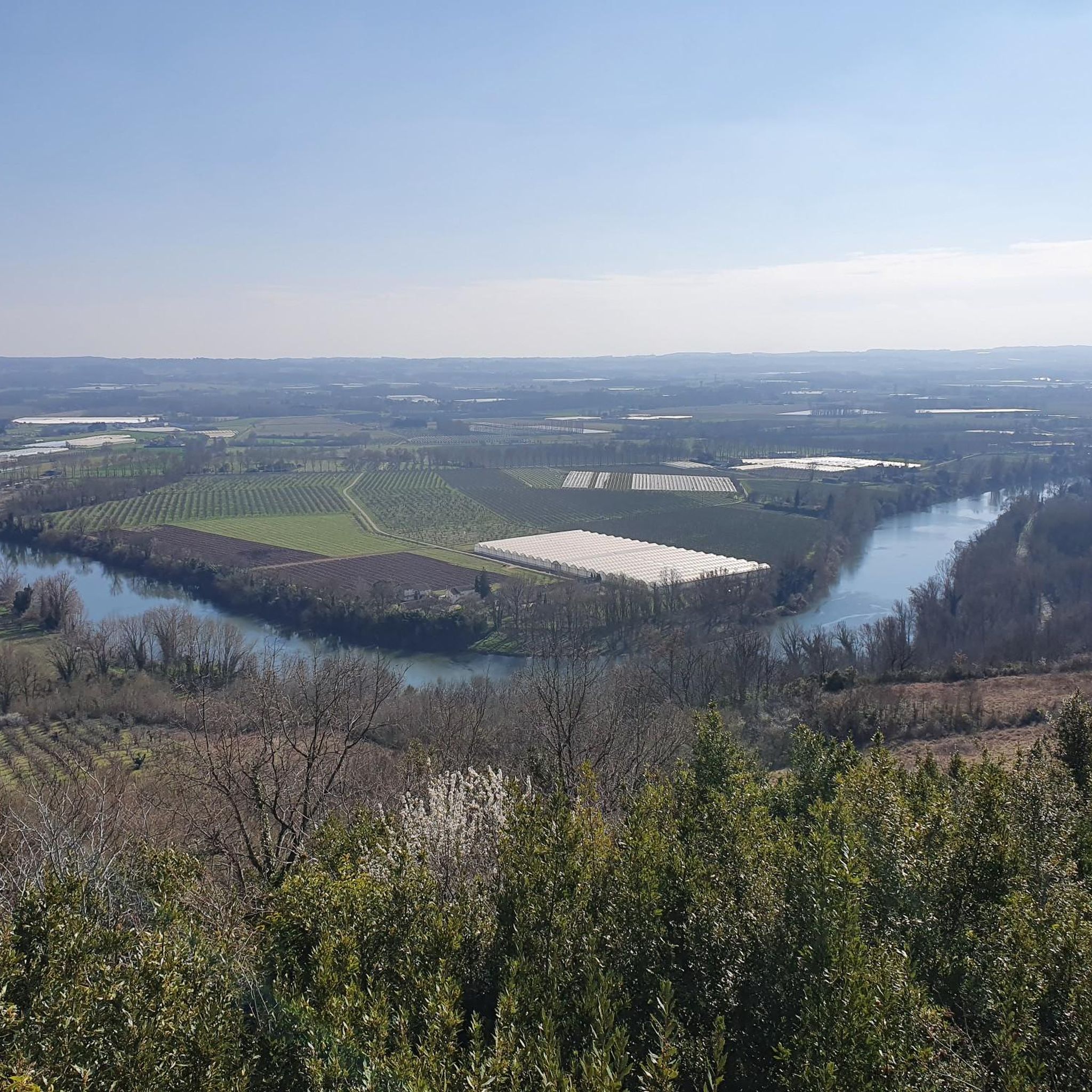
Laparade's elevated position provides breathtaking panoramic views of the Lot Valley, with its winding river, orchards, and cultivated lands. A Table d'Orientation helps identify key features in the expansive landscape, where on clear days, the Pyrenees might even be visible. The Lot River itself is accessible for activities like boating and cycling along its banks.
Are there any notable historical sites near Laparade?
Yes, nearby you can visit the Historic Center of Clairac, known for its half-timbered houses and the Saint-Pierre-ès-Liens church, which has a rich history tied to its Benedictine abbey. Another significant site is the Saint-Germain Church Ruins, Le Temple-sur-Lot, a 12th-century Romanesque church that was once a Templar commandery.
What outdoor activities can I do near Laparade?
The region around Laparade is excellent for outdoor activities. You can enjoy cycling on the Voie Verte from Temple-sur-Lot to Sainte-Livrade-sur-Lot, a flat greenway built on an old railway line. For more options, explore various hiking, running, and cycling routes available. You can find detailed routes and guides for these activities on the hiking, running, and cycling guides around Laparade.
Are there family-friendly attractions in the Laparade area?
Absolutely! For family entertainment, the Walibi Sud-Ouest amusement park and the Aqualand water park are located nearby. You can also visit a Prune Farm and Museum, which offers interactive activities like an orientation course, a corn maze, and chocolate-making workshops for children. The Historic Center of Clairac is also considered family-friendly.
When is the best time to visit Laparade?
The summer months are particularly vibrant in Laparade, with lively farmers' markets held on Tuesdays and the village festival taking place on the third weekend of August. Guided tours with a "Raconteur de Pays" are available by appointment year-round and regularly on Tuesdays during the summer, offering insights into the region's history.
Where can I experience local culture and traditions in Laparade?
To experience local culture, visit during the summer for the lively farmers' markets held on Tuesdays. The village festival, held on the third weekend of August, is another excellent opportunity. Laparade also hosts "Laparade Fait son Cabaret!" events, featuring cabaret shows, often preceded by a meal at the local restaurant, Le Panorama.
Are there any unique natural reserves or gardens nearby?
Yes, the region boasts several natural spots. Lac du Salabert is a natural fauna and flora reserve spanning 25 hectares. Additionally, just 6 km away, you can discover the Latour-Marliac Waterlily Garden, which features a stunning collection of waterlilies.
What is the Gibra Mill and what can I see there?
The Gibra Mill is a historic windmill that benefits from prevailing winds and offers a profound panorama of the Garonne valley. Listed as a Historic Monument, it has all the equipment for turning in the wind and grinding grain. On windy days when open to the public, you can witness milling demonstrations.
What do visitors enjoy most about the attractions around Laparade?
Visitors particularly appreciate the historical sites, natural features, and cycling routes. The komoot community has shown strong engagement, with 18 upvotes and 10 photos shared for the attractions. The flat, traffic-free nature of the Voie Verte from Temple-sur-Lot to Sainte-Livrade-sur-Lot is a highlight for many cyclists.
Can I find information about Laparade's history and heritage?
Yes, Laparade, founded in 1269 by Alphonse de Poitiers, retains its original military bastide layout. You can learn about its rich past through guided tours with a "Raconteur de Pays" (storyteller of the region). The ramparts also feature the "Mur des Fusillés," a site with historical significance.

Get inspired with the komoot mobile app


Explore more
Still not found the Highlight you’re looking for? See guides of the top attractions in other regions:
